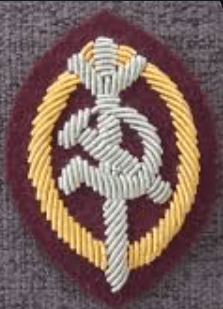
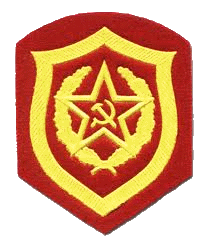
Translator’s Note. I encountered this article in the Russian language – but from the tone, Trotskyite tendency, and pro-Western (distorted) perspective, I assume that this article may have been written in English. The author provides a number of interesting historical fact regarding what he calls “Special Forces” operating within the Soviet Union. His a priori anti-Stalin stance is typical of the anti-intellectual narratives routinely encountered within US discourse. However, many of the assumptions the author makes in an attempt to join these “facts” together are incorrect. The author also misleads his audience by omission. I suspect these weaknesses are intentional and part of the ongoing US project of misrepresenting Soviet history. The school-boy howler is that he states that Special Forces did not exist prior to the (Trotskyite) Khrushchev inventing the concept in 1957. The British (Russian-born) Journalist – Alexander Werth – (who was an expert on the Soviet Red Army) mentions none of these ideas despite living in the USSR in 1959. Prior to this, throughout the 1940s, Werth had accompanied the Soviet Red Army as it advanced westward and destroyed the Nazi German army.
Furthermore, the NKVD, which emerged out of Lenin’s “Cheka” (Revolutionary Police), was the most “special” of all Soviet “Special Forces” – a concept bought on and developed by Joseph Stalin. This can be seen with the NKVD’s development of a de-mystified fighting system (termed “Systema” or simply the “System”) – which integrated the physical techniques of a number of Asian martial arts, taking out the religious component, and combining the external and internal elements that permeate these systems, in a logical and rational manner. The author is wrong when he asserts the Stalin was opposed to “Special Forces” as he (Stalin) was an important figure in developing Lenin’s idea of giving special training to selected young men and women committed to the study and understanding of Marxist-Leninism. Such individuals, being a product of their environment, were subjected to extra material training, developing the required psychological and physical skills to make sense of it all. The “Special Forces” exploits of the NKVD during WWII (and after) are legendary. As there was no “repression” in the USSR prior to WWIi – the NKVD carried-out their duties by exposing the many Western-supported Trotskyite attempted uprisings that occurred.
The author misses another vital (glaring) fact. Khrushchev, in his 1956 attempt at destroying the Soviet State (by demonising Joseph Stalin) could not trust the NKVD (aka “KGB”) – as its purpose was to defend the Revolution from such reactionary attempts. Therefore, Khrushchev was forced to create a new “Special Force” (the so-called “Spetsnaz”) that he could personally Vietnam by known to be a coward during the defence of Ukraine during the Great Patriotic War – catching the last aeroplane out of Kyiv – whilst leaving his Red Army soldiers to die without the leader of the Communist Party of Ukraine being present. Stalin knew about Khrushchev’s cowardice – and this led to an intense hatred between the two men. This is the motivation behind Khrushchev’s anti-Stalin attitude – and explains the author’s pro-Troyskyite tendency. Basically, this means that “lying” (“Entryism”) is used to mislead the working-class away from Socialist Revolution and toward the normalisation of capitalism. Certainly, Soviet foreign policy lost its way post-1956 in many of its aspects. Socialist China disagreed with Khrushchev’s anti-Stalin attitude – and rejected the Soviet State’s lurch toward Trotskyite revisionism.
This is why China became public enemy number one in the USSR – a change of attitude that is racist in essence and dismissive of genuine Internationalism in practice. This led to the bizarre situation of the USSR teaming-up with the US to stop the spread of Chinese Socialism throughout Asia, and in places such as Africa, or South America, etc (whilst both entities continued to militarily clash in other parts of the world). Following the death of Ho Chi Minh in 1969 (who supported both the USSR and China), the Communist Party of Vietnam agreed to ditch Chinese Communism in return for US Reparations (that were never paid) and Soviet aid and protection. This led to the 1979 invasion of Vietnam by China – where Chinese forces encountered Soviet troops. Within Socialist Kampuchea, for instance, the CIA, KGB, and Vietnamese operatives all mixed together in their combined policy of undermining and overthrowing the pro-China regime of the Khmer Rouge. The blue-print decided upon by the CIA was to generate the falsehood that the Khmer Rouge was exactly the same as “Nazi Germany” – and in the 18 months or so it possessed power – it committed genocide on its own people. All nonsense, of course, but the author below supports these lies by the highly selective use of the facts coupled with glaring omissions. The point is that the post-Khrushchev Soviet Special Forces lost their ideological way and this can be seen in type of bizarre situations they were placed with.
This is a list of Soviet “Special Force” missions carried-out between 1945-1991. No doubt, many more occurred between 1917-1941 and 1941-1845 – but that is another study. The author’s lying is exposed yet again, as between 1945-1956 – at a time when Khrushchev’s (1957) “Spetsnaz” did not exist – many “Special Forces” missions were carried-out by the Soviet Union by NKVD Units – or specially chosen Red Army Units:
Ukraine 1945-1947 – NKVD Special Forces Crush Neo-Nazi Insurgency (Unsurrendered Nazi German Officers – leading Catholic SS in West Ukraine) during a brutal police action
China July – September 1945
China March 1946 – April 1949
China March – May 1950 – Applies only to the air defense group (Shanghai area).
China June 1950 – July 1953 – Applies only to Soviet military units and subdivisions that took part in combat operations in North Korea from Chinese territory.
North Korea June 1950 – July 1953
Hungary October 24 – November 10, 1956
Laos January 1960 – December 1963 (possibly first “Spetsnaz” mission)
Algeria 1962 – 1964
Vietnam January 1961 – December 1974
Cuba October 1962 – November 1963
Egypt October 1962 – March 1963
Yemen October 1962 – March 1963
Laos August 1964 – November 1968
Syria June 1967
Egypt June 1967
Mozambique 1967-1969
Yemen November 1967-December 1969
Egypt 1968
Czechoslovakia August 20, 1968-January 1, 1969
Laos January 1969-December 1970
Domansky Island, China March 15-28, 1969
Egypt March 1969-July 1972
Syria March – July 1970
Cambodia April – December 1970
Syria September – November 1972
Bangladesh 1972 – 1973
Egypt October 1973 – March 1974
Syria October 1973
Egypt June 1974 – February 1975 – Applies only to personnel of minesweepers of the Black Sea and Pacific fleets that participated in demining the Gulf of Suez zone.
Mozambique November 1975 – November 1979
Angola November 1975 – November 1979
Somalia 1977
Ethiopia December 1977 – November 1979
Afghanistan April 1978 – February 1989
Egypt 1956 Military operations in Egypt (“Suez Crisis”)
Ethiopia 1962 – November 1977 – Military operations in Ethiopia
Lake Zhalanashkol, China August 12, 1969
Pakistan 1971
Cambodia 1970-1975 – Military operations in Cambodia
Cyprus July – August 1974 – Military operations in Cyprus and adjacent waters
Libya 1977 Military operations in Libya during the conflict with Egypt
Nicaragua 1978 – 1990 – Military operations in Nicaragua
Vietnam February 17 – March 18, 1979 – Military operations in Vietnam during the conflict with China
Angola December 1979 – December 1992
Ethiopia December 1979 – 1991
Iraq September 1980 – August 1988 – Combat operations in Iraq during the war with Iran (for personnel of the USSR Navy providing combat cover for shipping in the Persian Gulf)
Lebanon June 1982
Syria June 1982
Sudan 1983–1994 – Combat operations in South Sudan
Yemen December 1, 1983–January 31, 1984 – Combat operations during the Yemeni-Saudi conflict
Mozambique March 1984–1988
Yemen 1 – 31 January 1986 – Combat operations in the People’s Democratic Republic of Yemen
Libya 23 March – 15 April 1986 – Combat operations in Libya and in the Gulf of Sidr during the conflict with the United States
Libya 1987 Combat operations in Libya during the conflict with Chad
Kuwait 17 January – 28 February 1991 – Combat operations in Kuwait and the Persian Gulf
Marx, Engels, Lenin, and Stalin, all eulogised the average worker – man, woman, or child. When the false consciousness of bourgeois oppression is overthrown – anything can be achieved. All workers can “specialise” in their chosen subject given the right and uplifting conditioning within the environment they inhabit (disabled people helped build tanks in the Tractor Factiry of Stalingrad). Anyone can be a “Special Forces” soldier – and to think otherwise is to embrace the ideology of fascism. This author (below) is limited in his bourgeois (Trotskyite) thinking – but this is to be expected. We may ignore his short-comings and benefit from the areas within which he is correct. It is incredible to acknowledge that the USSR assisted Saddam Hussain’s war against Iran – and yet a collapsing USSR opposed his invasion of Kuwait in 1991 (siding instead with the US neo-imperialists. It is incredible – but perhaps not unexpected – to think that Khrushchev’s Soviet Special Forces killed their fellow Arab Socialists for the sake of US control of oil). Finally, the author’s surname – “Steinberg” – is Jewish in origin, and this may explain his Zionist attitude toward what he perceives to be a planned Soviet attack on the illegal nuclear weapons the terrorist (and genocidal) State of Israel currently holds. If the USSR had moved against Israel as a punishment for its many terrorist activities – the UN would hve had to declare it “White Supremacist” in 1975 and the ICC would not have declared this rogue State “genocidal” today – whilst issuing arrest warrants for its leaders. Learn from the invert and dishonest technique this author uses to sully the USSR – whilst claiming to convey its history. Just why a Russian language website would host such an article is beyond me. As always, think for yourself. ACW (25.2.2025)
IN THE JUNGLES OF AFRICA AND ASIA
It can be assumed that among the former citizens of the USSR only a few know that after the end of the Second World War there was not a day when units and subdivisions of the Soviet Army did not conduct hostilities outside their country. Only the members of the Politburo of the Central Committee of the CPSU, who made decisions, and the employees of the 10th Main Directorate of the General Staff, who carried out such decisions, knew about the real scale of these campaigns. It was at their disposal that the units and formations of special forces were located, which, as a rule, played a key role in overseas operations.
They were formed only in 1957, apparently because Stalin and his associates rejected the very idea of creating elite special forces in which selected professionals would perform tasks that would be beyond the strength of regular units. Apparently, they simply did not trust such troops, believing that they would be able to organize a conspiracy on the example of the ominous period of repression before the war. Therefore, in the Soviet Army, Spetsnaz was created only in 1957, when Nikita Khrushchev was in power.
It was then that separate battalions of special forces appeared in the armies and military districts deployed in the most important operational areas. And in 1952, reconnaissance and sabotage brigades were formed, replacing these battalions in the border districts. There were only eight of them, numbering 1800 soldiers and officers. The central brigade was stationed near Moscow in the village of Chuchkovo, another one in Fürstenberg (GDR). The rest are in six border districts.
From the very first day of the existence of the Soviet special forces, information about it was considered secret and was not made public. Not every general in the troops knew that there were such units – special forces. What can we say about officers, and even more so – civilians! As for the requirements for the personnel of the special forces, they were much higher than those imposed on other types of troops. Not to mention the state of health. Spetsnaz fighters had to have high moral and psychological stamina and an acceptable origin for communists. And if we take into account that by the end of the formation of the land special forces – and there was also a naval one – only in the brigades numbered about 16 thousand soldiers and officers, then it is clear how difficult the task was to staff it. In addition, the percentage of officers and conscripts here was almost three times higher than in the rest of the troops. In order to staff the brigades, almost all separate battalions had to be disbanded.
I think readers understand that the training of special forces is fundamentally different from standard combat training. Soviet special forces had to perfectly master standard and foreign weapons, as well as combat weapons specially developed for them: shock grenades, assault knives, pocket grenade launchers and demolition charges. They had to skilfully drive cars of domestic and foreign brands, armoured vehicles and boats, jump with a parachute in the most difficult conditions: at night, on the water and on the forest, as well as master several systems of hand-to-hand combat on the principle – one unarmed against three armed.
If we add to this gruelling training for survival in various climatic zones, behaviour in captivity and other difficult aspects of training, then the result was fighters who were ready to fight in any conditions, to perform tasks of incredible complexity even at the cost of self-sacrifice. Naturally, the equipment The special forces did not look like the general army – it was made convenient and functional.
The readiness of the Soviet special forces was checked not only during exercises and manoeuvres. The main test of his units was in real battles outside the USSR. The first, legal, so to speak, exit of the Soviet special forces was its operation on August 20, 1968 in Prague. Two days before the invasion of the field troops of the Warsaw Pact, units of the special forces brigade of the Carpathian Military District, stationed in the city of Khmelnytskyi, began to operate there. They captured the Prague airport, thus ensuring the landing of the Vitebsk Airborne Division. At the same time, other units of the brigade seized all information centres and government buildings in Prague, as well as the party and civilian leadership of Czechoslovakia.
In 1995, it became known that from the end of the war until the collapse of the Soviet Union, about half a million military personnel were seconded to 120 countries through the Ministry of Défense. Among them were those special forces who operated in separate groups and entire units in 29 countries in Africa, Asia and Latin America.
All 120 countries where the Soviet military was sent were also supplied with Soviet weapons. The abundance of weapons has had a particularly detrimental effect on those countries in Africa whose economies have been undermined by the collapse of colonial empires and the introduction of pernicious communist ideas. New armed conflicts have definitively undermined the stability of those countries and plunged them into the abyss of bloodshed and poverty. Civil wars in Angola, Sudan, Ethiopia, Rwanda and other African countries have lasted for decades and have exhausted their already poor resources.
The war in Angola began in 1961 and the USSR immediately became an active ally of the pro-Marxist group MPLA. Until 1975, the intervention was limited to the supply of weapons and the dispatch of advisers. But when UNITA detachments began to overpower the MPLA, a cardinal decision was made, and Soviet ships delivered 22 infantry and motorized Cuban brigades to Angola. At the same time, one and a half thousand Soviet military specialists arrived, including special forces battalions. All this army was led by Lieutenant General Yuri Maksimov. Then the special forces regularly replenished their Angolan battalions. It is known that these units fought against the special forces of South Africa and Rhodesia. In particular, in May 1978, when they fought against the parachute brigade of South Africa, in 1979 – against the Rhodesian special forces “Selous Scouts”, etc.
The Ethiopian-Somali war unfolded in 1977 and was perhaps the most remarkable paradox of Soviet intervention in Africa. By that time, Somalia, like Ethiopia, was equipped with Soviet weapons, the armies of these countries were organized according to the Soviet model. Instructors and advisers also came from the “great and mighty”. There were about 11,000 of them in Ethiopia and 3,900 in Somalia, including special forces units. And when the war began, these military specialists had to fight literally against each other.
They fought for about a month, while the Kremlin decided which of the countries of the Horn of Africa to give preference. Ethiopia was chosen, military specialists were withdrawn from Somalia, and the dead were buried on the spot. But the weapons remained, and the war continued. And in a crisis situation, when the Somali expeditionary force began to crush the Ethiopians It was decided to send the Cubans to help, who were taken to the port of Massawa on Soviet ships. Several battalions of Soviet special forces were also transferred to Ethiopia. The overall command of the Ethiopian-Cuban and Soviet forces was taken over by Army General Vasily Petrov. By the way, he had an unheard-of idea – to dress Ethiopian units that showed cowardice in women’s skirts. I don’t think that solved the problem, but a few months later the Somalis were driven out of Ethiopia.
About 11 thousand Soviet servicemen were also sent to Libya. And among them is a battalion of special forces. He participated in many wars of this country, the main of which was the war with Chad. The direct leadership of the Libyan-Chadian hostilities was carried out by Major General Nikolai Taranenko. In 1975, an armed conflict broke out in Mozambique, which lasted more than 15 years. It also involved more than 3,500 Soviet troops, including five special forces groups.
After the defeat of the Arab armies in the war against Israel in 1973, the Soviet leadership had a delusional idea – to destroy the Israeli atomic centre of Dimona in the Negev desert. The operation was entrusted to special forces. Four combat groups were selected for his Turkestan brigade, which was stationed in the city of Chirchik. They were sent for training to Kelita – the training centre of the Turkmen Military District, located in Kara-Kum. Models were built here that reproduced Dimon’s nuclear facilities in full size. The training lasted more than a month, but after a while the command “Put it aside” was given!
Southeast Asia was an important region of large-scale military expansion of the Soviet Union, where the Vietnam War was the largest conflict of the second half of the twentieth century. Here, for the second time after Korea, the Soviet military fought directly against the Americans. More than eight thousand Soviet generals and officers were sent to Vietnam during the war, who acted as military advisers and specialists. In addition, the Soviet anti-aircraft missile corps was deployed in North Vietnam, in which there were about 30 thousand soldiers and officers.
In addition to anti-aircraft gunners, units of saboteurs-reconnaissance from the GRU system of the General Staff were involved in this war. They carried out many raids on the rear of American troops, attacked the headquarters of units and formations, thus destroying the military infrastructure. There is almost no exact data on their number and on the operations they performed. Only a few cases of combat contacts between Soviet Spetsnaz units and American troops are known, for example, during the raid of their parachute brigade on the city of Sean Tay in 1970.
Other countries of Indo-China were also involved in this war: Laos and Cambodia. More than 1,800 Soviet military specialists operated in Laos, and 1,200 in Cambodia. According to recently declassified data, 4-5 separate groups of Soviet special forces operated in each of these countries. Only one of their operations is known, which was carried out in May 1968 in Cambodia. A secret camp “Flying Joe” was stationed there, designed to transfer American sabotage groups to North Vietnam and fly in order to rescue downed pilots. For these purposes, 16 transport and attack helicopters were used. The special forces raid on the airfield lasted no more than 25 minutes. One attack helicopter was hijacked to North Vietnam, the rest were destroyed or damaged. The losses of the attackers were: more than 12 soldiers were killed and the same number ofaneno.
In total, during the war in Southeast Asia, the special forces lost about a thousand soldiers and officers.
Mark Steinberg
http :// russian – bazaar . com / ru / content /7718. htm
Russian Language Text:
https://peacekeeping-centre.in.ua/Museum/Articles/Shteinberg.htm
СОВЕТСКИЙ СПЕЦНАЗ ВЗЛЕТЫ И ТРАГЕДИИ
В ДЖУНГЛЯХ АФРИКИ И АЗИИ
Можно предположить, что среди бывших граждан СССР лишь немногие знают о том, что после окончания Второй мировой войны не было такого дня, когда бы части и подразделения Советской Армии не вели боевых действий за пределами своей страны. О реальных масштабах этих походов знали только члены Политбюро ЦК КПСС, принимавшие решения, и сотрудники 10-го Главного управления Генштаба, которые такие решения проводили в жизнь. Именно в их распоряжении и находились части и соединения специального назначения, как правило игравшие ключевую роль в закордонных операциях.
Они были сформированы лишь в 1957 году, судя по всему из-за того, что Сталин и его соратники отвергали саму идею создания элитных войск специального назначения, в которых отобранные профессионалы выполняли бы задачи, непосильные для регулярных частей. Видимо, они просто не доверяли таким войскам, считая, что они будут способны организовать заговор на примере зловещего периода репрессий перед войной. Поэтому в Советской Армии Спецназ был создан лишь в 1957 году, когда у власти находился Никита Хрущев.
Именно тогда в армиях и военных округах, развернутых на важнейших операционных направлениях, появились отдельные батальоны спецназа. А в 1952 году были сформированы разведывательно-диверсионные бригады, заменившие в приграничных округах эти батальоны. Их было всего восемь, численностью по 1800 солдат и офицеров. Центральная бригада дислоцировалась под Москвой в пос. Чучково, еще одна – в Фюрстенберге (ГДР). Остальные – в шести приграничных округах.
С самого первого дня существования советского спецназа информация о нем считалась секретной и не предавалась огласке. Далеко не каждый генерал в войсках знал, что есть такие части – спецназ. Что уж говорить об офицерах, а тем более – гражданских лицах! Что касается требований к личному составу спецназа, то они были значительно выше тех, что предъявлялись к другим видам войск. Не говоря уж о состоянии здоровья. Бойцы спецназа должны были обладать высокой морально-психологической стойкостью и приемлемым для коммунистов происхождением. И если учесть, что к концу формирования сухопутный спецназ – а был еще и морской – только в бригадах насчитывал около 16 тысяч солдат и офицеров, то понятно, насколько сложной задачей было его укомплектование. К тому же процент офицеров и сверхсрочников здесь был почти в три раза выше, чем в остальных войсках. Чтобы укомплектовать бригады пришлось расформировать почти все отдельные батальоны.
Думаю, читатели понимают, что подготовка спецназовцев в корне отличается от стандартной боевой учебы. Советские спецназовцы должны были в совершенстве владеть штатным и иностранным оружием, а также специально для них разработанными боевыми средствами: шоковыми гранатами, штурмовыми ножами, карманными гранатометами и подрывными зарядами. Они должны были мастерски водить автомобили отечественных и зарубежных марок, бронесредства и катера, прыгать с парашютом в сложнейших условиях: ночью, на воду и на лес, а также владеть несколькими системами рукопашного боя по принципу – один безоружный против трех вооруженных.
Если добавить сюда изнурительные тренировки по выживанию в различных климатических зонах, поведение в плену и прочие сложнейшие аспекты подготовки, то в результате получались бойцы, готовые сражаться в любых условиях, выполнять задачи невероятной сложности даже ценой самопожертвования. Естественно, экипировка спецназовца не была похожа на общеармейскую – её делали удобной и функциональной.
Готовность советского спецназа проверялась не только во время учений и на маневрах. Главную проверку его подразделения проходили в настоящих боях за пределами СССР. Первым, легальным, так сказать, выходом советского спецназа стала его операция 20 августа 1968 года в Праге. Там еще за два дня до вторжения полевых войск Варшавского блока начали действовать подразделения бригады спецназа Прикарпатского военного округа, дислоцированые в г. Хмельницком. Они овладели пражским аэропортом, обеспечив таким образом высадку Витебской воздушно-десантной дивизии. В это же время другие подразделения бригады захватили все информационные центры и правительственные здания Праги, а также партийное и гражданское руководство Чехословакии.
В 1995 году стали известны данные, что с конца войны и до распада Советского Союза по линии министерства обороны были откомандированы в 120 стран около полумиллиона военнослужащих. В их числе были и те спецназовцы, которые действовали отдельными группами и целыми подразделениями в 29 странах Африки, Азии и Латинской Америки.
Все 120 стран, куда посылали советских военных, снабжались и советским вооружением. Изобилие оружия особенно пагубно отразилось на тех странах Африки, чья экономика была подорвана крушением колониальных империй и внедрением тлетворных коммунистических идей. Новые вооруженные конфликты окончательно подорвали стабильность этих стран и ввергли их в пропасть кровопролития и нищеты. Гражданские войны в Анголе, Судане, Эфиопии, Руанде и других странах Африки длятся десятилетиями и до предела истощили их и без того небогатые ресурсы.
Война в Анголе началась в 1961 году и СССР сразу стал активным союзником промарксистской группировки МПЛА. До 1975 года вмешательство ограничивалось поставками оружия и посылкой советников. Но когда отряды УНИТА стали одолевать МПЛА, было принято кардинальное решение, и советские суда доставили в Анголу 22 пехотные и моторизированные кубинские бригады. Одновременно прибыли полторы тысячи советских военспецов, в том числе батальоны спецназа. Все это воинство возглавил генерал-лейтенант Юрий Максимов. Потом спецназовцы регулярно пополняли свои ангольские батальоны. Известно, что эти поразделения вели боевые действия против спецназа ЮАР и Родезии. В частности, в мае 1978 года, когда они воевали против парашютной бригады ЮАР, в 1979 году – против родезийских отрядов особого назначения «Селус скаутс» и др. О масштабе этих действий стало известно только теперь, когда заговорили о потерях советского спецназа в Анголе – около 700 бойцов.
Эфиопско-сомалийской война развернулась в 1977 году и была, пожалуй, самым выдающимся парадоксом советского вмешательства в Африке. К тому времени Сомали, как и Эфиопия, были оснащены советским оружием, армии этих стран организованы по советскому образцу. Инструкторы и советники тоже прибыли из «великого и могучего». В Эфиопии их насчитывалось около 11 тысяч, в Сомали – 3900, в том числе – подразделения спецназа. И когда началась война, этим военспецам пришлось сражаться буквально друг против друга.
Так они и воевали около месяца, пока в Кремле решали, кому из стран Африканского рога отдать предпочтение. Выбрали Эфиопию, из Сомали военспецов вывели, мертвых похоронили на месте. Но оружие осталось, и война продолжалась. И в кризисной ситуации, когда сомалийский экспедиционный корпус начал громить эфиопов, было принято решение бросить на помощь кубинцев, которых на советских судах доставили в порт Массауа. В Эфиопию также перебросили несколько батальонов советского спецназа. Общее командование эфиопско-кубинскими и советскими силами принял генерал армии Василий Петров. Ему , кстати, принадлежит неслыханная идея – переодевать эфиопские подразделения, проявившие трусость, в женские юбки. Не думаю, что это решило проблему, но через несколько месяцев сомалийцы были выбиты из Эфиопии.
В Ливию было откомандировано также около 11 тысяч советских военнослужащих. И среди них – батальон спецназа. Он участвовал во многих войнах этой страны, главной из которых была война с Чадом. Непосредственное руководство ливийско-чадскими боевыми действиями осуществлял генерал-майор Николай Тараненко. В 1975 году вспыхнул вооруженный конфликт в Мозамбике, продолжавшийся более 15 лет. В нем также были задействованы более 3500 советских военнослужащих, в том числе – пять групп спецназа.
После поражения арабских армий в войне против Израиля в 1973 году у советского руководства родилась бредовая идея – уничтожить израильский атомный центр Димона в пустыне Негев. Операцию поручили спецназу. В состав его Туркестанской бригады, которая была дислоцирована в г. Чирчике, отобрали четыре боевые группы. Они были направили для тренировки в Келиту – учебный центр ТуркВО, расположенный в Кара-Кумах . Здесь были сооружены макеты, воспроизводящие в натуральную величину ядерные объекты Димона. Тренировки продолжались более месяца, но через какое-то время была дана команда “Отставить”!
Важным регионом масштабной военной экспансии Советского Союза была Юго-Восточная Азия, где самым крупным конфликтом второй половины ХХ века стала Вьетнамская война. Здесь – во второй раз после Кореи – советские военные напрямую воевали против американцев. Во Вьетнам во время войны было направлено более восьми тысяч советских генералов и офицеров, которые выступали в роли военных советников и специалистов. Кроме того, в Северном Вьетнаме был развернут советский зенитно-ракетный корпус , в котором насчитывалось около 30 тысяч солдат и офицеров.
Кроме зенитчиков, в этой войне были задействованы подразделения диверсантов-разведчиков из системы ГРУ ГШ. Они совершили немало рейдов по тылам американских войск, нападали на штабы частей и соединений, разрушая таким образом военную инфраструктуру. Точных данных об их численности и о проведенных ими операциях почти нет. Известны только некоторые случаи боевых контактов советских подразделений Спецназа с американскими войсками, например, во время рейда их парашютной бригады на город Шон Тэй в 1970 году.
В эту войну были вовлечены и другие страны Индо-Китая: Лаос и Камбоджа. В Лаосе действовало боле 1800 советских военспецов, в Камбодже – 1200. По недавно рассекреченным данным, в каждой из этих стран оперировали по 4-5 отдельных групп советского спецназа. Известна лишь одна из их операций, которая была проведена в мае 1968 года в Камбодже. Там дислоцировался секретный лагерь «Флайинг Джо», предназначенный для заброски американских диверсионных групп в Северный Вьетнам и полетов с целью спасения сбитых летчиков. Для этих целей использовались 16 транспортных и ударных вертолетов. Налет спецназа на аэродром продолжался не более 25 минут. Один ударный вертолет был угнан в Северный Вьетнам, остальные – уничтожены или повреждены. Потери нападавших составили: более 12 бойцов было убито и столько же ранено.
Всего же за время войны в Юго-Восточной Азии спецназ потерял около тысячи солдат и офицеров.
Марк Штейнберг
http :// russian – bazaar . com / ru / content /7718. htm
 SANGHA KOMMUNE (SSR)