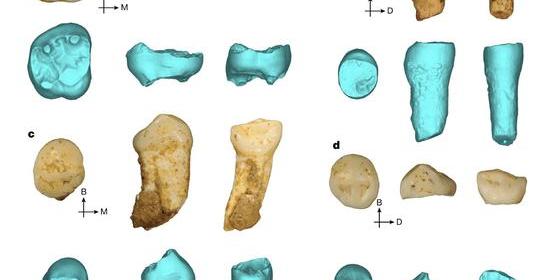
The teeth also display features that are more advanced than those of Homo erectus and more archaic than those of modern humans. The researchers found no clear evidence of Denisovan affinity. The remains are at least 100,800 years old and may represent a lineage distinct from Denisovans that lived in southern China during the same period.
The researchers said the findings are significant because no Denisovan fossils had previously been identified in Lingnan. The region, which lies between the subtropical and tropical zones, has a warm and humid climate, abundant rainfall and rich plant and animal resources — conditions that may have supported the survival of diverse ancient human populations.