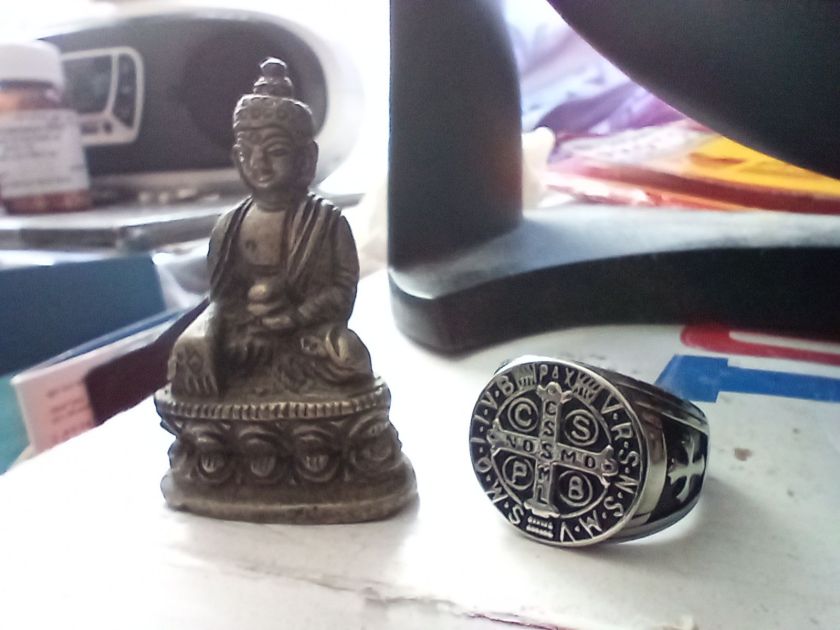
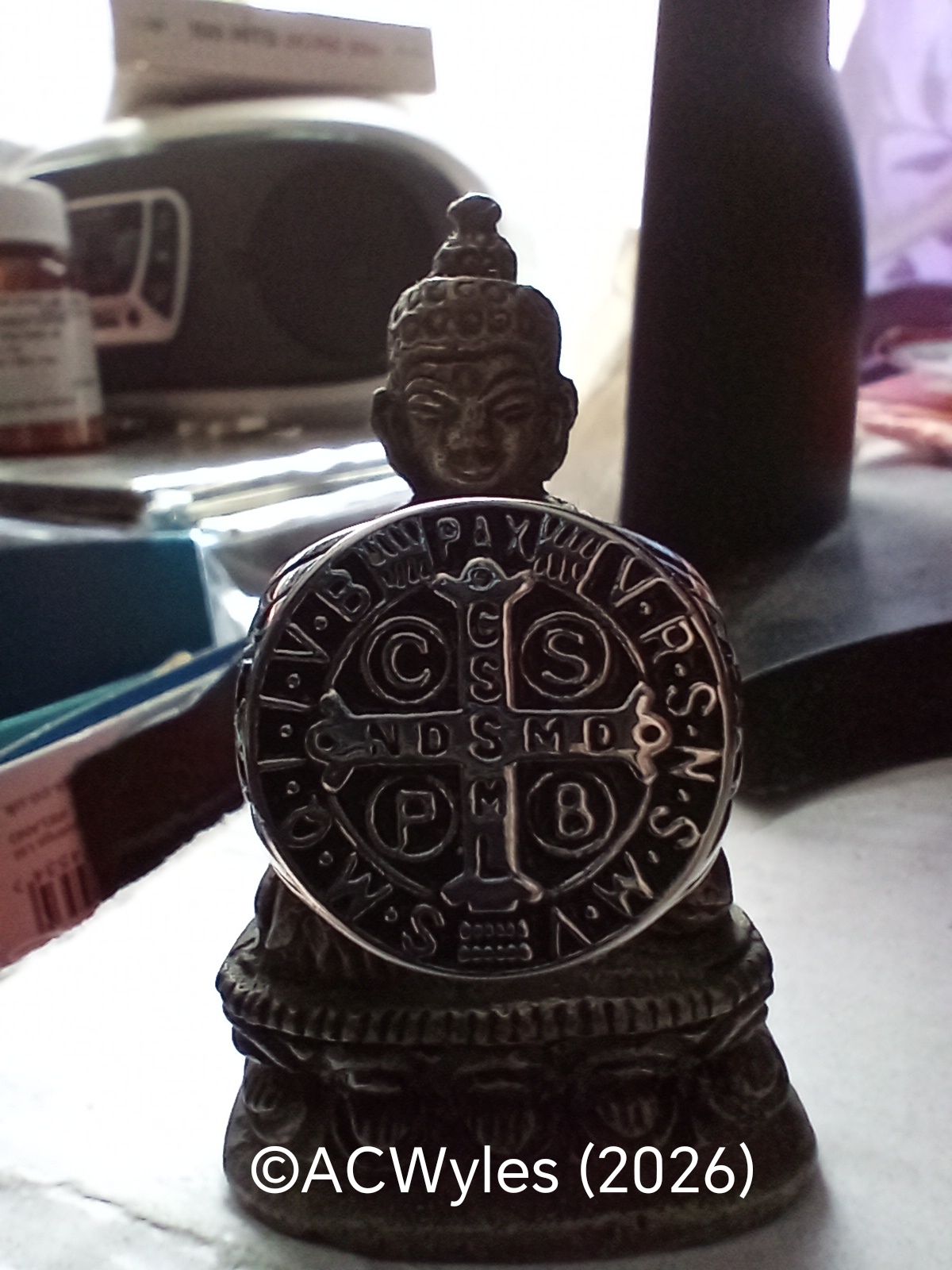
“Above all, this evil practice must be uprooted and removed from the monastery. We mean that without an order from the abbot, no one may presume to give, receive, or retain anything that is their own, nothing at all – not a book, writing tablets, or stylus – in short, not a single item, especially since monks may not have the free disposal even of their own bodies and wills. For their needs, they are to look to the abbot of the monastery, and are not allowed anything which the abbot has not given or permitted. “All things should be the common possession of all”, as it is written, “so that no one” presumes to “call anything his own” (Acts 4:32).
To understand “religion” – I have studied “it” a) objectively – at a distance, and b) hands-on being positioned within various “field-work” settings. As the UK is quite diverse (our Empire seems to have spread far and wide) – I was able to enter a number of different ethnic groups (as a “friend” exercising English tolerance and acceptance). This saved travelling vast distance and alot of money in the early days. In this way I studied high caste (North Indian) Hinduism, Somali, Pakistani, and Bangladeshi Islam, Vietnamese Confucian and folk beliefs (students in the UK from the Socialist Republic of Vietnam), and the Chinese people from Hong Kong, Singapore, and Malaysia, etc. When i was really young – in the early 1970s – I encountered the Vietnamese Boat People, but I was too young to understand that these people collaborated with the Catholic-US occupation f their country. Later, their off-spring almost always sided with Socialist Vietnam. (I used to drink tea with “Sang” once a week – and the Vietnamese group slowly grew to about 6). It was in the 1980s that I left school (where I met a young woman who fled the Revolution in Iran because her privileged family supported the US-inserted Shah). There was also a Polish youth whose family had joined-in the overthrow of the Socialist State in Poland – a Trotskyite movement terming itself “Solidarity”. At college – away from home (I left home at 16) I truly met all kinds of weird and wonderful people – including Black people from London. What I realised was that I had more in common with these people (collectively) than I did with the English ethnicity (my ethnicity). Of course, I intuitively understood I was working-class and oppressed by a hidden hand that was always “pressing-down”.
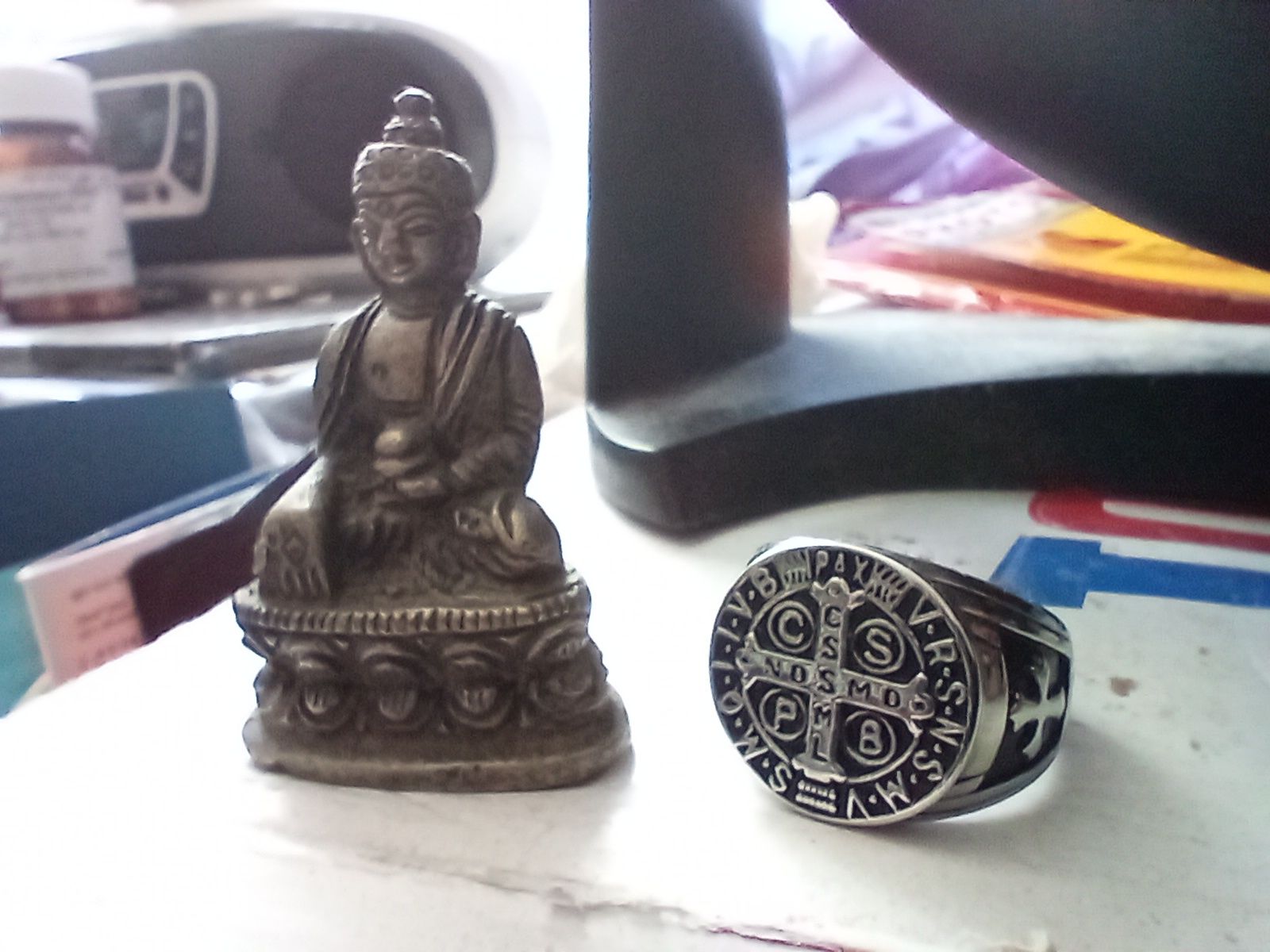
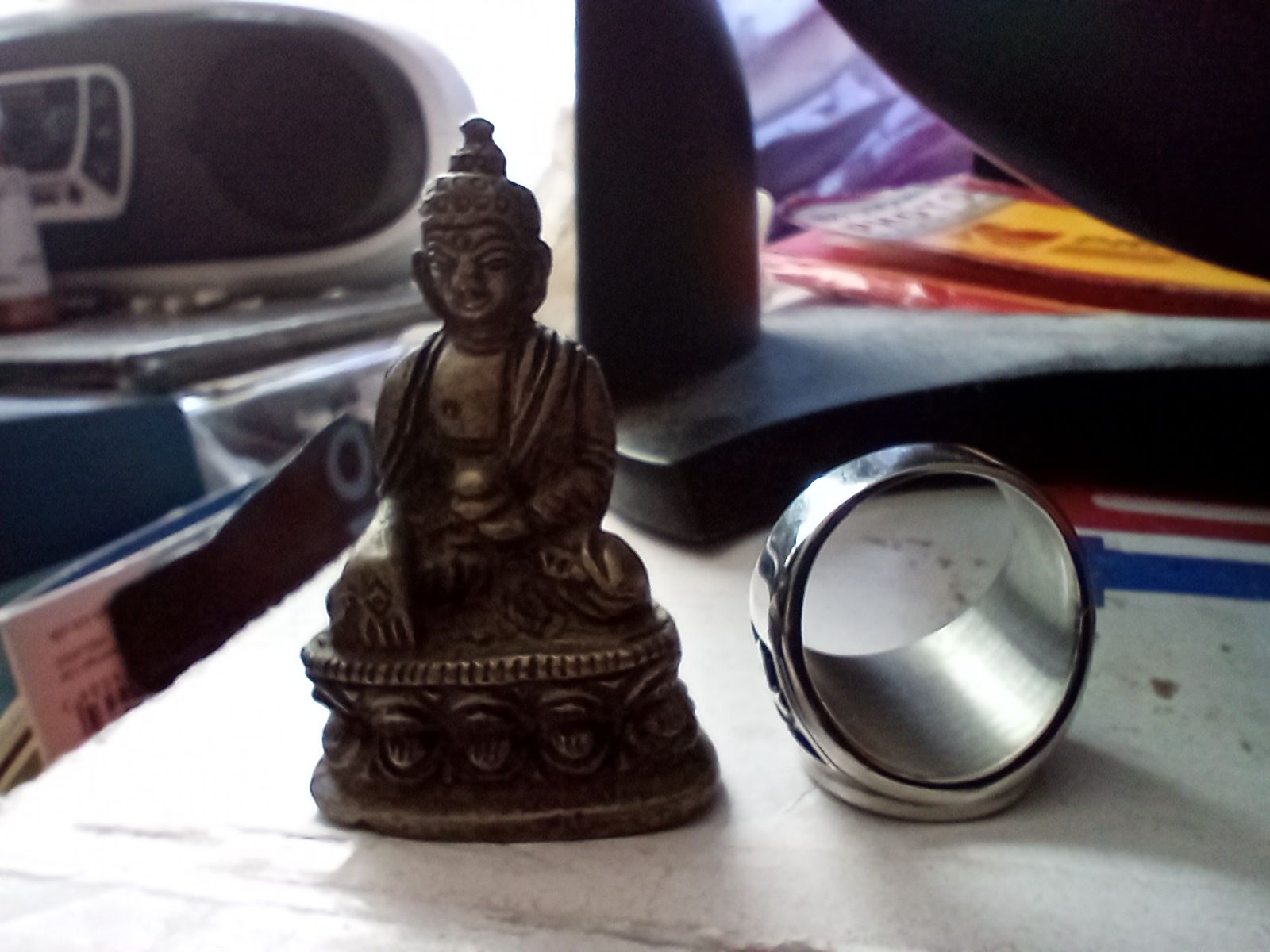
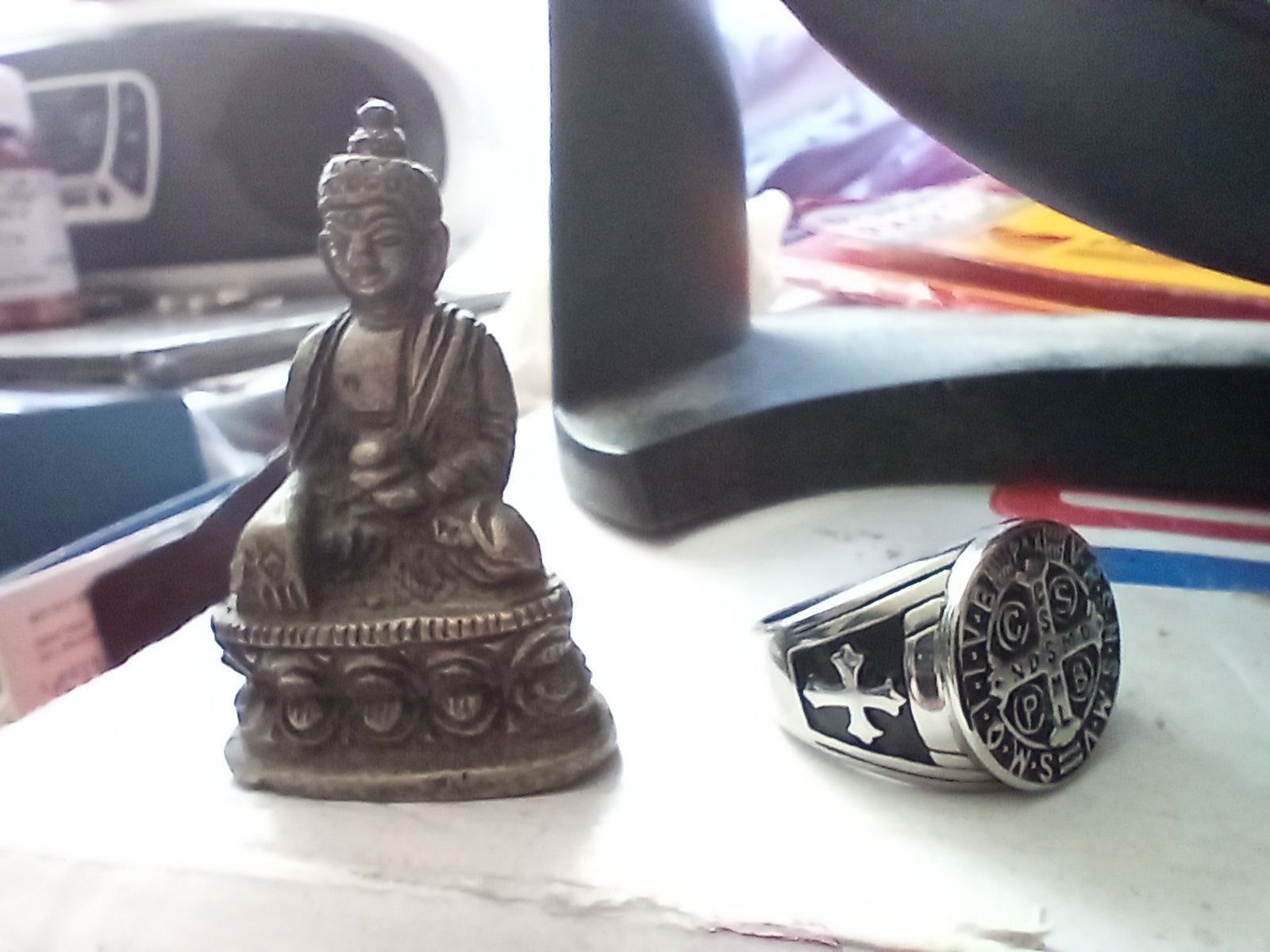
Obviously, all these trends and streams of experience would take hours to explain and contextualise. Due to my family connections I ended-up living within the British Chinese community that had migrated in 1956 to the UK. Now, whilst in Hereford I befriended an Irishman (my family are part Irish) named “Brian Gray” – who was training to be a Catholic Priest. He was fascinated by Buddhism and liked to “spar” with me in gloved-boxing matches (I was a nasty bit of work in my late teens – as I discovered my natural physical strength). He introduced me to a “Father Thomas” the Abbot of the Catholic Hereford Cathedral. He wanted me to go to the Vatican to meet the Pope – and to join the Catholic faith – but of course, this was not my path. I am not attuned to entering these paths that discriminate against non-members for not being members. Also, at that point I was learning about how the Vatican supported fascism before, during, and after WWII. So you can see my predicament. Although I had friendly interactions on the personal level, there were certain political realities that had to be acknowledged and balanced. Anyway, the upshot of all this was that I was introduced to the study of the Rule of St Benedict followed by the monastics of the Catholic Church (and given the ring you can see here – although I am unaware of its significance). This rule is very “communistic” – but modern Catholic commentators attempt all kinds of ideological contortion to prevent the reader from realising this (indeed, this influenced Joseph McCabe to leave the Catholic Order and religion – and become an actual “Communist”). St Benedict, obviously influenced by the Early Christianity – that gave birth to Celtic Christianity – talks clearly about “not possessing private propery”. All property is “collectively owned” and so on. Chapter 33 states:
Whether Monks Ought to Have Anything of Their Own
The vice of personal ownership must by all means be cut out in the monastery by the very root, so that no one may presume to give or receive anything without the command of the Abbot; nor to have anything whatever as his own, neither a book, nor a writing tablet, nor a pen, nor anything else whatsoever, since monks are allowed to have neither their bodies nor their wills in their own power. Everything that is necessary, however, they must look for from the Father of the monastery; and let it not be allowed for anyone to have anything which the Abbot did not give or permit him to have. Let all things be common to all, as it is written. And let no one call or take to himself anything as his own (cf Acts 4:32). But if anyone should be found to indulge this most baneful vice, and, having been admonished once and again, doth not amend, let him be subjected to punishment.
Although I have never been “Baptised” and am not a Christian (I am a Buddhist) I was granted a ring from a Catholic (monastic) colleague which you can see here. I have lived in various Christian monastic communities and simply gone about my duties with a calm mind (I read the Buddhist Dhammapada on a daily basis). This is how religion should be studied. We must be immersed – and yet retain our integrity and independence without causing offense – or standing-out. No insult is meant. As a Communist (Marxist-Leninist) I have the peculiar paradox of acknowledging the pre-eminence of historical materialism – whilst retaining memories of previous lives. I am told that these are imaginations imported into my mind from my environment. Perhaps so – but I remember being a Buddhist (Theravada) monk living in Sumatra – a place I have never been to. We must be honest about the content inhabiting the interior of our minds. Whatever the case, I find that compassion and wisdom tempers the coldness of matter and the natural world. The Buddha, St Benedict and Marx do not fight as they possess no need to do so.

