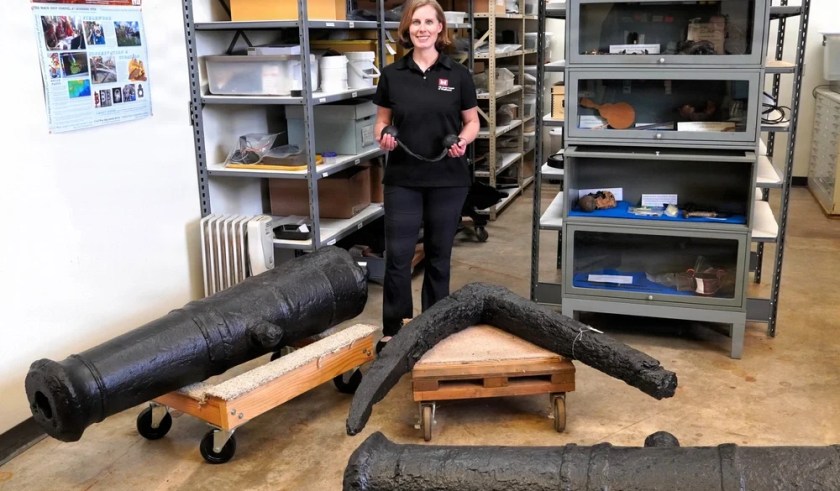
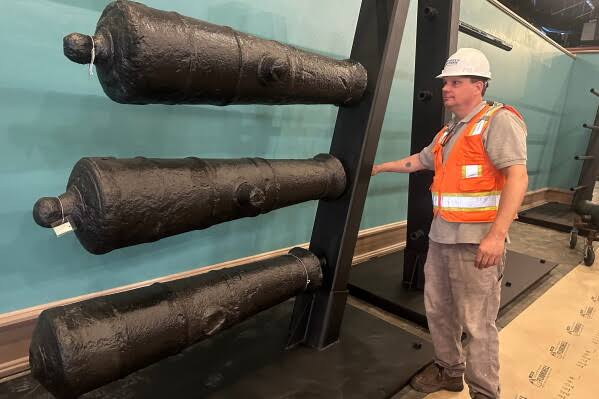
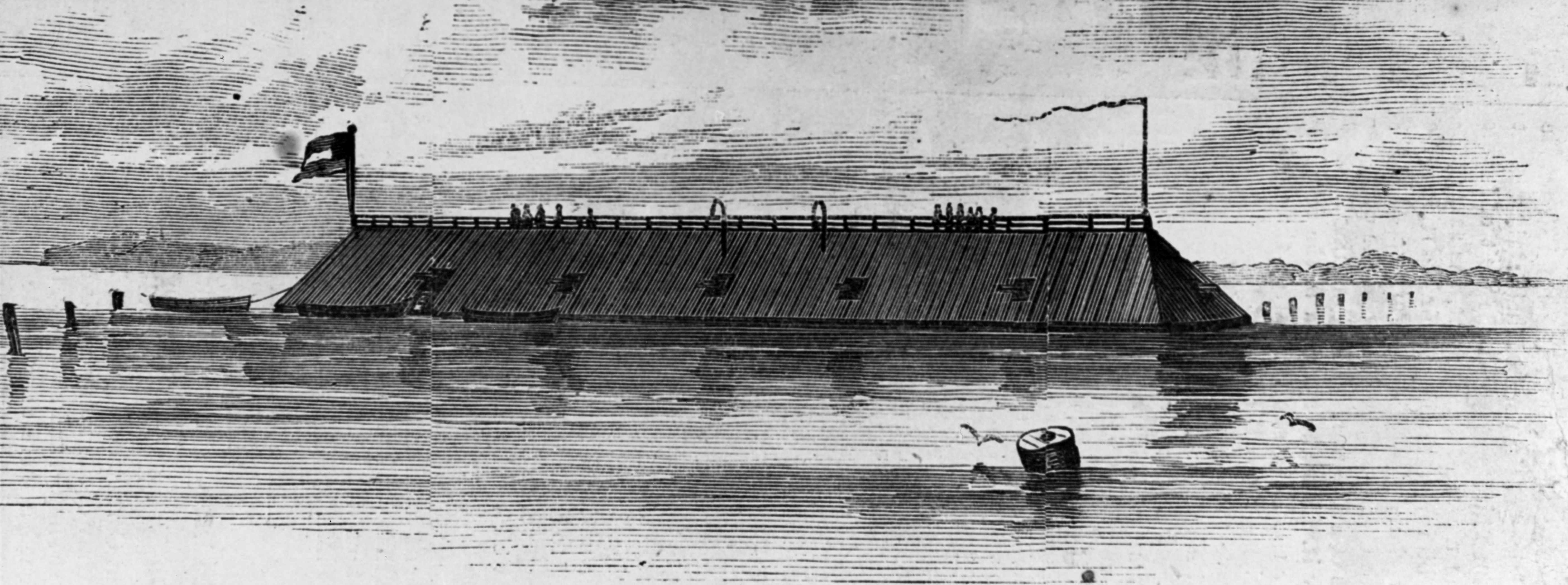
Author’s Note: Our Brave Boys during the Colonial Rebellion of the 1700s exercised their English grit at the Savannah River – and defeated all the forces the ungrateful ex-pats could throw at us! Yes – not one battle was lost at that time – but due to the French agitating in Europe (I am a great fan of Napoleon’s Socialism – and wished the British working-class had supported it) we had to limit our troop-activity in the North American Colonies – performing tactical and strategic wonders – wherever and whenever we had to the chance to do so! The British Army and Royal Navy (how many of their bodies lay unrecorded in American soil?) prevent the bourgeois rebellion from spreading from the periphery of the British Empire back to its centre – in sleepy England. Yes – the American rebels wanted to make money out of slavery – but slavery did not exist (and was not permitted) within England (we are not slaves and will not allow anyone else to be a “slave” on our land). Eventually, the English Parliament extended this banning of Slavery throughout the British Empire in 1807 (as the American Colonies were thriving threw it) – ending all remaining outposts of this vile trade by 1833. Now, I recognise that between the 1600s-1800s that my country of England did participate in Slavery and did enrich our country from the suffering of African men, women, and children. This was taught to me at school as the “Golden Triangle” – which described how Sheffield’s Steel Industry was built entirely upon this disgusting trade in human flesh. We are not innocent – but I am glad we saw sense before the American rebels did – they thought Slavery was a “right” and that they possessed every right to do it. For this, I am grateful for English Christians who led the way in this great moral battle. The same Christians also fought to build a Socialist “Labour Party” to assist the working-class. No impoverished English workers, who lived in abject poverty themselves, ever owned a slave in England. Whilst the English Authorities were freeing slaves in North America if they joined the British Army – the American Rebels were busy enslaving and subjugating Black people from Africa! Today, the fascist Americans have re-discovered our English cannons and I believe we should petition to get them back. Bring these cannons back to England under full military honours! Thank you to the British men who fought and died protecting our freedoms! This was not a “Revolution” – which suggests one class usurped another and assumed political power. No – the legitimate bourgeois class was disrupted laterally by the colonial bourgeoisie – which decided it would rebel against its lawful source in England. The bourgeois started the war – and the a different branch of the bourgeoisie finished the war – with no change of class taking place – hence “no Revolution” took place. For a true Revolution to have taken-place – the proletariat or aristocracy should have seized power – but this did not happen. Like everything else in US discourse, anti-intellectualism holds sway and reality is distorted to serve an unrealistic grasp (and interpretation) of material reality. Deliberately perceivng things the “wrong way around” is a mark of US cultural reality. Give us our cannons back! Respect to the ironclad – CSS Georgia – of the Confederate Navy! ACW (9.11.2026)
Crews deepening the Savannah River kept pulling up cannons.
By 2022 they had 19, sunk nearly 250 years ago during the Revolutionary War
FUTURA History – November 8, 2026
A routine harbor-deepening project in 2021 turned into a major historic find when a dredge scooping the Savannah River bed pulled up a rusted cannon in its jaws. Crews widening the channel quickly raised two more guns in the next scoop, eventually recovering 19 heavy iron weapons by March 2022. The U.S. Army Corps of Engineers later brought up two more from the riverbed, bringing the final tally to 21 Revolutionary War cannons.
Archaeologists initially thought the guns belonged to the CSS Georgia, a Civil War ironclad raised nearby. Physical measurements quickly ruled that out, dating the artillery a full century earlier than the ironclad. Radiocarbon testing on wooden stoppers plugging the barrels confirmed the weapons dated to the late 1700s. Conservation work later revealed that 14 of the restored cannons were still loaded, with their original gunpowder cartridges preserved inside the barrels.
The Blockade at Five Fathom Hole
Historical analysis ruled out another candidate, the British warship HMS Rose, which sank farther upstream and carried a different class of guns. Rather than coming from a lost warship, the guns formed part of an underwater blockade built during the American Revolution. British forces captured Savannah in late 1778, but by September 1779, a joint French and American fleet arrived off the coast to lay siege to the city.
To block the river channel, British commanders scuttled at least six of their own ships at Five Fathom Hole, a deep basin near Old Fort Jackson. Historical accounts indicate that one armed vessel, the HMS Savannah, sank so fast that crews left its complete battery and supplies aboard. The tactic worked, forcing allied troops into a costly land assault that cost over 800 casualties and left Britain in control of Savannah until 1782.
Restoring 250 Year Old Weapons
While two encrusted cannons went on display at the Savannah History Museum in 2021, the remaining guns underwent intensive conservation. Specialists at Texas A&M University spent three years soaking the iron barrels in chemical baths to extract salts and strip away centuries of river crust.
The restored weapons returned to Georgia on June 3, 2026. One month later, the Coastal Heritage Society unveiled the collection in an exhibit titled “Loyalists & Liberty: Savannah in the American Revolution.” Timed for the 250th anniversary of American independence, the exhibition housed the artifacts inside a museum built directly on the historical battlefield.
Identifying the Sunken Fleet
Despite the historic connection to the 1779 siege, researchers emphasize that linking the cannons to a single ship is still just a theory. Experts note that the 21 guns may represent armaments from several scuttled vessels. Some recovered pieces show design features typical of mid-18th century French foundries, suggesting a mixed origin among the blockading fleet.
The wooden stoppers established clear dates, yet they cannot identify specific ship hulls on their own. Historians continue searching British naval archives for official logbooks and cargo manifests while scanning the iron barrels for maker’s marks. Until clear stampings or structural wreckage emerge, the collection stands as a record of the brutal naval tactics that defined the southern campaign.
Sources: U.S. Army Corps of Engineers, Savannah District; Smithsonian Magazine (June 2026); The Atlanta Journal-Constitution (June 2026); Associated Press reporting (2022).

