Blogger’s Note: I present a pro-Trans statement – and a statement from the BBC. My view is that nobody benefited from the 2010 Equality Act for at least 5-6 years after it was passed (it was passed by Prime Minister Gordon Brown as the UK media was attacking him for “being a Communist” when he brought-in a free bus pass for the elderly and disabled) – until the far-right Tory and LibDems Coalition was ousted from power. That terrible government killed around 120,000+ people with disabilities by the sudden cut of benefits, social services, medical services, and legal help, etc. When the UN investigated these claims – which were presented by the Tory-LibDems as “leftwing propaganda” – the UN confirmed that these policies had caused tremendous damage to the disabled community. The UK government rejected this finding and carried-on regardless. Disabled people today are still suffering from this fascistic attack in the UK – and still lack the civil rights once promised them by the Blair Labour Party (Blair reneged on this promise once in power – and instead ordered the police to beat disabled protestors. Although the disabled are the most disempowered group in the UK (and the capitalist West) – disabled groups by and large demonstrate solidarity with all oppressed and disempowered groups. However, I do not see the same sense of solidarity exercised with the disabled by these groups the disabled support. I am proud to walk, sit, or otherwise support disabled people – whether they be born disabled, or made disabled through illness, injury, or warfare, etc. I do not care – I will a) stand with you, and b) stand between you and your enemies. Now, those who know me (and Gee) – might know that we once attended a Gay Pride March in London (2015). As straight people we could not purchase tickets and were more or less excluded from participating. However, we decided to just turn-up at the UNITE double-decker bus (I was a member of that union at the time) – and see if we could blag our way through – and blag we did. If we had not taken direct action – Gee is very gay-friendly and the crowd took to her – we would not have been able to attend. I think the fact we are mixed-race couple acted as camouflaged for our presence (everyone thought someone had okayed it previously). As a straight couple – we were not permitted on the bus by the lesbians who occupied and controlled it. At one point, I was kissed by a gay Asian man – which was not traumatising to me at all. He asked Gee’s permission first. Later, as a straight, mixed couple, with mixed kids, the gay and trans people that sat in and around London landmarks with us – looked at us with such love that I cannot deny the experience. I am not telling you how to think – indeed – I would advise thinking for yourself by reading all the evidence and weighing things-up. As workers living in a capitalist society – we are already oppressed. Granting (or withholding) access to toilets will not change that – even if it might be seen as “progressive” and a “movement in the right direction”. A genuine Red Army soldier fights to defeat capitalism and fascism for ALL people – not just those the bourgeoise establishment decide are acceptable or persona non grata. ACW (5.8.2026)
- Trans+ Solidarity Alliance – 5.8.2026
Today (August 5th 2026) the Equality and Human Rights Commission’s (EHRC) Code of Practice for Services, Public Functions and Associations officially comes into effect.
This means that going forward, Courts and Tribunals are directed to take the Code into consideration wherever they think it is relevant to deciding discrimination cases. It will be widely relied upon by organisations to ensure they follow the law.
Today marks a massive step backwards. We now have Government-sanctioned guidance that places us totally out of step with how liberal democracies across the world approach upholding the equality and human rights of trans people, and which has been cautioned against by international human rights experts for months.
The Code covers all aspects of the Equality Act 2010 across its nine protected characteristics, including gender reassignment (which covers trans people) and sex. It explains how the law works when organisations are providing services, for public bodies, and for associations of more than 25 people.
How it says that trans people should be treated has changed drastically from the previous version of the Code published in 2011, largely as a result of the Supreme Court ruling in April 2025 that “sex” in the Equality Act means “sex at birth”. Previously, the Code said that in single-sex or separate-sex services, trans people should generally be included in line with our gender identity, and that treating us less favourably or excluding us should only be done where this was a proportionate means of achieving a legitimate aim.
Now, it says that:
- single or separate-sex services must be provided on the basis of “sex at birth”, and cannot include trans people in line with our gender identity
- trans people can also be excluded from single or separate-sex services in line with our “sex at birth” where we might cause “discomfort or distress” to others
- services that operate a policy where they are only open to e.g. cis and trans women, or cis and trans men, are very likely to be unlawful
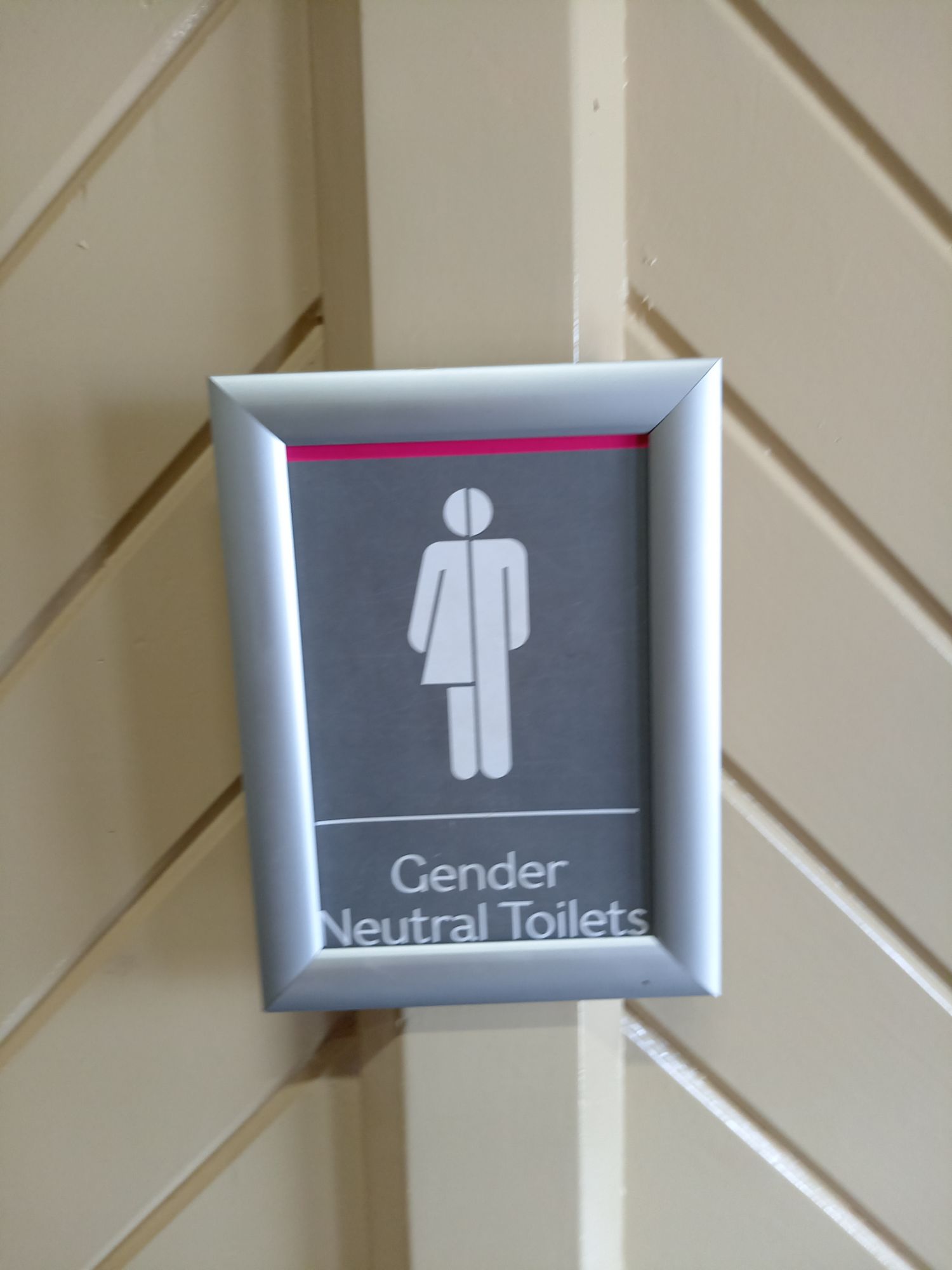
- trans people can’t be left with no services at all where they are necessary (although the only example given is toilets), but generally recommends that we are segregated into third spaces and services away from others
If services across Britain all operate in this way going forward, it will cause serious and significant harm to trans people. We will not be able to access safe, appropriate services that reflect the reality of our lives and that meet our needs. This is indeed how we used to be treated, before a series of legal decisions throughout the 90s and 00s found that doing so caused us to face discrimination and breaches of our human rights.
Many people believe that the EHRC has got the law wrong in the Code, and that it is still possible for services who wish to include trans people in line with who we truly are – of which there remain very many – to do so. If that’s the case, the Code should be urgently corrected.
However, if this Code is what the law truly requires, we believe the law must urgently be changed. It is completely untenable to have a legal framework that says that trans people can never use services, or more widely participate in public life, in line with who we truly are. It doesn’t make sense, is unjust, and will make many trans people’s lives very much worse.
Whether the problem is the Code, or the problem is the law – something must be done. The Supreme Court ruling has turned the clock back nearly 30 years on legal protections for trans people. And it has turned on its head the UK Parliaments intentions when it passed both the Equality Act 2010, and the Gender Recognition Act 2004.
—
What’s next
Mass Lobby
The Government wants this issue to go away. Now is the time to show them, we’re not going anywhere. Join us for the Mass Lobby for Trans Equality on 9th September, 1-5pm. Parliament is just coming back from recess and it is a vital moment to meet your MP, look them in the eye and demand action. Sign up to take part now.
Monitoring
If you’re experiencing problems using the spaces and services you need, or finding that groups, clubs or associations you’re part of are changing their rules to exclude trans people, we want to hear about it. We will not stop making the case, in public or in private, that what is happening is wrong. And the more we can show people exactly what the impacts are, the more persuasive we can be.
Please use our friends TransActual’s simple monitoring form: https://transactual.org.uk/equality-act-campaign/gendered-space-tracker/
Need support?
We know that lots of people will be feeling worried and anxious about the direction in which things are heading. If you need to reach out and talk to someone, please do – there are lots of organisations that want to support you.
- LGBTQ+ Helpline (email, webchat and phone support. Open Tuesday, Wednesday and Thursday 12-9pm, and Sunday 1-6pm): https://lgbthealth.org.uk/service/helpline/
- LGBT+ Switchboard (email, webchat and phone support. Open 10am-10pm, 7 days a week): https://switchboard.lgbt/
- MindLine Trans+ (open Friday evenings, 8-11pm): https://www.mindinsomerset.org.uk/our-services/adult-one-to-one-support/mindline-trans/
New Guidance on Single-Sex Spaces Comes into Force
Alison Holt, Social affairs editorand – James Melley,Senior Social Affairs Producer 5.8.2026
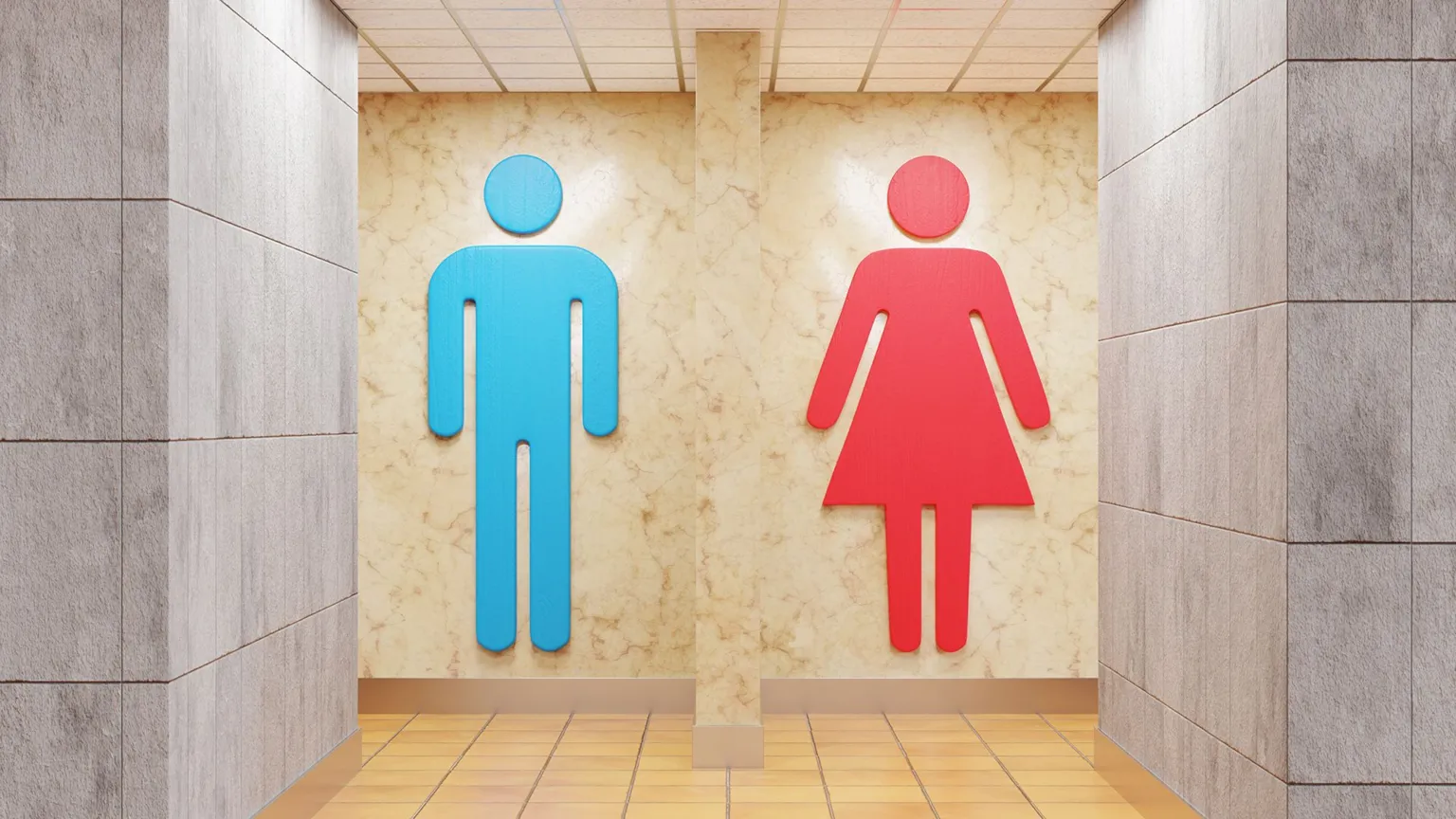
Single-sex spaces open to the public, such as toilets and changing rooms, should be organised based on biological sex, according to official guidance that has come into force.
The code, published by Equality and Human Rights Commission (EHRC), says trans people should use either gender-neutral facilities or the ones that match their biological sex, in places such as gym changing rooms or rape crisis centres.
The guidance was published in June but is now in place in England, Wales and Scotland – despite opposition among some MPs.
It comes 16 months after the UK Supreme Court ruled “sex” in equality law means “biological sex” rather than the gender someone identifies as.
Trans-rights campaigners have called the guidance unworkable, but groups that campaign for sex-based rights welcome the clarity it brings.
The guidance from the EHRC, the equality watchdog for England, Scotland and Wales, provides practical advice for services, public bodies and associations on how they should interpret the 2010 Equality Act.
It applies to organisations as diverse as cafes, leisure centres, public toilets, domestic violence shelters, bowls clubs and many more.
The code says where it is proportionate for facilities, such as public toilets and changing rooms, or services like a rape crisis centre, to be single sex then only those of the same biological sex should use them.
This means, for instance, a trans woman, a person born a biological male who identifies as a woman, should not use women-only facilities. And a trans man should not use men only facilities.
But the code also says it could amount to discrimination against a transgender person if they were forced to use services related to their biological sex. It says gender-neutral spaces are an alternative.
The Equality Act provides protections for people on the grounds of both biological sex and gender reassignment.
Transgender people argue they should be able to use services that align with the way they identify and live their life, rather than their biological sex.
In response, campaigners including some women’s and gay rights groups say this undermines sex-based protections, particularly for women.
It is the tension between these two sets of rights that led to both the Supreme Court ruling in April 2025 and the publication of this updated guidance.
It suggests legal action on how the code is put into practice is likely. Both from trans-rights groups who think the guidance itself is wrong and from sex-based rights groups who will want to challenge any organisations who they believe are not following the code.
What does trans mean and why is there a debate about transgender people’s rights?
The draft EHRC code was sent to Bridget Phillipson, the equalities minister, to approve in September 2025.
An amendment was made in June this year. Once it was approved, MPs and members of the House of Lords had the opportunity to vote for a debate on the code, but despite 167 MPs signing a motion calling for the draft guidelines to be scrapped it was not debated.
Many organisations have already made changes they say comply with the law and are in line with the code, such as the Women’s Institute and Girl Guiding, which had already said membership was for females.
But the deputy leader of Lambeth Council in London says the authority may refuse to implement the guidance, if advised it’s lawful to do so.
Green Party Councillor Natalie Kane told the Today programme: “For us it’s about people accessing services, and we’re worried people won’t feel they can”.
But the chair of the EHRC, Dr Mary Ann Stephenson, says: “You can’t ignore the guidance any more than you can ignore the law”.
She says the Equality Act already has safeguards in place, adding: “trans people are protected against discrimination and harassment, and they shouldn’t be left in a position where there aren’t services for them”.
Trans-rights activists have strongly opposed the code, saying it made trans people’s lives more difficult.
Alexandra Parmar-Yee, director at Trans+ Solidarity Alliance, said: “Trans people will be shut out of the services they need, made to feel unwelcome and unsafe in public spaces. Our lives will feel smaller and more precarious.”
However, gender critical campaign groups argue the code is important in helping organisations comply with the law.
Maya Forstater, of sex-based rights charity Sex Matters, said: “The law is clear and the code is practical, giving many examples that apply to everyday services.”
Northern Ireland relies on different equality legislation and is currently considering the impact the Supreme Court ruling has on it.

