
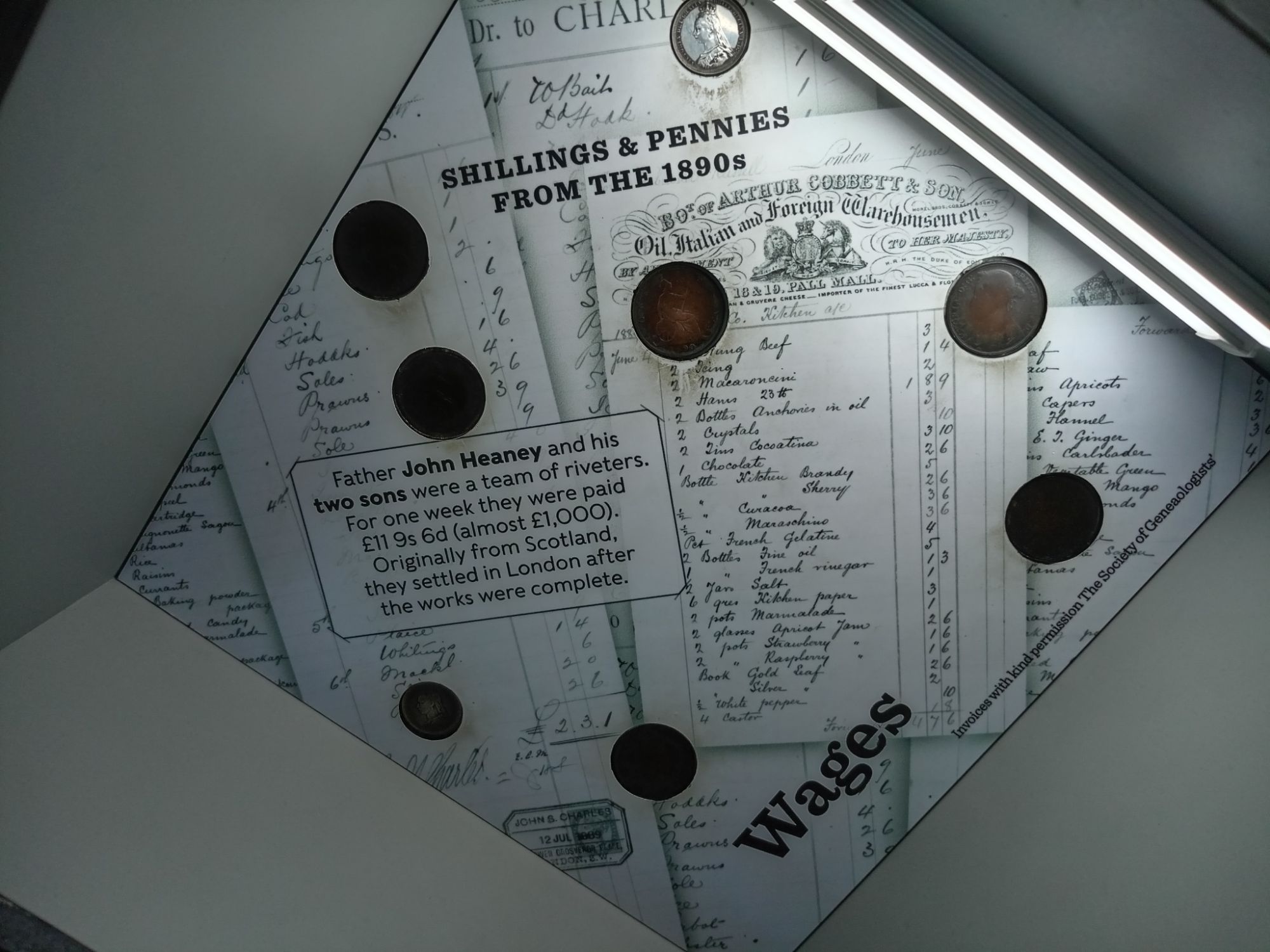
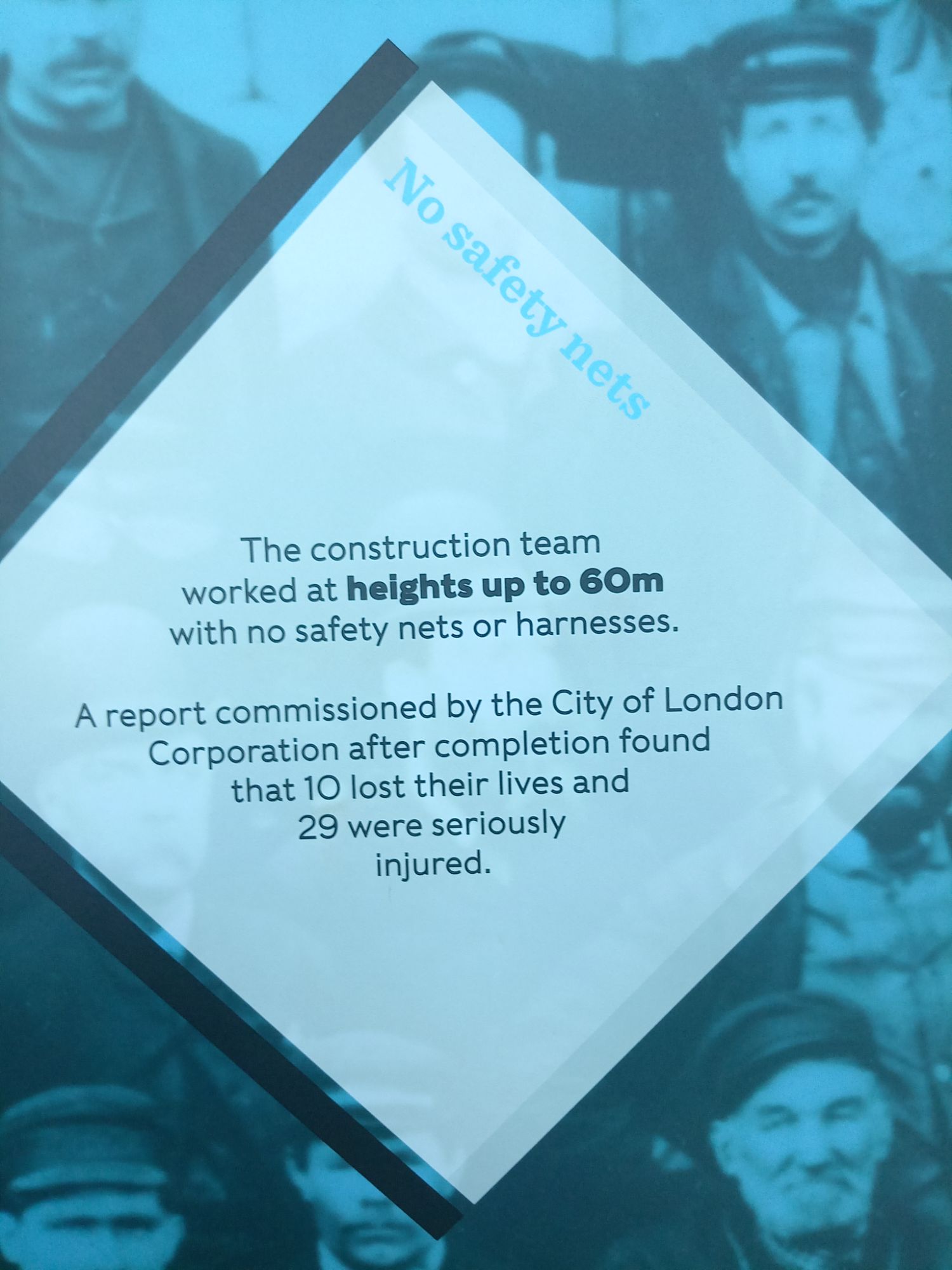
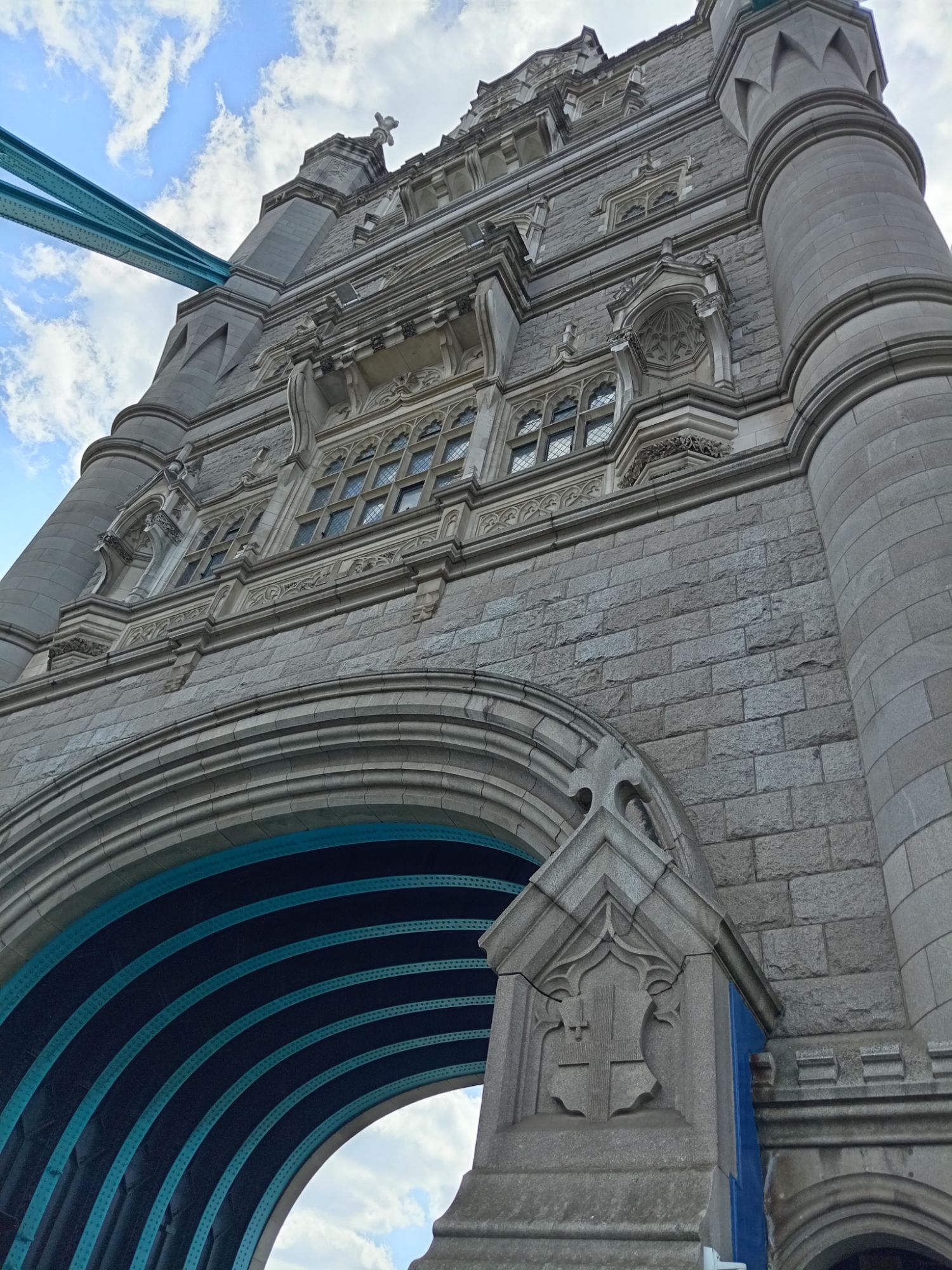
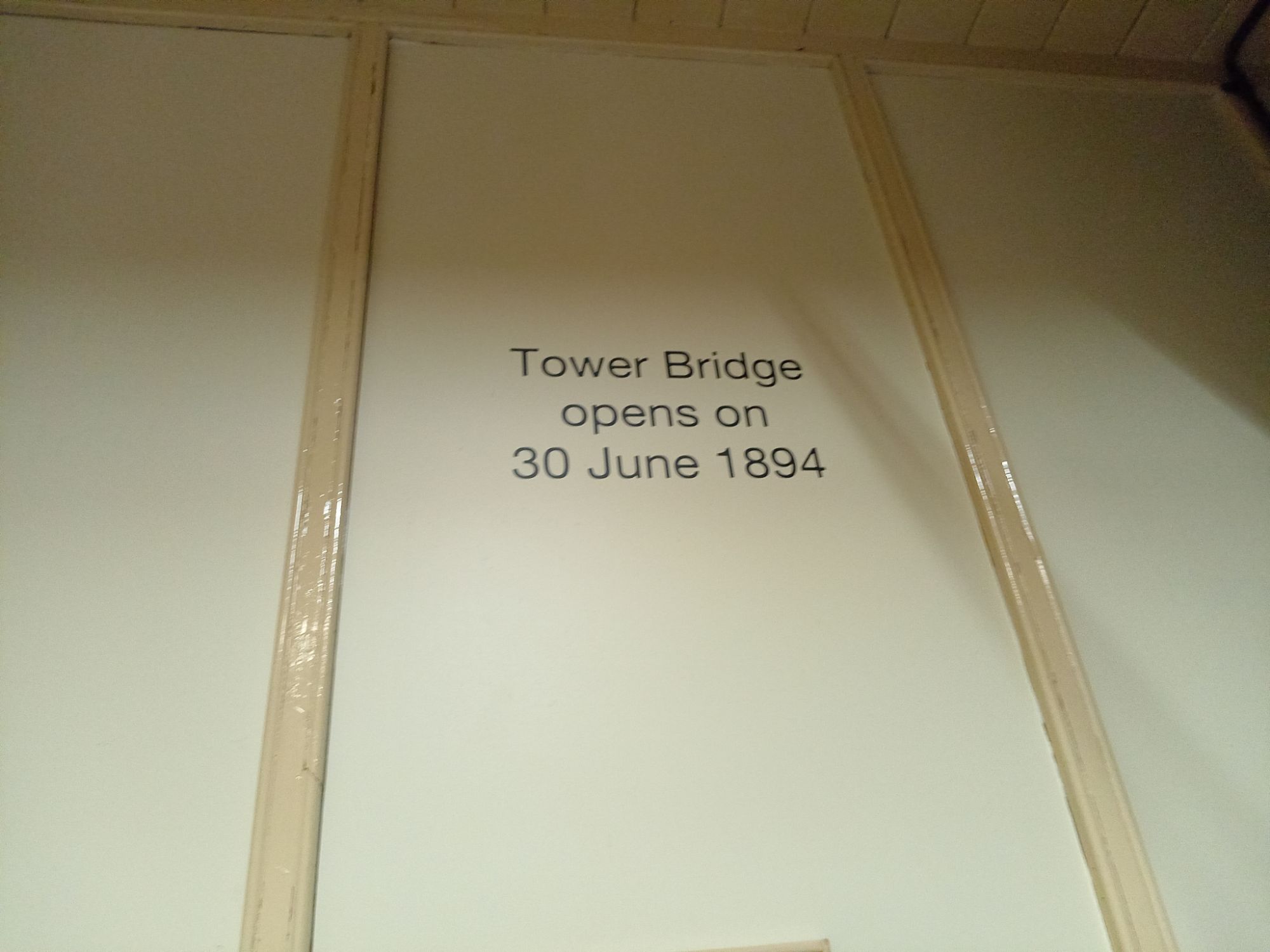
As gee had a week-off work (as a NHS Midwife) – and given my academic work hours are flexible – we decided that we would pursue a week of rest, relaxation (the children are off school on their Summer Holidays in the UK) – and the exploration of interesting land-marks and places of historical interest (we even saw a giant sun-dial). Therefore, Thursday, July 31st, 2026, was the day set for visiting “Tower Bridge”. Gee was born in London – and I’ve been living here since around 1994 – and yet neither of us has ever visited this place, or been invited by anyone who was going. This is odd, as we are a family of ardent explorers of all things historical. I think I did not realise Tower Bridge is open to the public – but even so – I once knew many people in and around London – and yet no one mentioned Tower Bridge. I almost doubted it was a historical monument – but monument it is (built – or at least “opened” – in 1896). Although we all keep-fit – the stairs were arduous – but we were told that there are lifts for the elderly, disabled, or injured, etc (which we did not use – or even see). We made it in the humidity – but there were some very good air-conditioning units in operation. At the time this bridge was designed and built – the most progressive ideas were considered and the initial engineers and workers were paid ridiculous (life-changing) amounts of money!

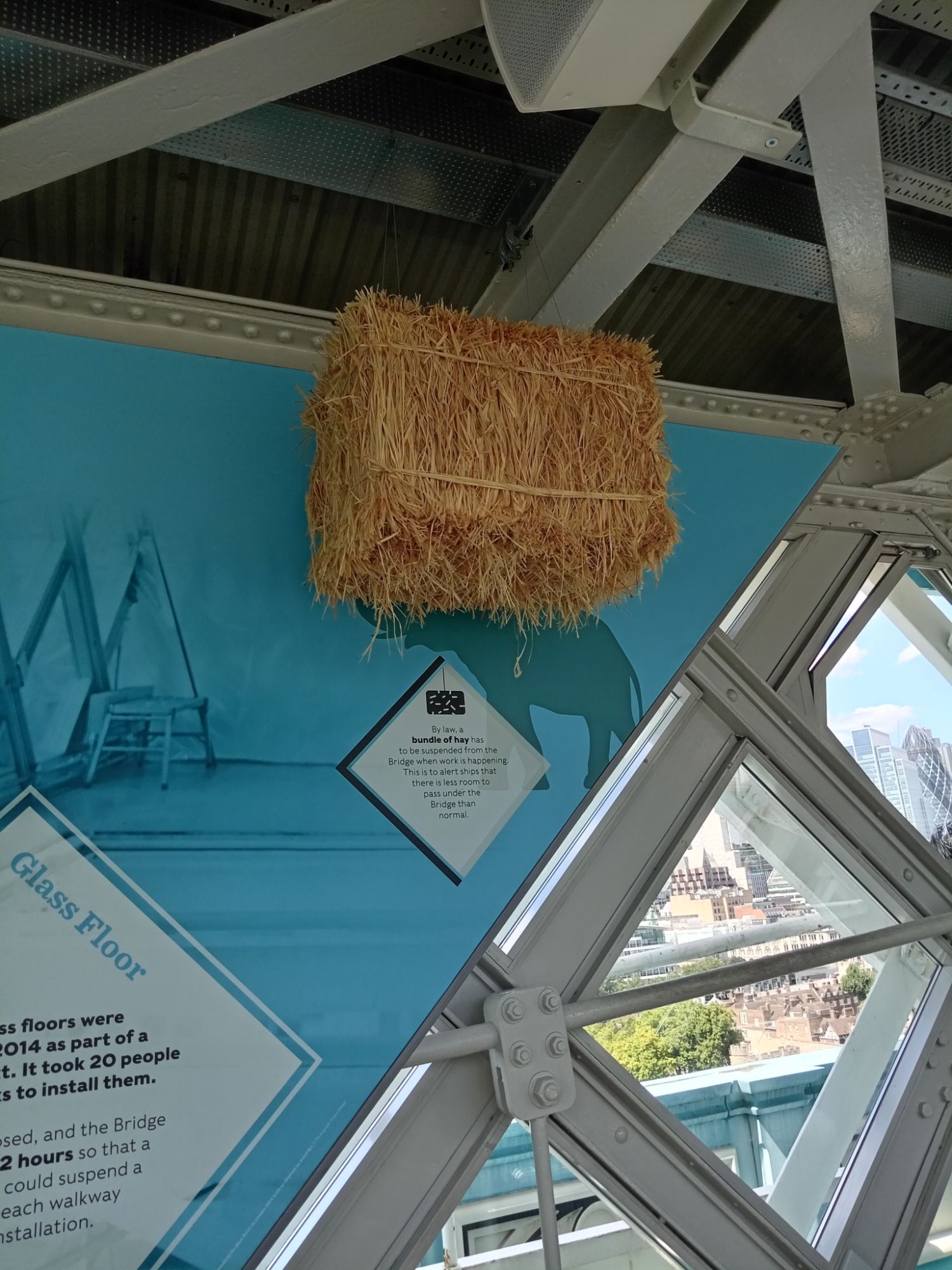
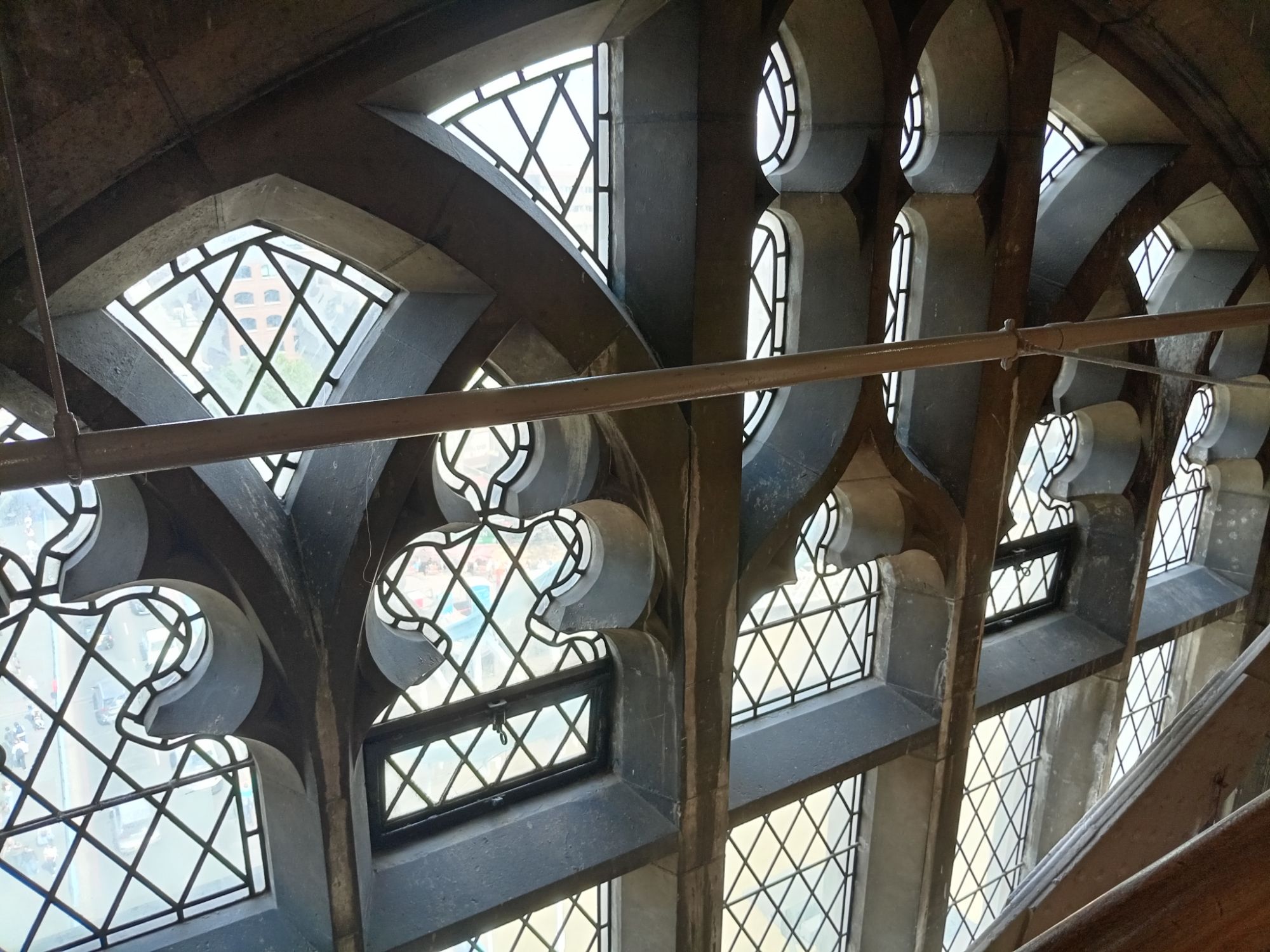
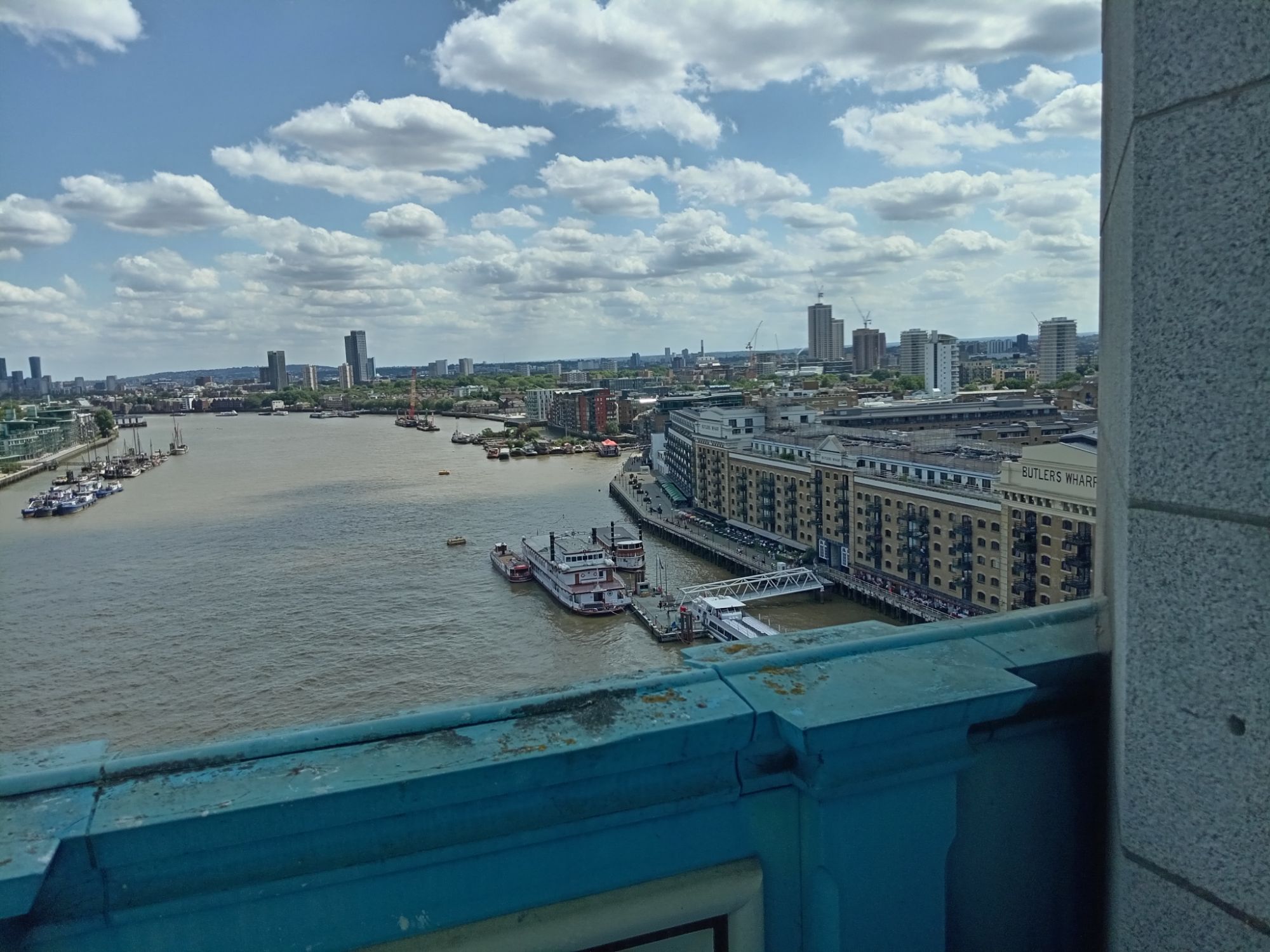
Of course, the bridge was never designed to be a tourist attraction per se – but it certainly is today – replete with a glass-floor on each of the two towers. Climbing the 209-steps-up essentially culminates in the traversing between the two towers – “North” and the “South” (via the East and West Walkways – that link the two towers together) – which are 213-feet above the water of the River Thames. We walked up the stairs of the North Tower, travelled through the East Walkway to the South Tower – turned around and came back to the North Tower via the West Walkway (with the exit being closed). We then had to turn around again – and go to the South Tower via the West Walkway – and descended the building via the South Tower steps. Along the side of the Walls are arranged historical write-ups about this or that fact. For instance, a “bail of hay” has to hung beneath the arms of the bridge when these arms are not in operation and/or receiving repair. This ancient tradition warns ships and boats about the available “height” under the bridge:

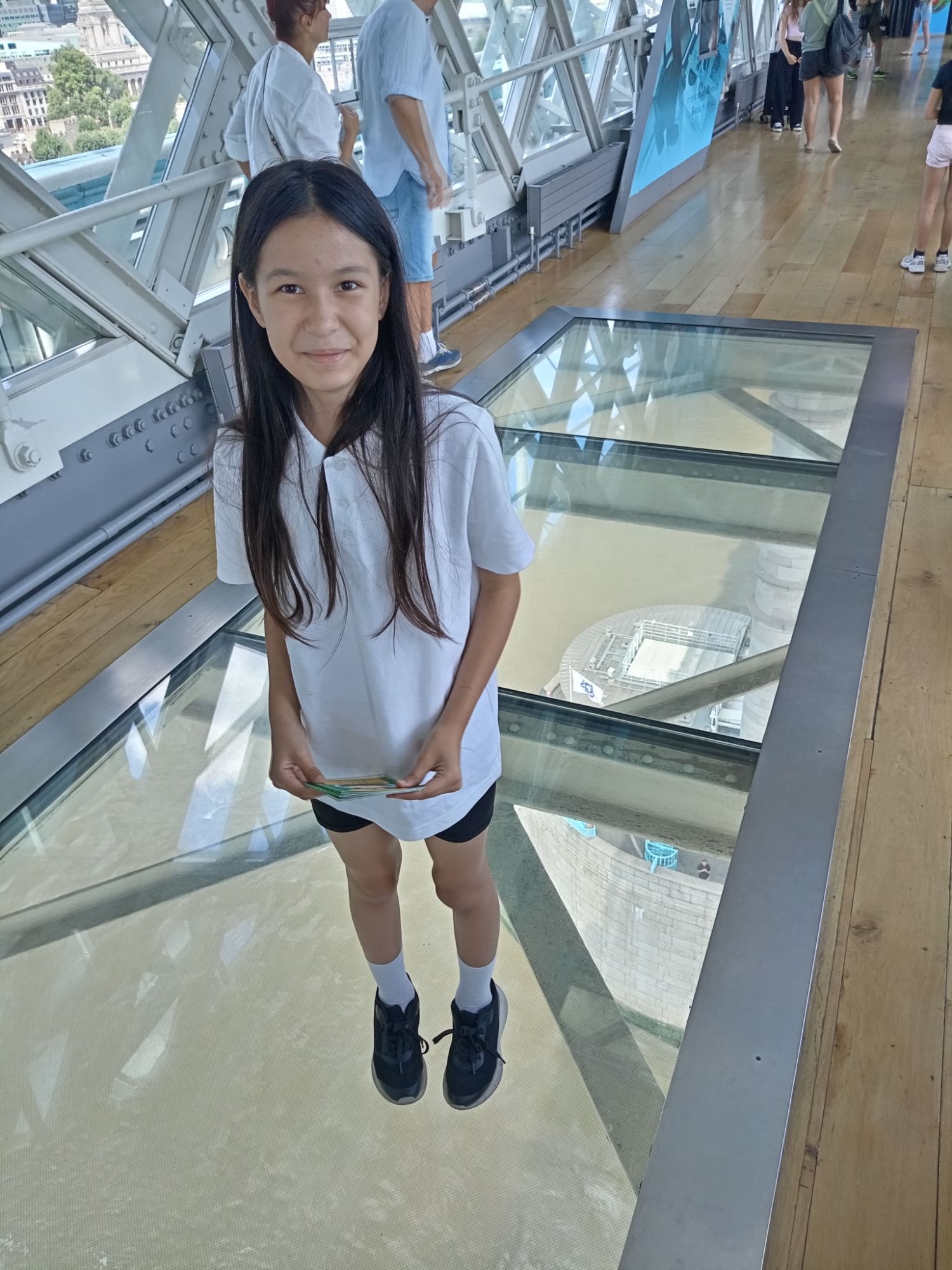
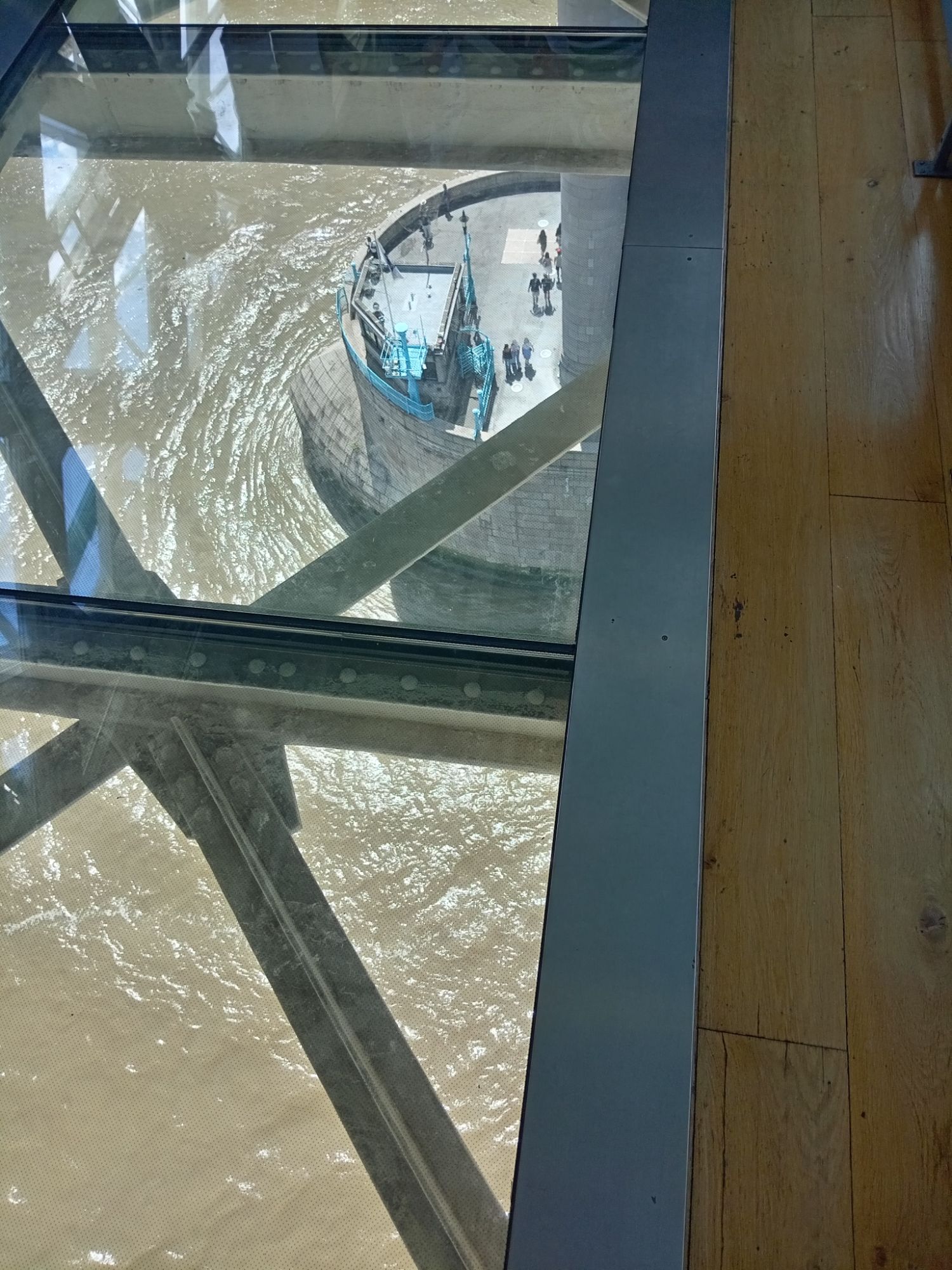
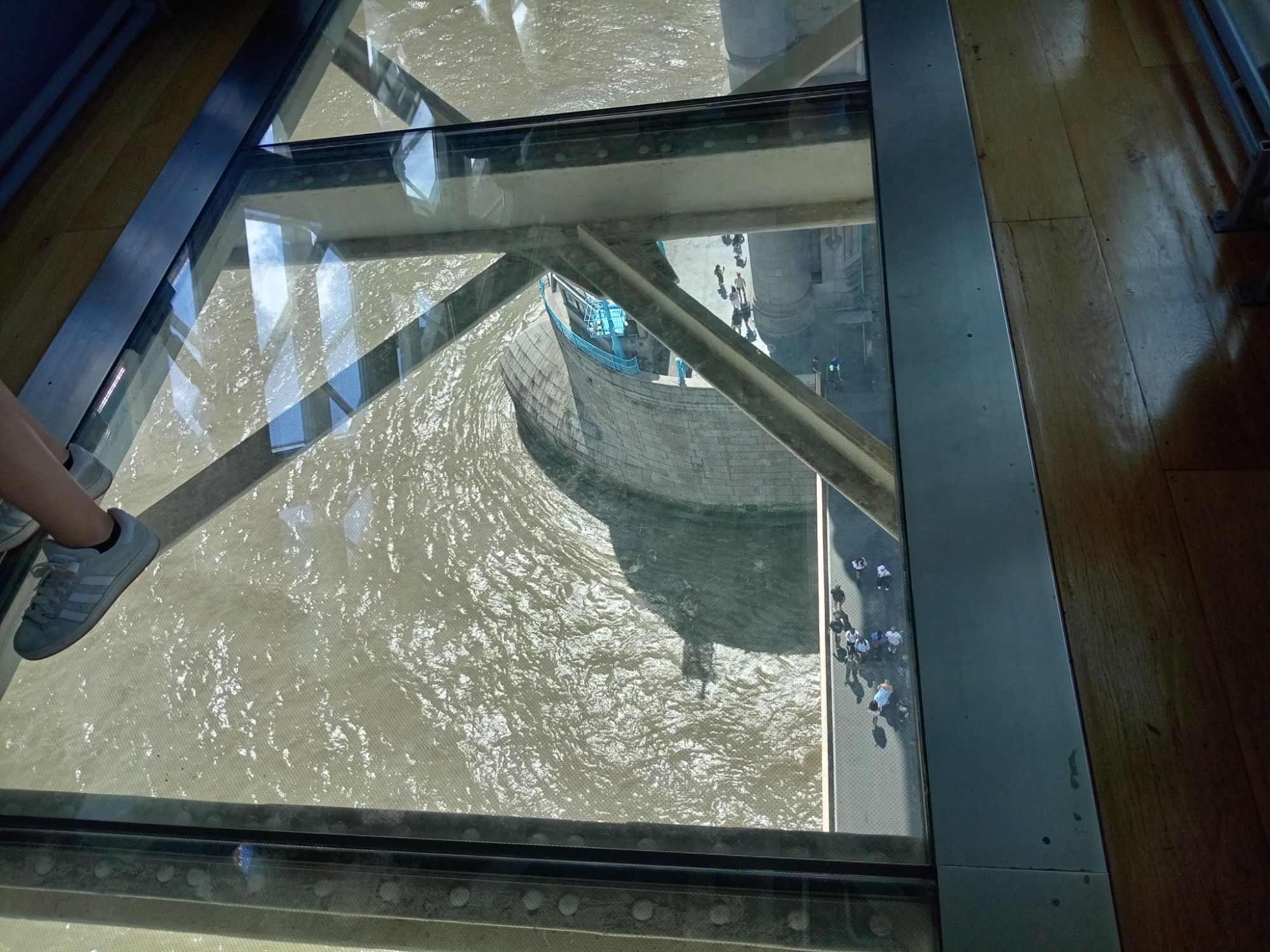
The sections of glass-flooring terrified most people (they were added to the East and West Walkways in late 2014) – but in reality – iron-girders are criss-crossed beneath so even if the thick glass broke (there is a member of staff on duty round the clock for security and safety reasons) – it is unlikely that anyone would actually fall. This is not the smart-glass that pretends to “crack” as is seen in a number of other attractions – I even “meditated” in it and near it. These two Walkways connect the North and South Towers and traverse over the parts of the bridge below – that swing open:

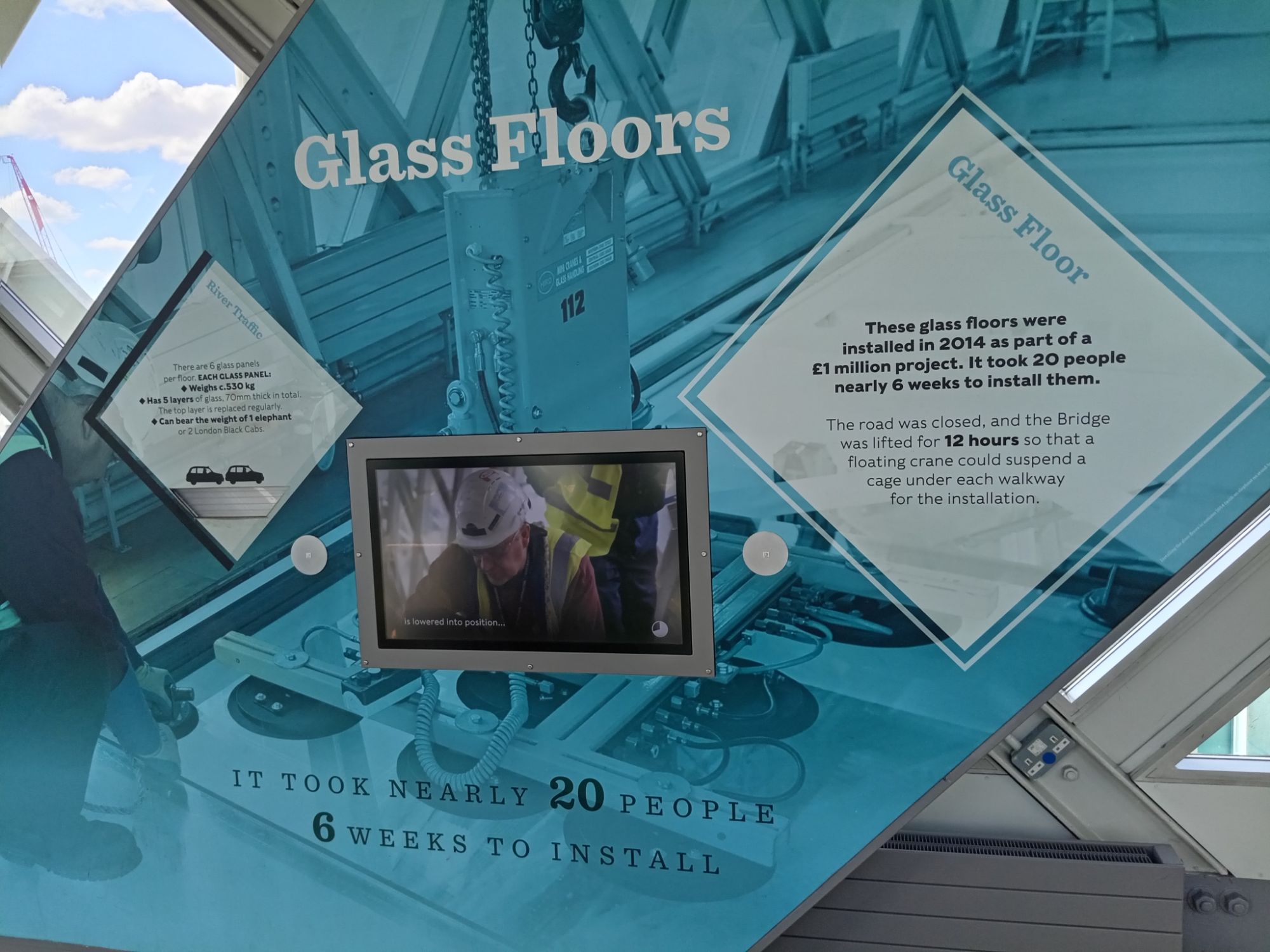
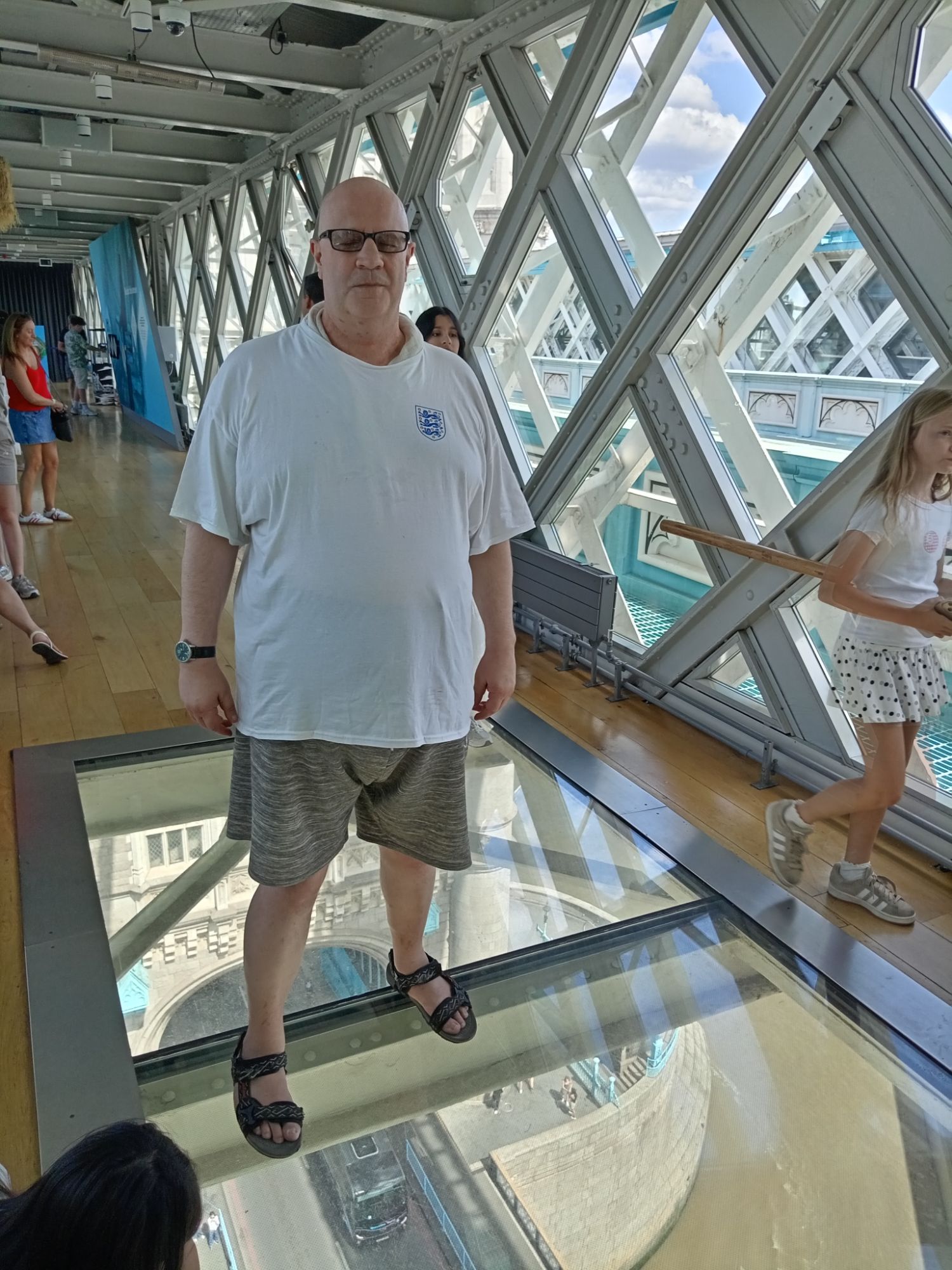
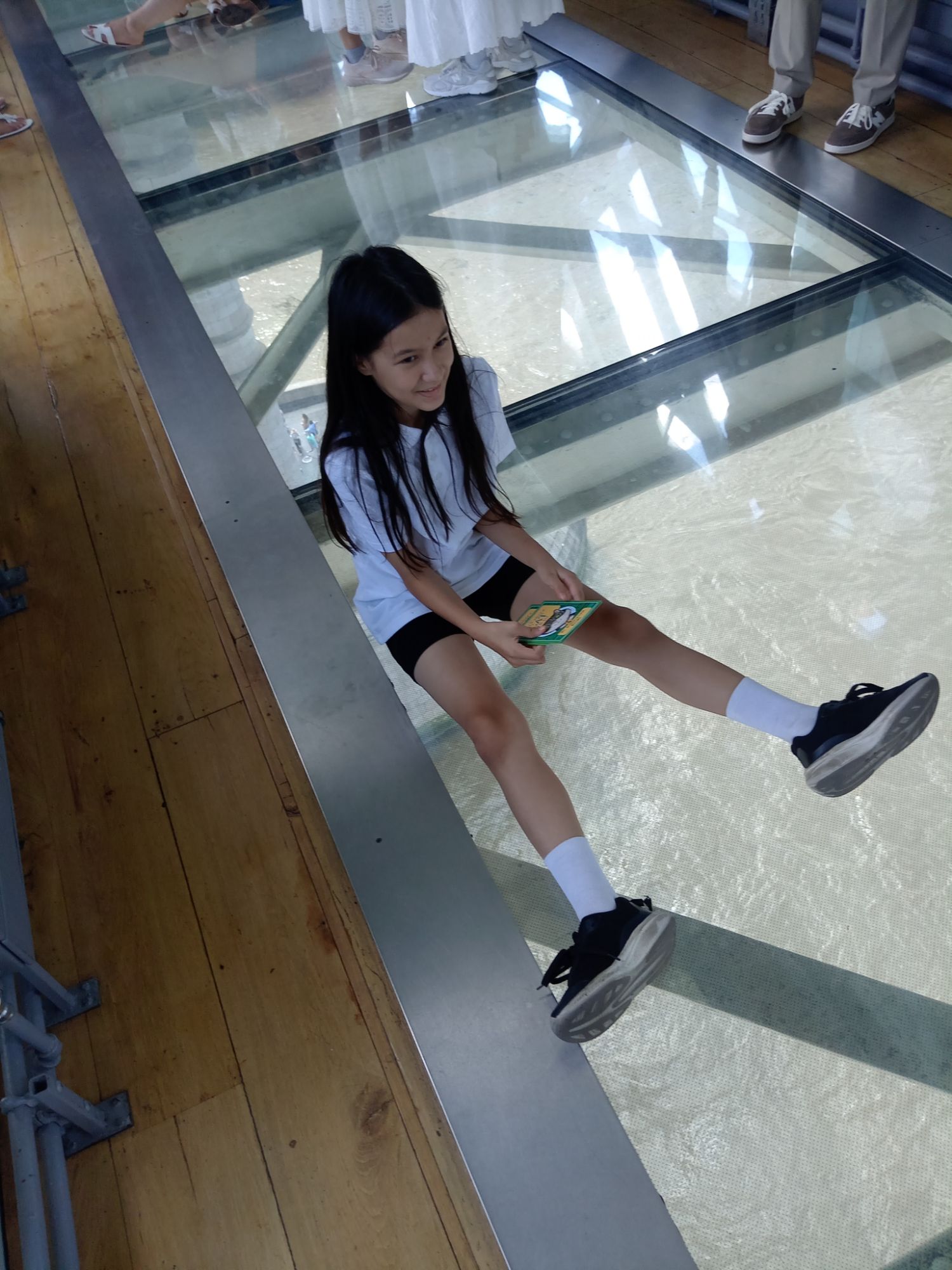
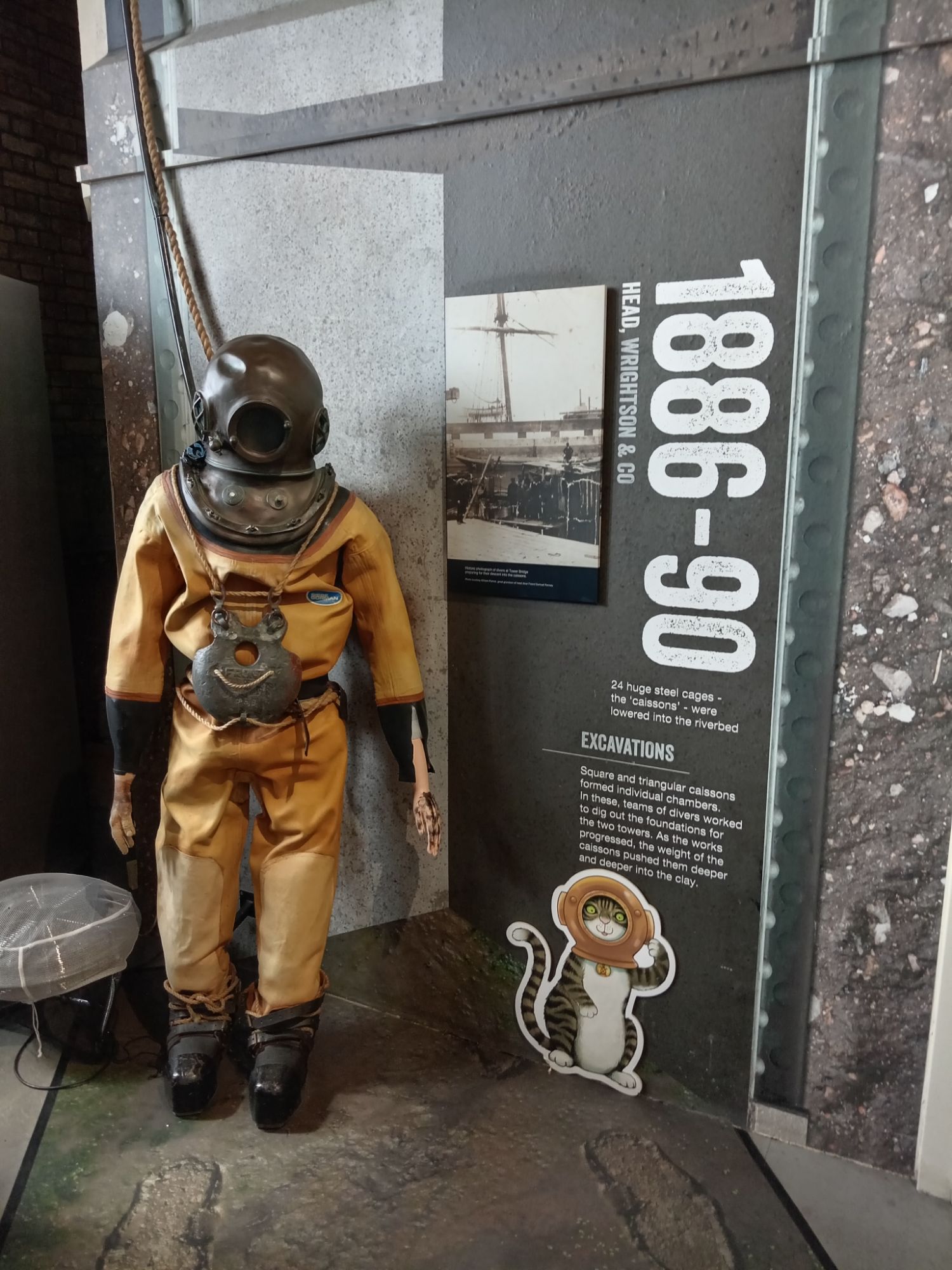
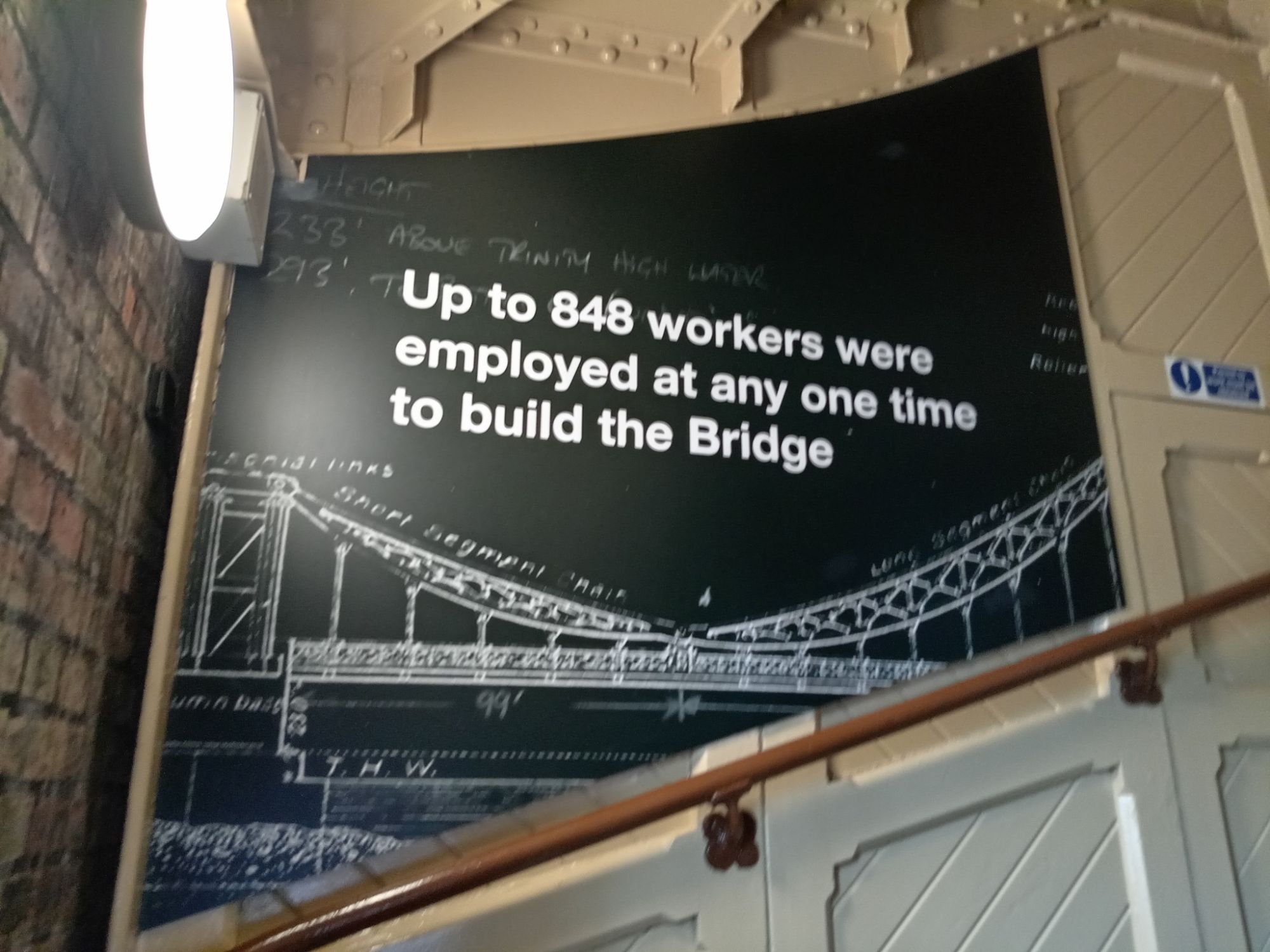
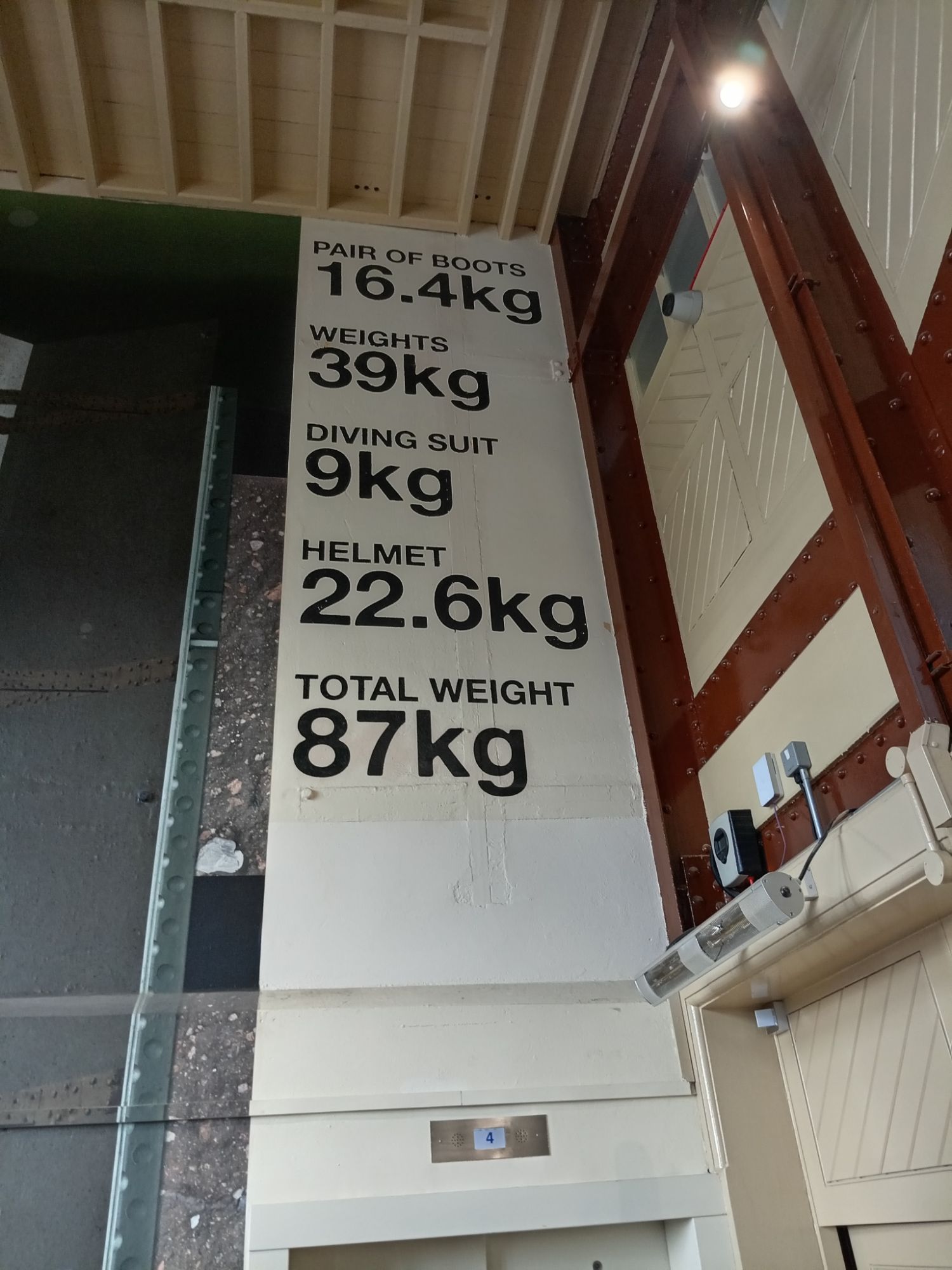
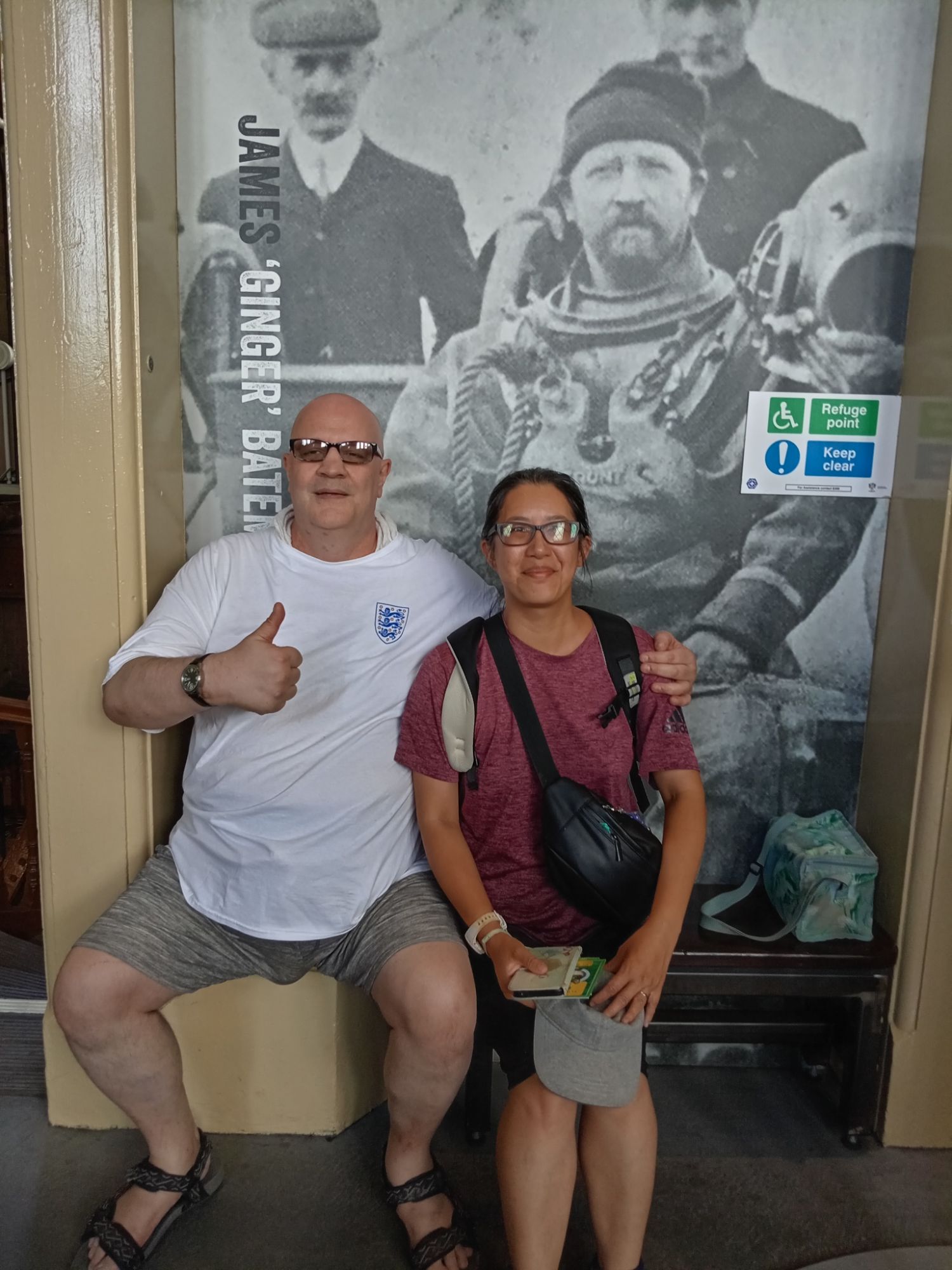
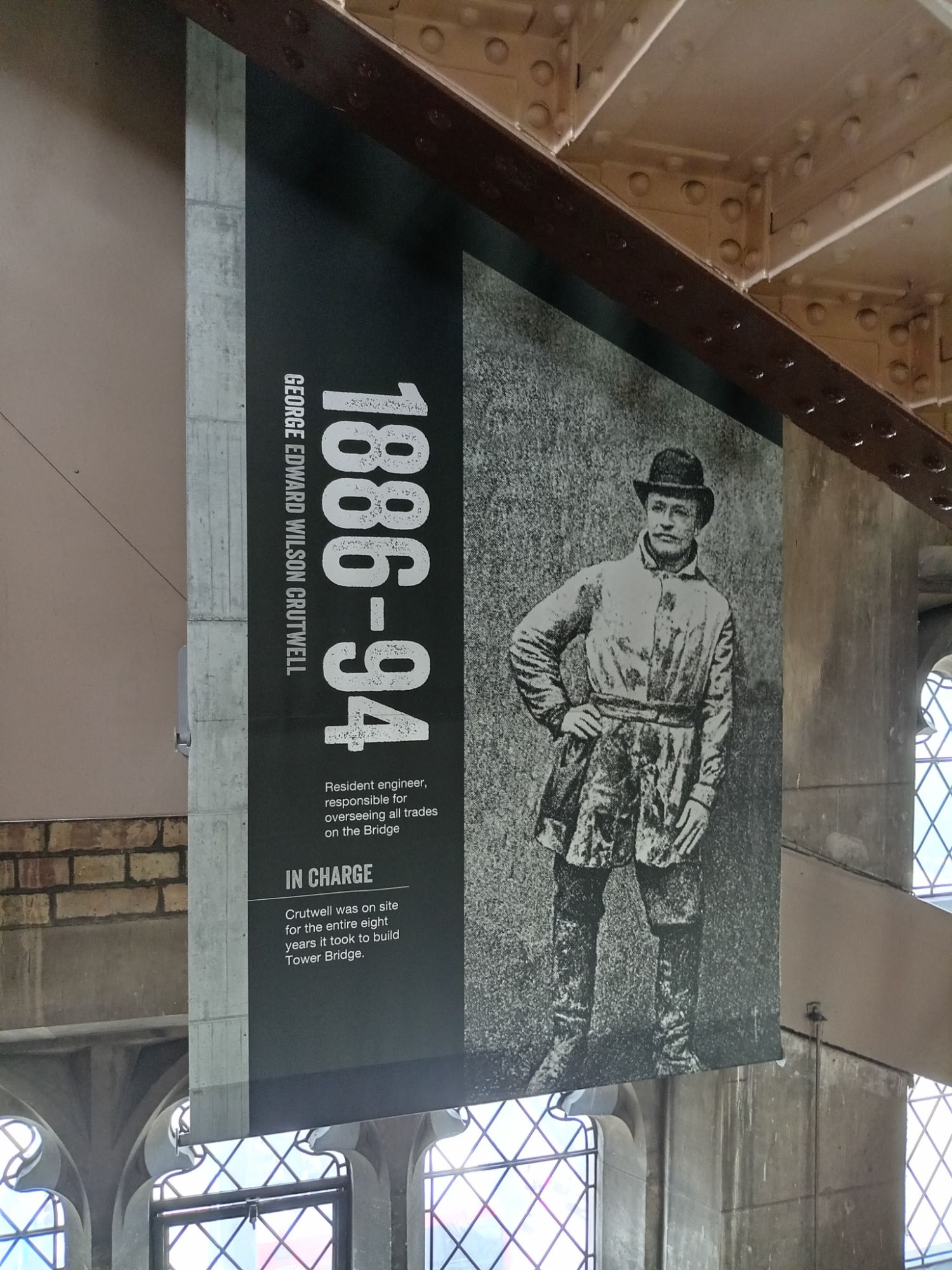
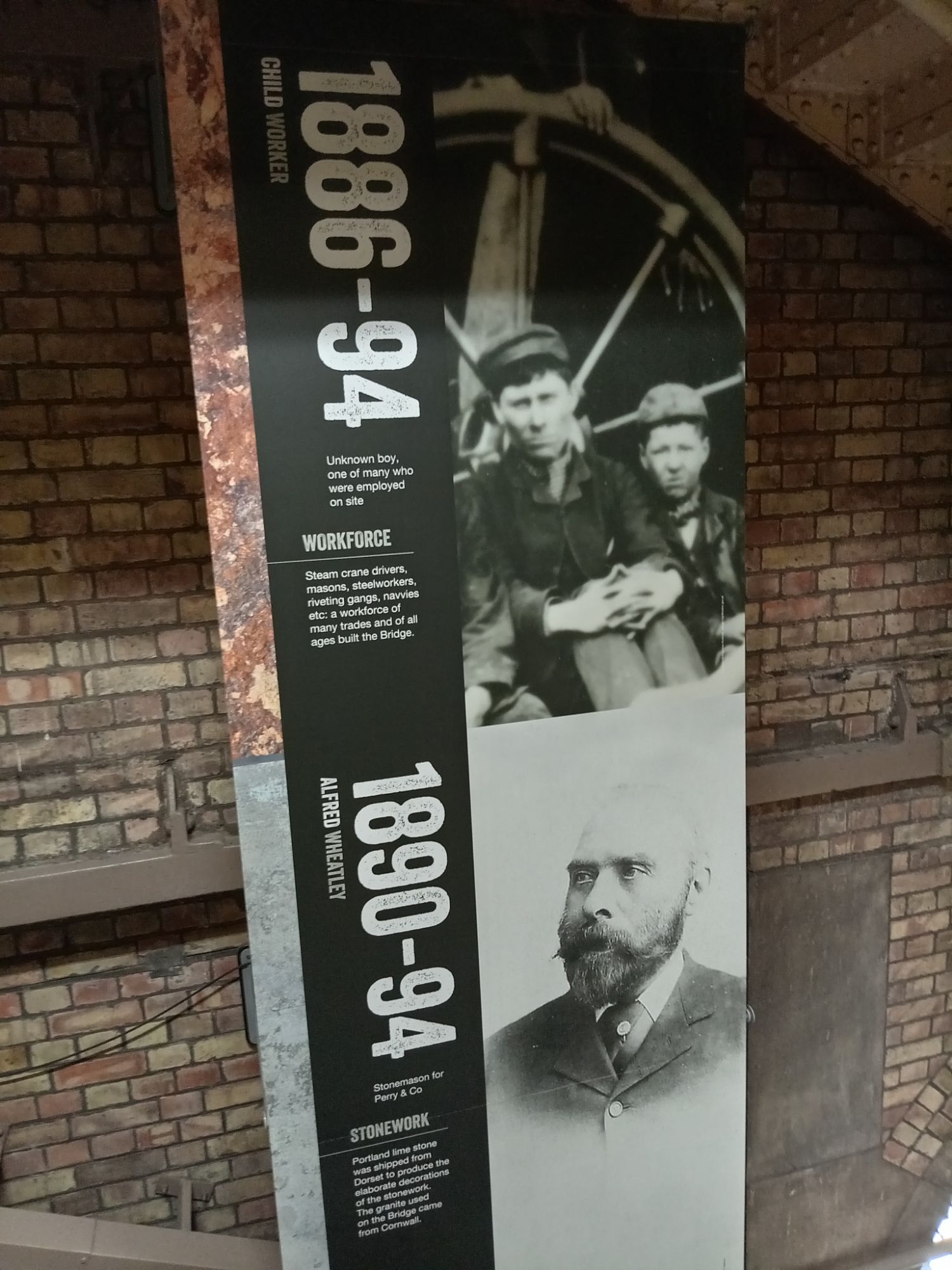
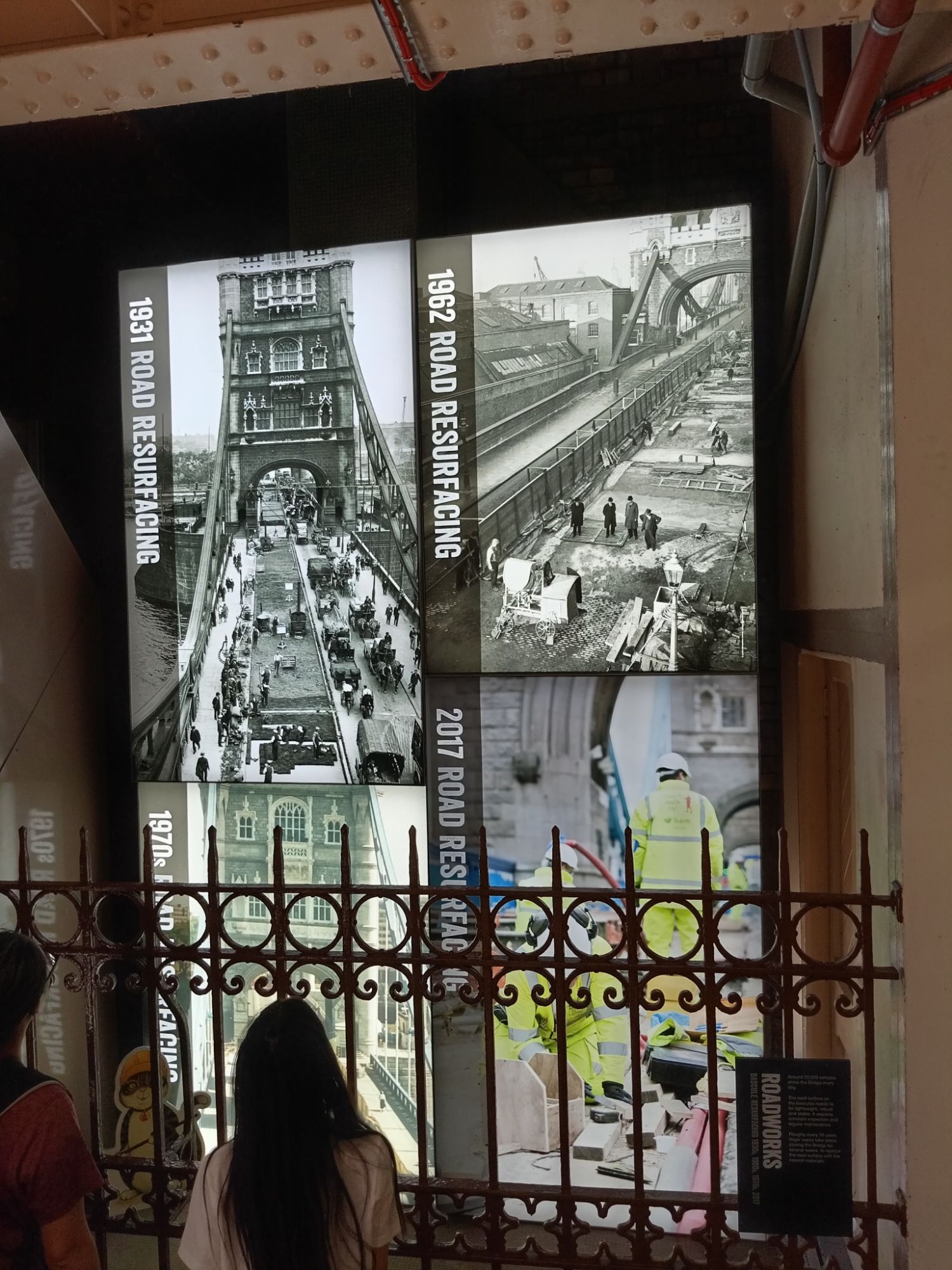
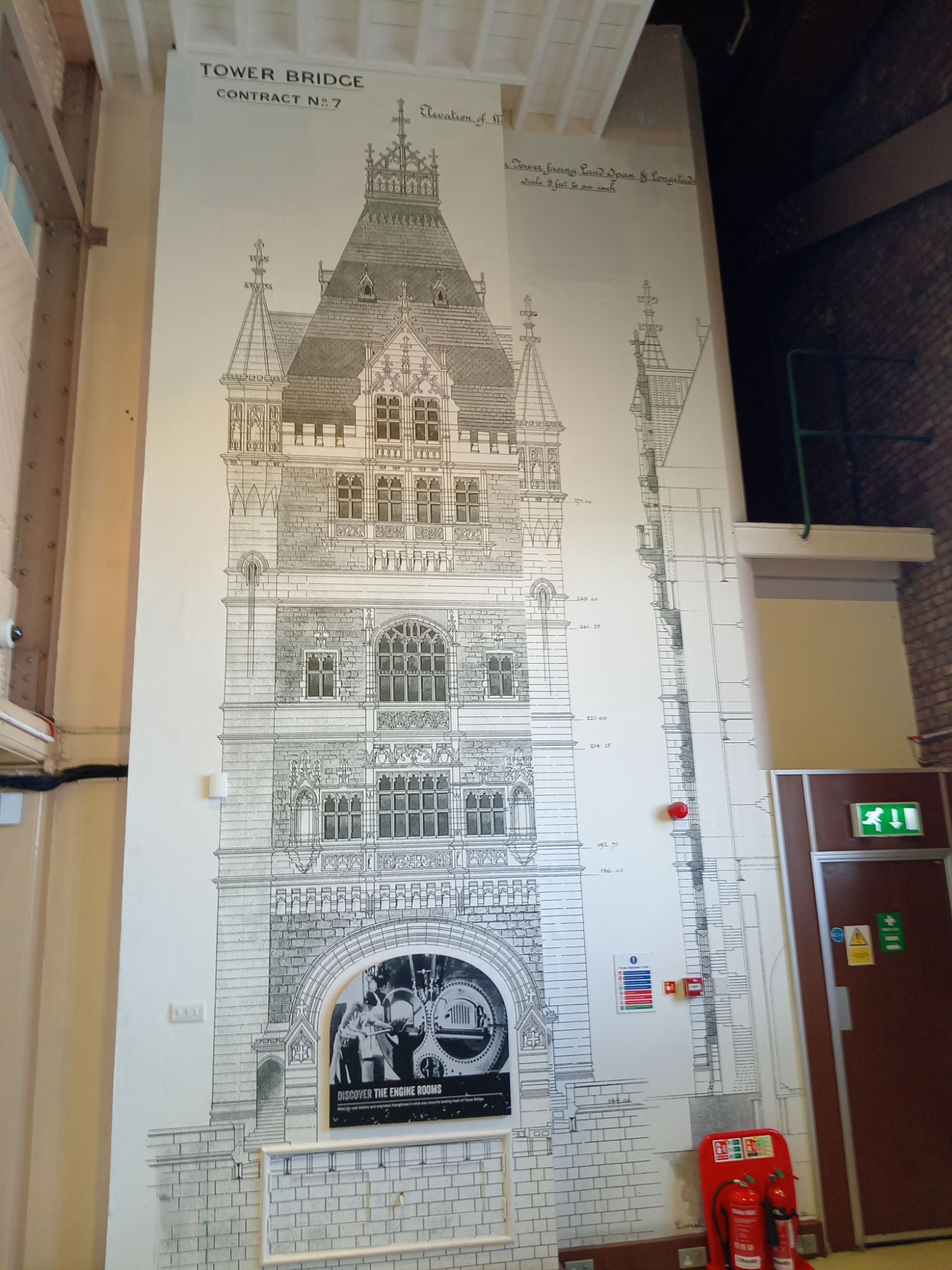
As we walked up and down, to and fro – we read the information plaques placed all along the walls. The idea being that by the time the journey finished – we would have had gained a working knowledge of the design, building, and operation of Tower Bridge. After visiting this main attraction – we were then irected by staff to walk down the road to find the “Engine Room“.
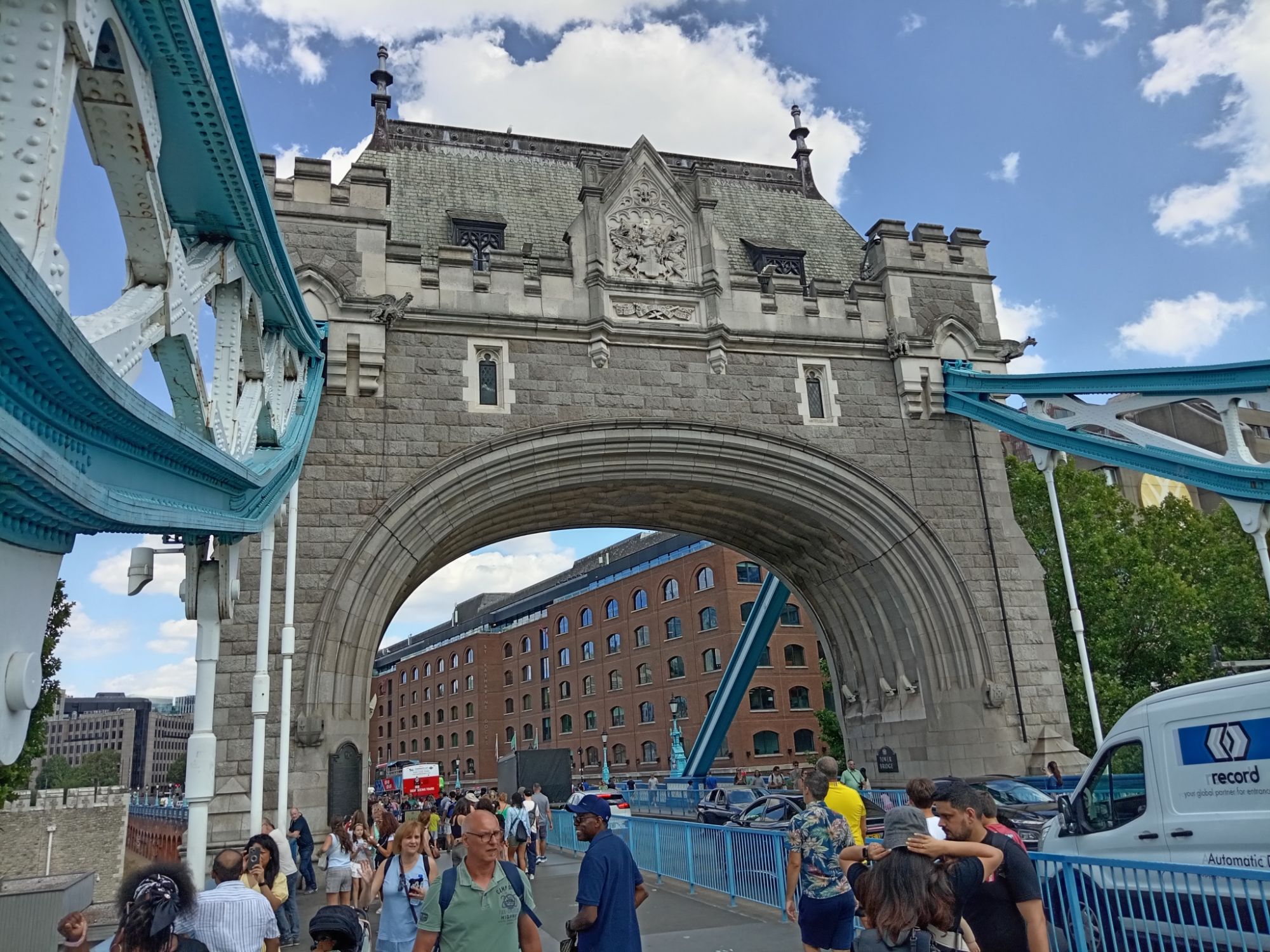






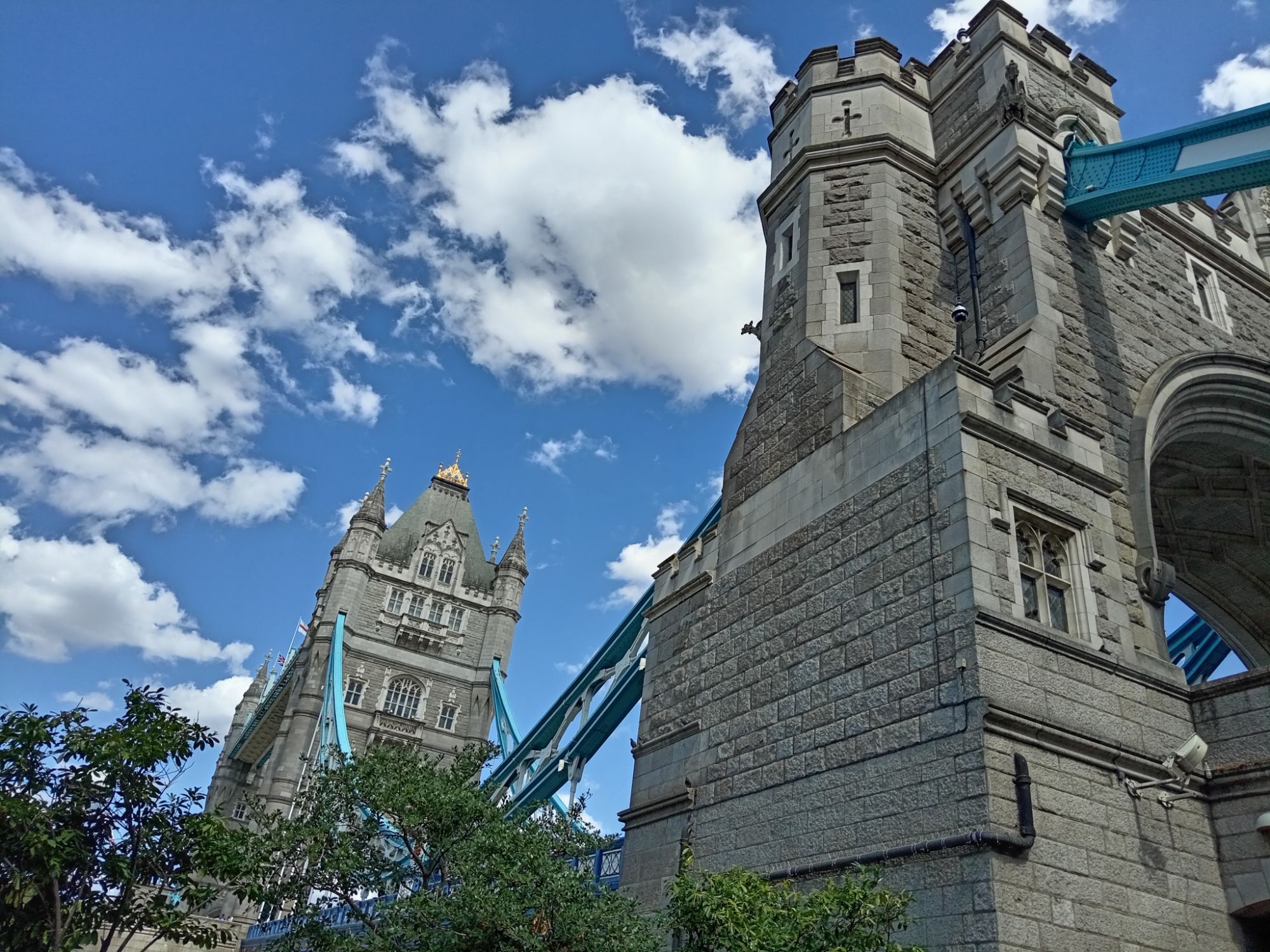

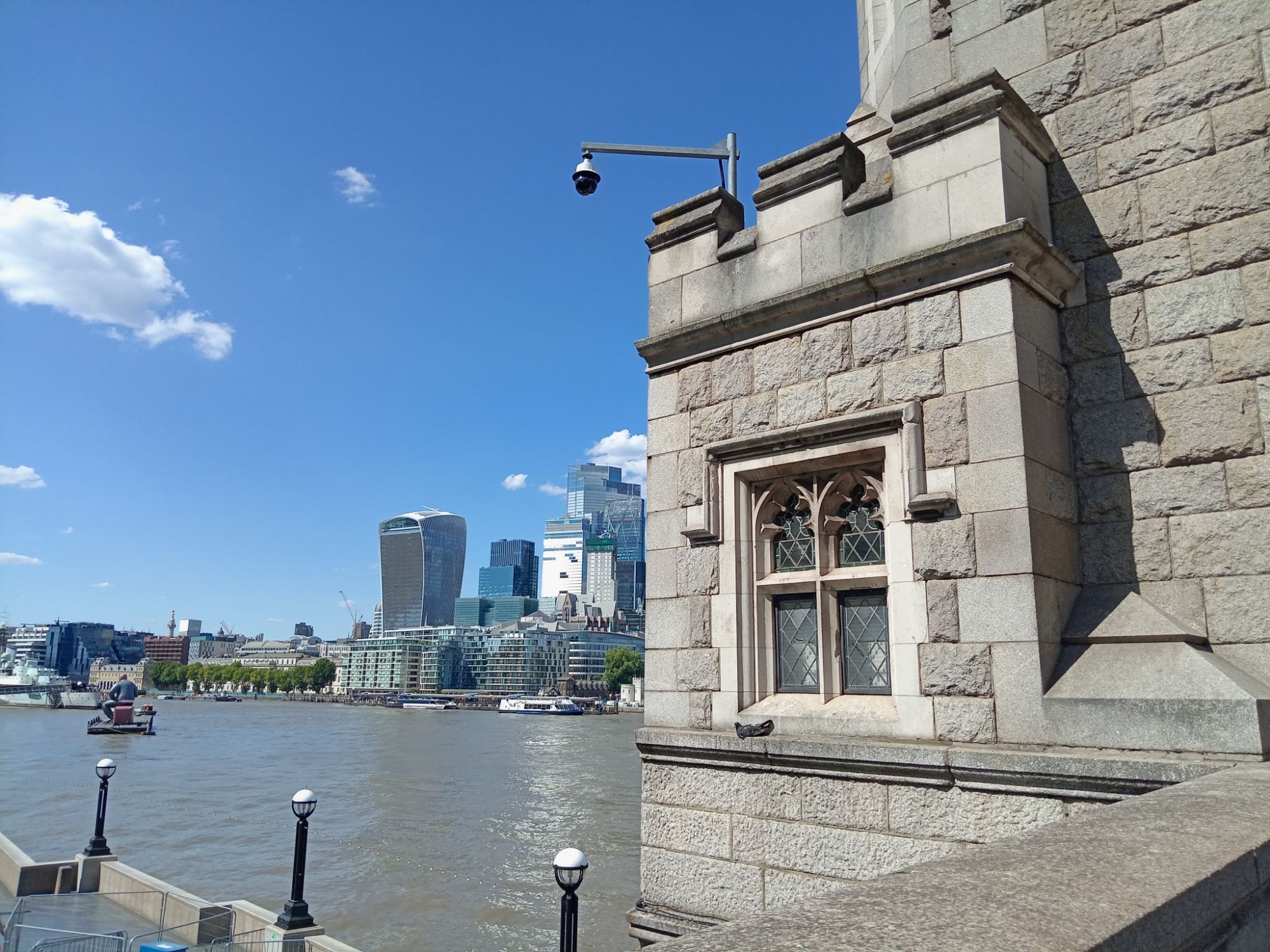
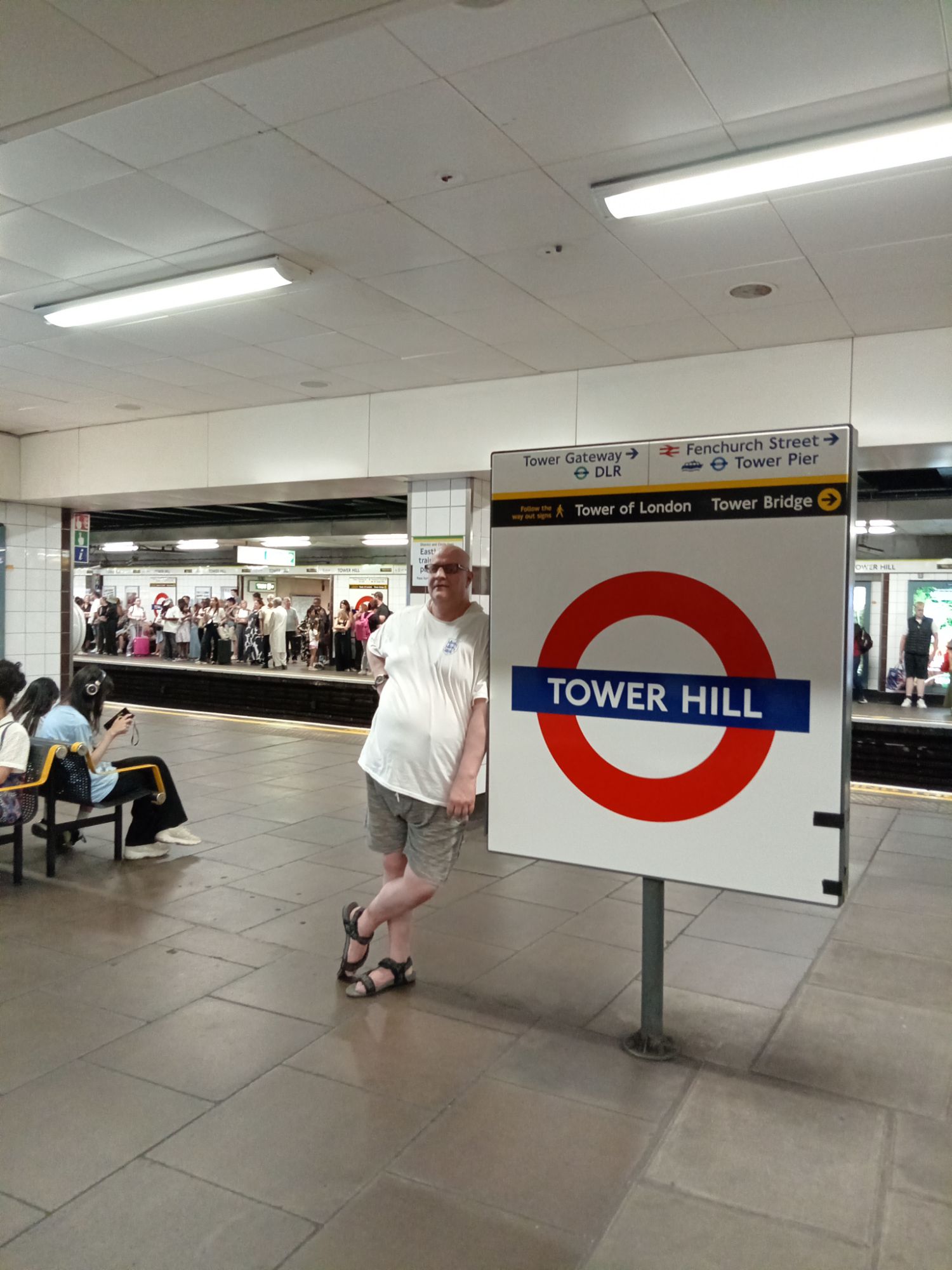
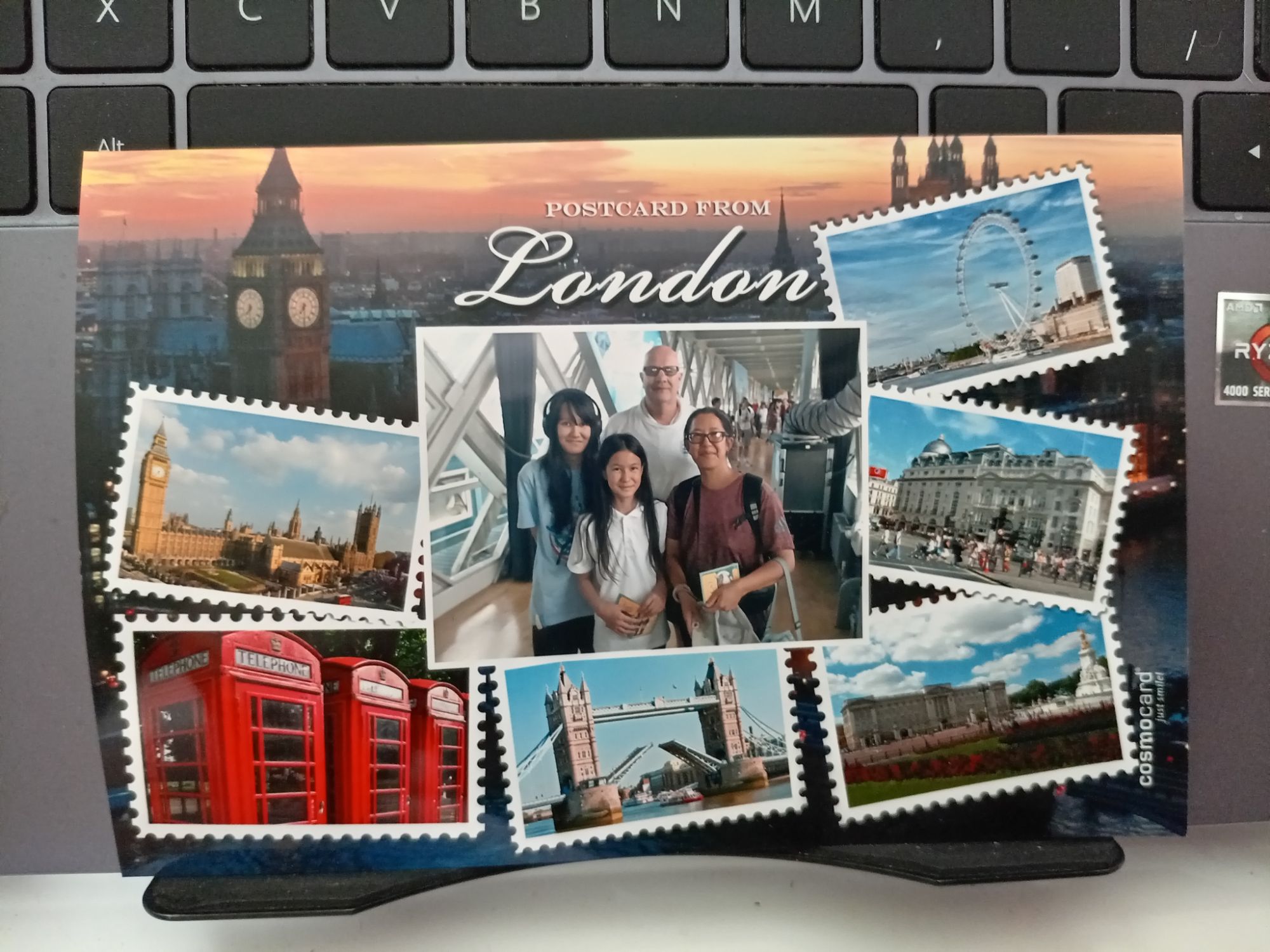
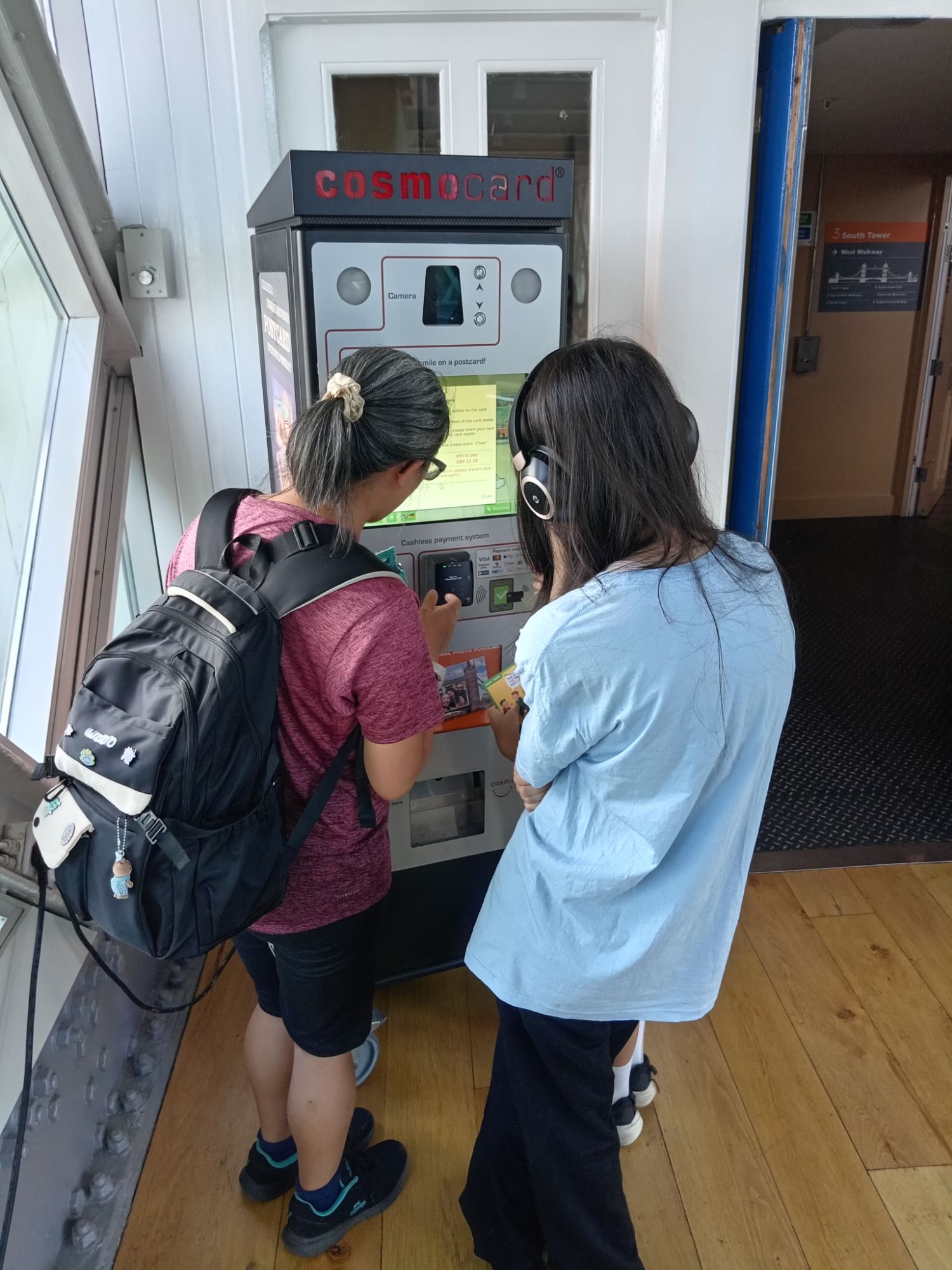
As we came near the end of the journey – we paid a few pound to print-out a three very good quality postcards to keep as momentos:


 SANGHA KOMMUNE (SSR)