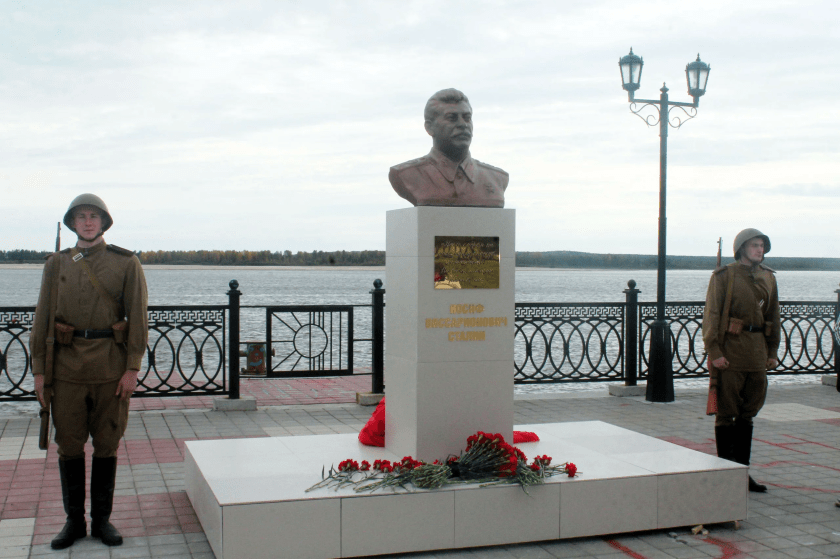
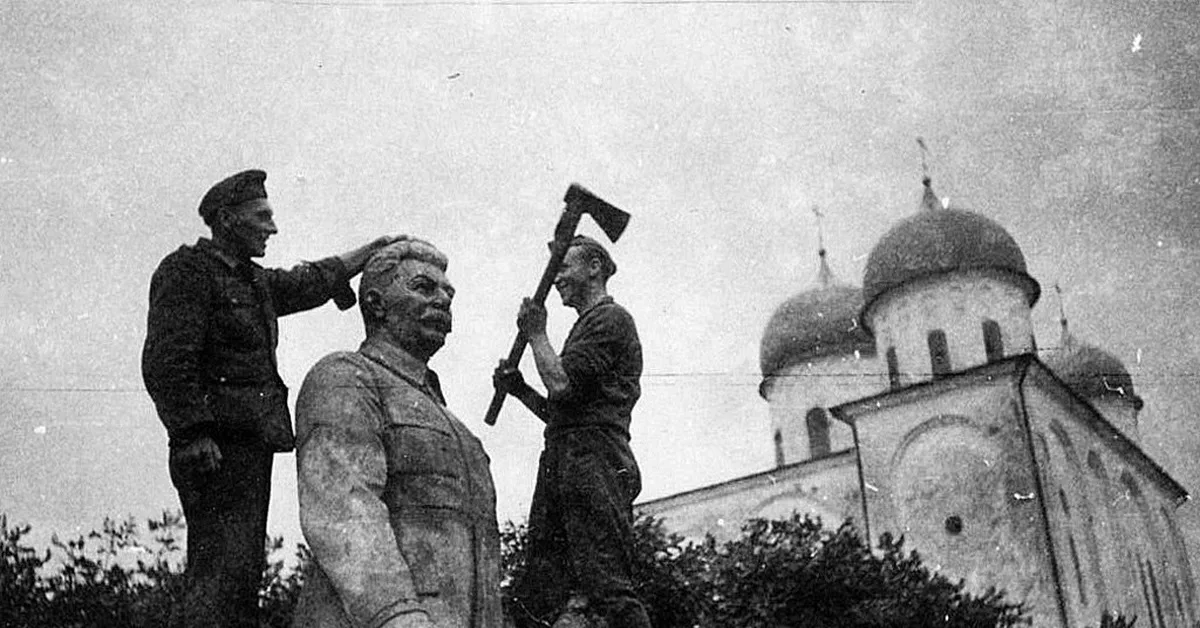
| SONNET 55 – By William Shakespeare Not marble, nor the gilded monuments Of princes, shall outlive this powerful rhyme; But you shall shine more bright in these contents Than unswept stone, besmear’d with sluttish time. When wasteful war shall statues overturn, And broils root out the work of masonry, Nor Mars his sword nor war’s quick fire shall burn The living record of your memory. ‘Gainst death and all-oblivious enmity Shall you pace forth; your praise shall still find room Even in the eyes of all posterity That wear this world out to the ending doom. So, till the judgment that yourself arise, You live in this, and dwell in lovers’ eyes. |
| SONNET 55 | PARAPHRASE |
| Not marble, nor the gilded monuments | Not marble, nor the gold-plated shrines |
| Of princes, shall outlive this powerful rhyme; | Of princes shall outlive the power of poetry; |
| But you shall shine more bright in these contents | You shall shine more bright in these verses |
| Than unswept stone besmear’d with sluttish time. | Than on dust-covered gravestones, ravaged by time. |
| When wasteful war shall statues overturn, | When devastating war shall overturn statues, |
| And broils root out the work of masonry, | And conflicts destroy the mason’s handiwork, |
| Nor Mars his sword nor war’s quick fire shall burn | the cause of war (Mars) nor the effects of war (fire) shall destroy |
| The living record of your memory. | The living record of your memory (this poem). |
| ‘Gainst death and all-oblivious enmity | Against death and destruction, which render people forgotten, |
| Shall you pace forth; your praise shall still find room | Shall you push onward; praise of you will always find a place, |
| Even in the eyes of all posterity | Even in the eyes of future generations |
| That wear this world out to the ending doom. | That survive until the end of humanity. |
| So, till the judgment that yourself arise, | So, until you arise on Judgment Day, |
| You live in this, and dwell in lovers’ eyes. | You are immortalized in this poetry, and continue to live in lovers’ eyes. |

Soviet statues represent something astonishing and spectacular that happened within human history! For the first time a genuine Workers’ State had emerged comprised of 15-countries (three of then Buddhist) in 1917! Although we must not forget the fledgling Paris Commune of 1871 and numerous (brave) attempts at Workers sieging the means of production – it was VI Lenin – and then JV Stalin (amongst many others) that secured the first substantial gain for the Proletariat! Soviet statues continuously reminded the people that they – and they alone – possessed ALL the political power and that the General Secretaries of the Communist Party that they had voted-in – cared for the masses and loved them dearly!
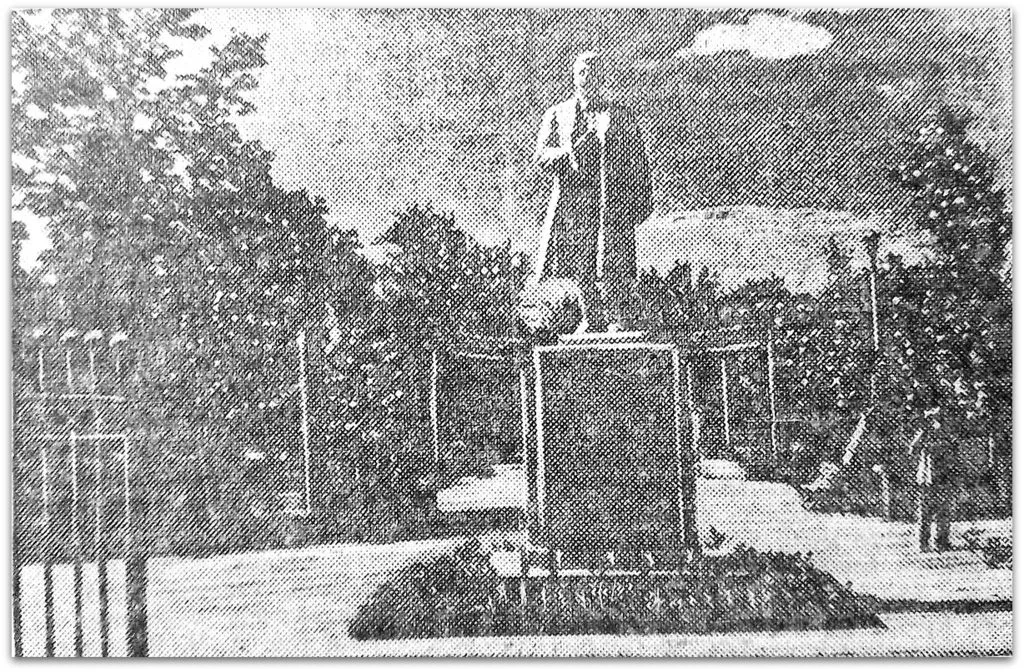
Indeed, the fascists and reactionaries who only want to see the Workers oppressed and disenfranchised – attack these statues – as such objects contradict Bourgeois dominance and exploitation! Just as many modern Russians participate in the national pastime of Soviet statue-toppling as do non-Russians, religionists and Trotskyites! I would love to topple a statue of Trotsky – but none has ever been raised! Still, the love and beauty of Working-Class hegemony that these Soviet statues represent can never be dialectically destroyed – even if the outer structures are purposely attacked, vandalised and destroyed! Revolutionary Love – like a wave of transformation – shines onward through the generations regardless as to whether our Revolutionary symbols are persecuted, removed and ridiculed by those whose hearts are full of hate!
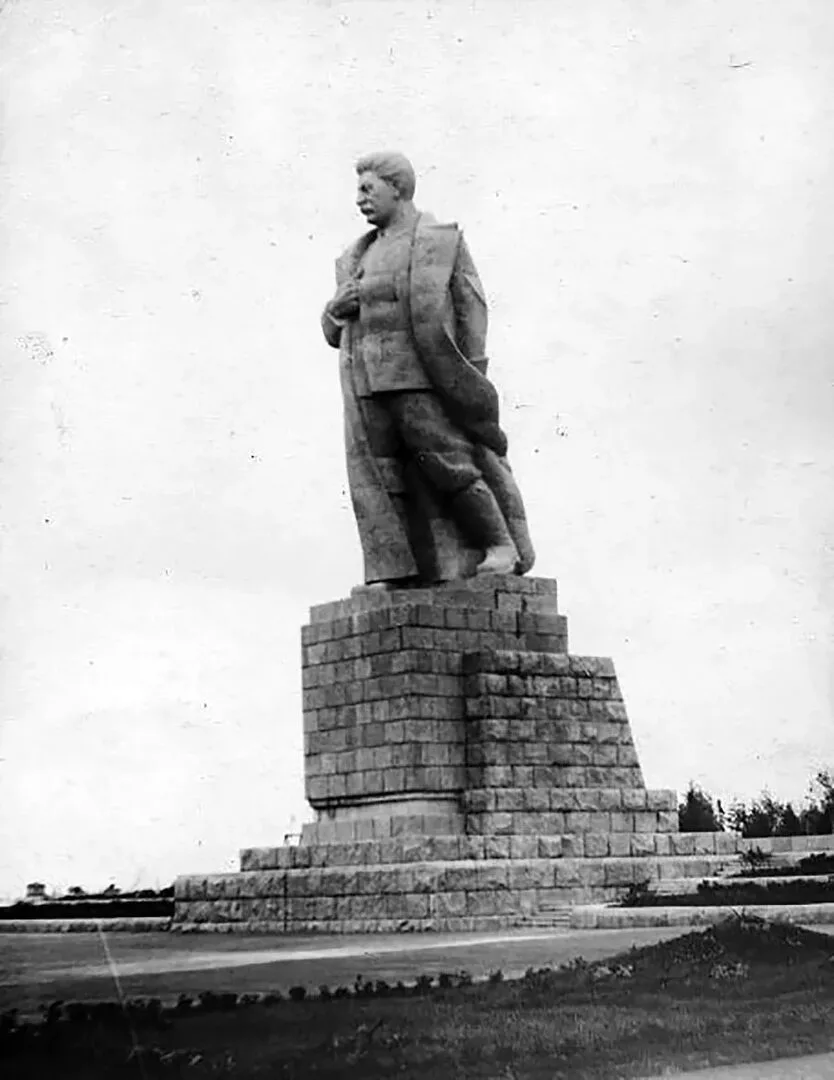
Toppled statues lay in deconstructed heaps – but the meaning such devices represent carries-on regardless into the uncharted future. Objects can be smashed – that is easy – but equally new objects can be designed and constructed – this is a matter of collective action and progressive thought. It does not really matter what William Shakespeare had in mind when he wrote Sonnet 55 – when I heard it today in both Old and New English – it struck me that he had perceived a deeper (hidden) meaning in passing outward structures. Structures that by there very nature, must, at one point or another, pass away into oblivion. But there is hope of a re-birth – even if the Bard couches this reality in the terms of “Judgement day”!

 SANGHA KOMMUNE (SSR)