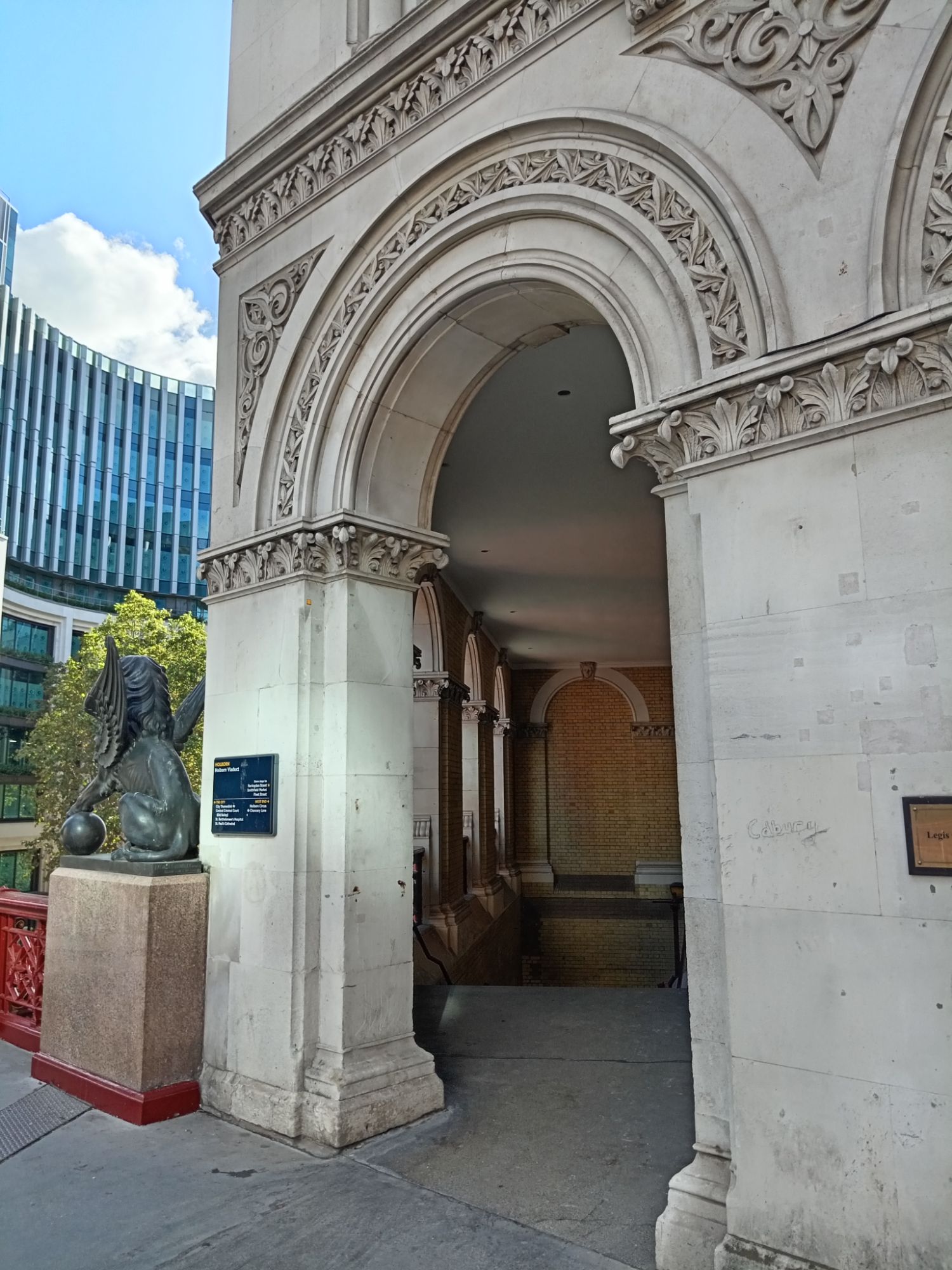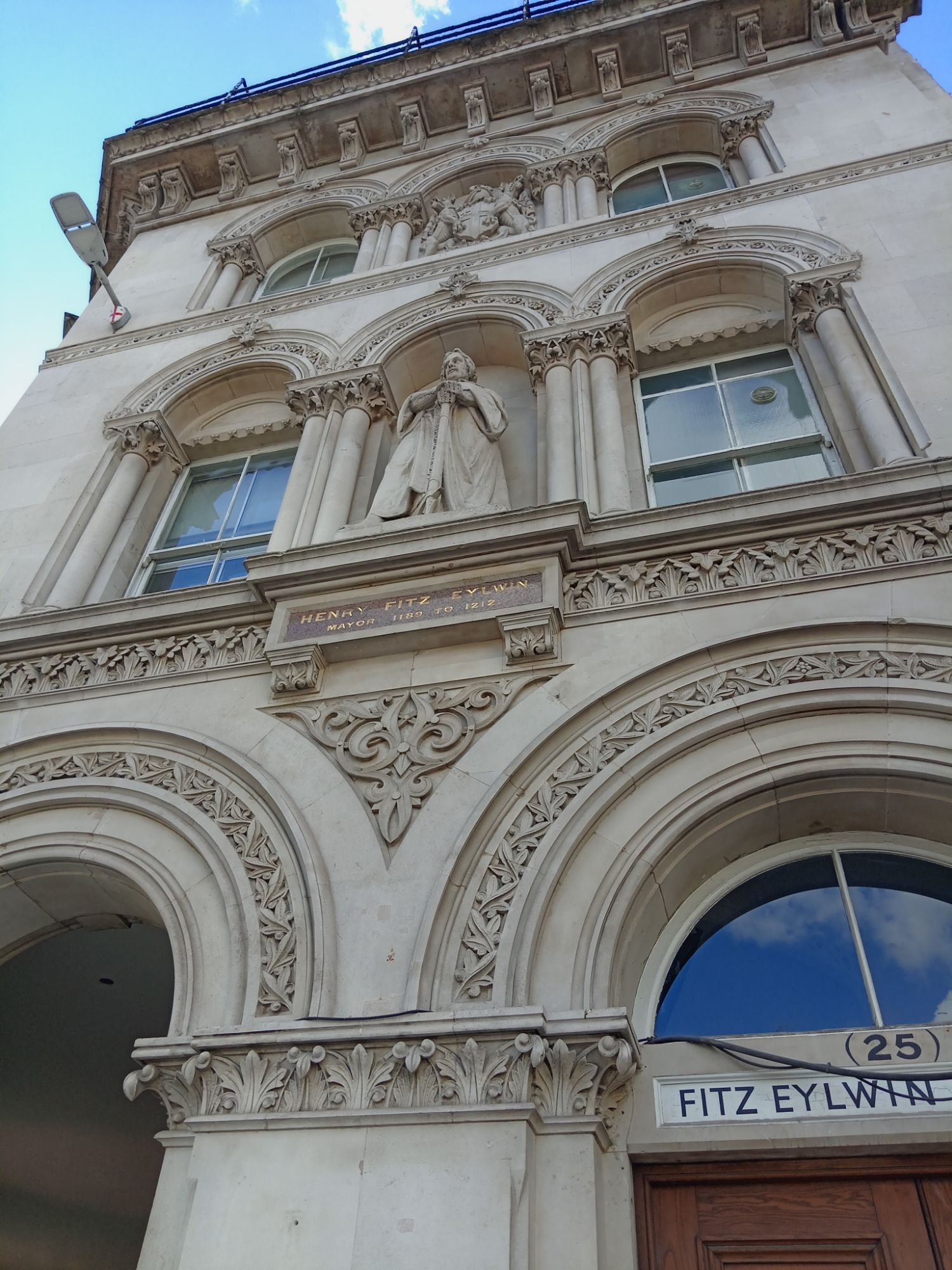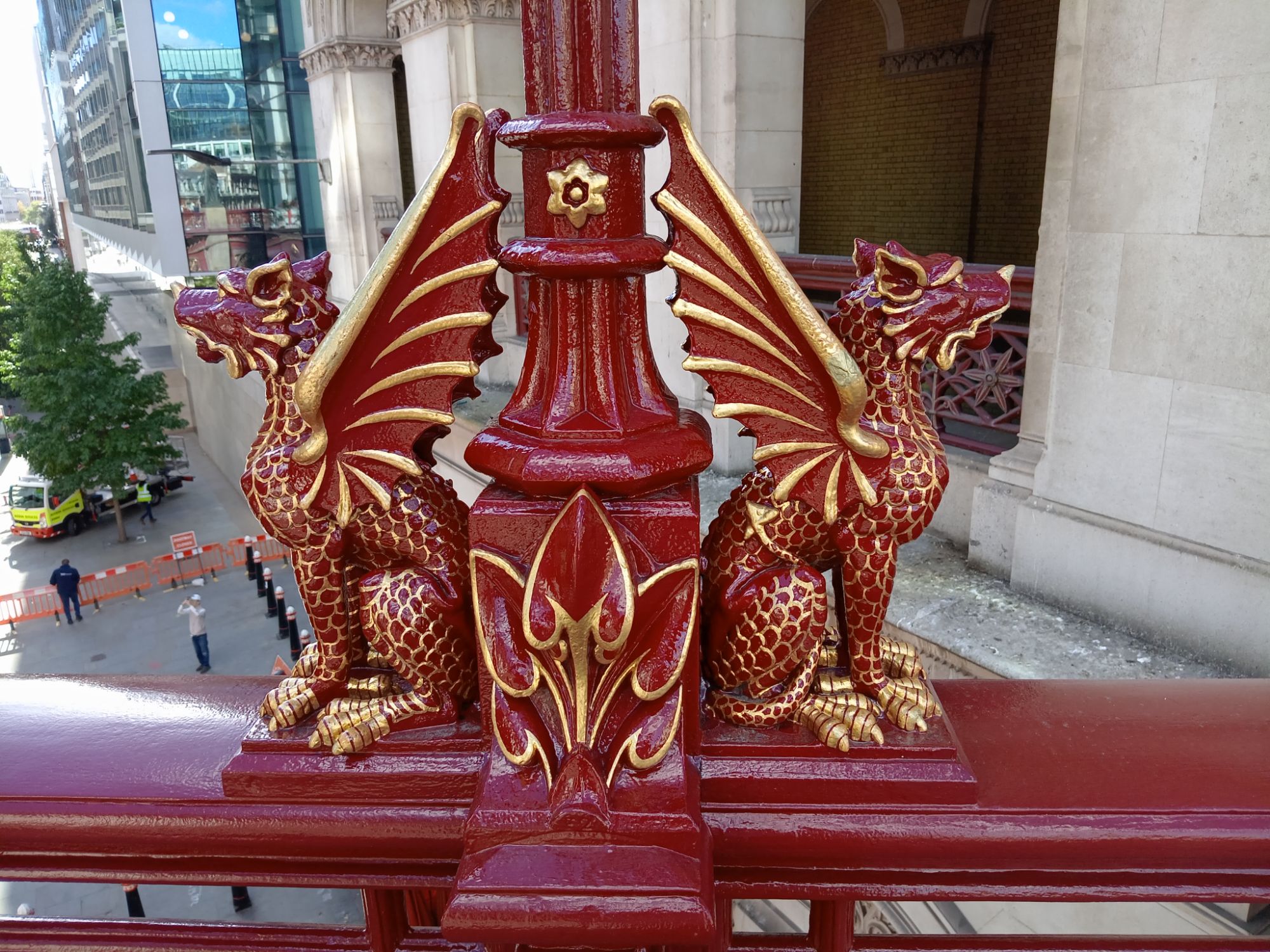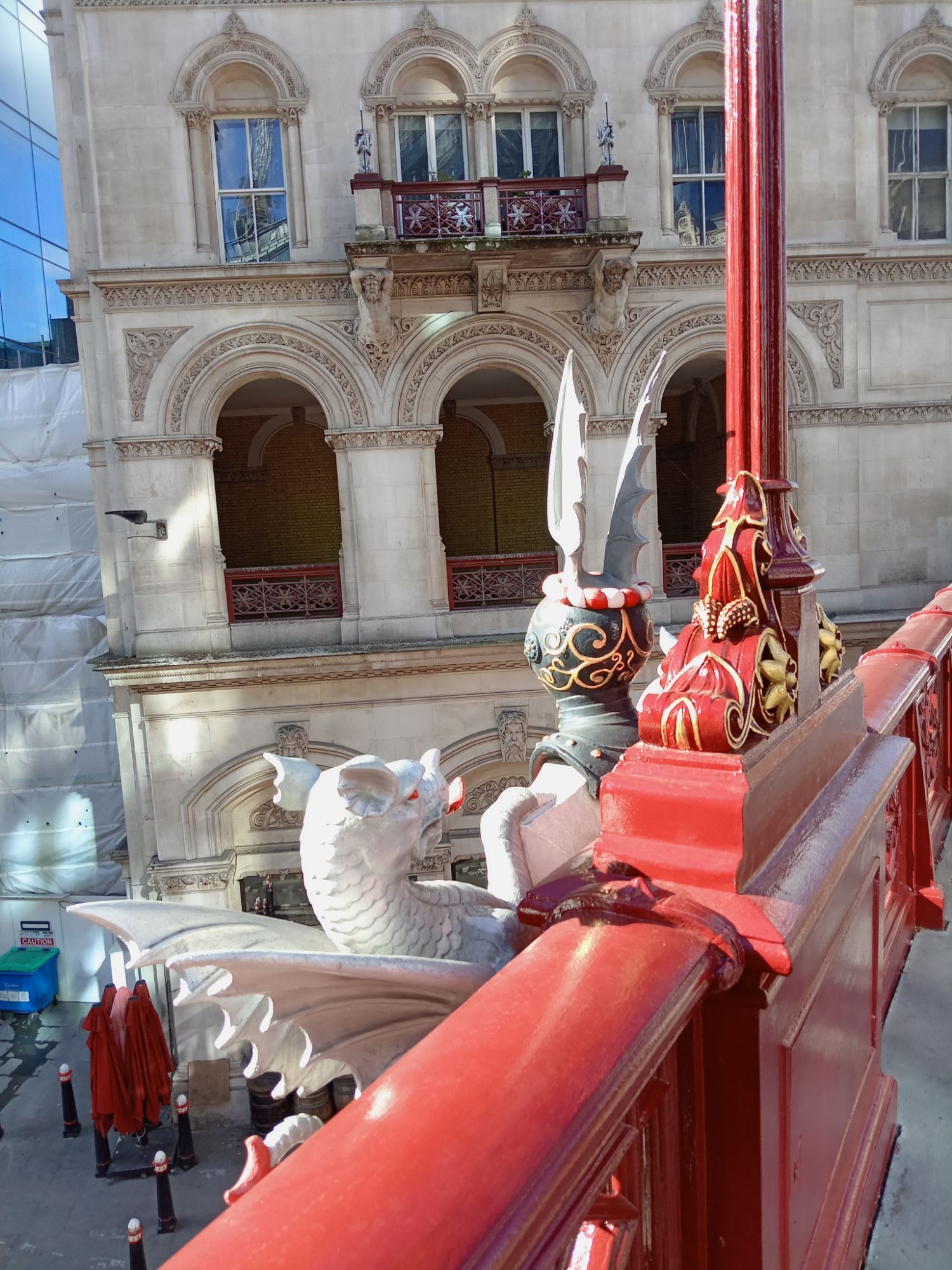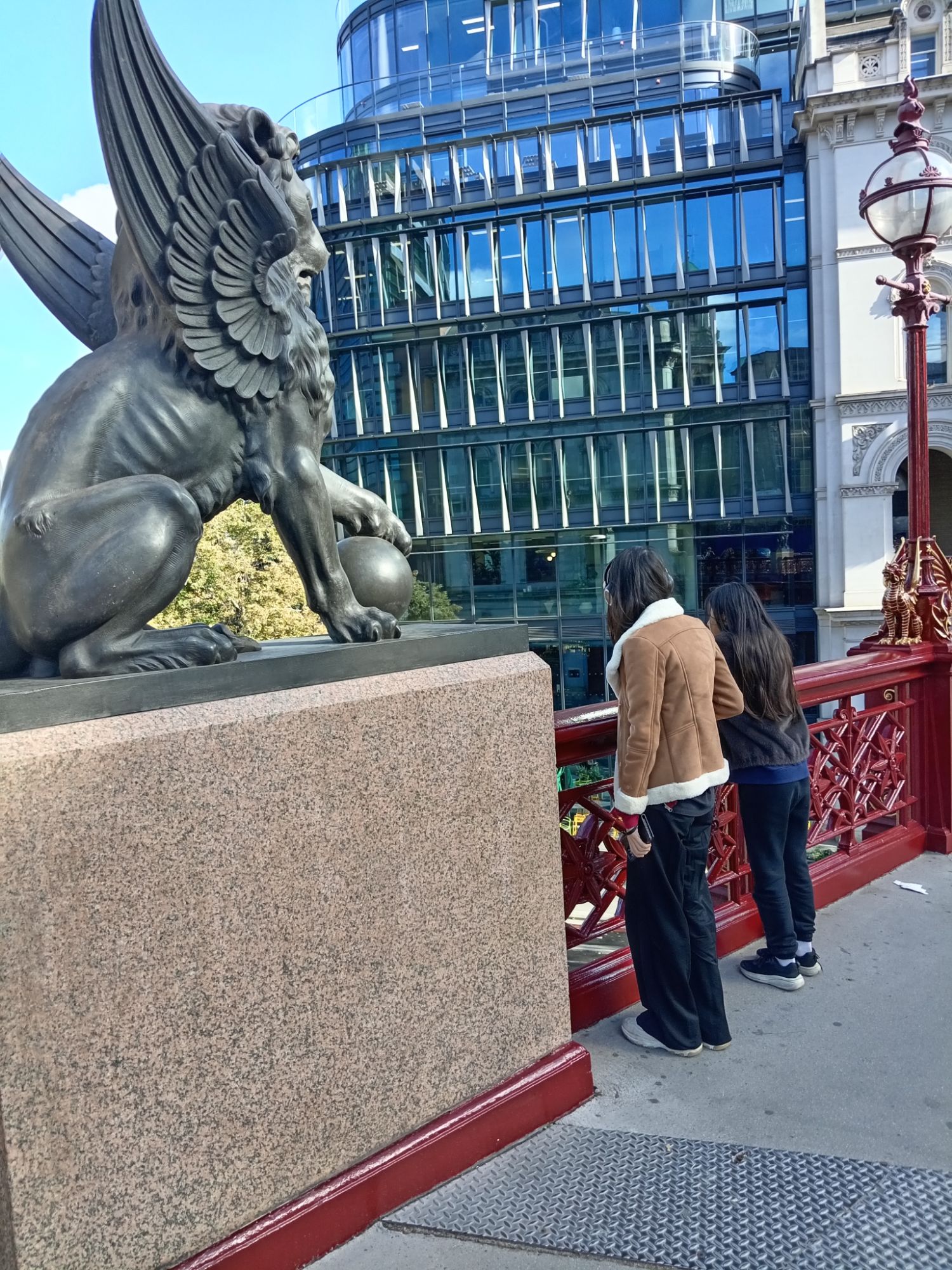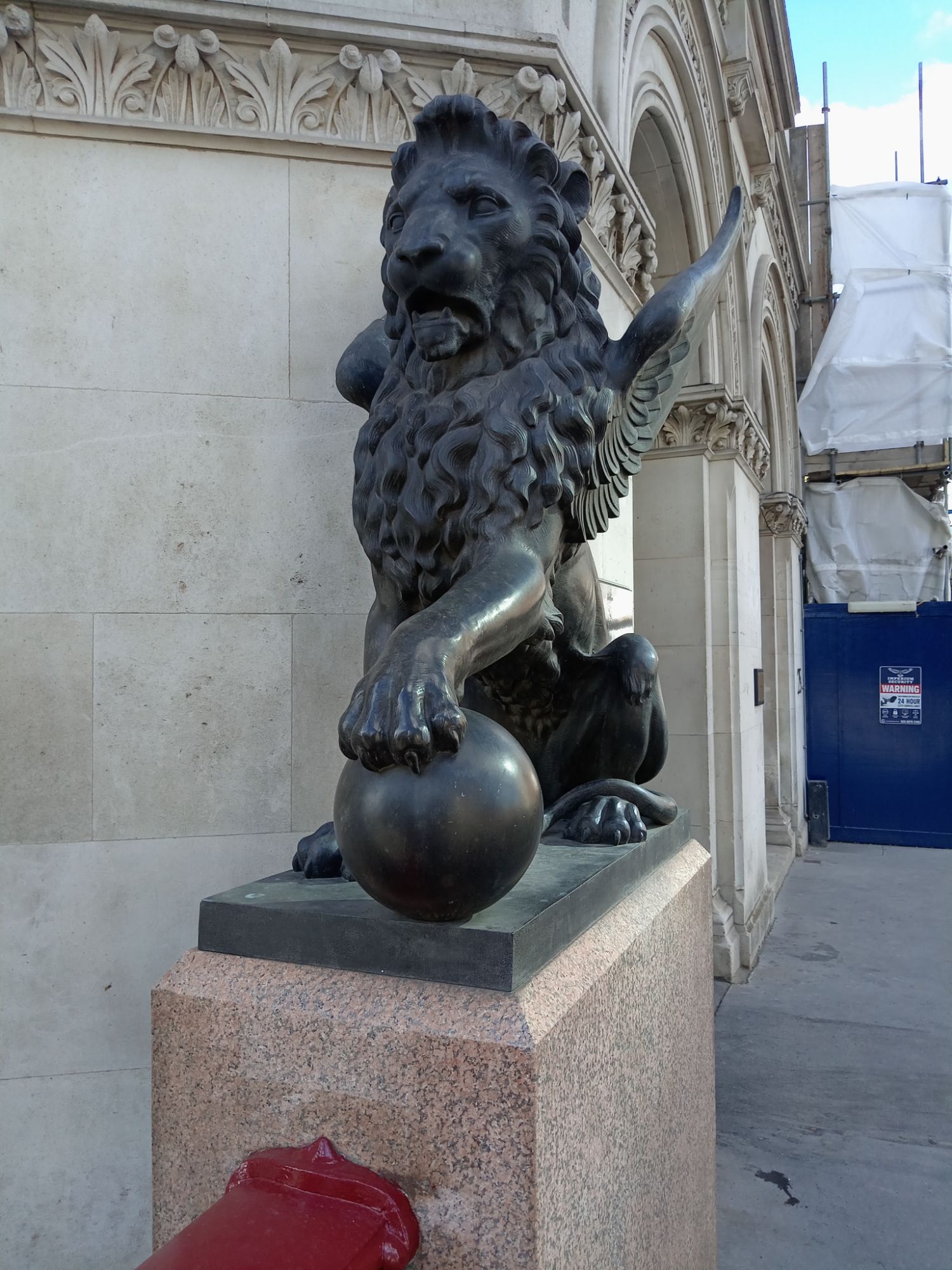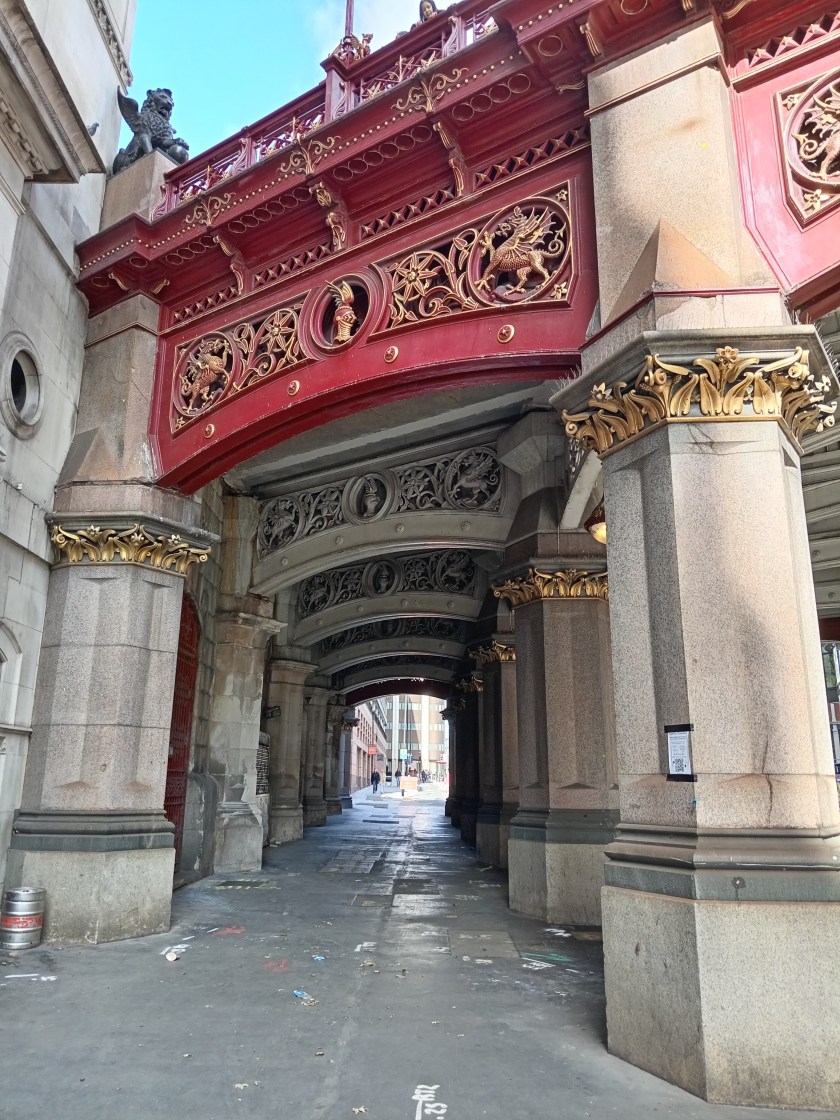
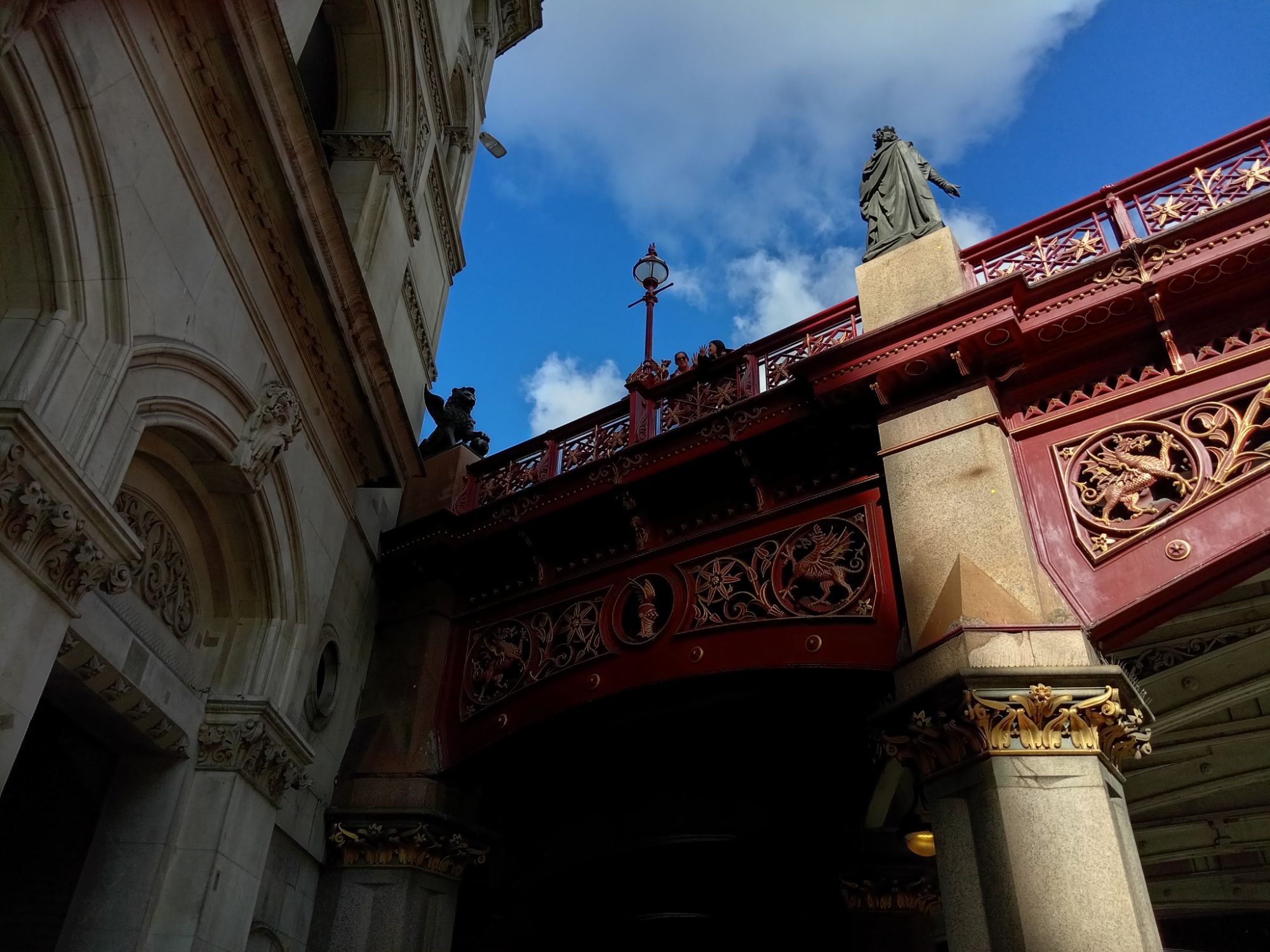
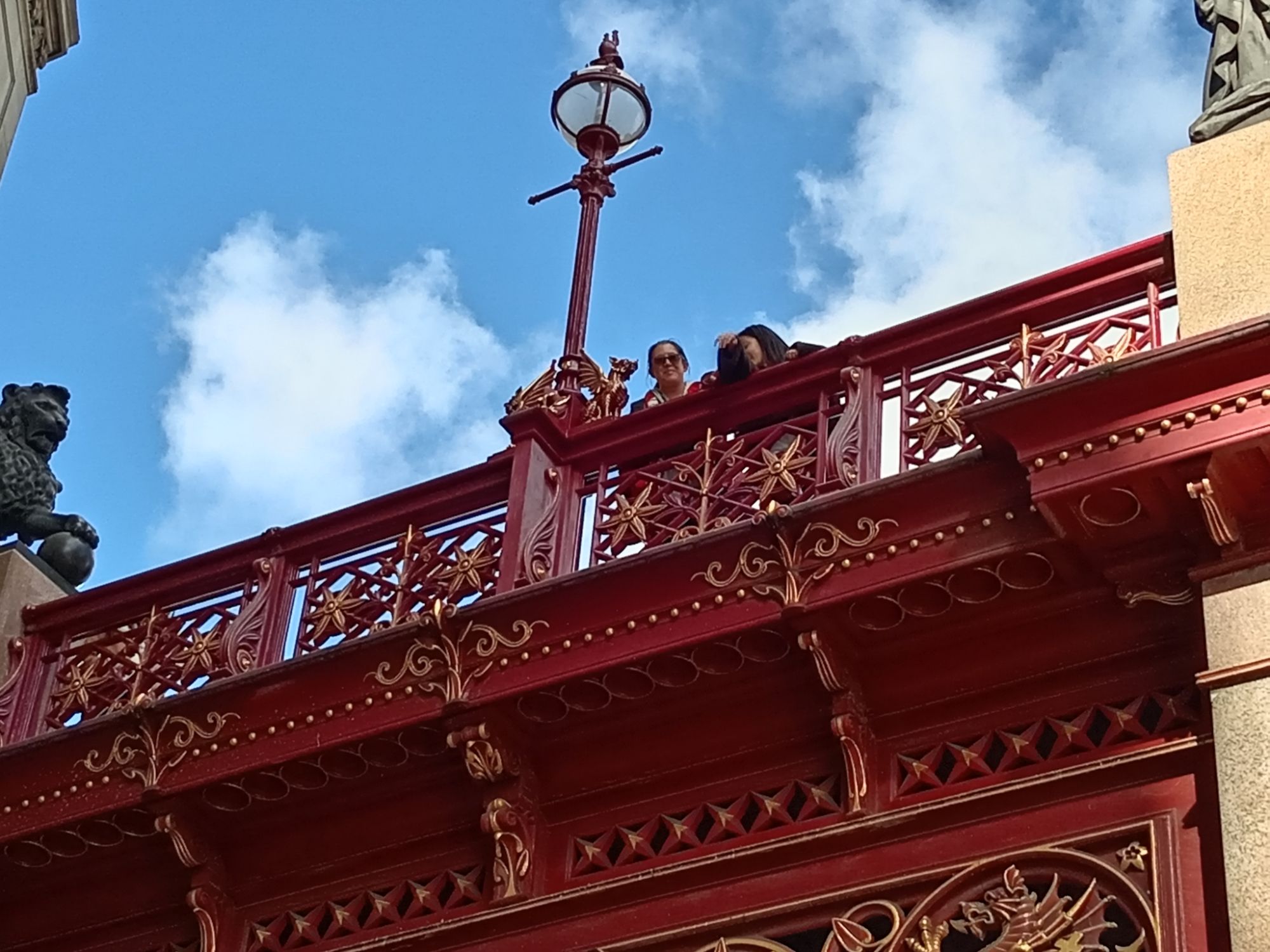
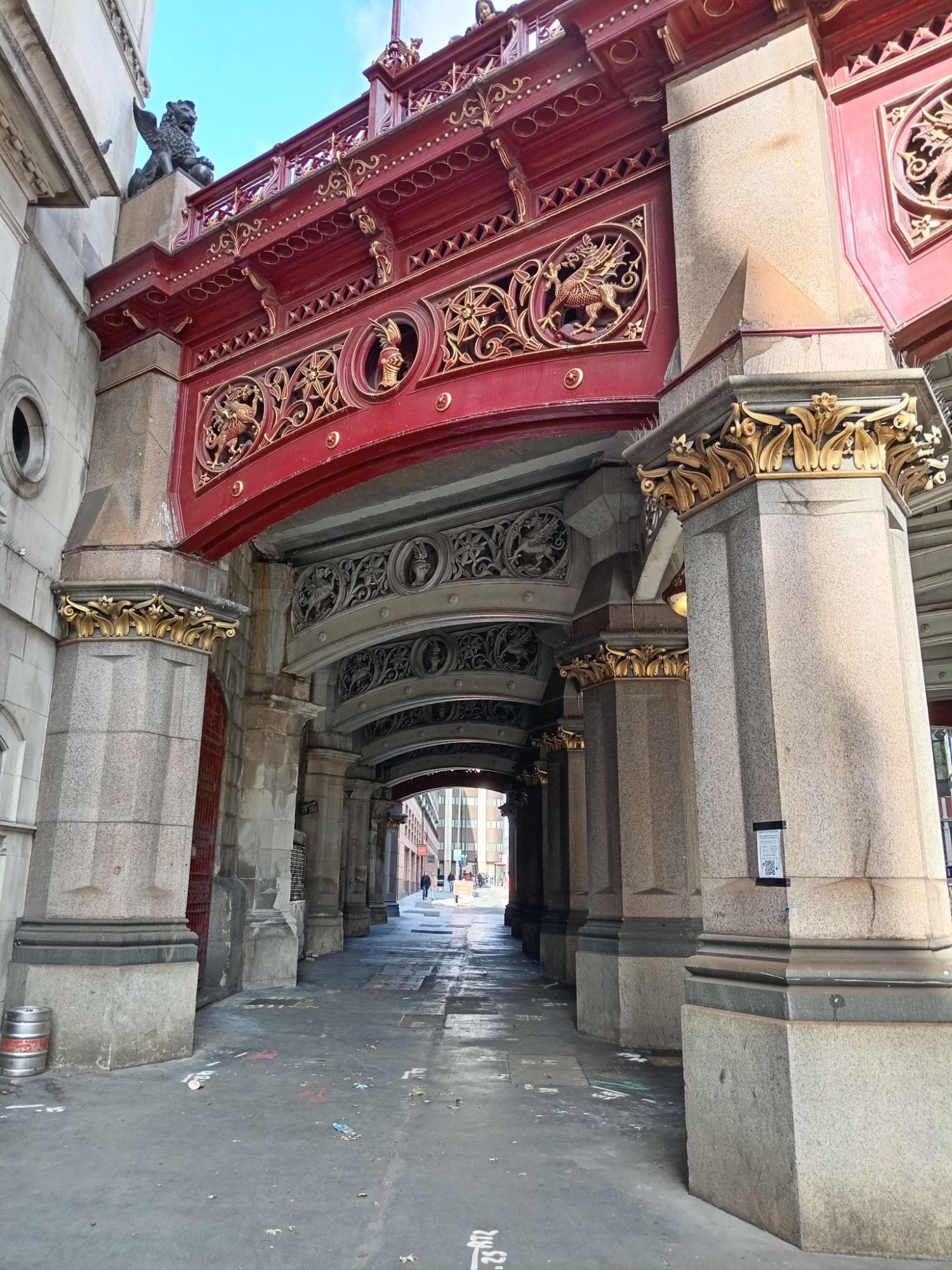
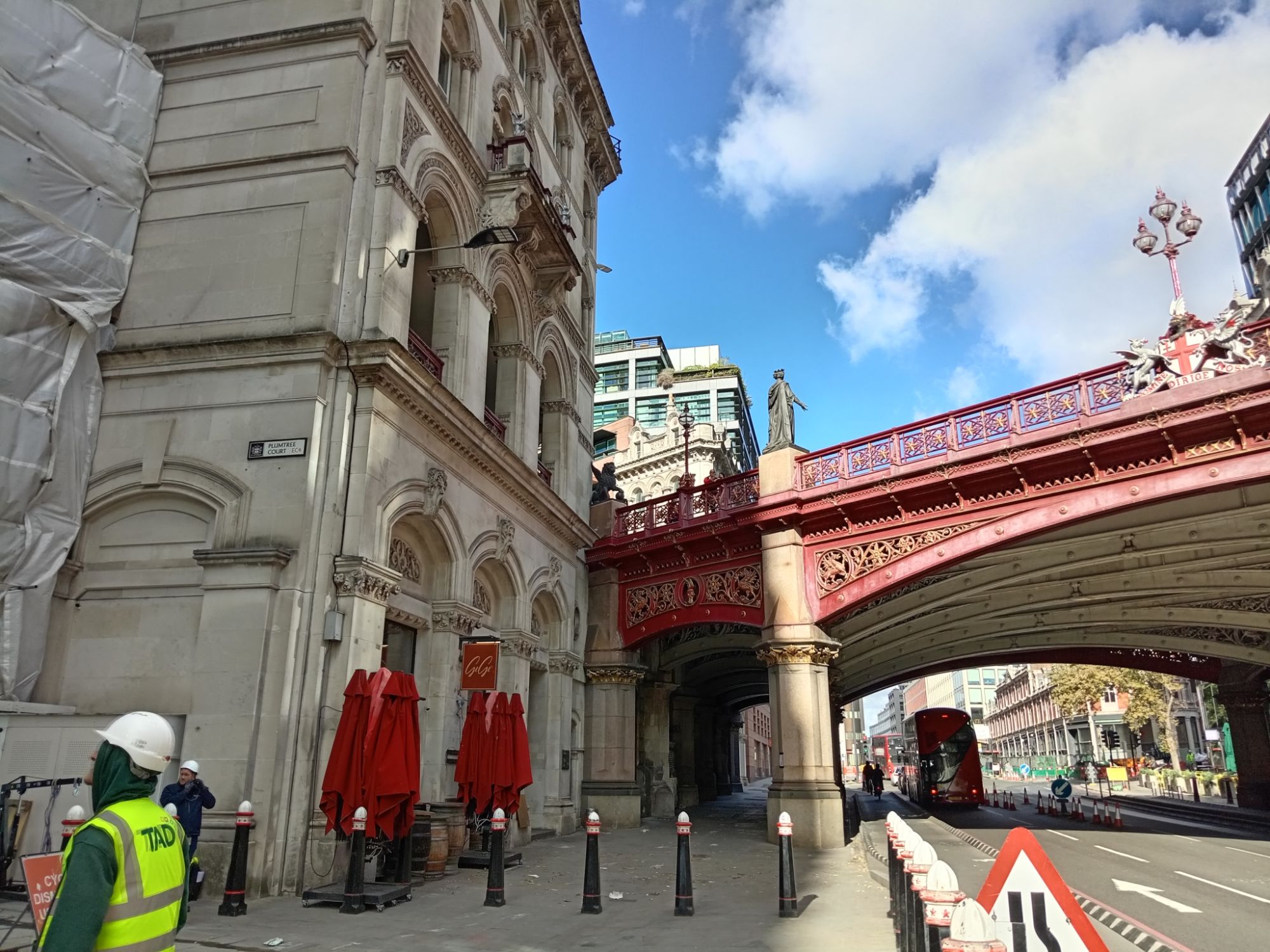
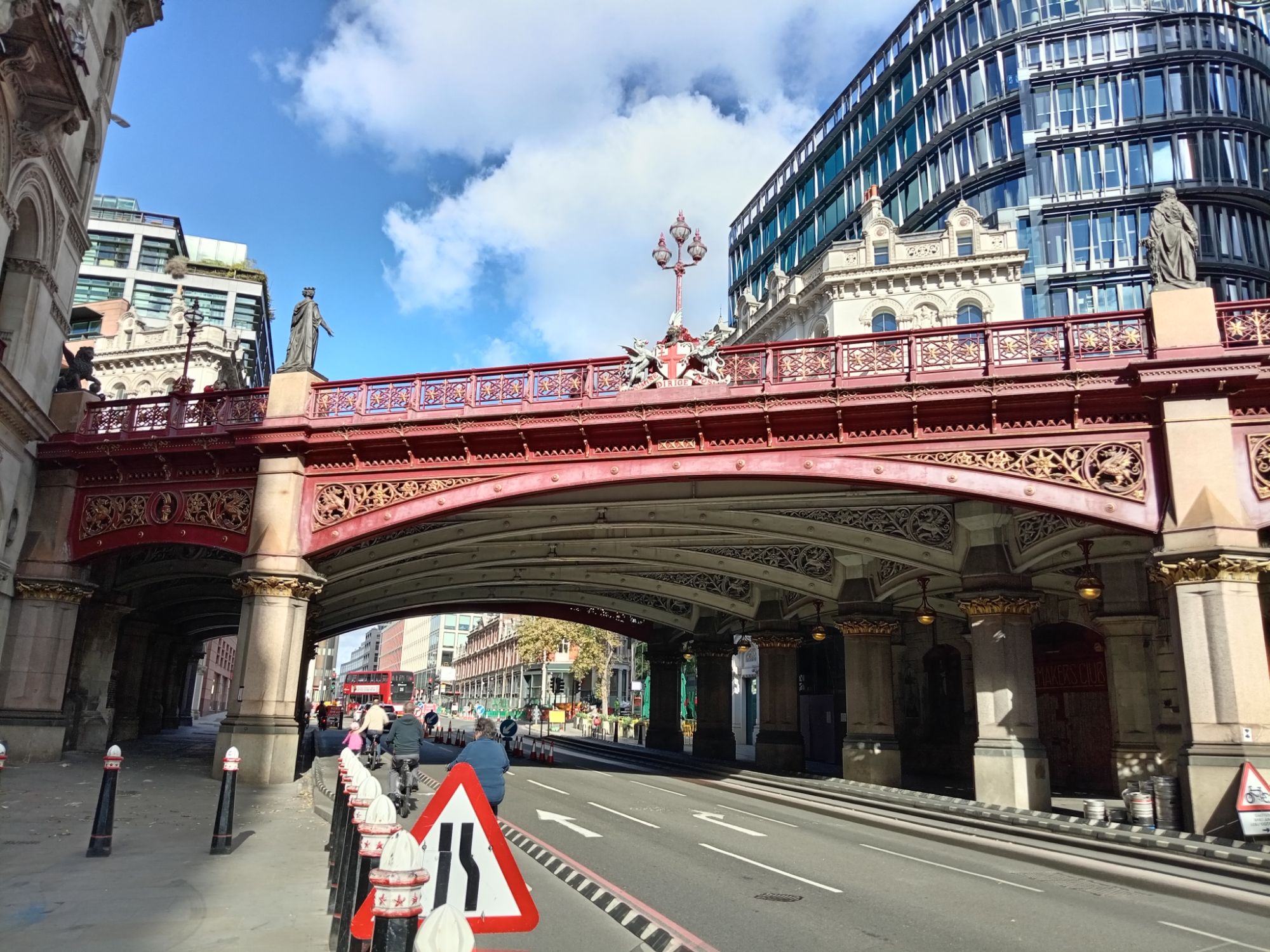
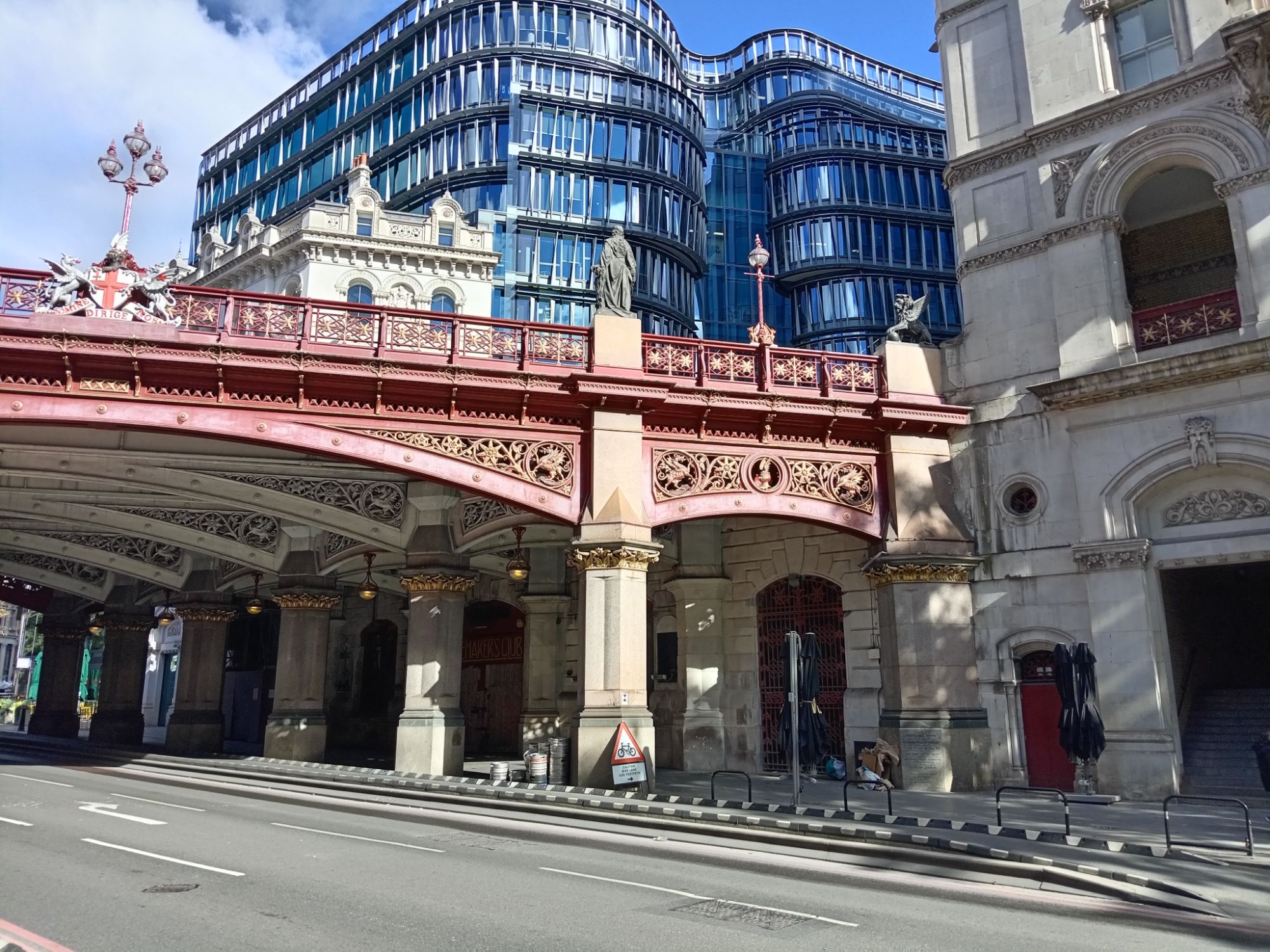

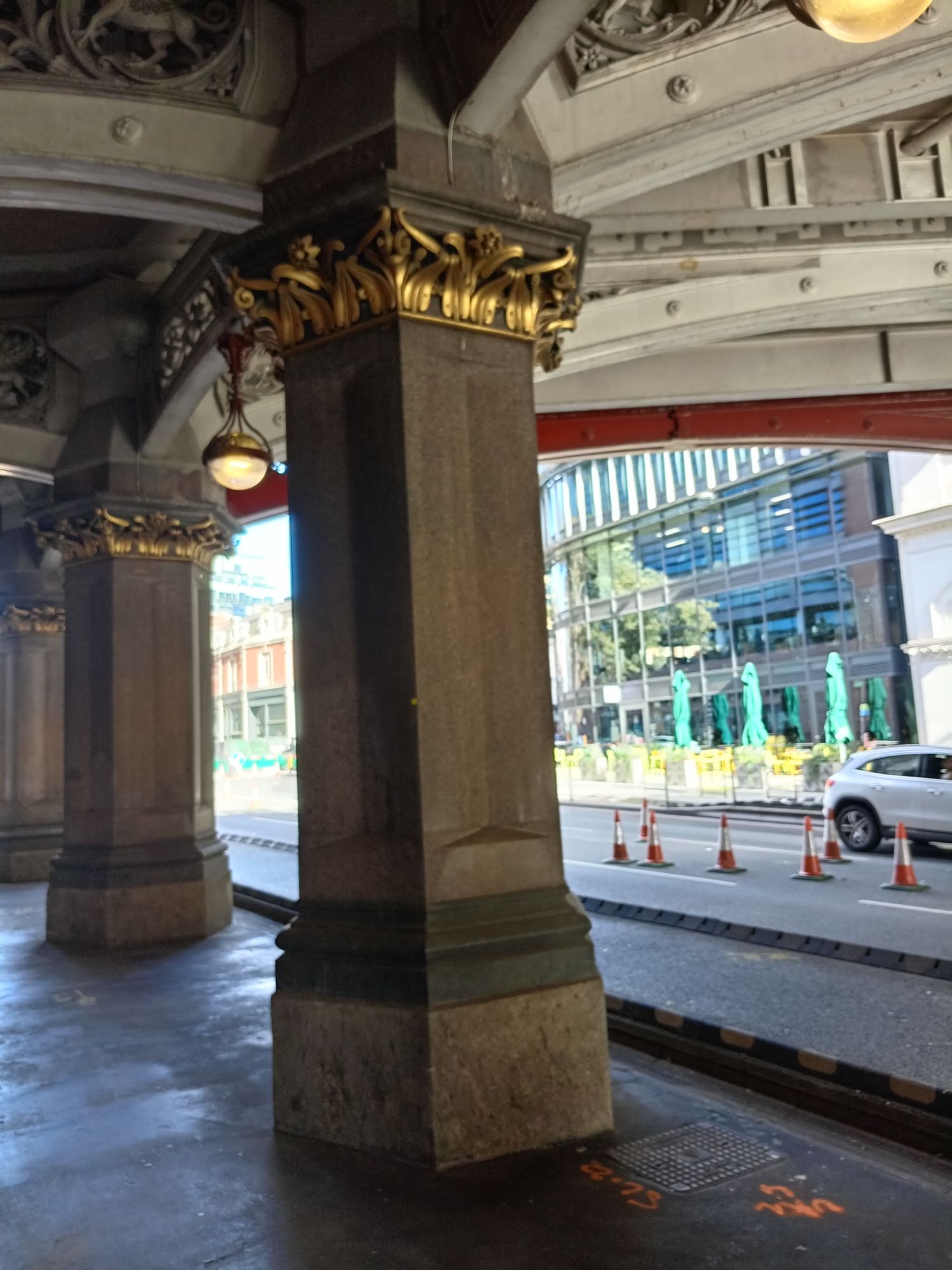
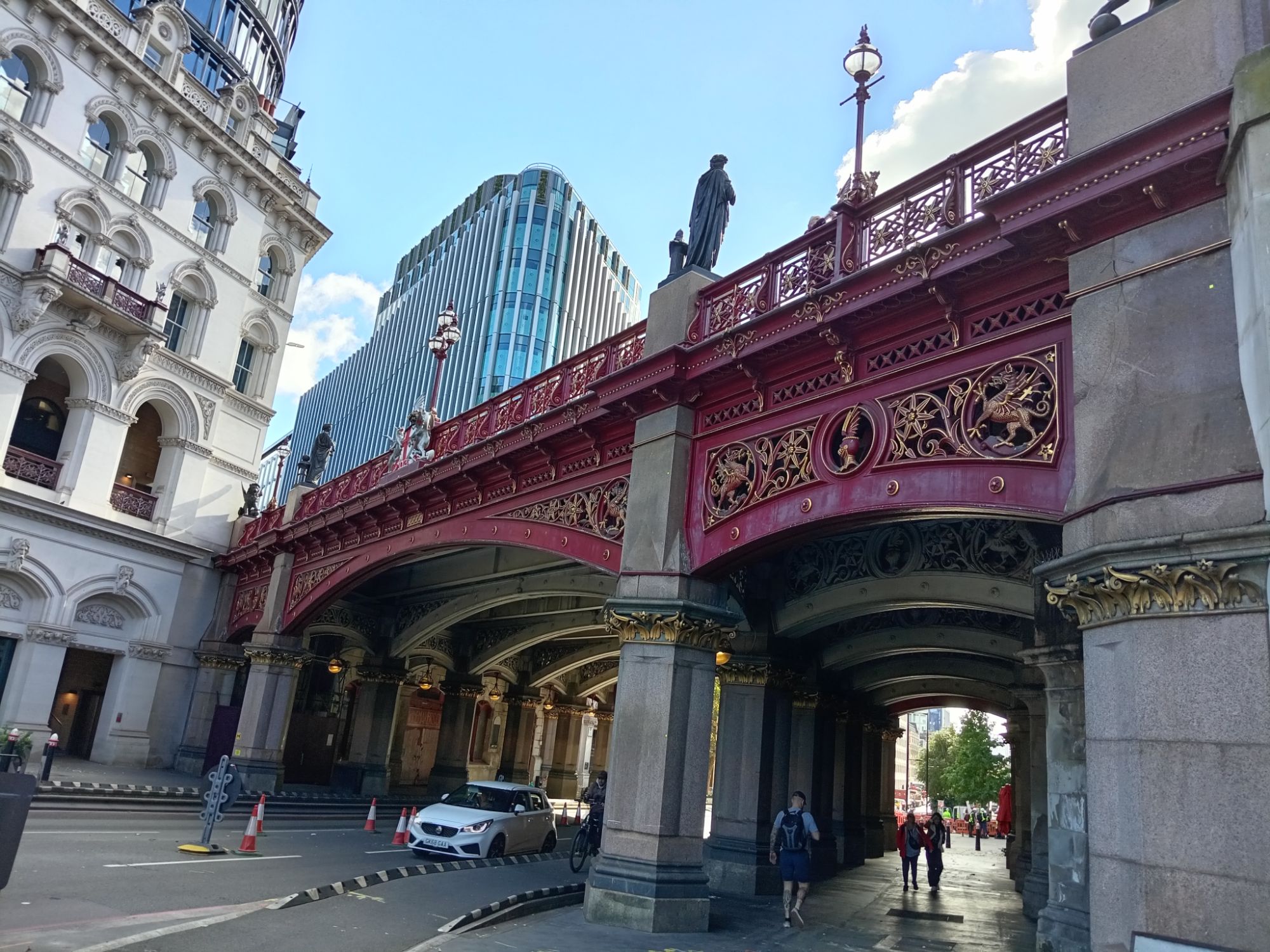
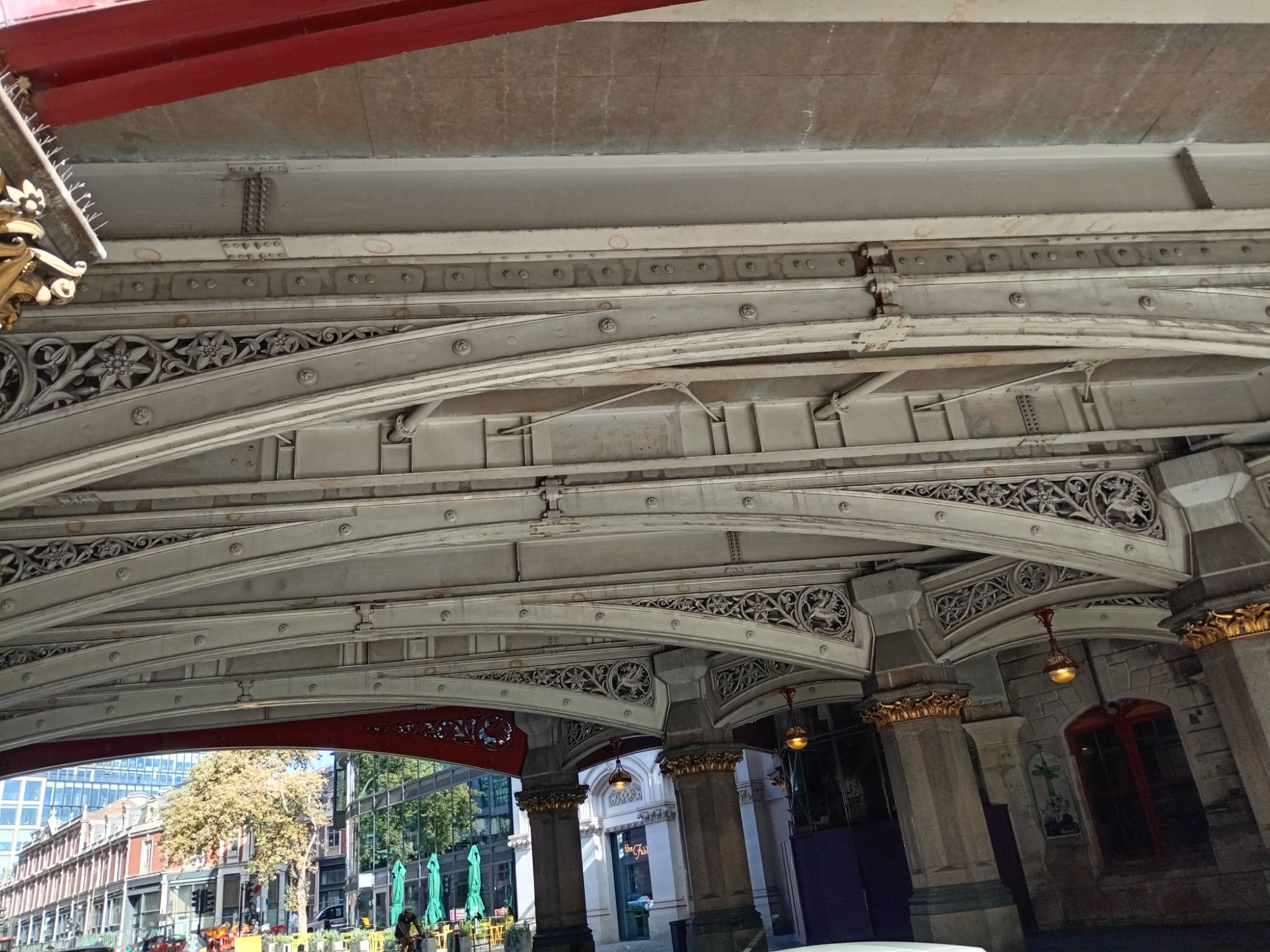
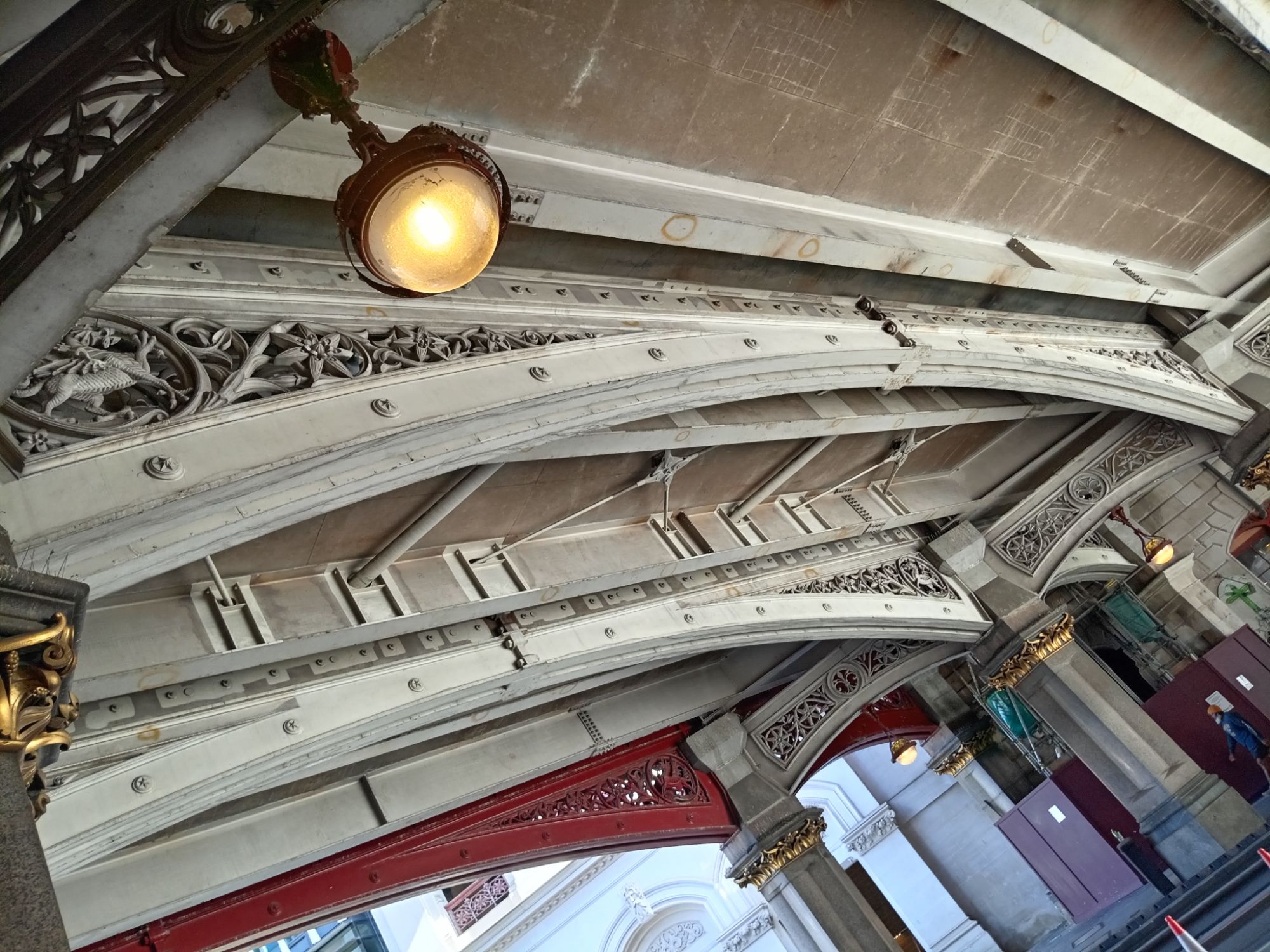
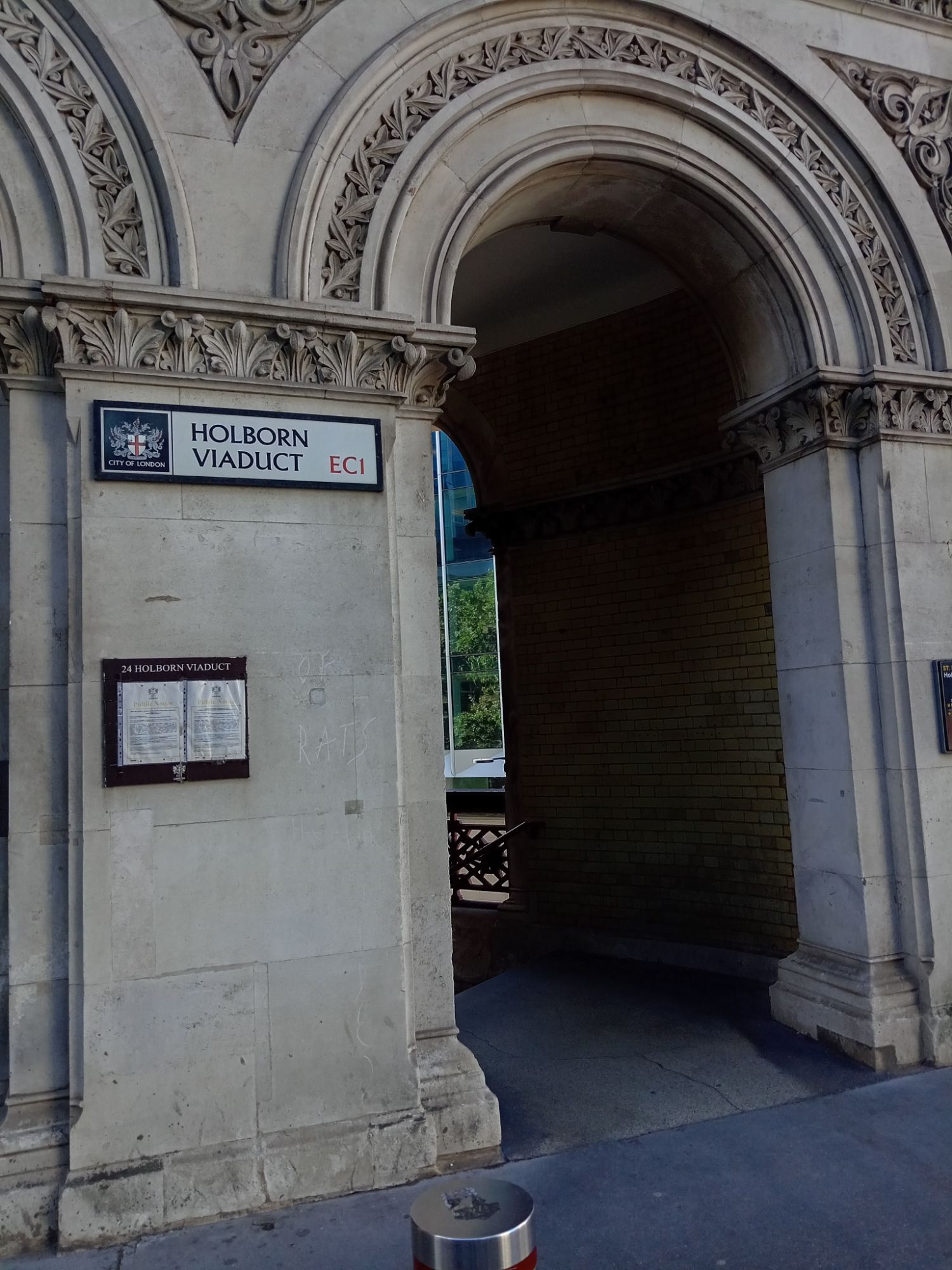
In the mid to late 1860s – the London Authorities decided to spend millions of pounds on a road improvement scheme to aid traffic on the roads. This was required to accommodate the ever-increasing population of workers coming into the cities to work in the many factories. Squalor was great and spectacular – with abject poverty being the order of the day. The ruling classes, at least during the days of Queen Victoria (who possessed no actual power) understood that if something was not done – the workers might rise-up in response. We have visited other areas of London where bridges like this exist. It seems that London had evolved into to two levels – creating steep inclines and bottle-necks. Movement was inefficient and caused traffic-jams and congestion. The government needed to reduce the ability of workers to come together in ad hoc and agitated groups. Therefore, engineers and architects were tasked with creating sturdy bridges that could handle weight and continuous usage – whilst functioning to link one level of existence to another. In a way, the design – at least the steps – remind me of multi-storey car-parks – although in a much more ornate state. Like the original Tube network – thousands of working-class men (many Irish) – dedicated their lives to building these structures. Of course, these ordinary men (who performed all the labour) are not remembered – but only the middle-class who control the means of production. It is through architecture that the current generation gains an understanding of what physically existed and came before them. Through physical structure – the thoughts that were in the mind of the creators can be seen in stone, wood, and cement. Furthermore, the statues tell something about the values and belief of the time.