A Commentary by Yan Shujun (闫树军)
2025-02-01 – Jiangxi
Military Expert, former Senior Colonel in the People’s Liberation Army (PLA), Deputy Director of the Visual Records Committee of the Beijing Ancient Capital Society – High-Quality Contributor.
(Translated By Adrian Chan-Wyles PhD)
Around 186 years ago—in August 1839—the French government purchased the rights to the photographic process invented by the scientist Louis Daguerre, known as the daguerreotype, and unveiled it to the world. Not long after this, photography became a global sensation. Historical records show that in 1844, French customs Prosecutor – Jules Itier – was the first to bring cameras into China and to take the first photographs of Chinese people.
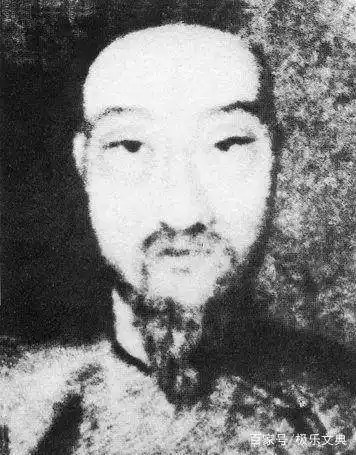
The first Chinese person captured by the camera was Qiying, the Governor-General of Liangguang. In 1856, Denis-Louis Ligorand, who was an employee at the French company Rémy and Smith, came to Shanghai carrying a camera. This foreigner photographed Shanghai during this period.
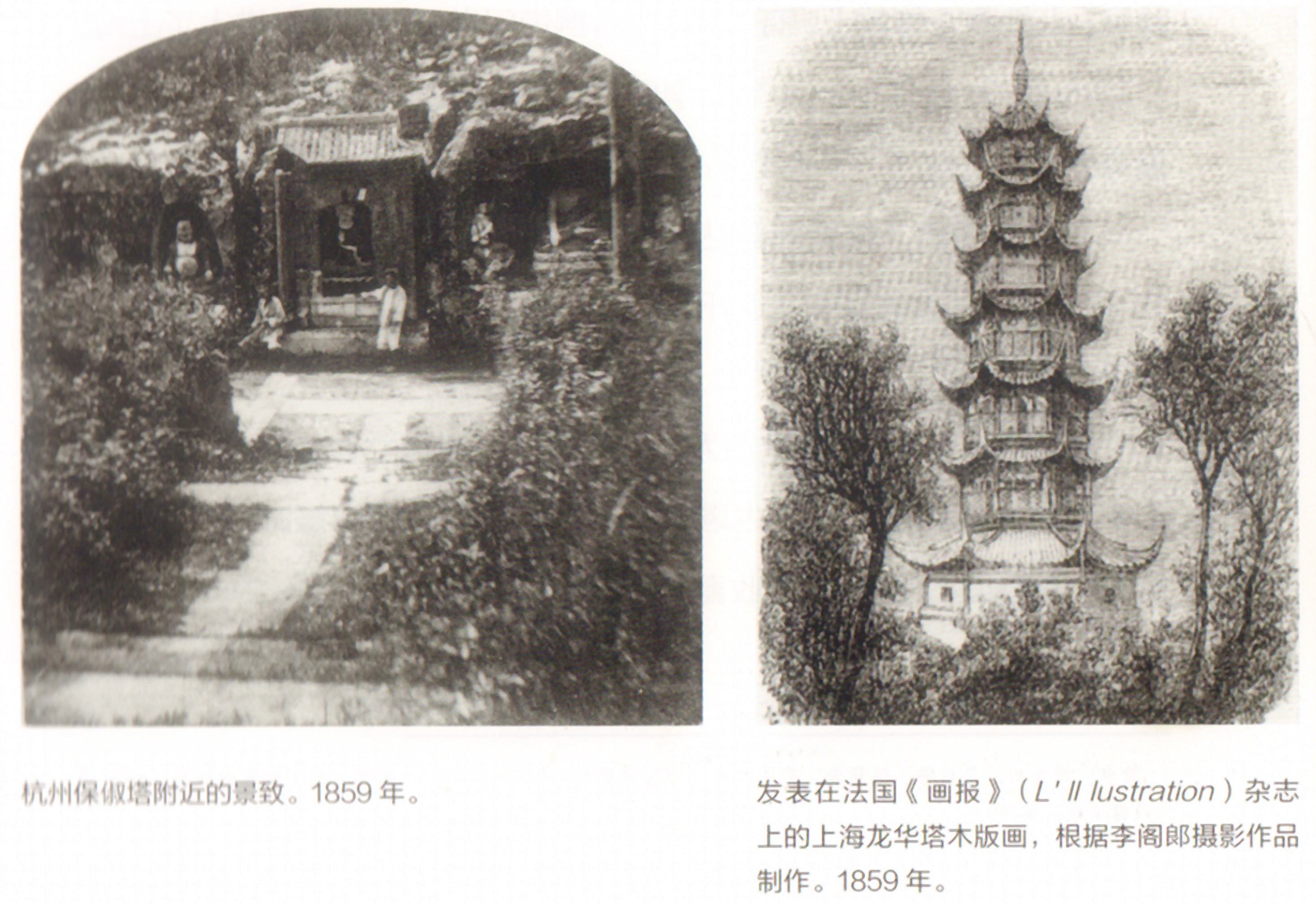
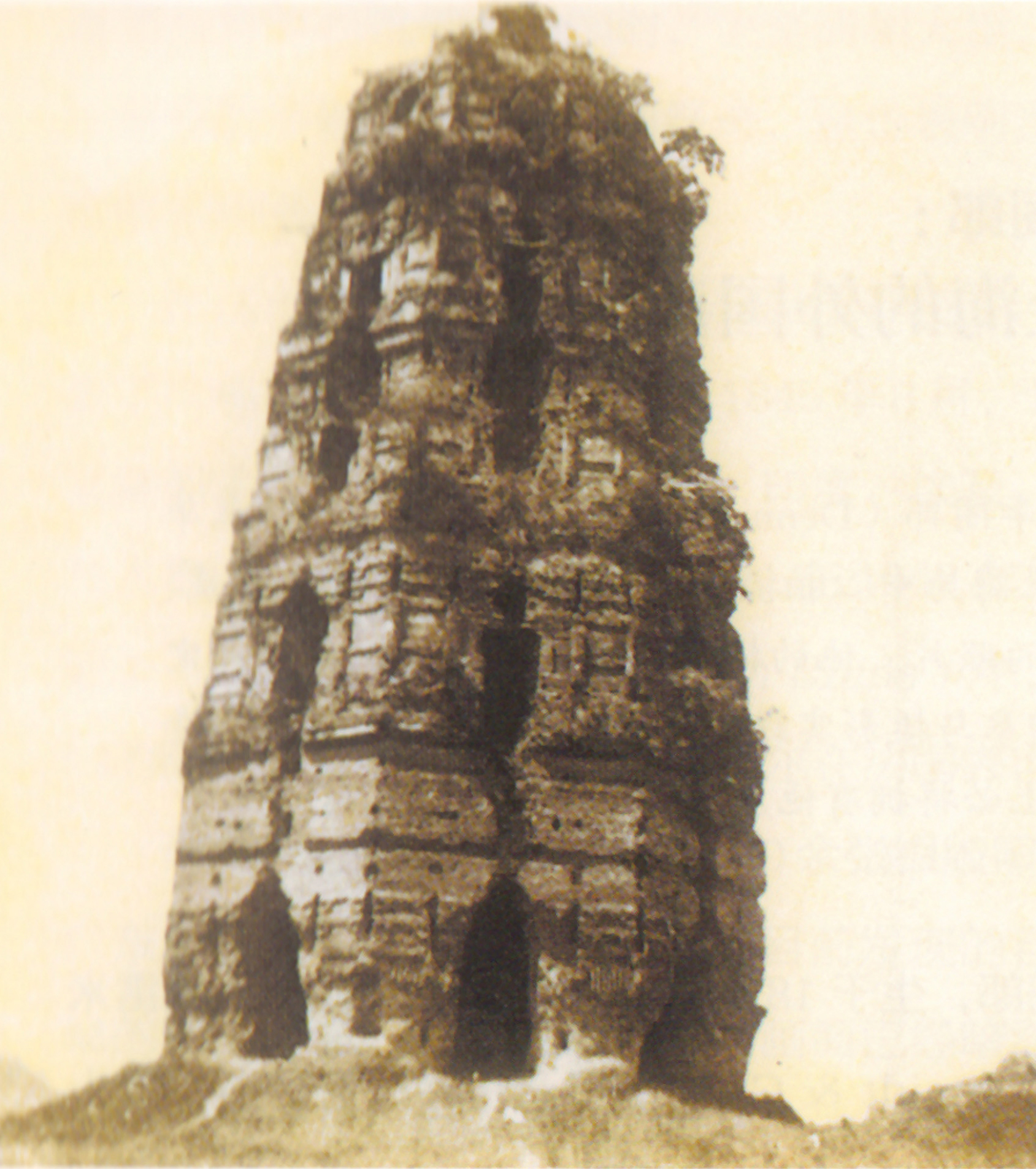
During this photographic journey, he developed a strong interest in ancient Chinese pagodas, leaving behind many famous Chinese pagoda photographs for later generations, including the remnants of the Leifeng Pagoda in Hangzhou (1859).
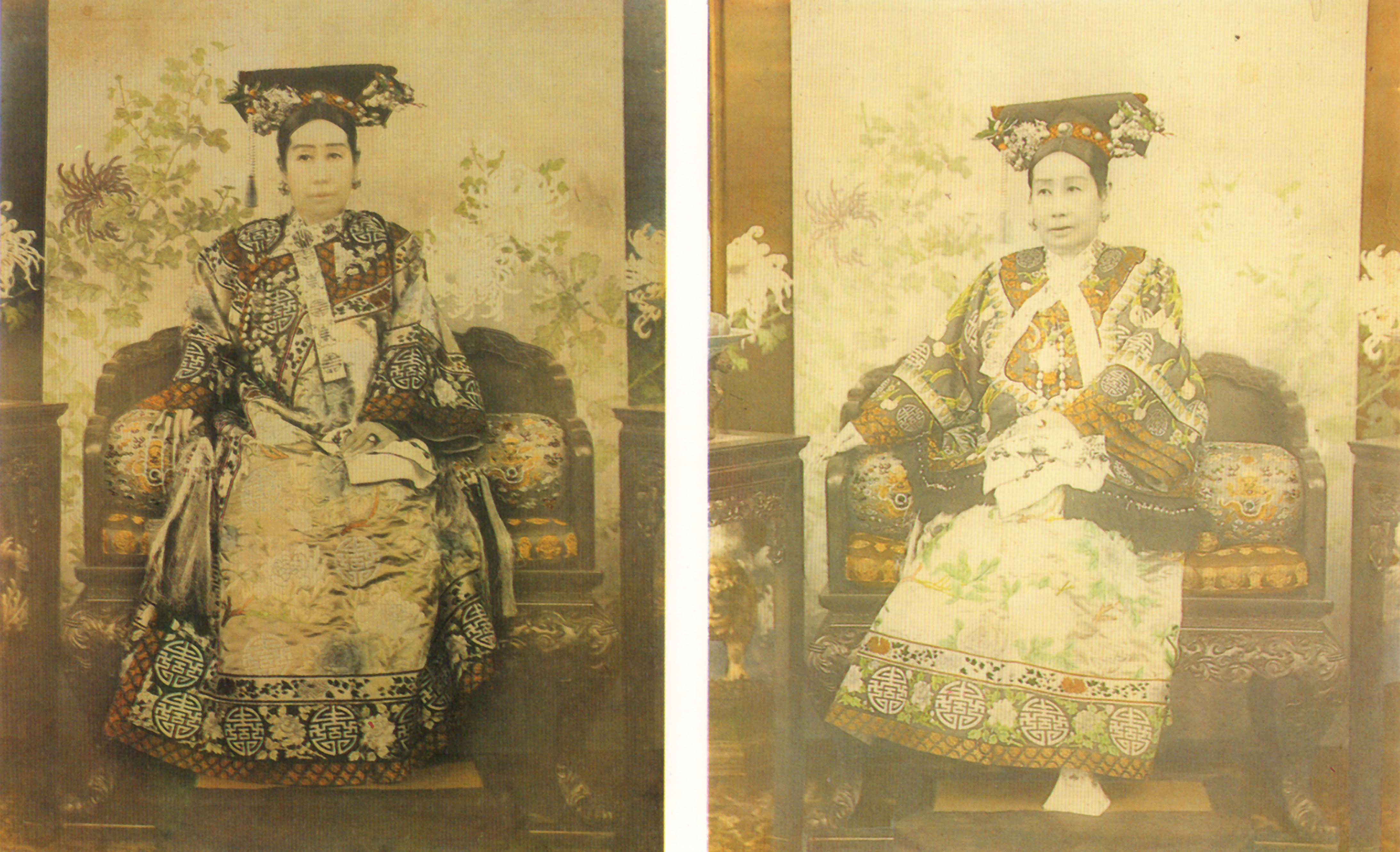
During the Qing Dynasty—particularly when Empress Dowager Cixi held absolute power—she went to great lengths to prevent photography from reaching northern China, claiming that it was a “bizarre craft” capable of “capturing a person’s soul”.
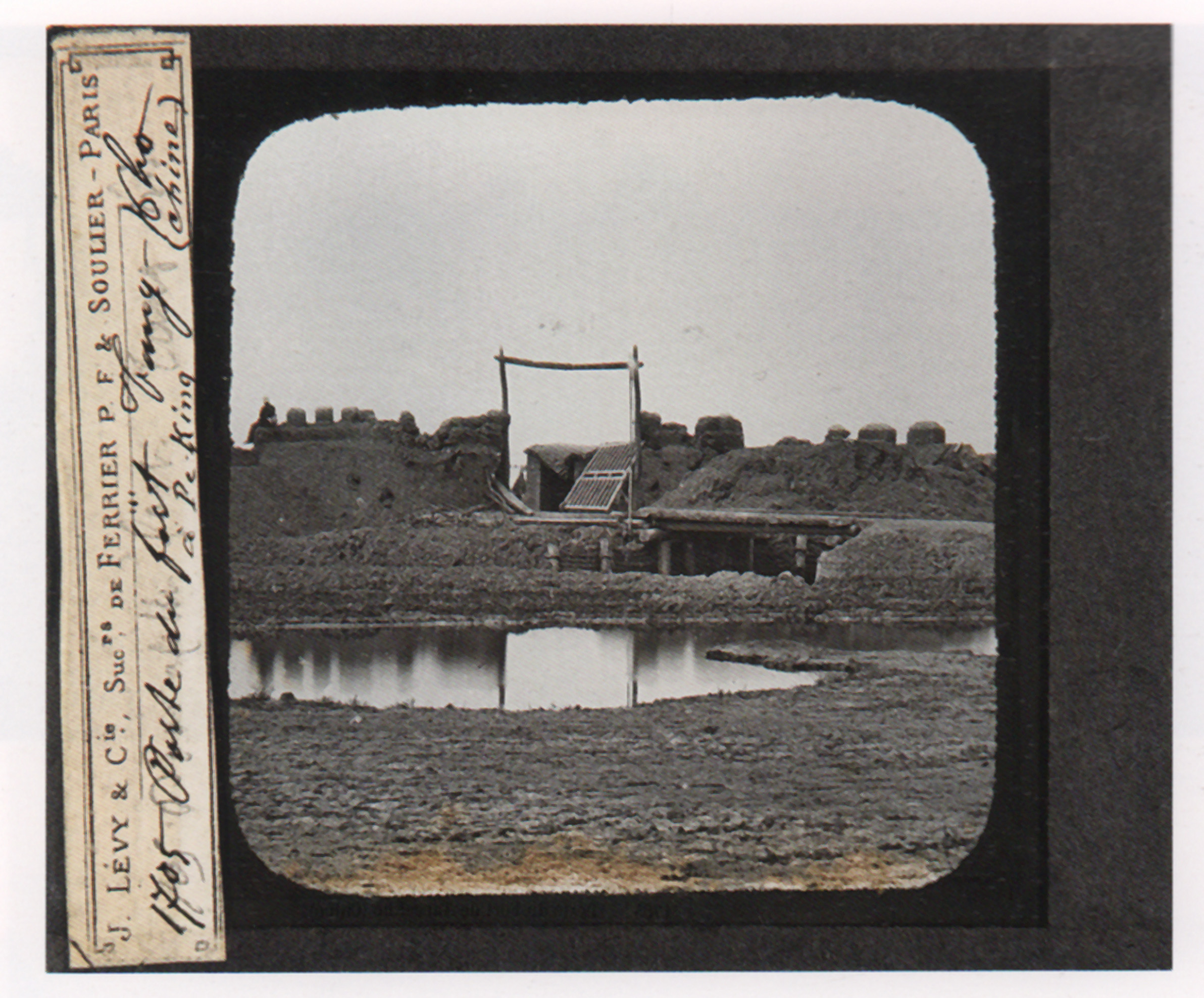
Ultimately, the Empress failed to stop the powerful ships and cannons of the Western powers. John Ashton Pabilon, a photographer for the British Royal Engineers Corps, joined the Anglo-French forces in 1860 – and it was he who transitioned photography into northern China. He photographed the Battle of Dagu Entrance in August 1860 and the Battle of Bali Bridge in September. However, due to health reasons, he did not follow the Anglo-French forces into Beijing. Beijing’s tragic history did not stop with these events.
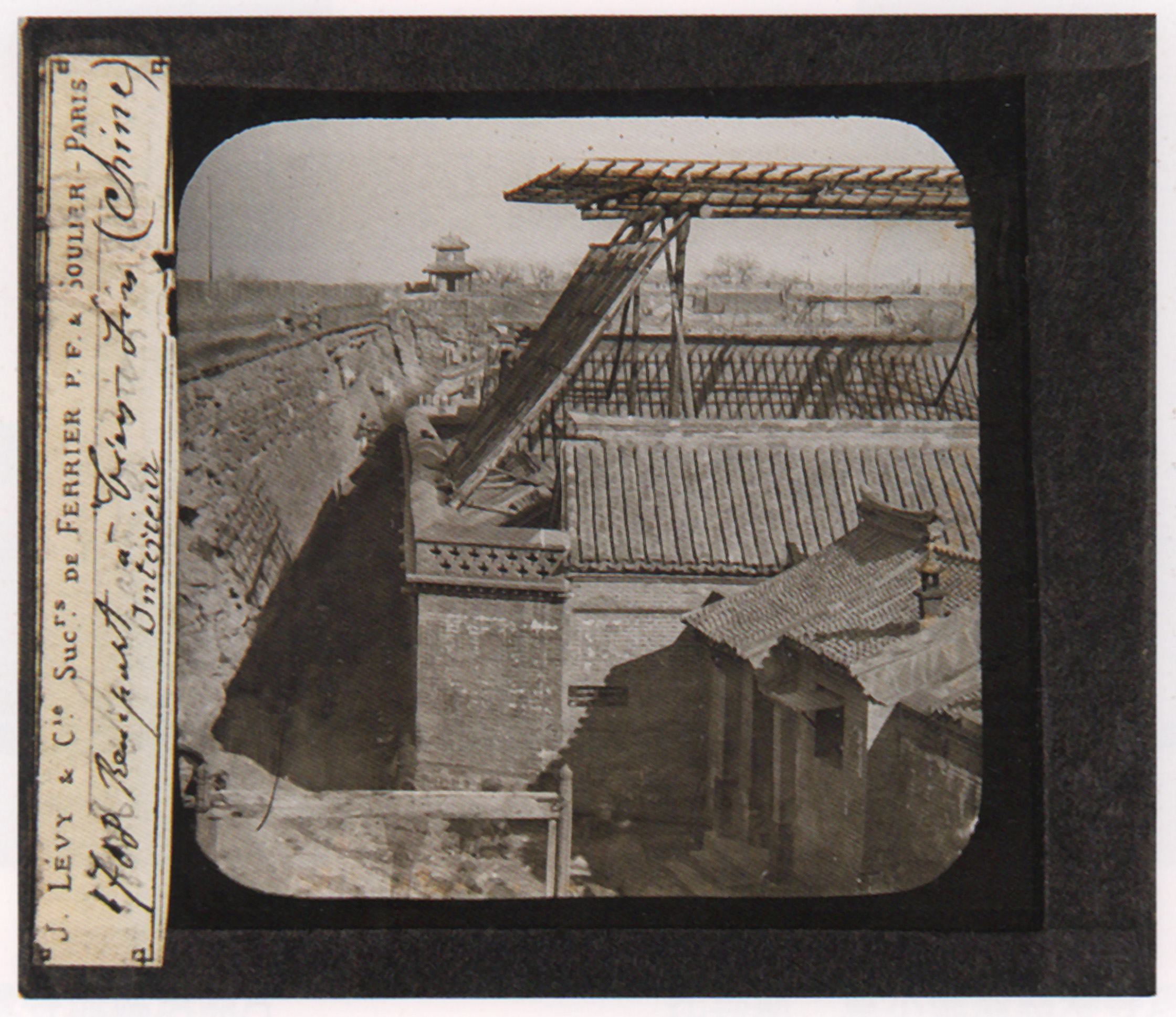
A French amateur photographer – Charles Louis de Siréré Dubin – as the Director of the French Army’s Surveying Department, entered Beijing and captured the city with all the arrogance of an invader.
Joining him in Beijing was a British war photo-journalist – Felice Beato. Beato was the first to “capture” (illegally) the panoramic view of Beijing’s inner city – and also photograph the Imperial Gardens before the Old Summer Palace was burned. Dubin and Beato were both invaders, both arrogantly entering Beijing with the demeanour of conquerors.
Therefore, when studying the history of Beijing photographs – we must firmly identify these images as being the products of unwanted and barbaric invaders – or opportunistic bandits – those who committed heinous crimes in Beijing with their accomplices. Once these facts are confirmed, an objective (contextualised) discussion about the value of these photographs – can take place. At that time, Dubin was an amateur part-time photographer. Perhaps because he was not a full-time professional, he preserved the reality of Beijing in another way, creating 30 glass stereoscopic photographs of the chosen scenes.
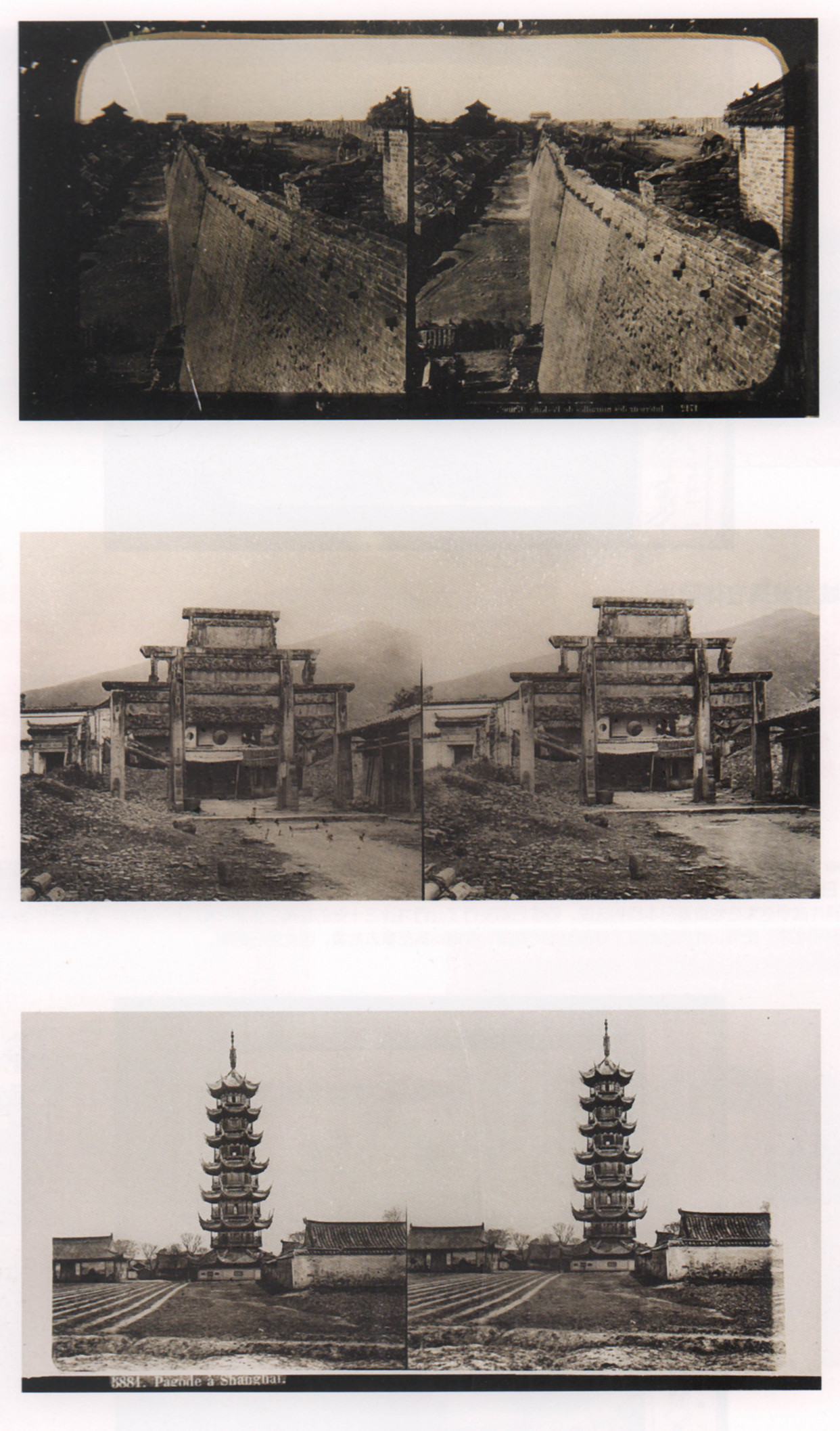
At that time, stereoscopic photographs relied on two identical photographs observed through simple viewing devices – using visual principles to present a 3D effect by combining images. Just the fact that glass 3D photographs are so fragile makes these pictures extremely rare, and all the more precious. Dubin, while participating in the raid on the Old Summer Palace with the Anglo-French forces, was blinded by treasures. Not only did he not take any photographs there, but he also looted the treasures and later auctioned them off – an act of destructive greed which made him notorious.
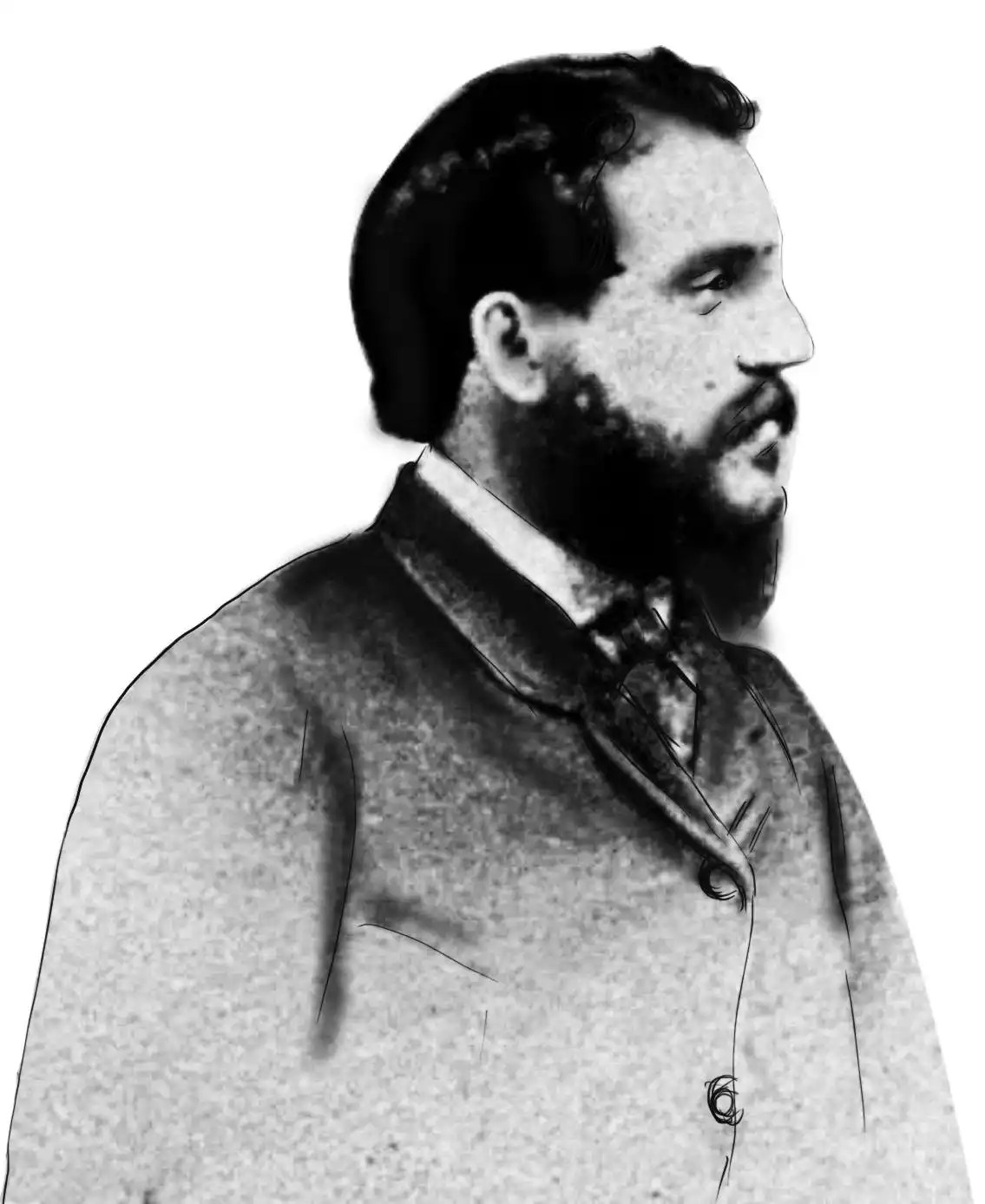
Although the military photo-journalist Felice Beato was an invader, he had studied the city before entering Beijing, so besides photographing the outskirts of Beijing, he also proudly climbed the Zhengyangmen Tower to (illegally) “capture” the imperial Tiananmen area. This place were forbidden for ordinary people to set eyes on.

This photograph is included in Felice Beato’s *Photographic Views of China* and is frequently cited and used. In fact, the original print is still held by the British Museum today. Another version of this image appeared as a printed reproduction as early as the Republican era. In 1991, while conducting research on Beijing images, I purchased a the following item at a relatively high price at a second-hand market near Baoguo Temple in Beijing:
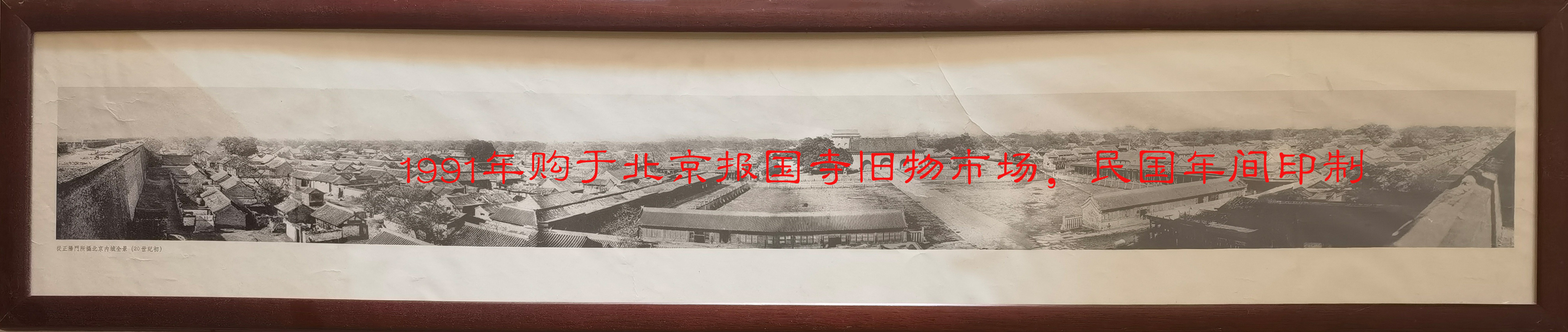
What is truly curious, however, is that more than 30 years have since passed, yet this particular panoramic scene remains in my possession alone; I have neither encountered nor discovered the existence of a second copy. Thus, for the time being, it can be said that the earliest images of the Inner City of Beijing—specifically the area around Tiananmen—(found in printed materials from the Republic of China era) exist only in my personal collection; no one else possesses them. In terms of historical narrative, this photograph—a view of Beijing’s Inner City forcibly captured by Anglo-French aggressors—represents an eternal source of pain for the Chinese people. It serves as stark, tangible proof that a nation left behind will inevitably fall victim to aggression.
Chinese Language Text:
史实上真了:北京城第一张照片的表述与记忆
2025-02-01 01:41江西军事专家,原解放军大校,北京古都学会影像专委会副主任,优质军
186年前,也就是1839年8月,法国政府购买了科学家达盖尔发明的摄影技术——银版摄影术的发明权,并将它公布于世。
很快,摄影术便风靡了整个世界。有史料表明:1844年,法国海关总检察官于勒·埃及尔,最先将相机带入中国,并为中国人拍摄了第一张照片。
被摄入照相机的中国人是两广总督耆英。
1856年,在法国雷米和史密斯公司当雇员的丹尼斯·路易·李阁郎,携带照相机来到上海。这个老外拍摄了那个时期的上海。
在拍照过程中,他对中国的古塔有了极浓厚的兴趣,所以他为后世留下许多中国名塔的照片,其中就有1859年的杭州雷峰塔残迹。
而在大清王朝,特别是慈禧独权之时,她以“摄影是奇艺淫巧”能摄走人的灵魂,极尽全力阻止摄影术进入北方。
但终究没有阻止住西方列强的坚船利炮。英国皇家工程兵部队摄影师约翰·阿什顿·帕比隆就是在1860年随英法联军转战到中国北方。他在1860年8月拍摄了大沽口战役和9月的八里桥战役。但此时他因身体原因,没有跟随英法联军进入北京城。
而悲情的北京历史并没有止步
一个法国业余摄影师查尔斯·路易·德西蕾雷·杜宾,以法军测绘部主任的身份,进入北京城,以侵略者的傲慢拍摄了北京城。与他同时进入北京城的还有一位英国战地摄影记者费利斯·比托。比托是第一个“祼拍”北京内城全景、也拍摄了圆明园被焚之前皇家园林照片的人。杜宾和比托,都是侵略者,都是以傲慢的、征服者的姿态踏进北京城的
所以我们研究北京城影像史,必须先确定他们侵略者的身份,他们是强盗,是在北京犯下滔天罪行的人,是帮凶。确定这些后,我们再来说,这两个人拍摄的照片。
在当时,杜宾是业余兼职摄影师,或许正是因他的不专职,却以另一种方式留下了当时北京城的真实,他把拍摄场景制成了30张玻璃立体照片。
当时的立体照片,就是借着两张同样的照片和简单的观赏装置,运用视觉原理,使得照片呈现立体3D效果。仅就玻璃立体照片易碎这一点,其存世量就极少,由此,显得弥足珍贵。而杜宾,随英法联军在参与了对圆明园的劫掠时,被宝物迷了双眼,所以在圆明园他不仅没有拍摄照片,还对圆明园的宝物进行了劫掠,并在其后将这些宝物拿去拍卖,因此恶名昭彰。
而作为侵略者的军事摄影记者比托,是在进北京之前,对北京城进行过研究,所以他除了拍摄北京城的外围,更是狂傲地登上正阳门城楼,“祼拍”了皇家禁地天安门地区。
这个由6张照片的接片而成的照片,由准确的日期标记:1860年10月24日。
这张照片收录在费利斯·比托《中国影像集》中,这也是人们广泛引征使用的。事实上,这张照片的原片,至今还在大英博物馆内。对于这张照片的另一种表现方式,则是在民国年间,就有了印刷品。
我在1991年进行北京影像研究时,在北京报国寺的旧货市场,以较高的价钱购了一张。但很是蹊跷的是,30多年过去,这一长幅场景,仅在我这里有一张,没遇到、也没有发现有第二张出现。
所以,暂时可以这样说,最早北京城内城的、天安门地区的影像(民国印刷品),仅在我这里有珍藏,他人没有。而在表述上,这张照片是英法强盗强行拍摄的北京内城照片,这是中国人永远的痛!也是落后就挨打的实证!

