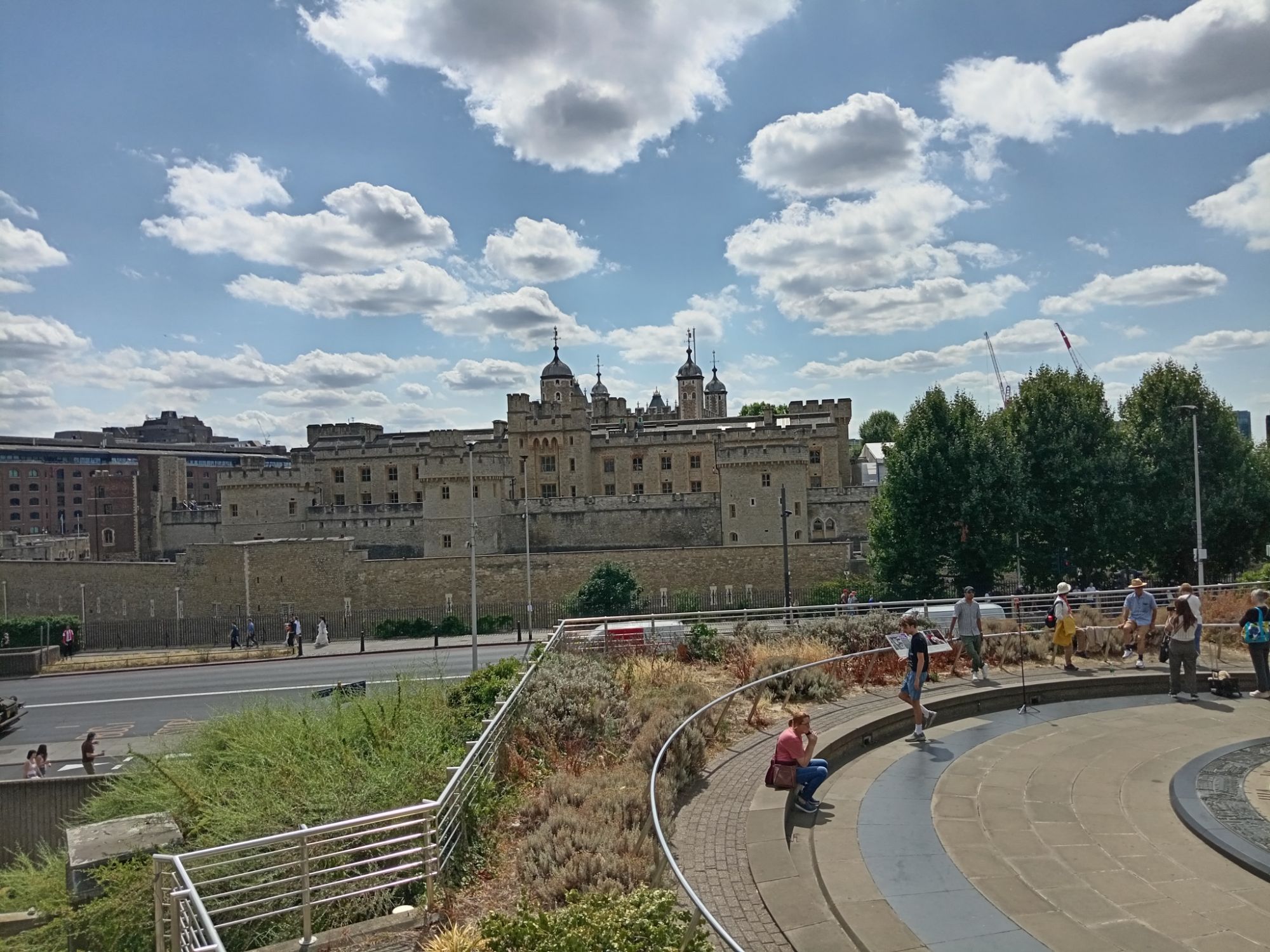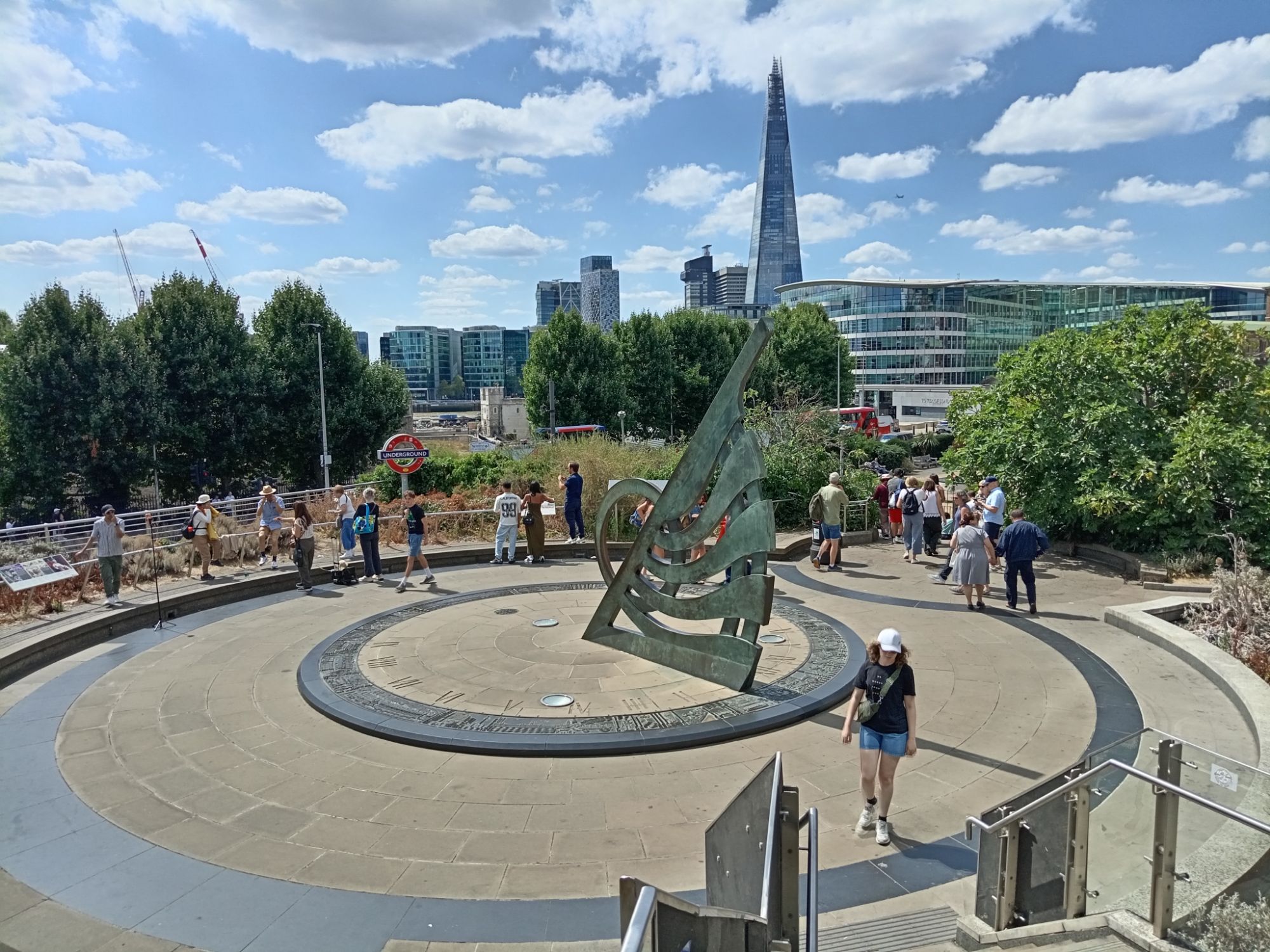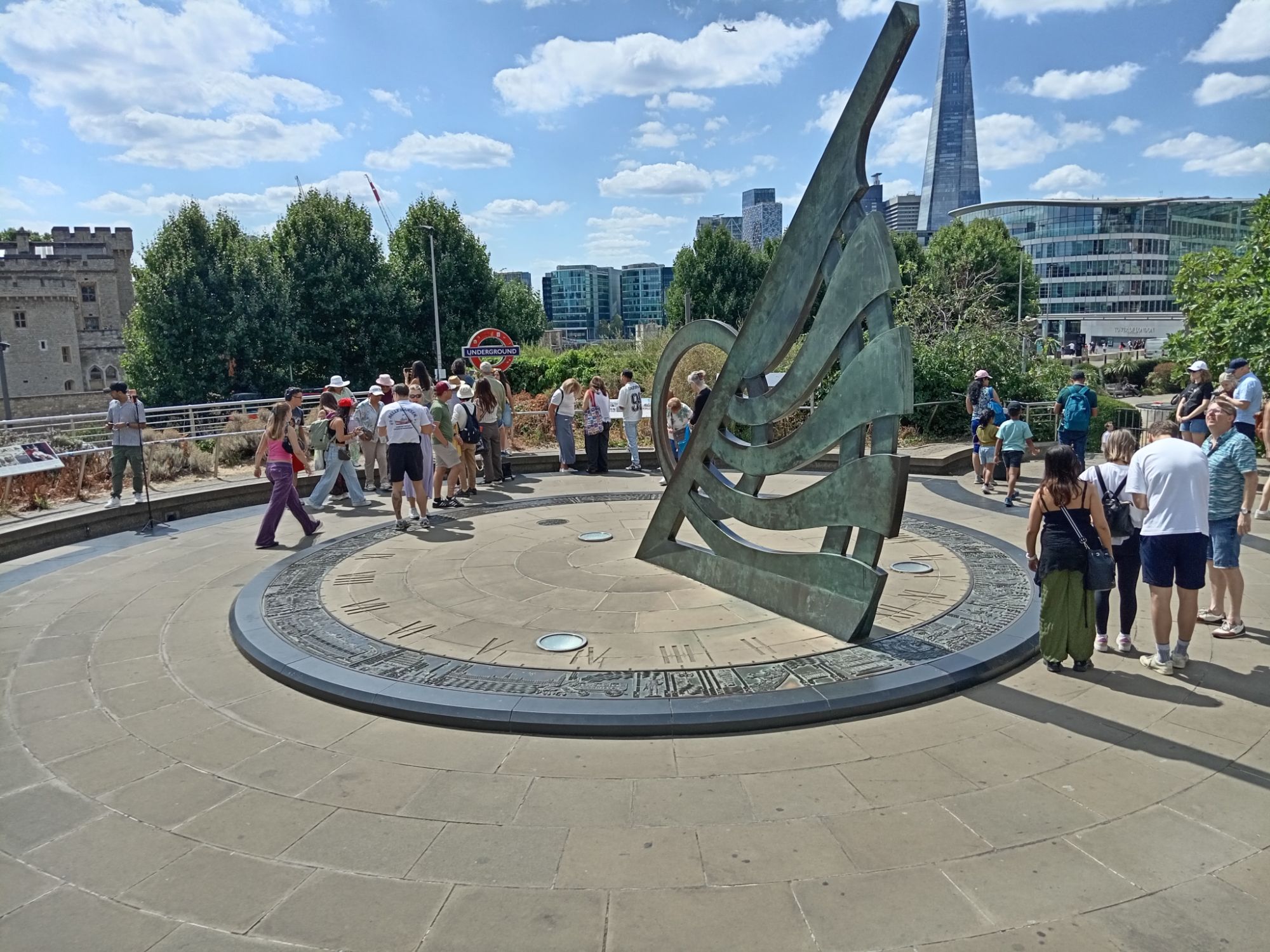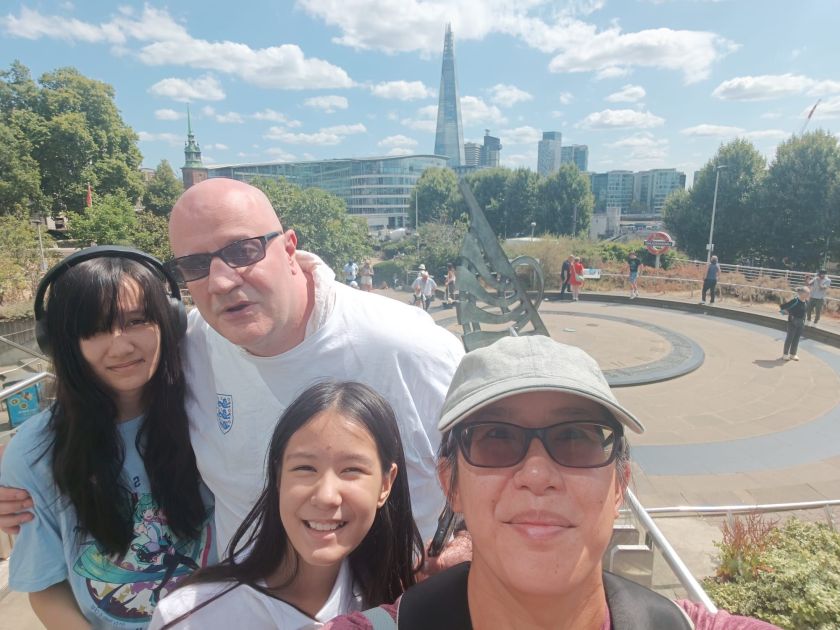
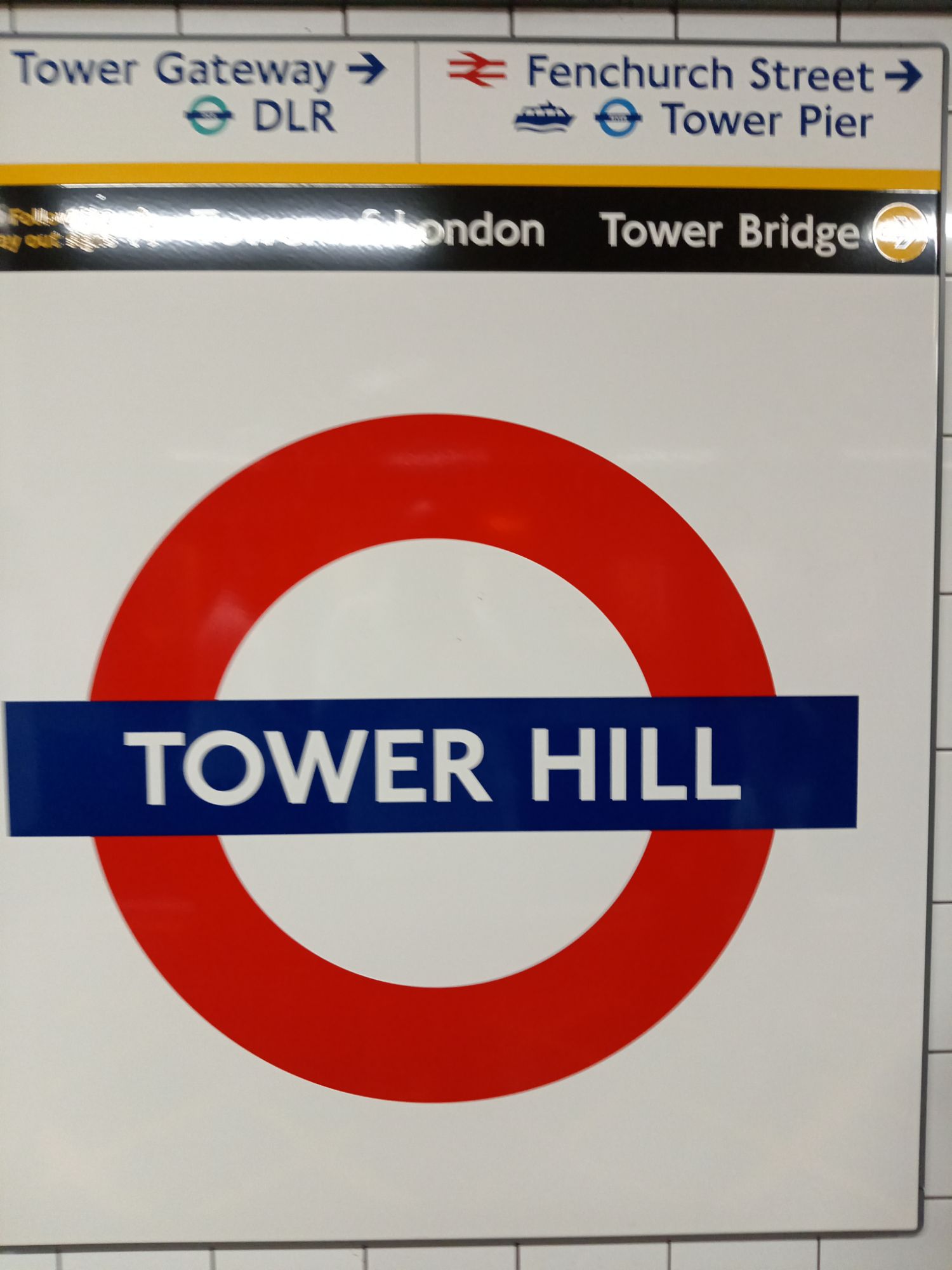
Although we have visited the Tower of London in recent years (you can see this structure behind the sun-dial) – we actually alighted from the Tower Hill Tube Stop exit at the other side of this open space – heading in the opposite direction. As such, we completely missed this giant sun-dial and were not aware of its presence. Yesterday, (31.7.2026) we visited the Tower Bridge – which allowed us to leave the Tube by its other exit – thus permitting a close-up encounter with the giant sun-dial.
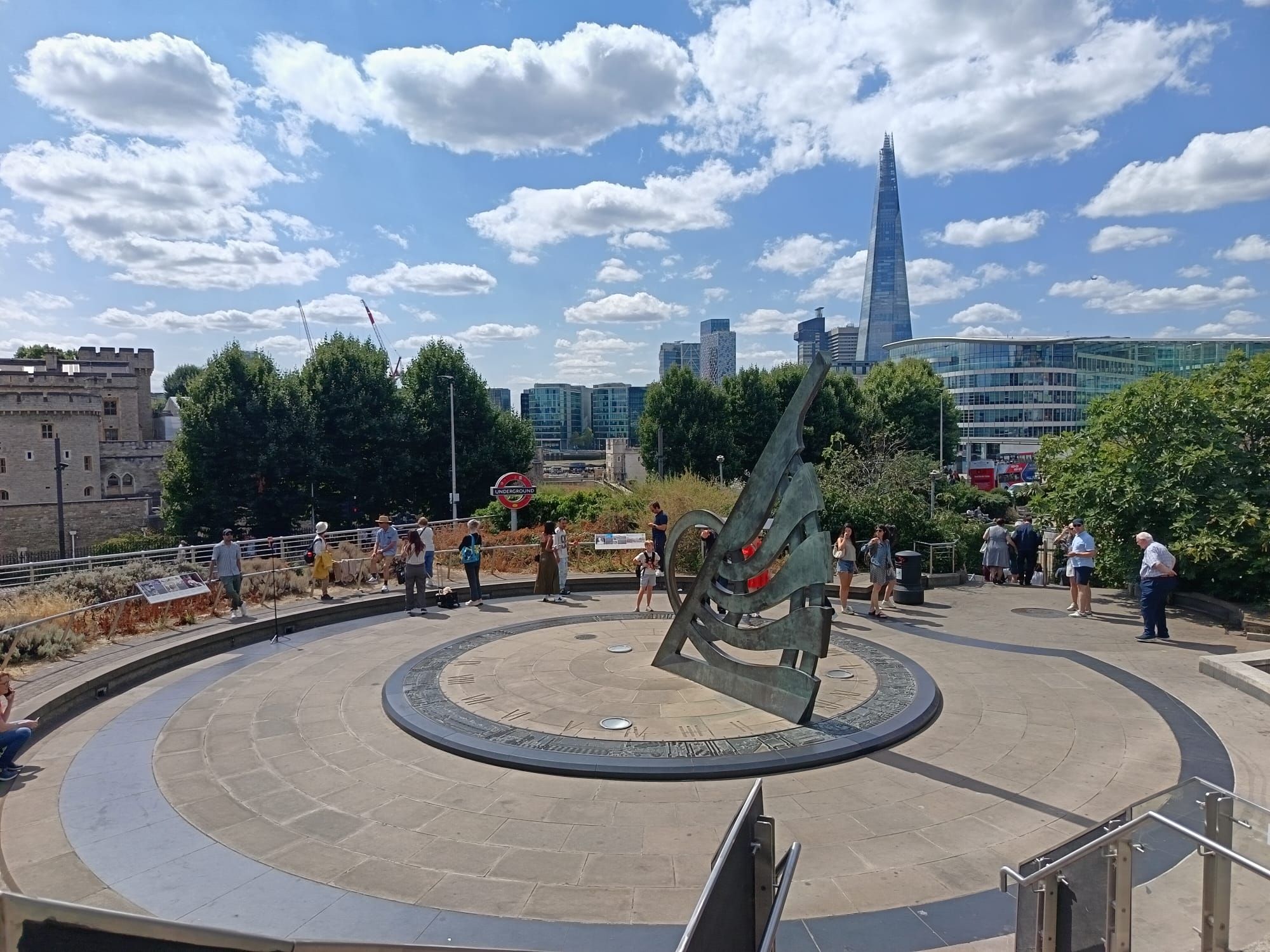
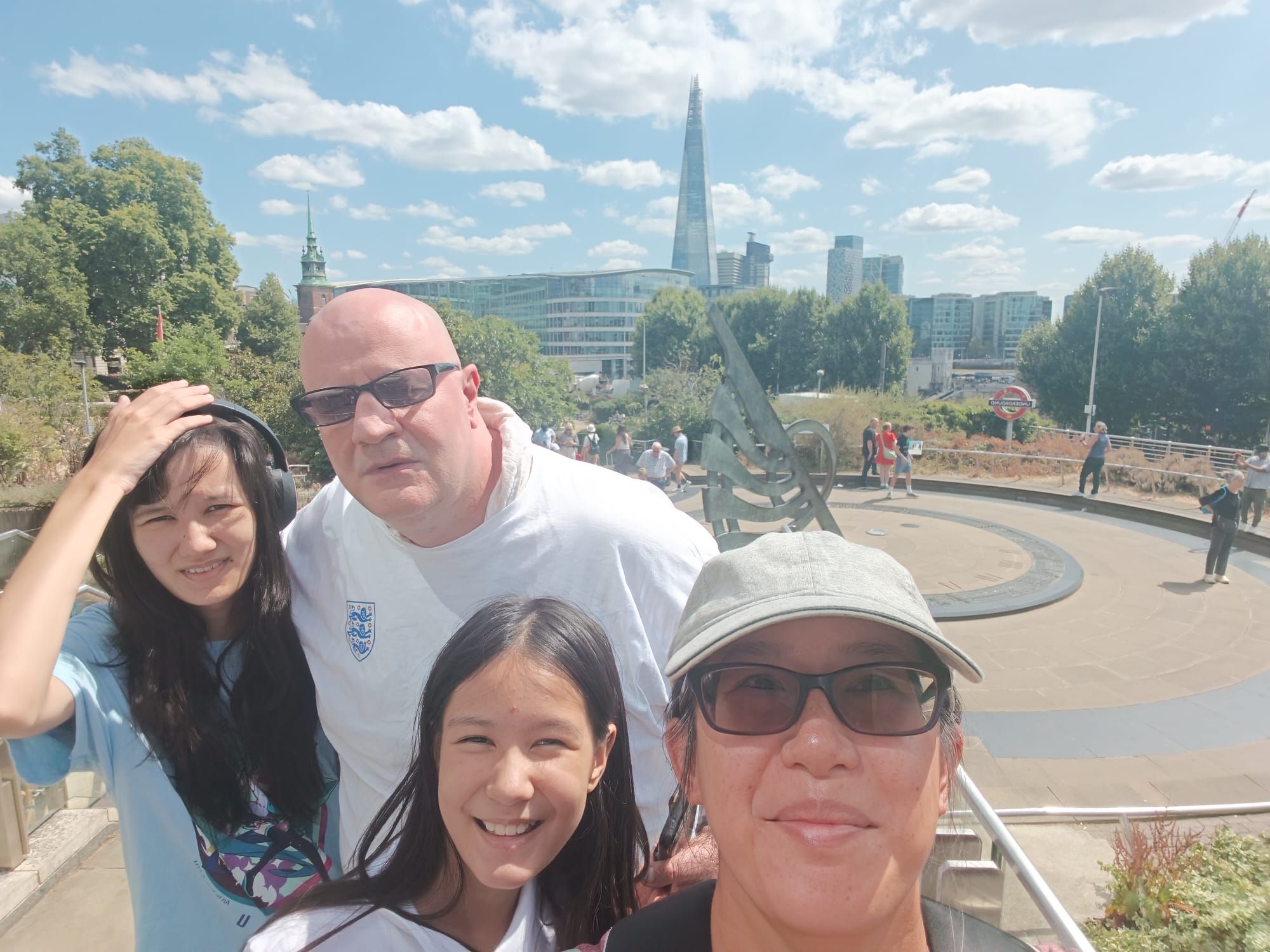
The children have seen the sun-dial at the former home of Charles Darwin in Kent – so they were aware of the mechanism and the science behind its functioning. What impressed them (and us) was the sheer scale of this structure. Everyone attempts to get the best and all inclusive photographs. We have always followed the idea that the more the children physically experience – the greater will be their progressive thinking capacity! This sun-dial is fascinating to encounter – similar to finding a maze! London – like England – is full of these kinds of things and we are lucky to live so close to it all!
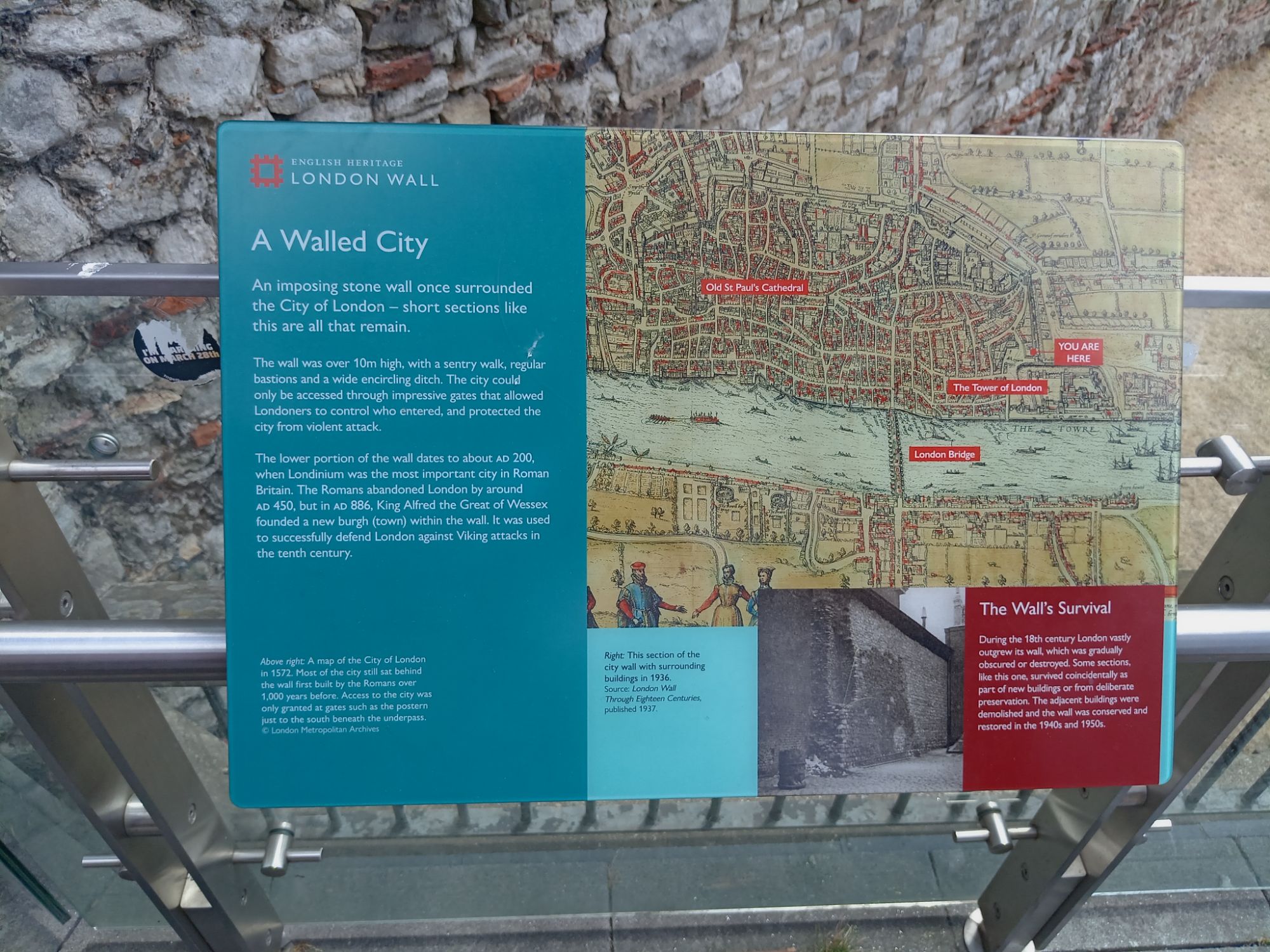
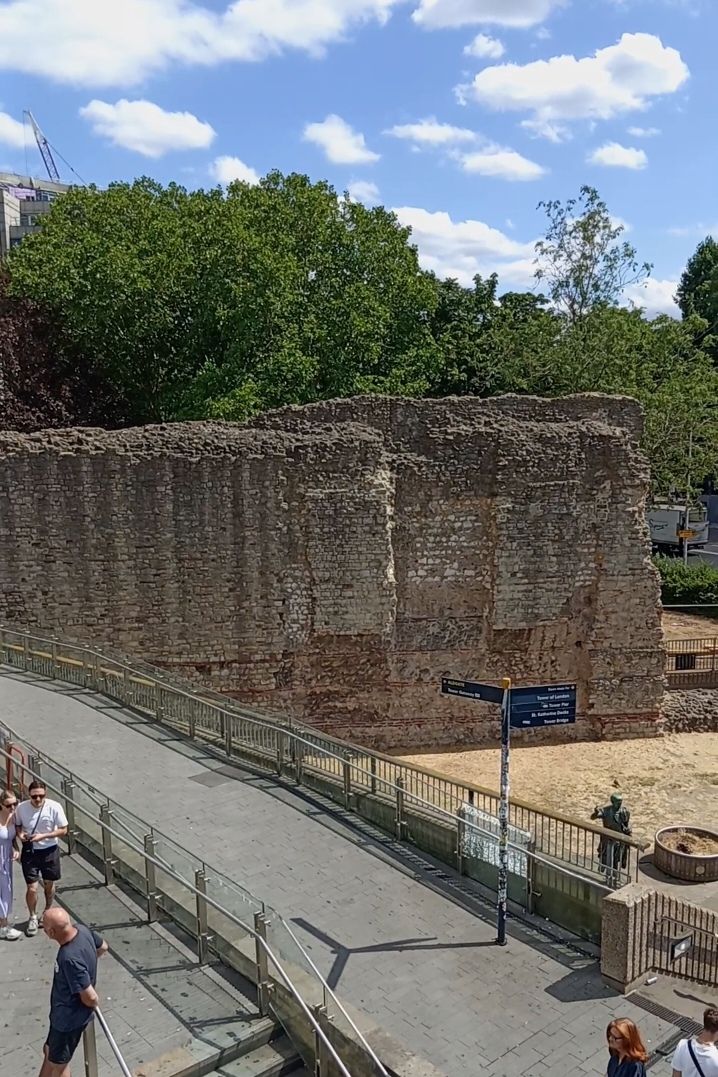
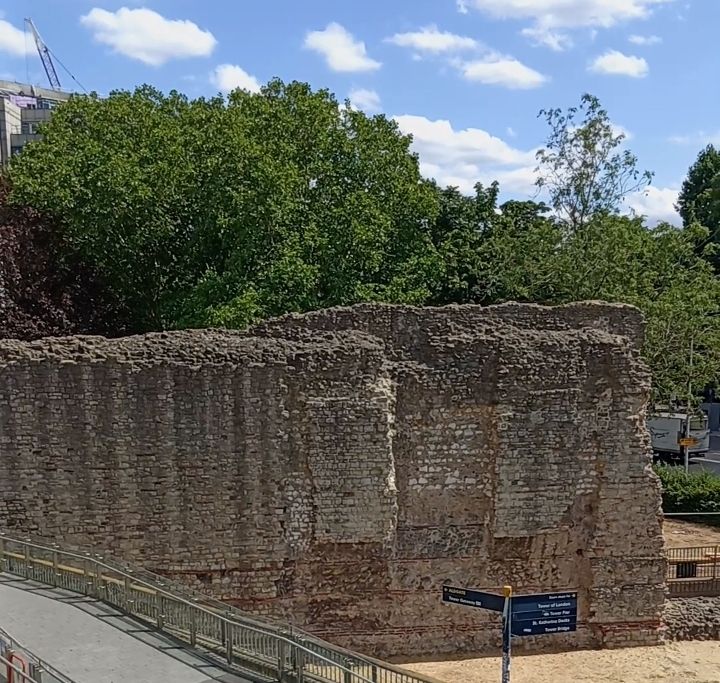
The Romans originally invade England in 55 BCE and 54 BCE – both times by legends led by Julius Caesar. He had fought a massive battle in Gaul (France) and essentially wiped-out the collected tribes of the Celts – of which the British were part. Hundreds of thousands of Celts were killed and wounded by the Romans in Gaul – who suffered thousands of casualties themselves. Therefore, Caesar’s invasion of England was relatively lightweight with little full commitment. There was some fighting in the South-East – but the British Celts gave a good account of themselves. A truce was decided whilst the British “promised” to subjugate themselves to Rome. A year later (54 BCE) – Caesar re-invaded, fought a small battle and told the British Celts to hold-up their promises. Caesar then returned to Rome and the distant British Isles were forgotten about. Yes – occasionally – (and very infrequently) – tributes were sent to Rome when ordered, but there was no real commitment and the British remained entirely “free” of direct Roman rule. This came to an end in 43 CE when the Emperor Claudius ordered a full and complete invasion, occupation, and subjugation of the British Celtic tribes. The Romans developed “Londinium” as one of its capitals – and built a defensive wall around it – part of which can be seen above.