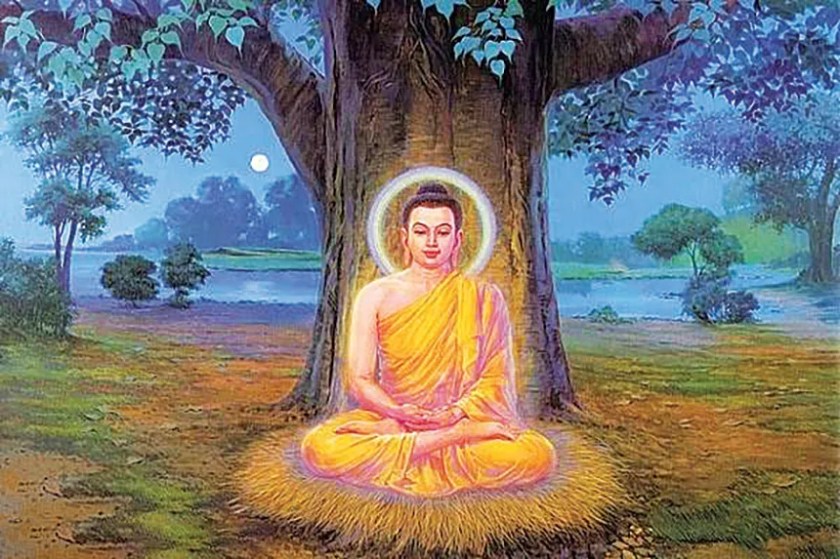
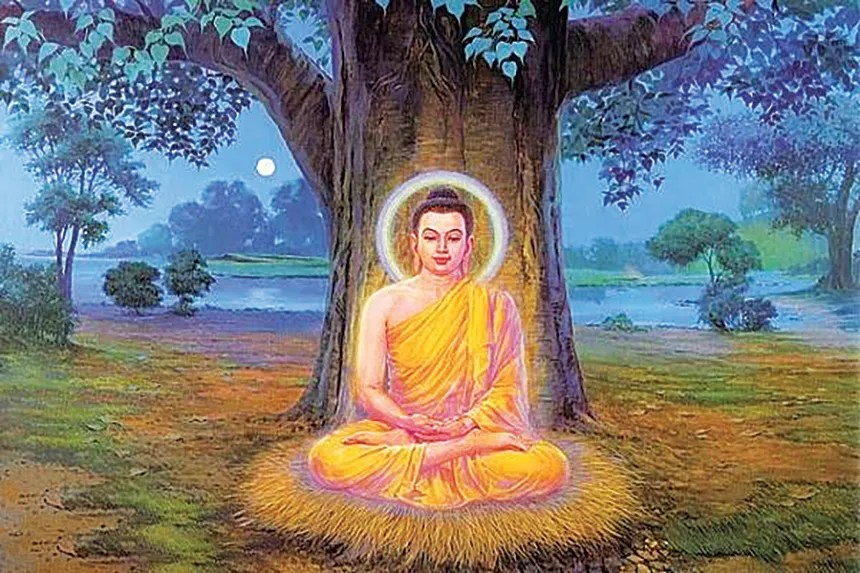
When I was in Sri Lanka in 1996, and training in the Theravada tradition, the act of seated meditation uprooting greed, hatred, and delusion was continuously referred to as “Bhavana”. Within China, the common term is “Ch’an” which derives from the Indian Sanskrit “Dhyana” (Pali: “Jhana”). Indeed, within the 5000 or so Buddhist texts, there are a number of technical terms denoting this activity. This is how “Bhavana” is described in various Pali Dictionary:
‘Bhavana Yoga: A meditative practice aimed at removing mental afflictions (such as lust, anger, greed, attachment, and ego) and fostering positive energy and the purification of consciousness is also referred to as ‘Bhavana Yoga’.’
(भावना योग: मानसिक विकारों (काम, क्रोध, लोभ, मोह, अहंकार आदि) को दूर करने और सकारात्मक ऊर्जा व चेतना के शुद्धिकरण की एक साधना पद्धति को भी ‘भावना योग’ कहा जाता है।)
New Concise Pali English Dictionary
Bhāvanā (feminine)
increase; development by means of thought; meditation
Digital Pāḷi Dictionary
bhāvanā 1: fem. developing; cultivating; meditating; lit. causing to be [√bhū + *e + anā]
PTS Pali English Dictionary
Bhāvanā (feminine)
Producing, dwelling on something, putting one’s thoughts to, application, developing by means of thought or meditation, cultivation by mind, culture
Within the Chinese-language, “Bhavana” (भावना) is expressed as “修習’ (xiu xi):
修 = “Repair”
習 = “Training”
Through the correct use of “perception” (the mind correctly guided), a true understanding of the “conditions” of reality is attained. Within the Vinaya Discipline, the Buddha explains enlightenment as:
7) Now Upaka, a man belonging to the Agivaka sect (i.e. the sect of naked ascetic), saw the Blessed One traavelling on the road, between Gaya and the Bodhi tree; and when he saw him, he said to the Blessed One: ‘Your contenance, friend, is serene; your complexion is pure and bright. In whose name, friend, have you retired from the world? Who is your teacher? Whose doctrine do you profess?’
8) When Upaka the Agivaka had spoken thus, the Blessed One addressed him in the following stanzas:
‘I have overcome all foes; I am all-wise; I am free from stains in every way; I have left everything; and have obtained emancipation by the destruction of desire. Having myself gained knowledge, whom should I call my master? I have no teacher; no one is equal to me; in the worli am the holy oned of men and of gods no being is like me; in the world of men and of gods no being is like me. I am the holy One in this world, I am the highest teacher, I alone am the absolute Sambuddha; I have gained coolness (by the extinction of all passion) and have obtained Nirvana. To found the Kingdom of Truth I go to the city of Kasla (Benares); I will beat the drum of the Immortal in the darkness of this world.’
9) (Upaka replied): ‘You profess then, friend, to be the holy, absolute Jina.’
(Buddha said): ‘Like me are all Jinas who have reached extinction of the Asavas (1); I have overcome all states of sinfulness; therefore, Upaka, am I the Jina.
Footnote 1: Sensuality, individuality, delusion, and ignorance (Kama, Bhava, Ditthi, and Avidya).
(The Sacred Books of the East – F Max Muller – Vol. XIII – Vinaya Texts – Part I The Patimokkha – The Mahavagga I-IV, Motilal, (1982), Pages 90-91)
The Buddha, in the earliest texts, talks about the uprooting of the “Asavas” – which are considered the root of “ignorance”. Ignorance is the basis of greed, hatred, and delusion. The Asavas form a co-dependent chain of suffering consisting of four-links. As the Buddhist text progress, this chain increases in number (there are “five” and “eight” linked versions amongst others) which culminate in the (received) 12-linked chain of dependent origination. This demonstrates how monkish editing of the Buddhist texts developed His original teachings. It seems logical to me to suggest that the four asava mirror the four primary Vinaya rules:
Vinaya: No Killing, No Sexuality, No Stealing and No Lying
Asava: Extinction of Sensuality, Extinction of Individuality, Extinction of Delusion, and Extinction of Ignorance
Whatever the case, it is through the act of seated meditation (bhavana) and applying the Buddhist technique of observation and perception that ignorance is is uprooted by dissolving delusion, individuality, and (attachment to) sensation.

