The Soviet Red Army lost millions of men and women fighting the Nazi Germans and their Catholic-backed Allies – including a population of Catholic Ukrainians from West Ukraine which formed a specific “SS” Division renowned for its brutality (in a deal with the Pope – Churchill had 10,000 of these SS men re-settled in Scotland after the end of WWII – to avoid War Crime prosecutions). Indeed, the “Maidan” Junta currently controlling West Ukraine today – is the Neo-Nazi descendent of this collaborating population. What many are unaware of, is that once the Red Army had defeated the Nazi Germans in the Ukraine – the Ukrainian traitors which formed this “SS” component (led by un-surrendered Nazi German Officers) carried on fighting the Special Forces of the NKVD. This insurgency lasted until 1947 – before it was finally defeated. However, supplies of US and UK weaponry was found after the Red Army over-ran the ample stock-piles of munitions which these traitors used. This reality was known as early as 1944-1945 – with Joseph Stalin stating that it could not be accurately discerned at the time “how” these weapons arrived in the hands of the Ukrainian “SS”.
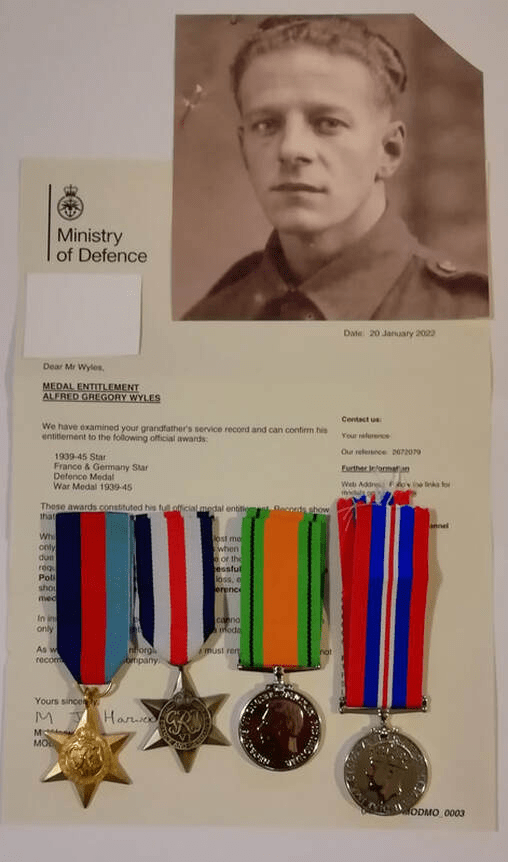
The Nazi Germans (or Fascist Italians) might have captured these supplies from the British or Americans during fighting elsewhere – before re-distributing this loot to their allies. Joseph Stalin and his Marshals were prudent in their assessment – and the Western Allies should be thankful that this was the case. If the Soviets had took the position that the Western Allies had “deliberately” supplied weapons to the Ukrainian “SS” through the prompting of the Catholic Church – D-Day might not have unfolded as smooth as it did. If the Soviets, for instance, had called a “Cease-Fire” just before or during the D-Day Landings as a means to reduce their massive casualty rate and to re-supply – the Nazi Germans may have been able to divert millions of battle-hardened soldiers from the Eastern Front to the West. This would have caused untold difficulties for the Western Allies and raised the casualty rate to a very high degree. This would have endanger the life of my paternal grandfather – Alfred Wyles – who landed in the first-wave on Sword Beach – or ten miles inward at Caen (as a Glider Trooper). This was the area he came assure and I am not exactly sure which part of this combined operation he was apart off.
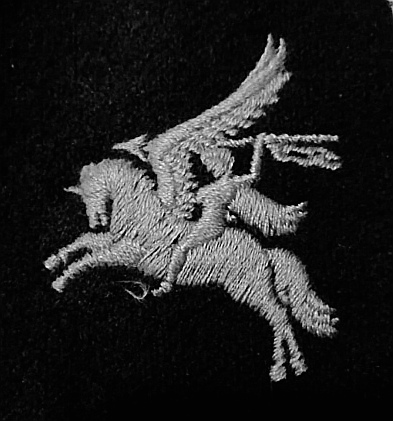
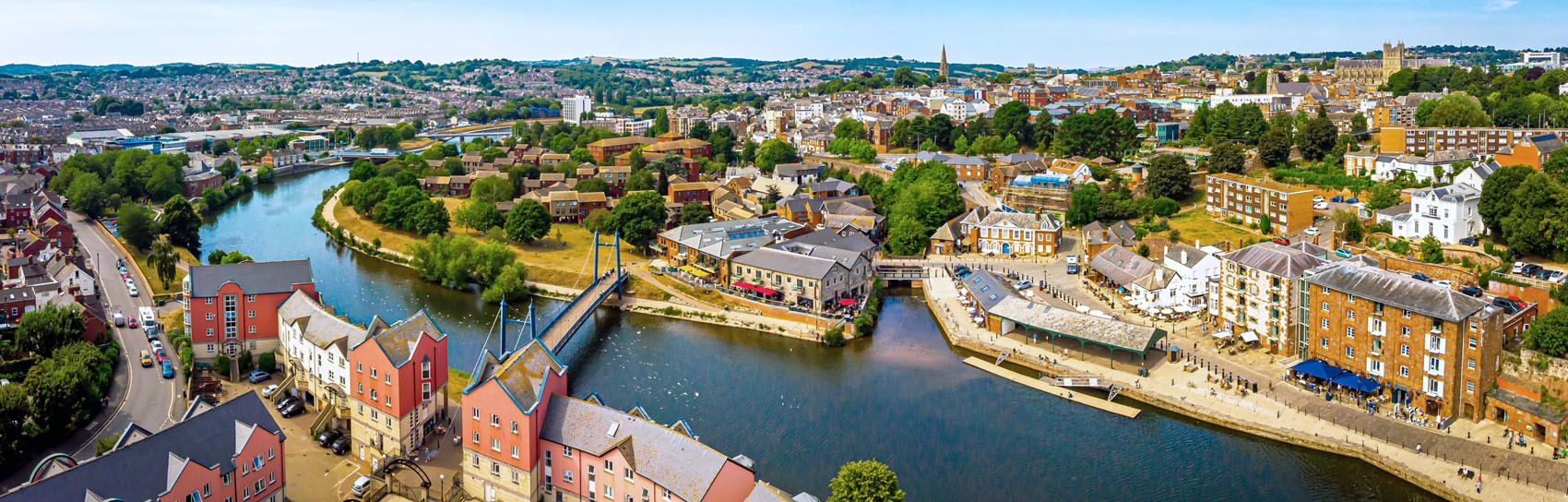
The Ox & Bucks Light Infantry (Territorials) which landed on Sword Beach and were tasked with advancing ten miles inward to relieve the Glider Troops that had landed earlier in the Caen area – around Pegasus Bridge. Specifically, the troops of the 1st Buckinghamshire (Light Bobs) Battalion of the Ox & Bucks Light Infantry (Territorials) – my grandfather’s Unit (he was part of an Anti-Tank Platoon) – intended to relieve D Company (Glider Troops) of the 2nd Battalion of the Ox & Bucks Light Infantry (Professional). My grandfather at one-point was barracked in Bovey Tracy in Devon – whilst his Unit trained around the Exeter Canal System – due to this place possessing a similar structure to that of the Canal System of Caen. This could have been to familiarise the “Light Bobs” with the Caen area they were supposed to advance toward from Sword Beach. This could have been my grandfather’s route into France – but I possess his shoulder badge – which is a Winged Pegasus (worn by Glider Troops). Whatever the case, his Unit was wiped-out and he fought on in the hedge-rows of France – fighting Vichy French and Nazi Germans.
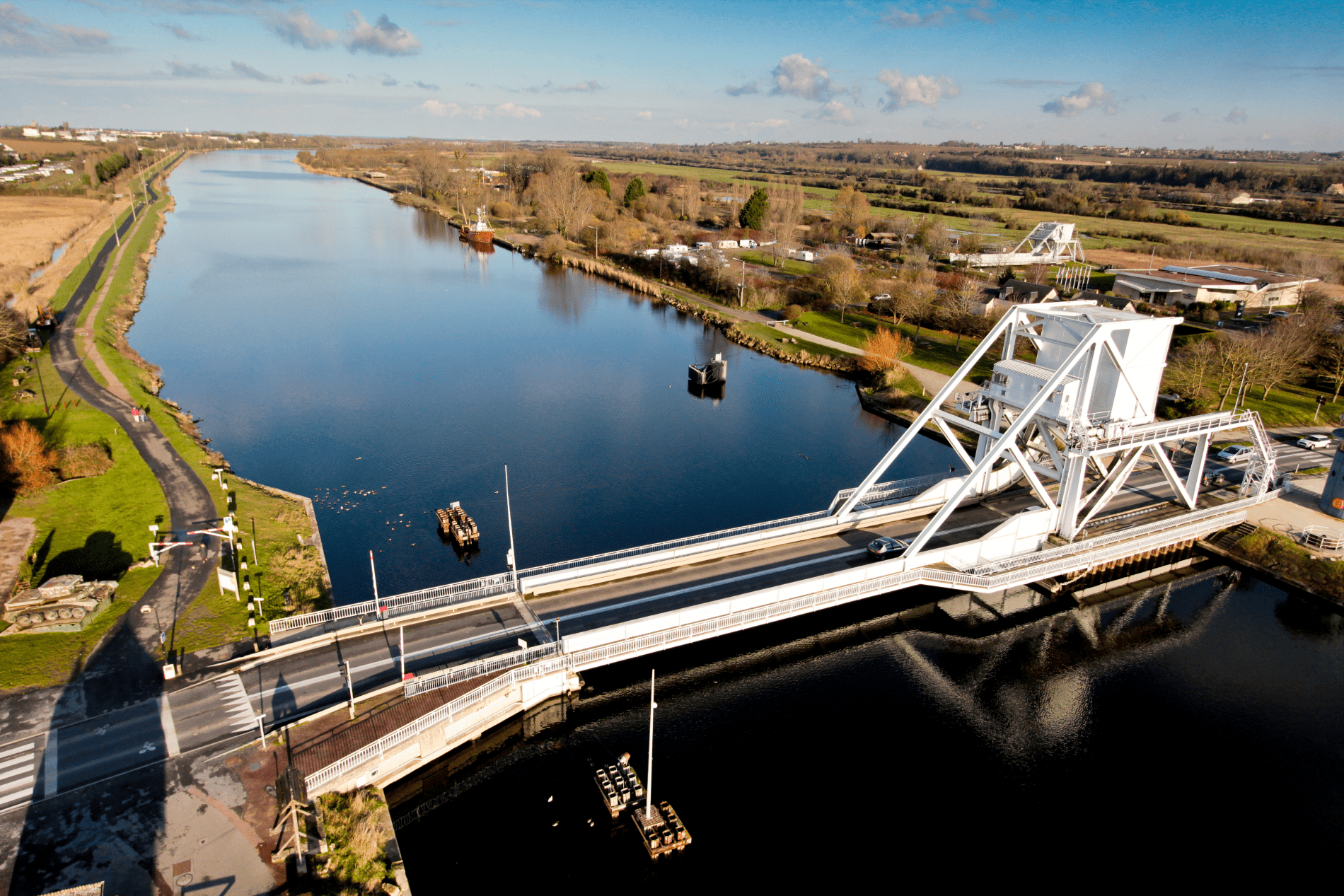
As a straggler he was taken in by the Gordon Highlanders. He fought none-stop for seven months before reaching Hamburg – where he was finally allowed “Leave”. Due to what he had experienced (his Unit ran into a ruthless “SS” Unit “resting” after months of committing atrocities in the USSR). My grandfather was then permitted to return to the UK in early 1945 – but had to remain in the British Army until mid-1946 – serving at one-point in the Duke of Cornwall’s Light Infantry. Over-all, my grandfather was a professional soldier in the British Army for 6-years. I believe his chances of survival in the West were increased due to the extent of the Soviet sacrifice in the East!
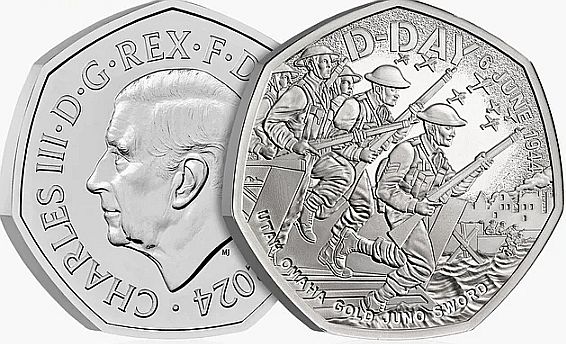
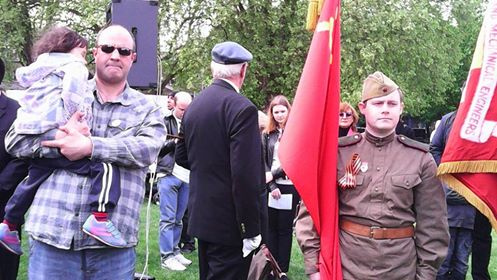
Note: The Battle of Stalingrad – fought between July 17th, 1942 and February 2nd, 1943 – (fought between the Soviet Red Army and the Nazi German Armed Forces) degraded the Nazi German War Machine to the level where the militaries of the combined West could then have a realistic chance of dealing with it at D-Day. My grandparents survived WWII – a war they both fought in as frontline Servicemen – because of the sacrifices made by the 15 countries that comprised the Soviet Union.

