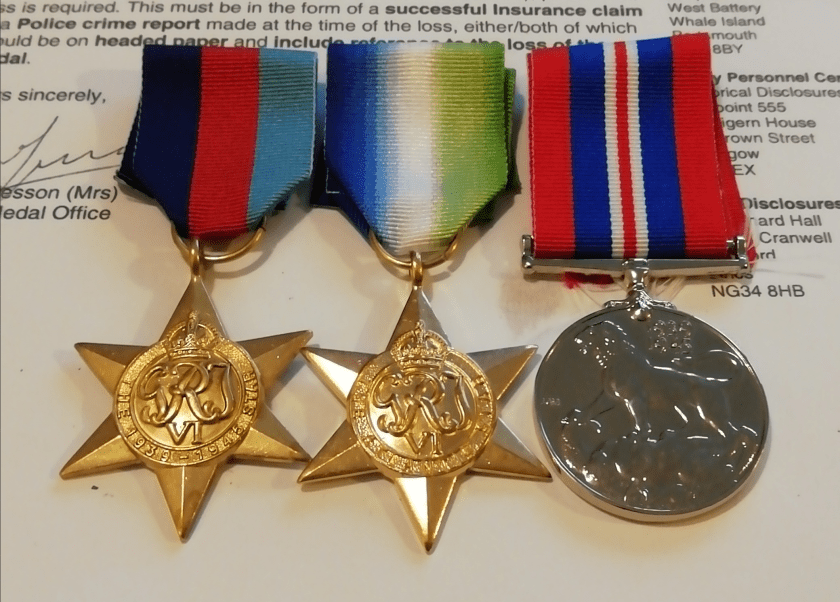
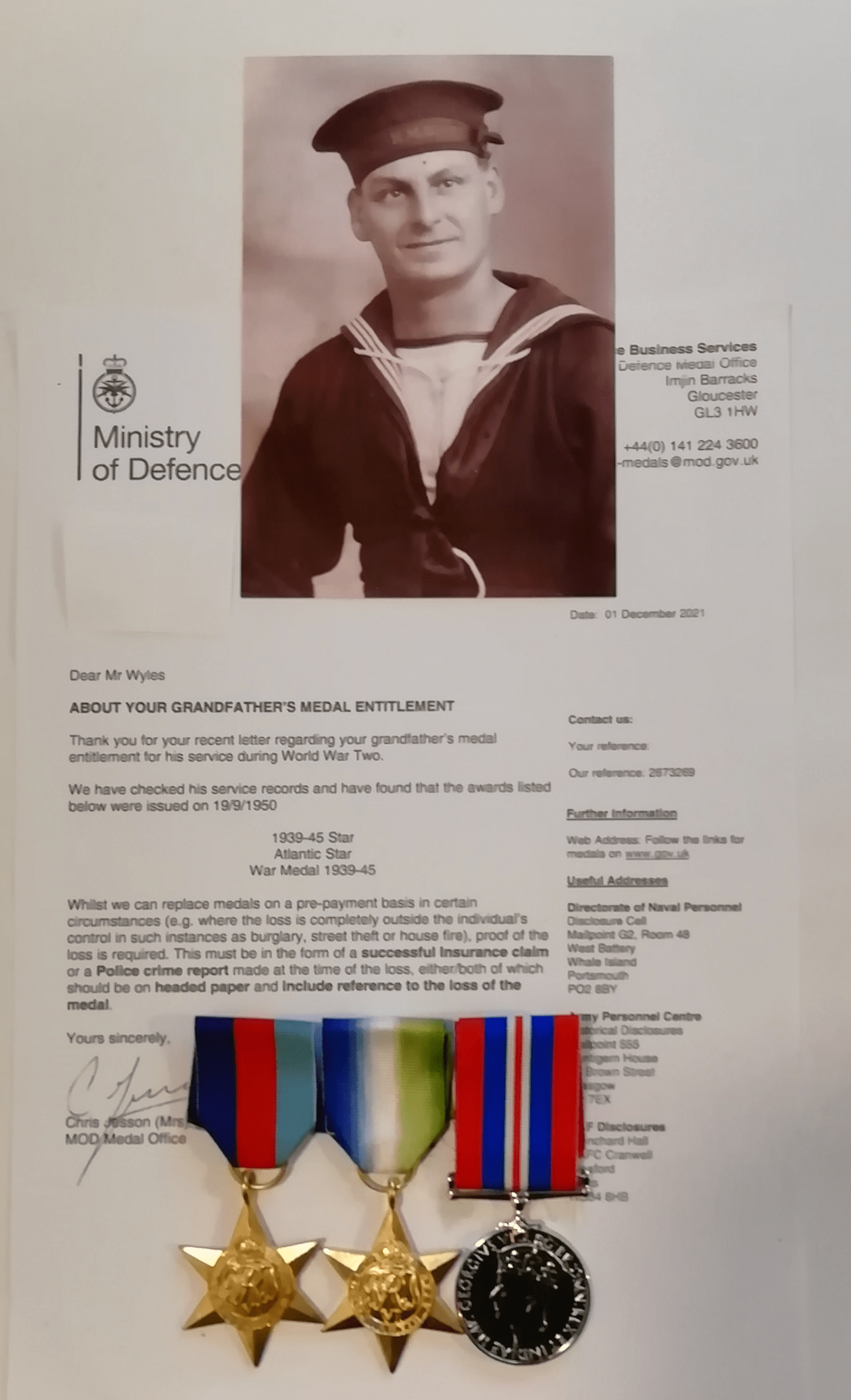
As far as I am aware, the RNPS was tasked with defending the British Mainland during the D-Day Landings. Whether any RNPS ships directly participated in the D-Day Landings – I do not know. My maternal grandfather – Arthur Gibson – was an Able Seaman aboard the HMS Beaumaris Castle – a converted trawler that was used as a Minesweeper. From 1942-1946 – this ship was stationed North of Scotland – often keeping the sea-lanes clear of Nazi German sea-mines so that the Russian Arctic Convoys that were taking aid to our Allies in the Soviet Union. Although not part of any single convoy – the HMS Beaumaris Castle often shadowed these ships as they moved through area. Indeed, the HMS Beaumaris Castle would pursue a patrol line that often led the crew from the Southern-end of the North Atlantic into the North Atlantic proper.
During D-Day, the RNPS was placed upon High Alert incase any emergency occurred during the Landings in France – and these ships were suddenly needed to assist in any operations. The other duty was to prepare for any attack that might be surprisingly launched upon the British Mainland by the Nazi Germans in retaliation for the Landings. Attacking the enemies rear-area is a classic military response to any offensive action. If the power-base of an enemy can be destroyed – at the same time as that enemy is effectively asserting itself – the fighting spirit and resources can be immediately depleted and the will to fight diminished. The RNPS had to be ready for this just in case. I was told by George Smith – a comrade of my grandfather who served aboard the HMS Beaumaris Castle as the Telephonist – that a week prior to the Landings there was a complete lock-down of Naval Personnel with all Leave cancelled and no communication with relatives allowed.
The RNPS was part of the UK’s defence in depth that was built-up during WWII from a very poor position due to the military set-backs in Europe and around the world. These smaller ships were relied upon to move quickly and infiltrate the more solid enemy formations – and to cause chaos in the midst of the enemy’s strength. This idea stems from the small English ships that got amongst the impressive Spanish Galleons of the Spanish Armada which was defeated in late 1588. My grandfather spoke of the Soviet sailors – male and female – that staffed many of the Convoy Ships who would throw bars of chocolate onto the British ships as they sailed by as a means of saying “Thank You”! The German U-Boats reeked havoc on all British shipping – particularly in the North Atlantic. I do not agree with the current trend of US and British youth who mistakenly eulogise the Navy German Navy – fixating upon the U-Boat section – whilst ignoring the brave sailors of the British Navy. The Navy German Navy committed War Crimes and Crimes Against Humanity and should not be raised to a level of admiration and respect. Thank you to the RNPS for protecting the UK during WWII!
Note: The Battle of Stalingrad – fought between July 17th, 1942 and February 2nd, 1943 – (fought between the Soviet Red Army and the Nazi German Armed Forces) degraded the Nazi German War Machine to the level where the militaries of the combined West could then have a realistic chance of dealing with it during D-Day. My grandparents survived WWII – a war they both fought in as frontline Servicemen – because of the sacrifices made by the 15 countries that comprised the Soviet Union

