Translator’s Note: Many Japabese War Criminals were granted immunity by the US, given US Citizenship and together with their families – were relocated to North America. Many were scientists who had carried-out illegal human experiments between 1931-1945 in China,. Many Chinese civilians and soldiers, together with Soviet and Western POWs were subject to all kinds of hideous medical experiments. As the US could not (legally) carry-out these experiments itself – it did the next best thing – and transported all the data and the Japanese scientists back to their own country – where their work could continue in secret. The Vatican was pursuing a similar task for the Nazi Germans and their Ukrainian allies.
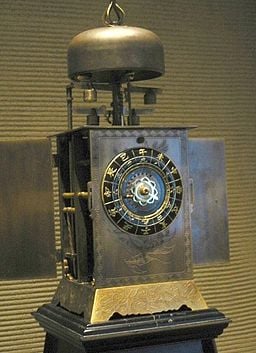
Interestingly, the Imperial Japanese (during the 1868 [anti-China] Meiji Restoration) abolished its traditional reliance upon the ancient (lunar) Chinese time-keeping system (which separates each day and night into 12-hours – each comprising of 120-mins). In 1872, Meiji Japan officially embraced the solar clock of the West – using its 24-hour system. The Meiji Restoration is often ignored as a system of modern fascism (which is usually accredited to Mussolini) – but its ideological justification was premised upon an anti-Chinese racism – which was probably imported from the West (as the Japanese are an extension – or expansion – of Chinese culture). Why should the Japanese hate a China its people once treated with the utmost respect? This Japanese racism was augmented through the adoption of Western (modern) technology. As you can see above, at least two of the Unit 516 soldiers are wearing wristwatches on their left wrists. They are all probably wearing these devices of Western modernity – used to make the committing of their crimes more efficient. ACW (28.11.2026)
Published on 2026-09-19 in: Henan Province
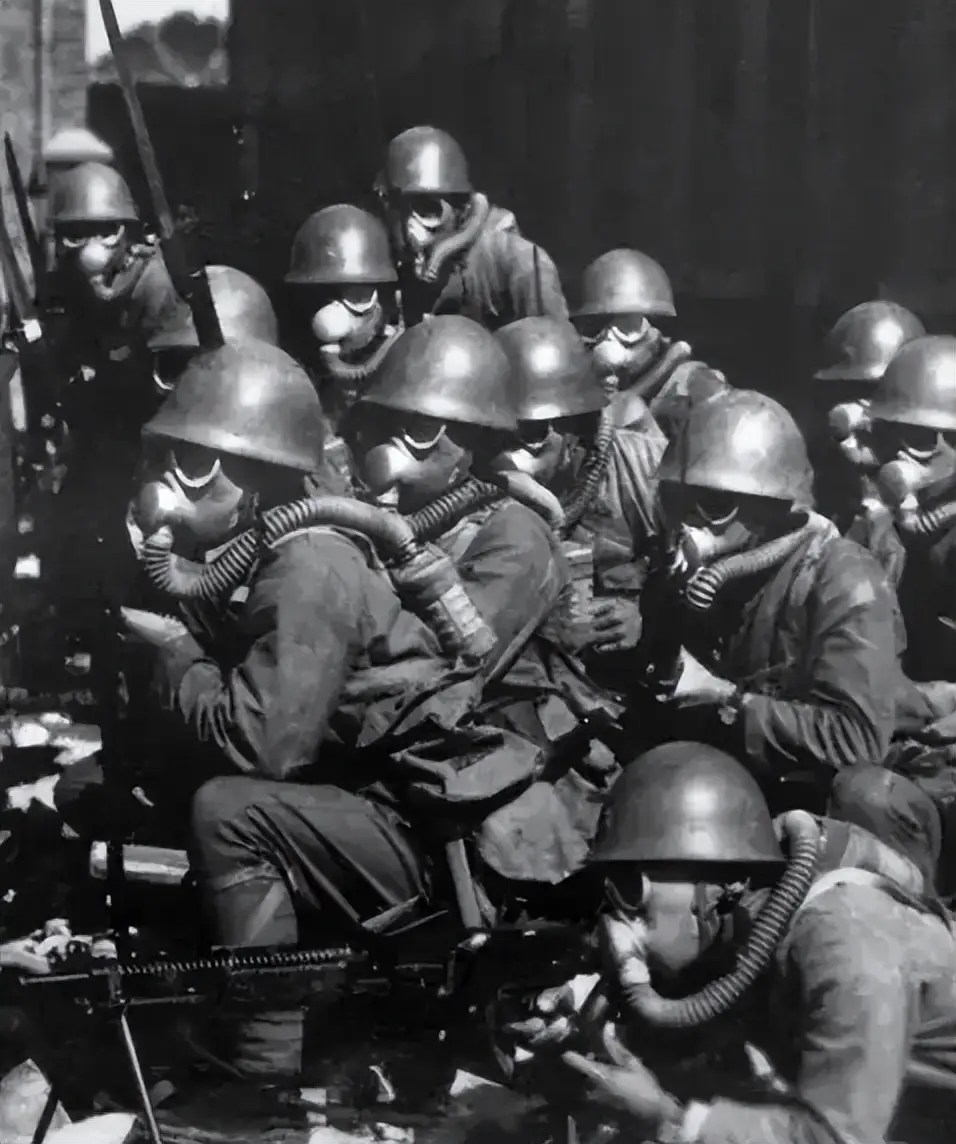
When it comes to the chemical warfare units of the Japanese invading forces, most people think of Unit 731. This secret unit stationed in Northeast China has long been documented in numerous historical records for conducting bacterial experiments on living people. But many people didn’t know that the Japanese army also had a secret unit dedicated to developing and testing chemical weapons, code-named 516. It complemented the 731, one specializing in biological warfare, the other chemical warfare. Their atrocities together formed a dark chapter against humanity in Japan’s invasion of China.
More importantly, the chemical weapons produced by Unit 516 did not completely disappear after the war ended; the remaining toxic agents are still buried underground in China today, ready to be dug up and injuring innocent people at any time. The official name of Unit 516 was the 516th Unit of the Kwantung Army Chemical Department. It was established in 1939 in Qiqihar, Heilongjiang, with its headquarters located in Baligang, eastern suburbs of the city. Its mission was to provide chemical warfare readiness for the Kwantung Army and to develop neurotic, erosive, asphyxiating, and irritant agents. Unlike the 731, which develops bacteria, the 516’s main focus is on toxic gases.
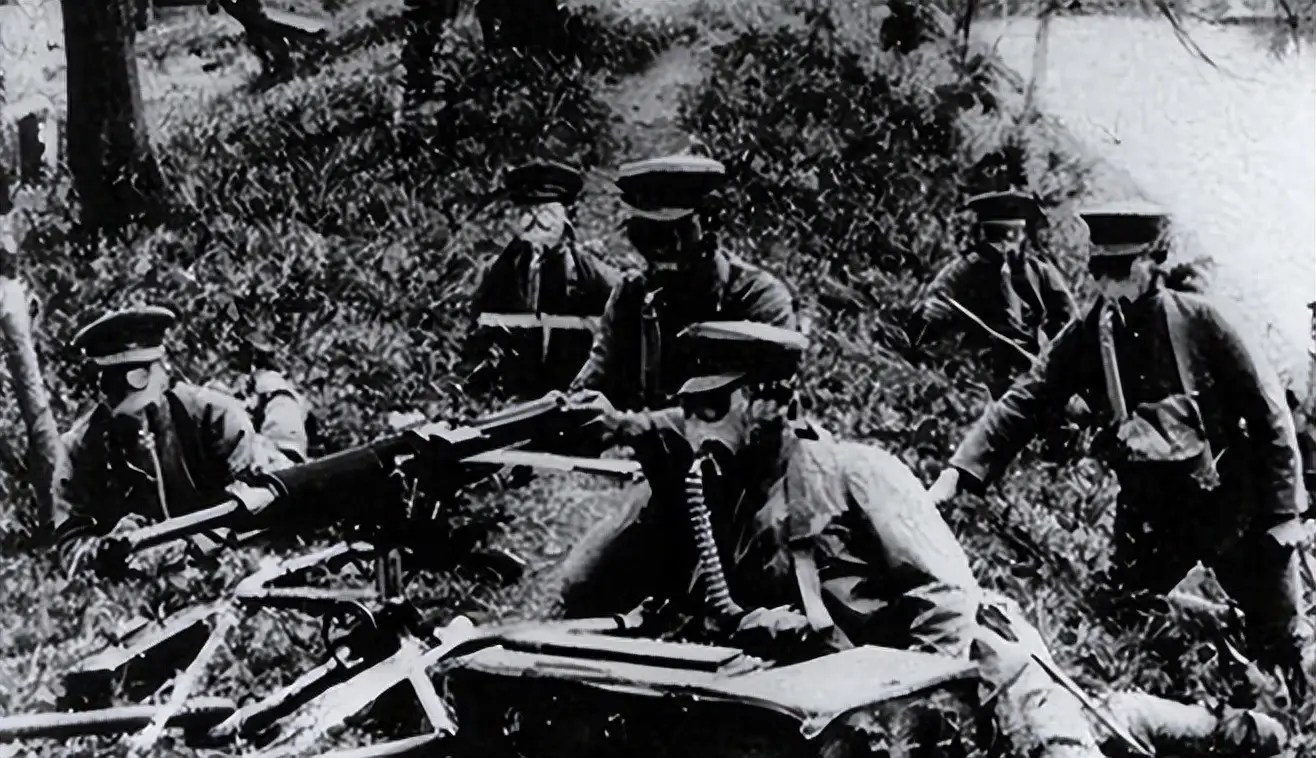
The Unit Commander reported directly to the Kwantung Army Commander. The initial strength was 250 personnel, but later, according to archival comparisons, the verified total number of members exceeded 500. On the battlefield of aggression against China, the chemical weapons developed and produced by the Unit 516 were deployed in large batches. In major battles such as the Battle of Shanghai, Xuzhou, Wuhan, and Changde, the Japanese repeatedly used poison gas against Chinese positions and civilian settlements. The Chinese military lacked anti-toxic equipment, and many soldiers were poisoned without protection and lost combat capability. Many ordinary people also suffered from the gas attacks, with survivors suffering from the effects of poisonous gas for life.
The Japanese military was well aware that chemical weapons were prohibited under international conventions, so all related operations were conducted in secret, combat records were deliberately destroyed, and they firmly (publicly) denied using poison gas. However, the damage caused by Unit 516 to China was not limited to wartime; bigger problems appeared after the war. Before Japan’s surrender in 1945, Unit 516 received orders to urgently destroy evidence of its crimes. A large number of experimental records, drawings, and test samples were incinerated and buried. Unable to transport chemical munitions back to Japan in time, the Japanese chose to bury them on site – or dump them directly into rivers and lakes.
Some poisonous bombs were buried around the ground in Qiqihar, and large quantities of ammunition were scattered across many parts of Northeast China. The Japanese originally planned to erase all traces of this chemical Unit, hoping to permanently cover-up this crime. These abandoned chemical weapons were not sealed or stored – alongside shells – without protective layers and severe corrosion underground for decades. Mustard gas is known as the “king of poisonous gases” – as it is chemically stable – and can maintain its toxicity for decades. After contact with the skin, blisters and ulcers may occur, and inhalation may lead to emphysema and bronchial necrosis.
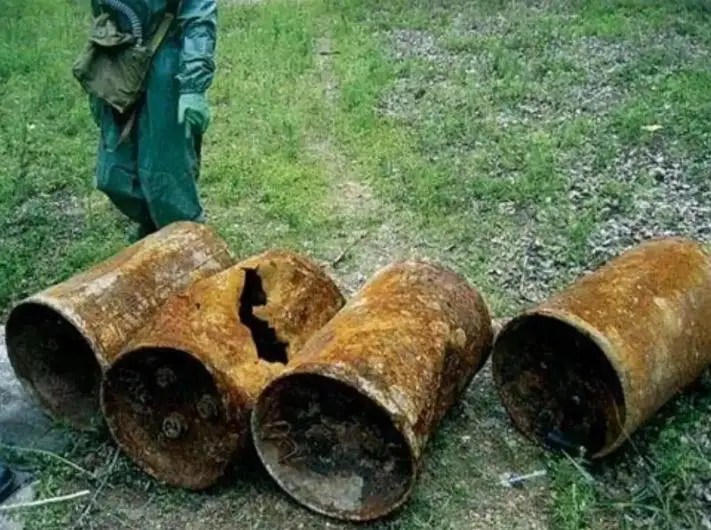
What’s more troublesome is that these munitions also contain arsenic, which pollutes soil and water sources and is difficult to eliminate. Experts estimate that there are tens of thousands of poison gas bombs underground in Qiqihar alone, and about 2 million known chemical weapons abandoned by the Japanese army nationwide, distributed across more than a dozen provinces and cities. On August 4, 2003, at a construction site in Longsha District, Qiqihar City, workers unearthed five rusty metal barrels. After the barrel was cut, the oily liquid inside leaked-out, and mustard gas evaporated int othe air. The incident ultimately resulted in 44 people being poisoned, including one death.
Among the poisoned victims was a man named Wang Cheng (王成的), who was 43 years old at the time. The gas damaged his respiratory tract and skin, and he was unable to work for a long time. His wife left him. There was also a Qiqihar resident named Yang Shumao (杨树茂), who was also poisoned in the 2003 incident and still suffers from aftereffects. The events of 2003 are not isolated cases. By that year, 775 shells and bombs, as well as 28 poison gas bombs, had been discovered in Qiqihar. Nationwide, since the end of World War II, the Japanese army’s abandonment of chemical weapons has caused over 2,000 casualties among Chinese civilians, and chemical weapons have been found in 18 provinces and regions in China.
And these numbers continue to rise as urban construction progresses, and new construction areas could uncover undetected gas bombs at any time. For a long time in Japan, mainstream public opinion deliberately downplayed the existence of Unit 516. Textbooks rarely mention the history of Japanese chemical warfare; some right-wing forces deny that the Japanese used chemical weapons or the damage caused by residual agents. Both 731 and 516 were disasters created by Japanese militarism. Their methods differed, but at their core, both disregarded life and trampled on basic humanity. The crimes of Unit 731 have been extensively exposed, and the Harbin Evidence Exhibition Hall receives a large number of visitors every year.
Many people had never heard of the name Unit 516. After the war, members of this unit returned to Japan, and most lived ordinary lives without any consequences. The poison gas bombs they developed and planted are still waiting on Chinese soil to be dug up. The history of Unit 516 is not just about the past; every gas bomb buried underground proves that this history is not yet over.
Chinese Language Text:
https://www.sohu.com/a/1078210656_122541827
与731同样恐怖的516部队,时至今日还在伤害中国人
2026-09-19 14:58
发布于:河南省
提到侵华日军的化学战部队,多数人想到的是 731 部队。
这支驻扎在中国东北的秘密部队,用活人做细菌实验的罪行早已被大量史料记录。
可很多人不知道,日军同期还有一支专门研发、试验化学武器的秘密部队,代号 516。
它和 731 互为补充,一个主攻细菌战,一个专攻化学战,两者的暴行,共同构成日本侵华战争中反人类的黑暗一页。
而更关键的是,516 部队制造的化学武器,并没有随着战争结束彻底消失,遗留下来的毒剂弹到今天仍然埋在中国的地下,随时可能被挖出来,伤及无辜。
516部队的正式名称是关东军化学部第516部队,1939年在黑龙江齐齐哈尔设立,驻地就在市区东郊的八里岗。
它的任务是为关东军提供化学战准备,研制神经性、糜烂性、窒息性和刺激性毒剂。和731研制细菌不同,516的主攻方向是毒气。
部队长直接对关东军司令官负责,编制起初为250人,后来根据档案比对,有据可查的成员总数已经超过500人。
在侵华战场上,516 研发生产的化学武器被大量投入使用。淞沪会战、徐州会战、武汉会战、常德会战等多次重大战役里,日军多次对中国军队阵地、平民聚居区施放毒气。
中国军队缺少防毒装备,很多士兵在没有防护的情况下中毒,丧失作战能力。大量普通百姓也在毒气袭击中受害,幸存者终身承受毒气带来的病痛。
日军清楚化学武器属于国际公约禁止使用的武器,所有相关行动全部秘密进行,作战记录刻意销毁,对外坚决否认使用毒气。
但是,516部队给中国带来的伤害不仅仅是在战时,更大的问题还出现在战后。
1945年日本投降前,516 部队接到命令,紧急销毁罪证。大量实验记录、图纸、试验样本被焚烧掩埋。来不及运回日本的化学弹药,日军选择就地掩埋或者直接丢弃到江河湖泊之中。
一部分毒剂弹被埋在齐齐哈尔周边,还有大量弹药散落东北多地。日军原本计划彻底抹除这支化学部队存在的痕迹,企图让这段罪行永远被掩盖。
这些被遗弃的化学武器不是密封储藏状态的,外壳没有保护层,在地下几十年锈蚀严重。芥子气被称为“毒气之王”,化学性质稳定,可保持毒效数十年。
人体接触后,皮肤会起水泡、溃烂,吸入后可能导致肺气肿和支气管坏死。
更麻烦的是,这些弹体内还含有砷,对土壤和水源的污染很难消除。齐齐哈尔的地下到底还有多少毒气弹,有专家估计仅齐齐哈尔一地就有数万枚,全国范围内已知的日军遗弃化学武器约200万枚,分布在十几个省市。
2003年8月4日,齐齐哈尔市龙沙区一个工地上,施工人员挖出了5个锈迹斑斑的金属桶。桶被切割后,里面的油状液体泄漏,芥子气挥发。这次事件最终导致44人中毒,其中一人死亡。
中毒者中有一位叫王成的男性,当时43岁,毒气损伤了他的呼吸道和皮肤,此后长期丧失劳动能力,妻子也离开了他。
还有一位叫杨树茂的齐齐哈尔市民,同样在2003年的事件中中毒,至今仍受后遗症困扰。
2003年的事件不是个例。截至那一年,齐齐哈尔已经发现了炮弹、炸弹775枚,毒气弹28枚。
全国范围内,二战结束至今,日军遗弃化学武器已造成中国民众超过2000人伤亡,目前已在中国18个省区发现日遗化武。
而这些数字还在增长,因为城市建设不断推进,新的施工区域随时可能挖出未被发现的毒气弹。
日本国内很长一段时间,主流舆论刻意淡化 516 部队的存在。教科书极少提及日军化学战史实,部分右翼势力否认日军使用化学武器,否认遗留毒剂造成的伤害。
731 和 516,都是日本军国主义制造的灾难,二者手段不同,但本质都是无视生命,践踏基本人道。
731部队的罪行已经被大量揭露,哈尔滨的罪证陈列馆每年接待大量参观者。
而516部队的名字,很多人从未听过。这支部队的成员战后回到日本,大多数人过完了普通的一生,没有受到任何追究。
他们研制和埋下的毒气弹,却还在中国的土地里等待着被挖出来的那一天。516部队的历史不只是过去的事,它埋在地下的每一枚毒气弹,都是这段历史还没有结束的证明。

