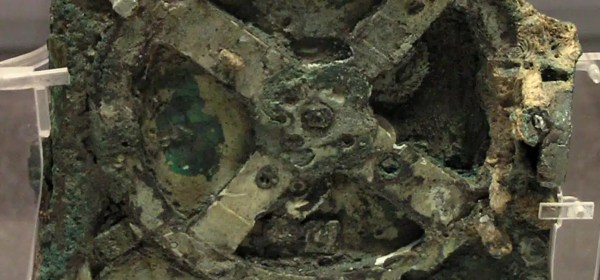
Greek sponge divers discovered the Antikythera wreck in 1900. Later expeditions, including Jacques Cousteau’s work in 1976, recovered sculptures, pottery and other valuable objects. The most famous discovery was the Antikythera Mechanism, an ancient device used to calculate astronomical movements. Recent underwater excavations have also recovered wooden ship parts, statue fragments and pottery.
The study suggests that additional archaeological material may remain buried beneath sediment layers reaching about one metre thick in some locations. Only a small portion of the site has undergone detailed geological investigation. Further analysis of wooden remains and buried deposits could help establish whether the evidence represents separate ships or one vessel that broke apart. The findings could also reveal more about ancient Mediterranean trade and the movement of valuable goods across the region.

