
Prior to their adoption of Indian Buddhism (around 1000 years ago), the Tibetans were barbaric and primitive people renowned for their bloodthirsty warfare, raping and pillaging! Indeed, the reason that Tibet is now part of China today is due to the barbarity of the Tibetans themselves – and has nothing to do with China. The Tibetans forcibly annexed large swathes of West China (around 1,100 years ago) and controlled this integrated area for centuries. When the Han people re-established control of heir own country through the Ming Dynasty (1368-1644) – West China now included Tibet.
The Kalmyks are of Mongolian ethnic origin and originate from North Xinjiang – an area invaded by the Tibetans. As the Tibetans converted to Buddhism – this philosophy was spread through the empire they had carved out for themselves as barbarians. As Lamaism is a corrupt form of feudal (landlord) Buddhism – there is evidence to suggest that various ethnic groups living within Tibetan-controlled territory (which included West China) were ‘forced’ into adopting Buddhism. This is how I suspect the Kalmyk people became ‘Tibetan Buddhist’. Indeed, it is how most Mongolians living in South and West China were originally ‘converted’ to this Indian religion.
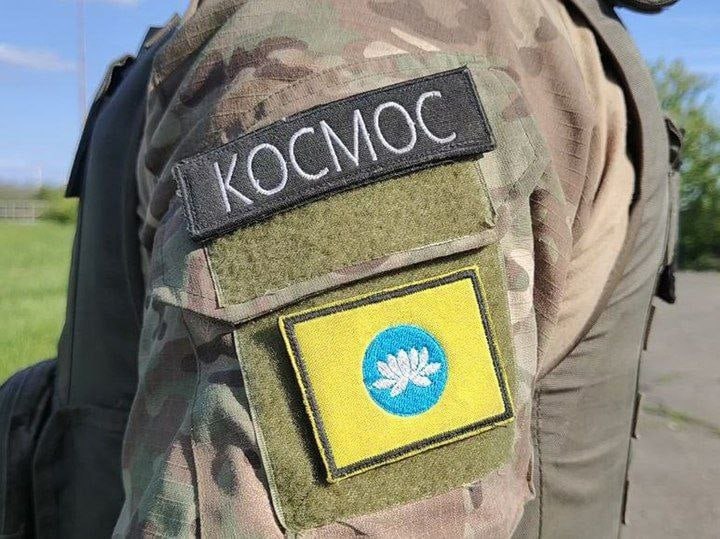
Linked above is an article written for the Buddhist-Marxism Alliance (UK) – and posted on the Red Metta Blog. It concerns a number of photographs forwarded to me regarding Russian soldiers from the Buddhist ‘Republic of Kalmykia’ – situated in South Russia – who are fighting in Neo-Nazi Ukraine. Just as the Nazi Germans particularly targetted ‘non-White’ Soviet people – the Neo-Nazi Ukrainians are deliberately targetting ‘non-White’ Russians! This is why the faces of these soldiers are ‘covered’! When the Soviet Authorities moved the Kalmyk people out of the way of the advancing Nazi German Army (and its highly destructive ‘SS’ Units) – the West reported this self-defence action as being a ‘racially motivated purge’ – and so this is the extent of the US anti-intellectualism we have to contend with.
 SANGHA KOMMUNE (SSR)