

Blogger’s Note: Labour will take credit – but in reality – it was the Hindutva Tories who were running the UK (as an extension of BJP India) in 2022 that sought this change. Why were far-right Indians seeking to do this in the UK? Well, many believe because these individuals were bringing into the country hundreds of thousands of Indian citizens as “cheap labour”. As there is not enough free housing to home these incomers – the Hindutva Tories thought it a good idea to “remove” this law from the statute books so that arriving Indians could, if they so wish, “sleep on the streets” – without being “moved-on” or “harassed” by the Police. Remember, the bourgeois policy of flooding the labour market with cheap labour is a direct attack upon the indigenous working-class (this is true regardless of the branch of the working-class being attacked). The far-right BJP government of India, for instance, rejects the very policy the UK uses to import hundreds of thousands of Indian citizens into the UK. That being said, when I was young, homelessness had been eradicated in the UK due to the 1948 Welfare State. We learned about homelessness in the 1970s whilst reading books written by Charles Dickens – and the story of Dr Barnardo, etc. As children brought-up in a Socialised society – we could not understand why a State would permit its children to starve to death on the streets! Of course, the “Age of Consent” in the UK was “12” until being changed in the late 1800s (this legislation dated from the 1200s – deriving from when an average girl first “menstruates” – referred to as “Natural Law” – this is still the situation in France). During the late 1800s, this age was raised initially to “13” and then a few years later to “16” (a Christian-led investigation found that Parliamentary MPs were routinely engaging in sexual activity with young, poor street children). At aged 16 in the UK, a youth remains a minor who cannot vote or drink alcohol – but can consent to sexual intercourse with adults, can get married (with parental permission), and join the British Army (to fight and die in wars they cannot vote “for” or “against”). It is only at “18” that an individual becomes an “Adult” in the UK. However, children used to go to work at “5”, and were sexually abused by adults – usually employers or caregivers. Working-class children were rarely educated. Middle-class children experienced idyllic upbringings – often attending boarding school at 8 years old (at least for the boys). These public schools were rife with homosexual abuse – and still are. The 1824 Vagrancy Act was brought-in to “move-on” the hundreds of thousands of demobilised British soldiers who had fought during the Napoleonic Wars – and could not find a job as a civilian. The 1948 Welfare State effectively copied the Soviet Union and transformed UK society until the election of Thatcher in 1979 – an odious woman who destroyed a thriving UK society (we lost our free education in 1988). There was no need to abolish the Vagrancy Act in 1948 as the Labour government successfully tackled all the reasons that created homelessness. Yes – there were the odd “tramp” as we called them – but these were assumed to have chosen this lifestyle (although in reality these individuals are probably suffering from mental health issues). It is a tricky situation, as many young adults (during the 1960s) voluntarily “went on the road” as a means of self-discovery, hitch-hiking across the UK and Europe (the UK is NOT part of Europe). I suspect that new legislation will take the place of the Vagrancy Act – but that incoming migrants will be looked-after – whilst already settled British will be punished for being poor. ACW (28.6.2026)

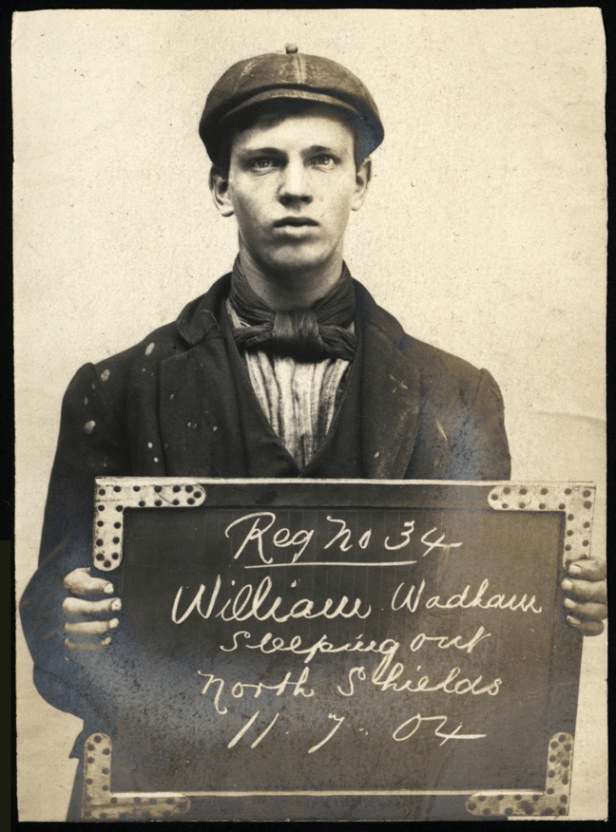
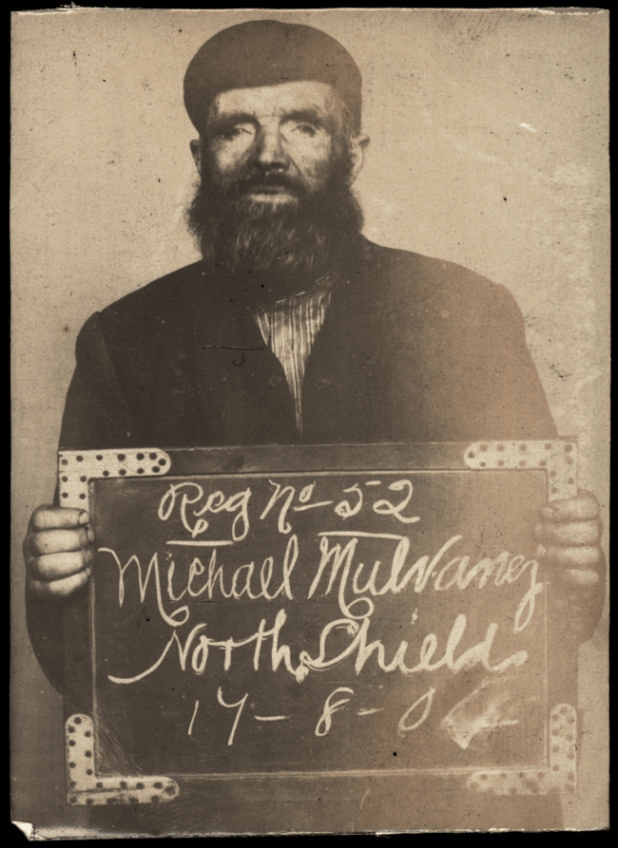
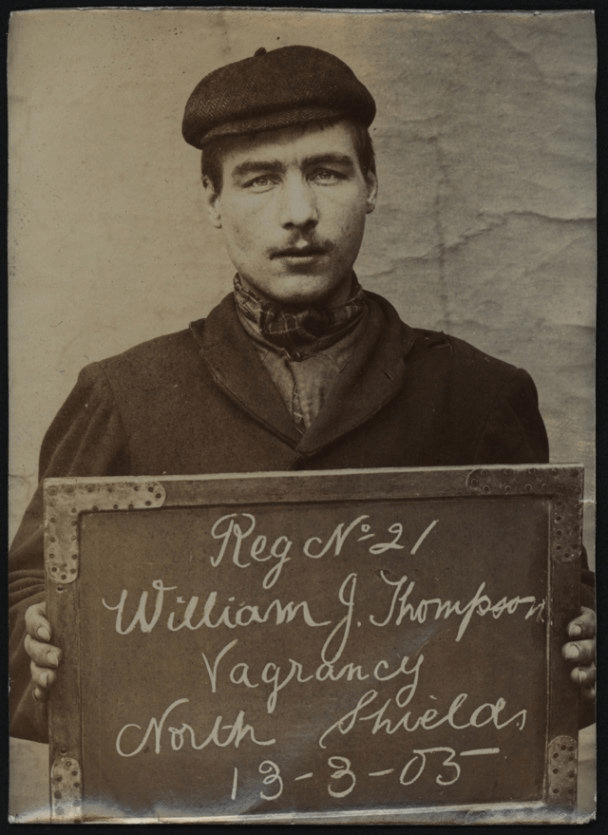
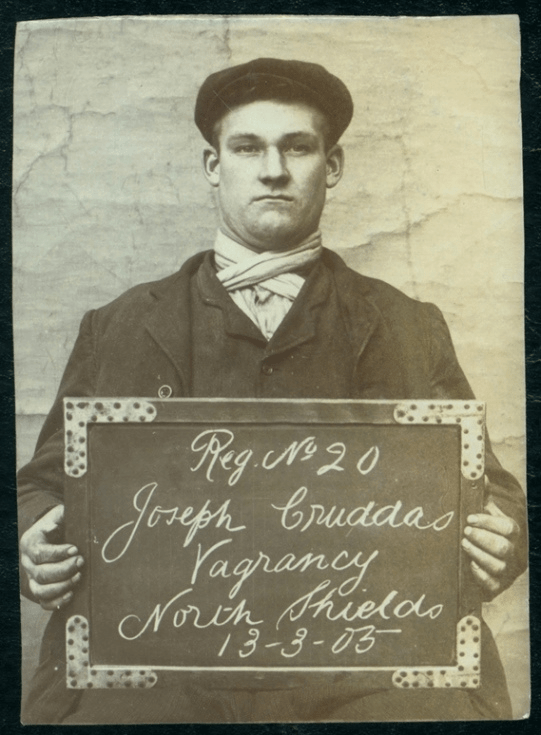
Rough sleeping no longer a crime as 200-year-old law to be repealed
The Housing Secretary said the move would help shift “from punishment to prevention” in tackling homelessness, with around 13,000 individuals sleeping rough each year on London’s streets.
By Poppy Jacobs – 28 Jun 2026
Rough sleeping will be decriminalised next week as the Government scraps a 200-year-old law.
The Vagrancy Act, introduced in 1824 for the punishment of “idle and disorderly persons, and rogues and vagabonds”, will be repealed on Monday, the Ministry of Housing, Communities and Local Government said.
Ministers had previously announced plans to repeal the law by spring this year, with fresh powers in Labour’s Crime and Policing Act passed in April intended to replace the old legislation.
Offences created under the new Act, such as facilitating begging for gain and trespassing with the intention of committing a crime, now fill a “gap” in the law that would have been left over by removing the old legislation, officials said.
Housing Secretary Steve Reed said the move would help shift “from punishment to prevention” in tackling homelessness.
Around 210,000 Londoners – or roughly one in every 50 residents – are homeless and living in temporary accommodation, with another 13,000 individuals sleeping rough on London’s streets annually.
Plans to scrap the Vagrancy Act were first announced under the Conservatives in 2022, but the then-government argued that alternative measures should be in place before officially removing the old laws.
They will now be formally repealed on Monday through secondary legislation, marking what charities and campaigners have hailed as a “watershed” moment.
St Mungo’s chief executive, Emma Haddad, said the change was “an important shift towards a more humane approach – one that focuses on support, tackles root causes, and helps prevent homelessness”.
Crisis chief executive Matt Downie said the 1824 Act had “punished people who have been forced to sleep on the streets” and “pushed people in already vulnerable situations away from support services and into the shadows for fear of being penalised”.
“This is a watershed moment which marks the end of a deeply cruel policy of criminalising people because they are homeless,” he said.
Chief executive of Housing Justice, Bonnie Williams, said repealing the Act should be part of a wider change in approach to helping people off the streets, which “puts the emphasis on compassion, not condemnation, and recognises that homelessness does not truly end until a person has not only housing, but the relationships, community and belonging they need to thrive”.
Housing Secretary Mr Reed said: “Homeless people are not criminals, they are people who need help.“By repealing the outdated Vagrancy Act, we are shifting from punishment to prevention, alongside our investment to tackle homelessness for good.”

