I have been reading copious amounts of history books over the last year – on the subject of the Confederate States of America (CSA) – 1861-1865. Of course, I am not an American – and stand in ideological opposition to the bourgeoisie that currently controls it. How did I end-up in this position? My paternal grandmother was from the Republic of Ireland (Eire). This lady moved to the UK during WWII and married my paternal grandfather – a serving soldier in the British Army. Following the passing of my grandfather in 1976 – my “Nana” came to live with my family in Devon (from her home Leicester). I was “nine” years old at the time. Around Xmas and birthday times, my Nana would often purchase a single toy soldier for each occasion (I soon built-up a considerable number) – usually a cavalryman – from the local toyshop in Tiverton named “Penfolds” (situated in the Precinct opposite the car-park). Invariably, these soldiers were “Confederate” cavalryman – or the “men in grey” – as Nana used to call them.
It turned-out that some of my Irish ancestry migrated to the US, settled in the South – and eventually fought for their Southern State (described as a “country”) situated within the Confederacy. In the (2007) book entitled “Irish Confederates: The Civil War’s Forgotten Soldiers” written by Phillip Thomas Tucker, it is recorded that around 30,000 Irish-born men fought in the Confederate Army and (significantly) the Navy. It is estimated that tens of thousands of US-born men of Irish-ancestry also fought for the CSA – with no accurate record being kept. This number would only be increased if men of Scottish-Irish origin were also included. By way of contrast, it is estimated that around 150,000 Irish-born men fought in the Union (USA) Army during the war. Abraham Lincoln passed a law making all migrant men (of military-age) join the US Army upon arrival in America – granting them and their families automatic “Citizenship”.
Meanwhile, hundreds, if not thousands of English, Irish, Scots and Welshmen entered the Confederate States in any way they could – often running the US naval blockade in the process (some simply “deserted” from the Union Army and headed Westward). As the Confederacy was very popular in the UK – a number of US citizens were “interned” in the Tower of London – usually for acts of piracy committed against British ships attempting to supply or communicate with the Confederacy. England provided the best rifles, pistols, and swords to the Confederacy whenever such supplies became available and could be safely landed. Confederate soldiers were very well trained and highly motivated – despite seldom possessing a full uniform, boots, or even a fire-arm. Many would not eat for days on end – and only get a proper meal after winning a successful battle when ransacking captured Union supplies. Of course, medical care for the wounded was more of an after-thought rather than a reality.
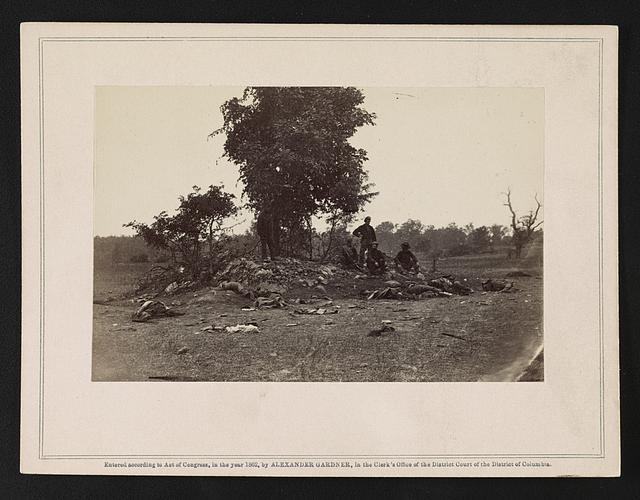
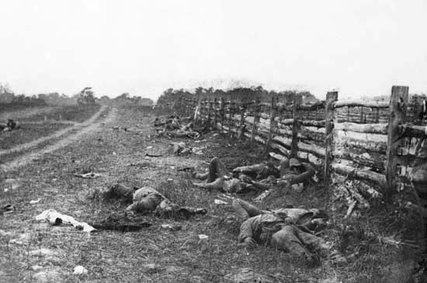
Many people are brainwashed to think of war in glorious terms – which is something of a convenient fairy-tale. War is bloody, disgusting, murderous, and unforgiving. This is true even if there are times when we are driven to fight against injustice, defend the weak, and fight for what is right. Nevertheless, a smashed body is a smashed body – and it is extraordinary that despite the well-known carnage – humanity still partakes in its practice. During the American Civil War, old tactics combined with modern weaponry to guarantee carnage on an almost unbelievable and savage scale. Men motivated by what they thought was right – were willing to place their bodies in the line of fire – knowing what would probably happen. Indeed, I have just finished reading the book entitled “Landscape Turned Red – The Battle of Antietam” (1983) by Stephen W Sears (Audible-2005). This book covers the events immediately prior to – and after – the Battle of Antietam (known as “Sharpsburg” in the South) which occurred on September 17th, 1862. The Union suffered around 12,500 casualties – and the Confederates around 10,300 (killed and wounded). The ratio of dead to wounded was around 1:4 for the Union and 1:6 for the Confederacy.
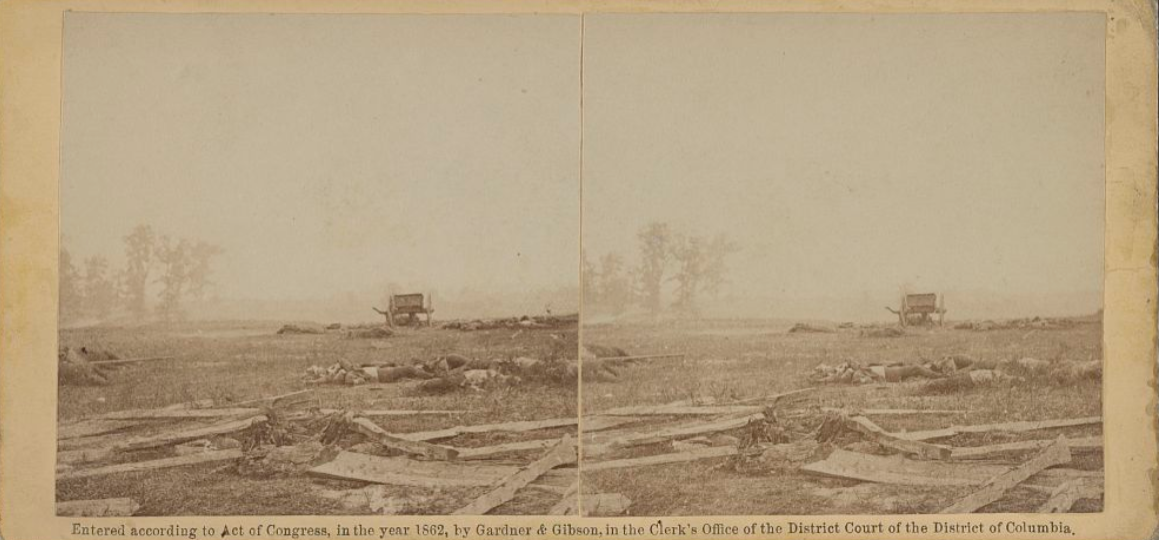
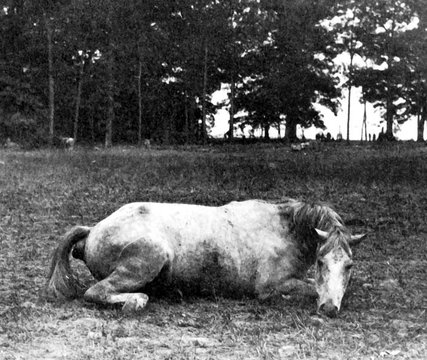
The Union stopped the Confederate incursion into Maryland – but the Confederacy fought the Union to a stand-still and prevented its very well-equipped army from counter-invading Virgina. General Lee then retreated with the Army of Northern Virginia (in good order) back into the safety of Confederate territory. Stephen Sears has written a number of books about the American Civil War – which I highly recommend. (I am currently reading the book entitled “A Worse Place than Hell – How the Civil War Battle of Fredericksburg Changed a Nation” by John Matteson). In his narrative regarding the Battle of Antietam – Sears mentions the hideous piles of dead and wounded bodies on both sides – including the broken bodies of the horses, etc. Caring for the wounded in those days appeared to be something of an after-thought. Men would remain for days on the battlefield after being wounded – lying amongst the rotting dead. The men would shout-out their regiment, company and platoon – in the hope a colleague would find and care for them. If they survived and made it to the rear – doctors and surgeons were few and far between (usually reserved for the highest-ranking Officers). Many ordinary (enlisted) men received the most basic of care given by kind-hearted local women who volunteered to be nurses.
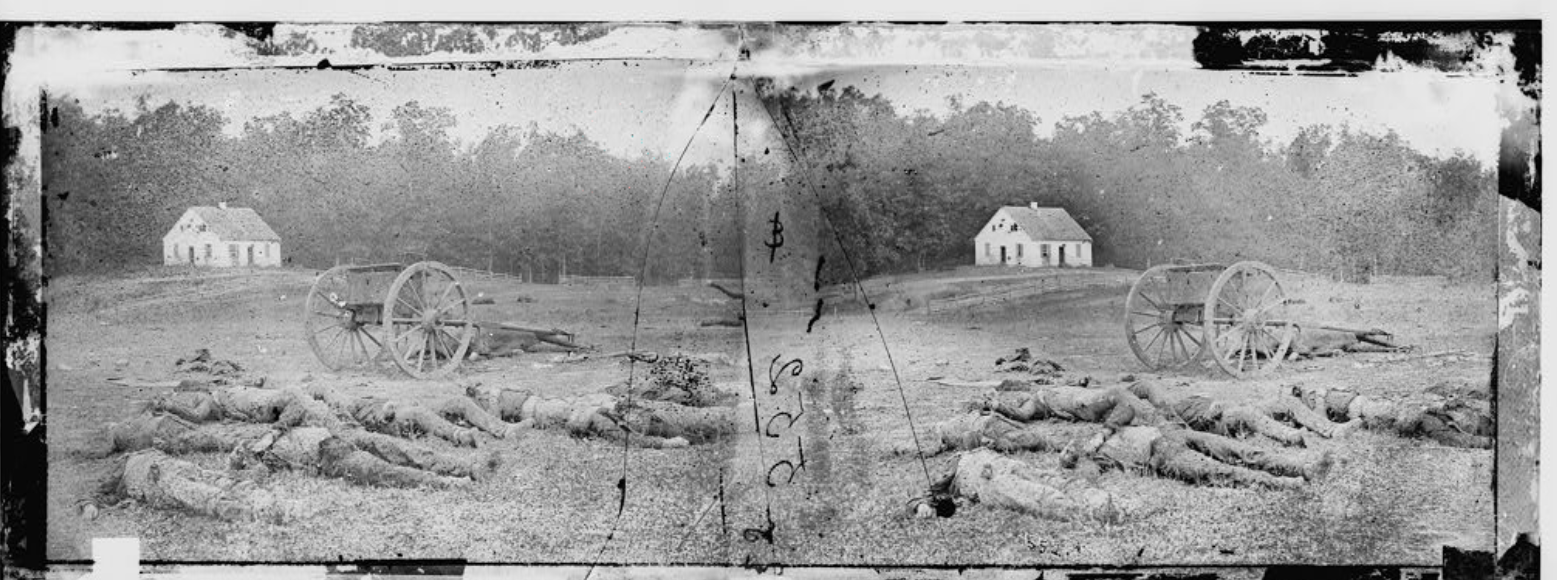
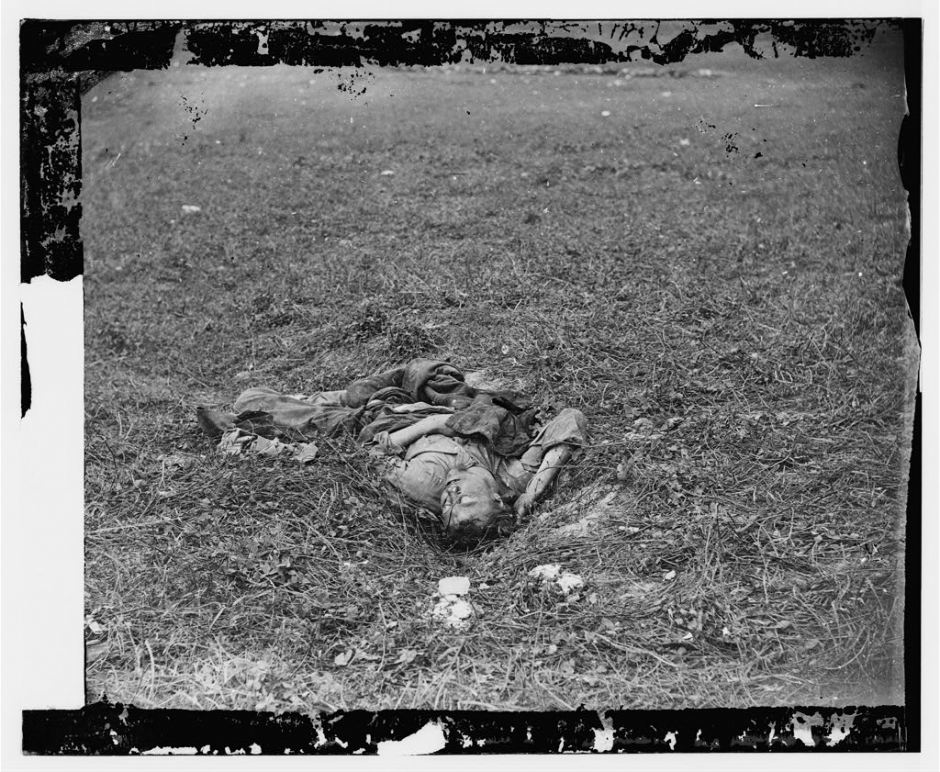
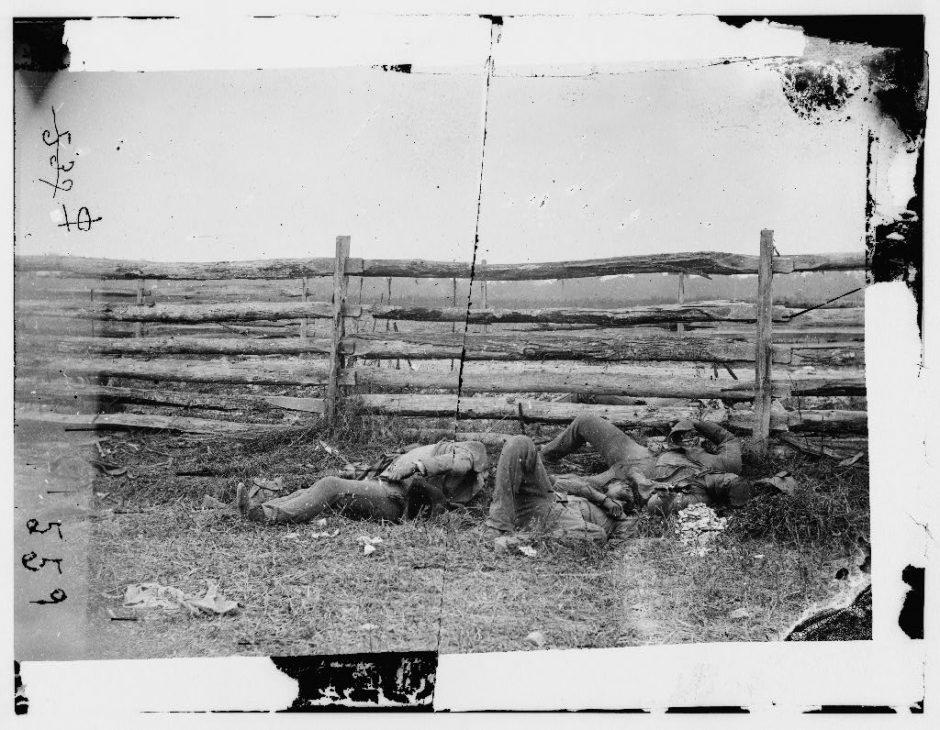
Decisive Battles often comprised of one or two days of intense fighting between substantial numbers of men (sometimes, small numbers of women fought in the Confederate Army) – but these battles were often preceded (and followed) by numerous skirmishes often involving considerable amounts of men – as each army jockeyed for position on the battlefield. Quite often, fresh soldiers were required to advance over the dead and wounded bodies of their colleagues and those of the enemy. For young men, and men with no combat experience, this must have been a traumatic experience. Simply seeing a still-living man soaked in blood, faeces and urine, with his inner organs spread across the ground – or severed heads, arms and legs stacked up where artillery shells had hit – must have been a life-changing experience. And yet advance these men did. Clearing-up the battlefield was always a problem as thousands of human and animal corpses had to be buried and/or burned. Quite often, those left in possession of the battlefield was responsible for clearing the dead and wounded.
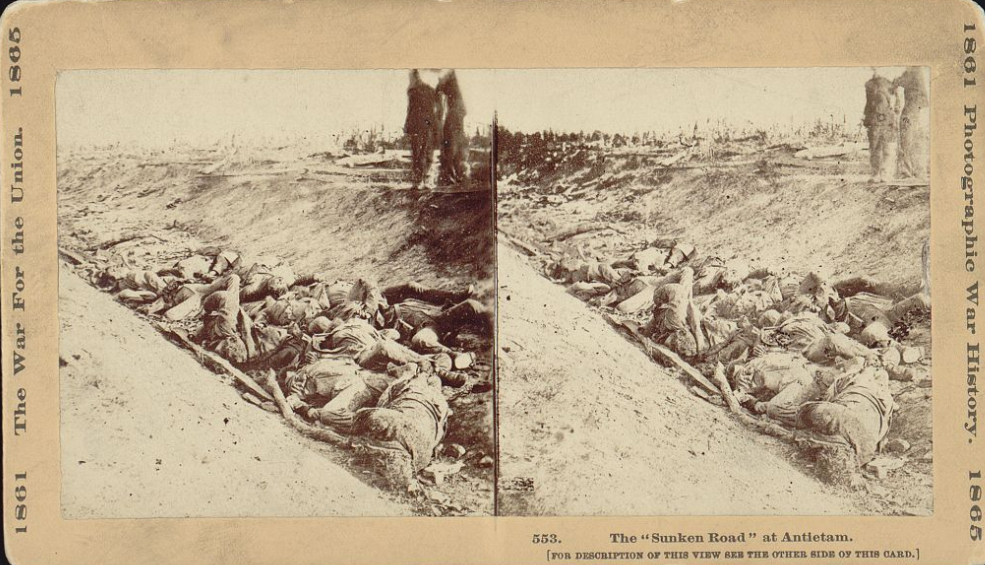
Stephen Sears describes two Union burial parties in his book about Antietam. These were comprised of young Federal recruits who had not yet experienced combat – but their Officers fought that by exposing these Union soldiers to the consequence of war – these men would be “toughened-up”. Therefore, these young recruits were given the task of burying the dead – a very arduous and time-consuming activity. Digging graves requires great strength and endurance – and when thousands of men need to be buried – the amount of raw labour required to achieve this was quite substantial (sometimes, but not always – African-Americans were given this task – North and South). A (White) Union soldier described that they were taught to dig a large pit designed to bury “47” dead-men – laid-out in a lattice formation (the bodies criss-crossed neatly as far as possible). This was to ensure an “even” decomposition into the ground – once the pit was buried and closed. The rule for both sides was that their own soldiers were to be buried first with the utmost respect. The enemy’s dead were only to be buried afterwards – using the minimum of resources and with little respect.
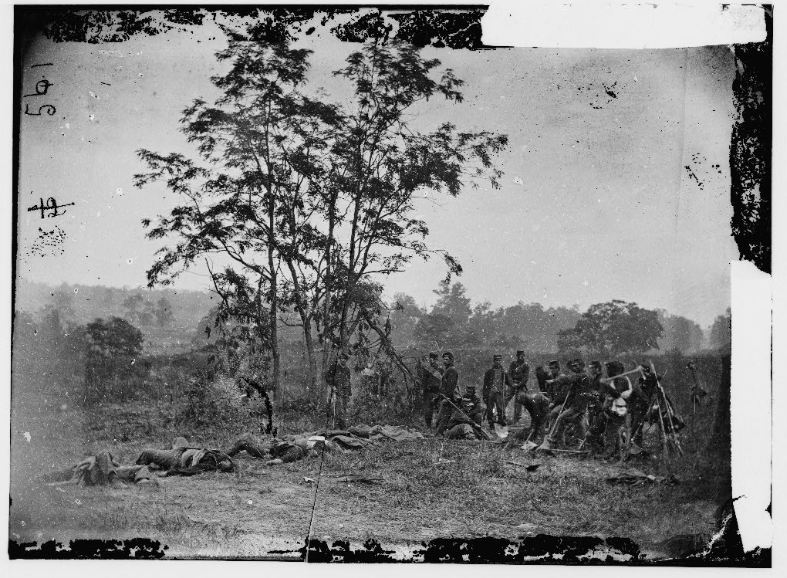
After burying thousands of Union sodiers – the tired Union soldiers had to deal with piles of dead Confederate soldiers shot-down whilst advancing toward the Union troops. There were 12-year-old drummer boys, young men, mature men, and men in their 60’s and 70’s (with grey hair and longbeards). All were gaunt, thin and looked hungry. Most had no shoes and very few wore the full Confederate uniform. Indeed, no two-men wore the same clothing, with every hat being different. Some carried empty muskets (with no ammunition in in their bags), one or two had rifles taken from dead Union soldiers. Others carried sticks – whilst some advanced with no weaponry at all. The Confederate flags had been lifted again and again by different Confederate soldiers – as each flag-bearer was shot-down. What happened to these men? Well, the Union soldiers tasked with the burial of these Confederates decided that the dead bodies would not be buried in the ground – but rather thrown head-first down a well owned by a local farmer in Maryland – opposed to the Confederacy. The well held “60” dead Confederate bodies before the farmer sealed-up and buried the entrance.
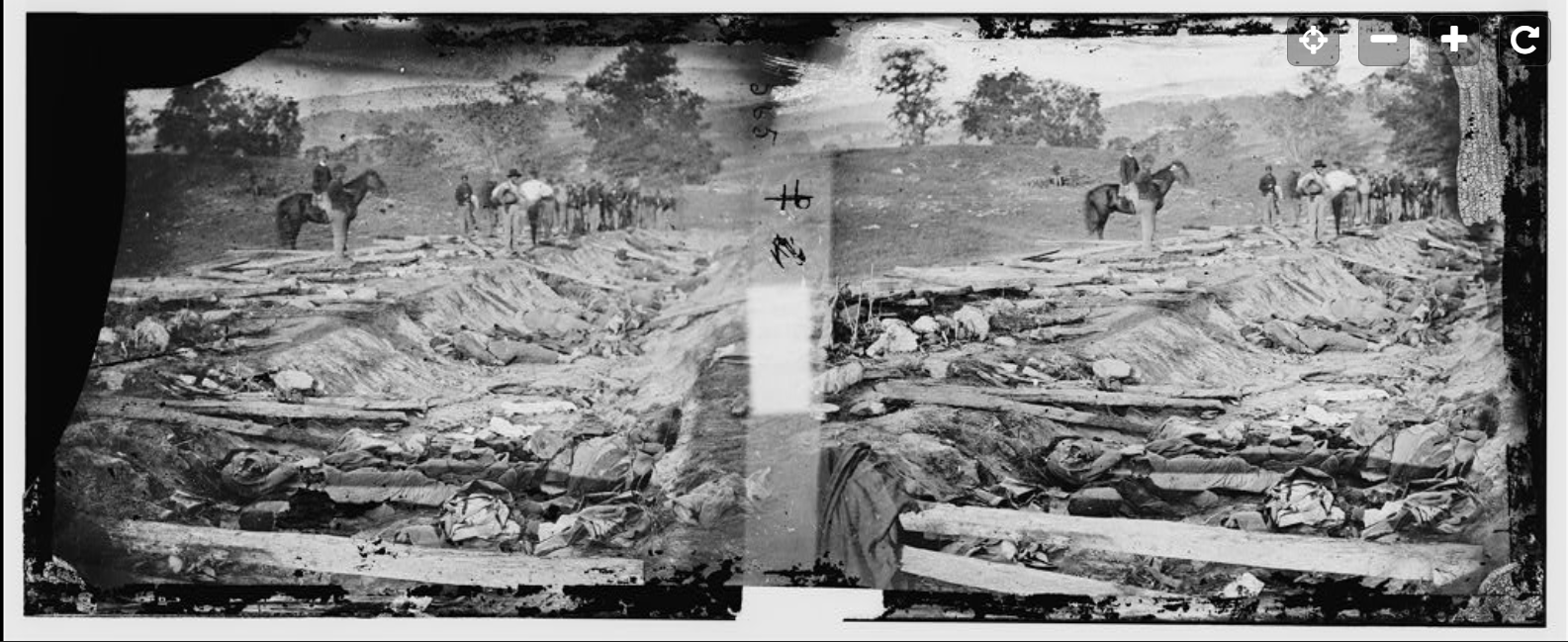
The Union Army paid the farmer $1 per dead Confederate body and the farmer made $60 out of the deal. He dug a new well in a different place for the cost of $2 – making a wartime profit of $58. No one knows the names of these Confederate soldiers – and if it was not for a report being made by the Union soldiers concerned – no one would know about these men today. Of course, there was great bravery on both sides – but the spin placed on the war by the winners has skewed how the Confederacy is viewed today. These Confederate men (and boys) advanced into the Union fire with the utmost discipline and determination. They believed 100% in their cause – which was for the freedom of their individual countries (termed “States”). At the time, this war was not only about slavery – but has been made ONLY about slavery since 1865. Many believed the federalisation of the United States was a betrayal of the 1776 War of Independence – and nothing short of a great evil!
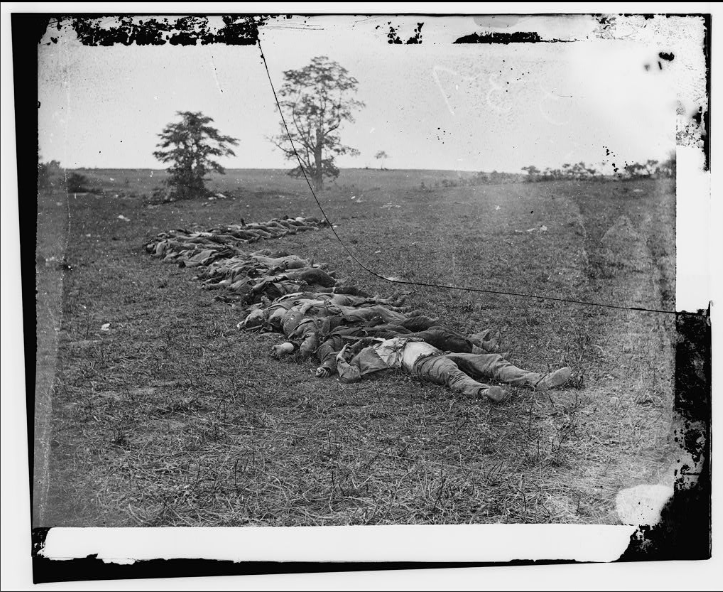
Those in the South viewed their uprising as a “Second War of Independence” against a North ever more dominated by England and European thinking. The Irish in the South believed they were fighting for a “Free Ireland” against the Union which represented the tyranny of England! Perhaps it is the greatest of ironies that many British people preferred the Confederacy over the Union – and would have diplomatically recognised the South and sent troops to assist it – if given the chance! British observers were on both sides of the war – and made reports for newspapers – but England kept on sending military supplies via ship to the South. This did include modern rifles and grey material for their uniforms – and as many shoes that could be made. The problem was the Union blockade of the Southern ports was highly effective. The Confederacy never possessed enough of anything during war – with Confederate soldiers only eating when capturing the enemy’s supplies. Byway of contrast, the Union Army possessed an opulent supply of everything to the point of absurdity – and yet the thread-bare Confederacy kept inflicting humiliating defeats upon it – and came within a hair’s breadth of changing world history!

