
We drove from Galmpton in Torquay – where we are currently staying (visiting my parents) – to Glastonbury Abbey on a day of intense and and unusually bright sunlight (the temperature was at lesst 27 °C – and perhaps higher)! The journey is about 82 miles from Gakmpton (Northwards) toward Glastonbury – taking around 90 minutes – although the odd traffic jam extended the trip to 2 hours or so. Oddly, despite being the height of the British Summer – there does not seem to be as many holiday-makers as usual in the general area of the West country. The streets are not heaving, the shops are well-stocked and easily accessible, the roads are relatively clear, and all the attractions are about halfful. Of course, the ubiquitous Japanese tourist was well-represented in Glastonbury – and it was good to see them.
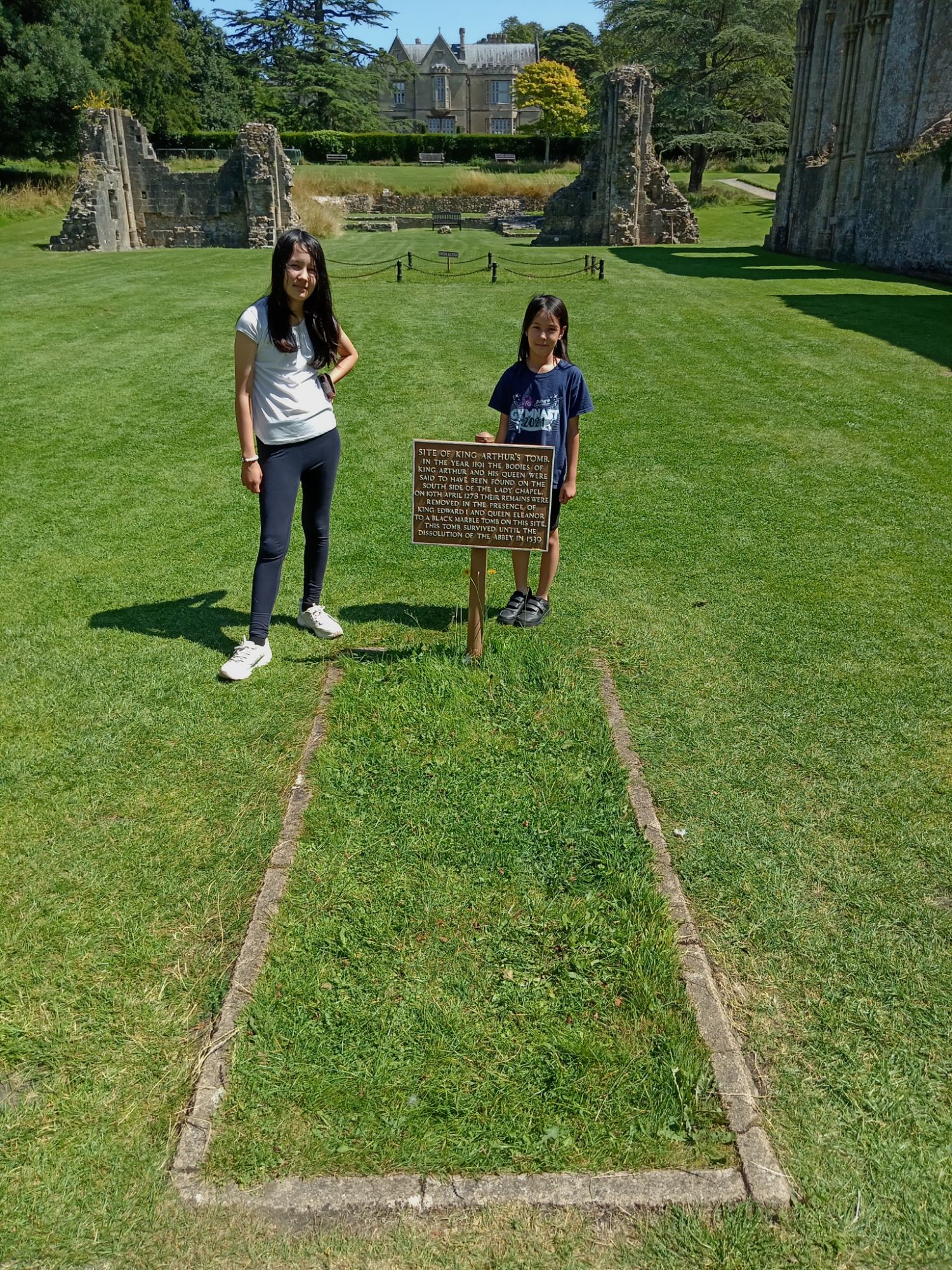

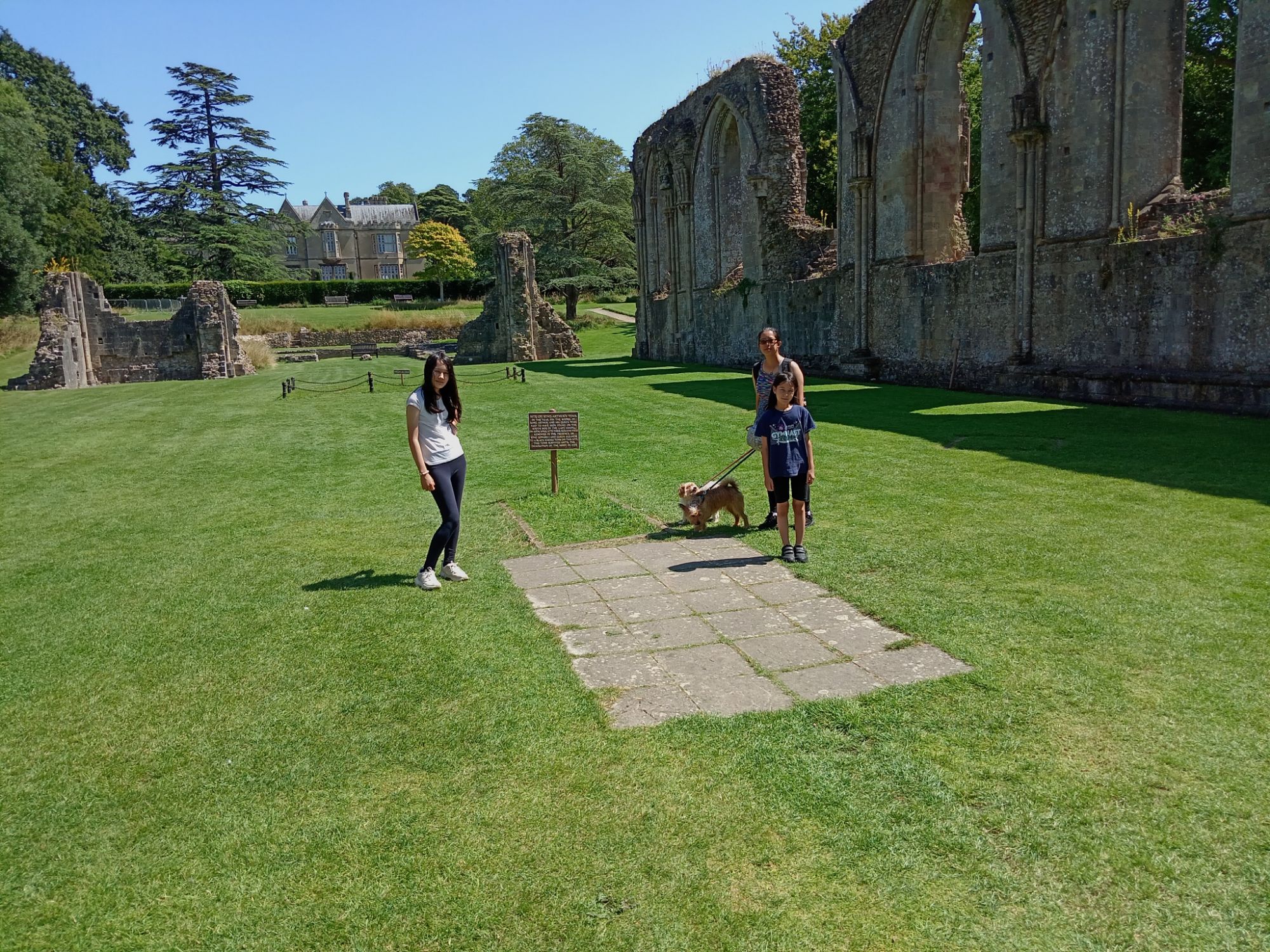

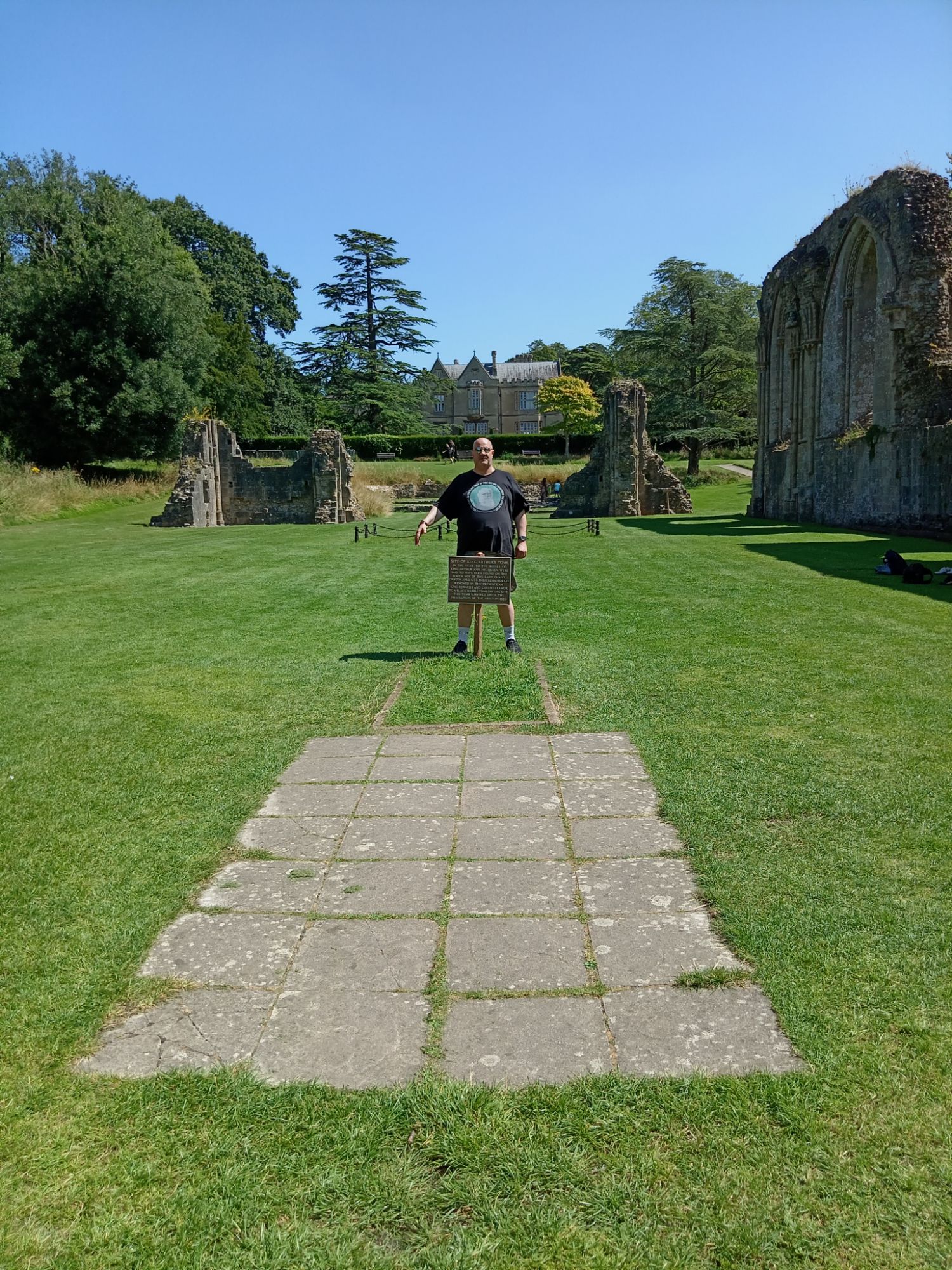
Our intention was introduce the children to the area marked-out within the grounds of the Abbey dedicated to the grave of the semi-legendary British figure of “King Arthur”! When Mei-An and Kai-Lin were younger they visited this site briefly – but about 6-years later-on they are both much more aware and willing to learn! My personal belief is that King Arthur was a real person and an individual of extraordinary vigour and virtue – perhaps the greatest leader Britain has ever known. I suspect he was a Celtic (Pagan) King who fought to protect the Isle from the invasion of Roman Catholicism and unwanted military incursions from German Europe! Although a Pagan – King Arthur protected the already present Celtic Christian Church that had spread to the Western side of Britain from Eire – with its origins being in Egypt! In that tolerant (monastic) Church – Glastonbury was the spiritual centre of Britain – and this explains why King Arthur (and his Queen – Guinevere) was buried in its grounds!
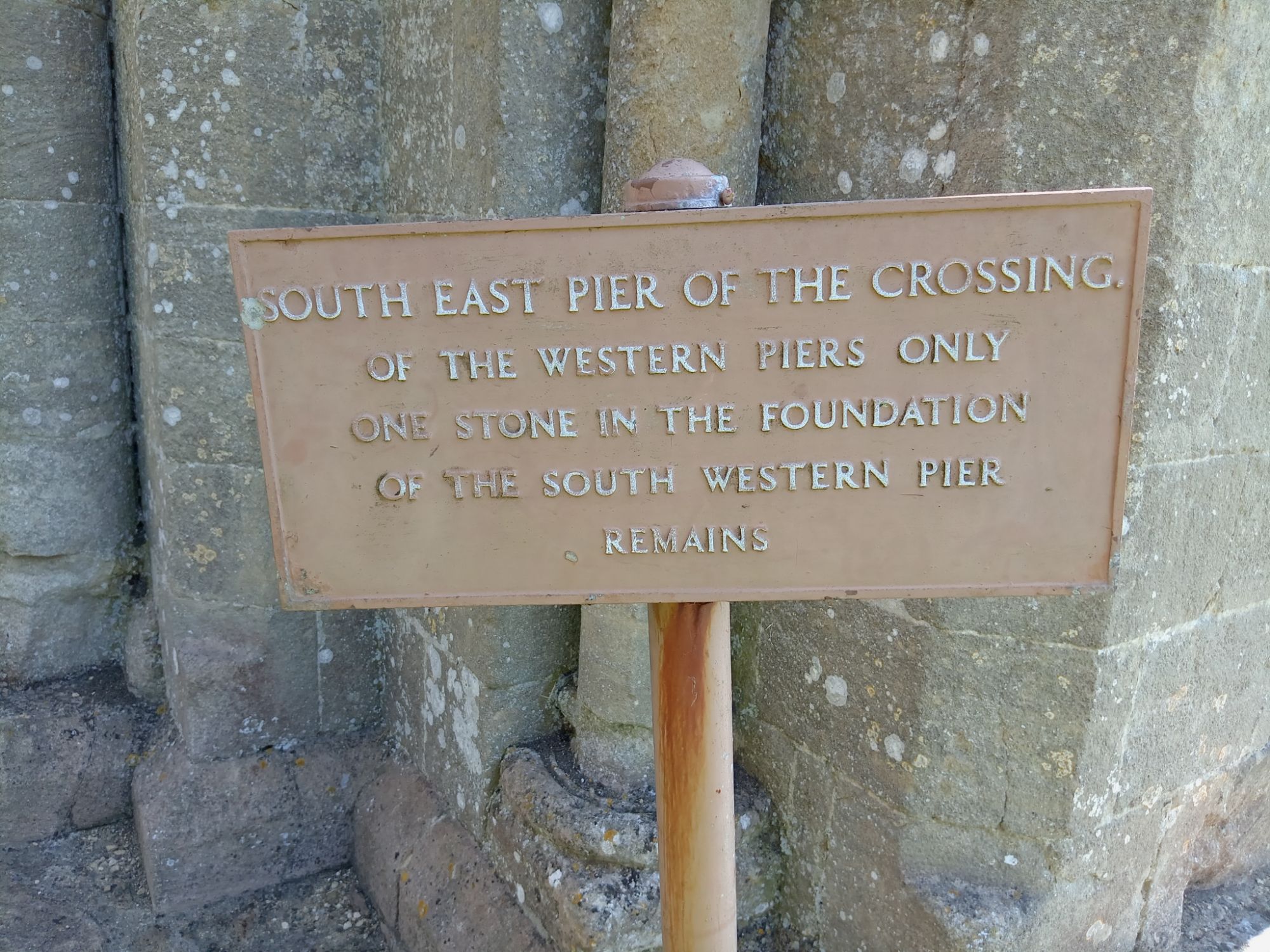
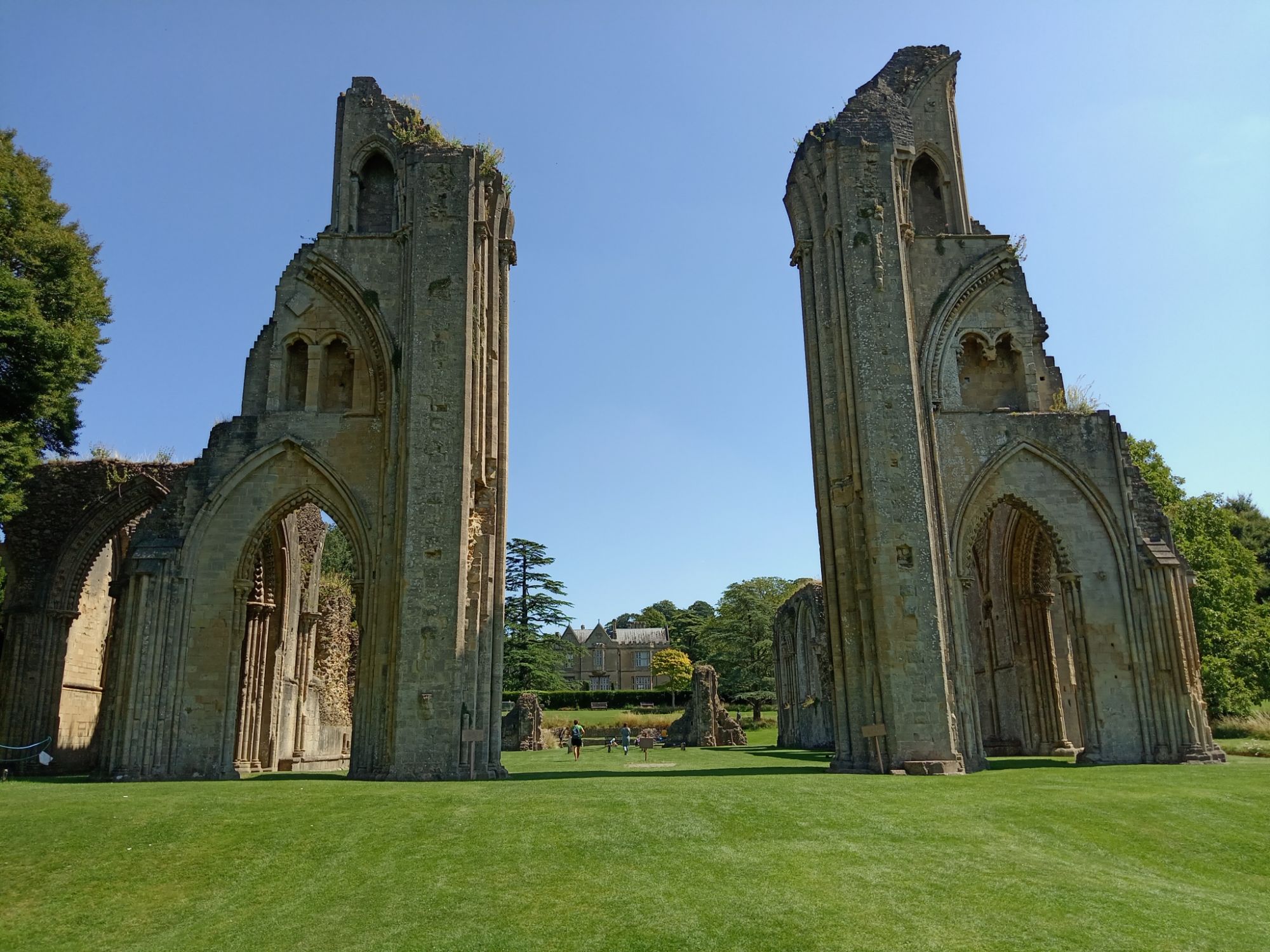


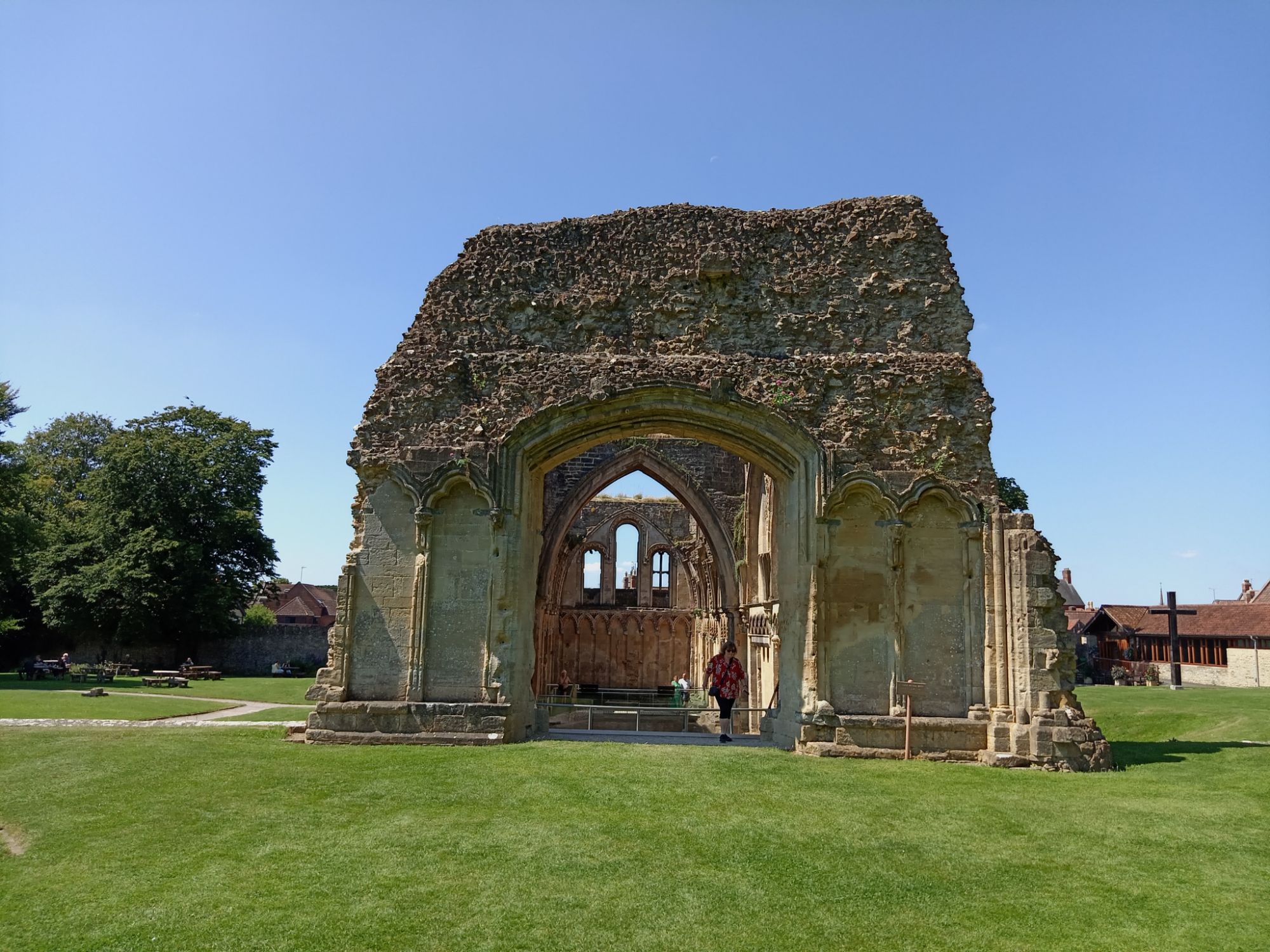
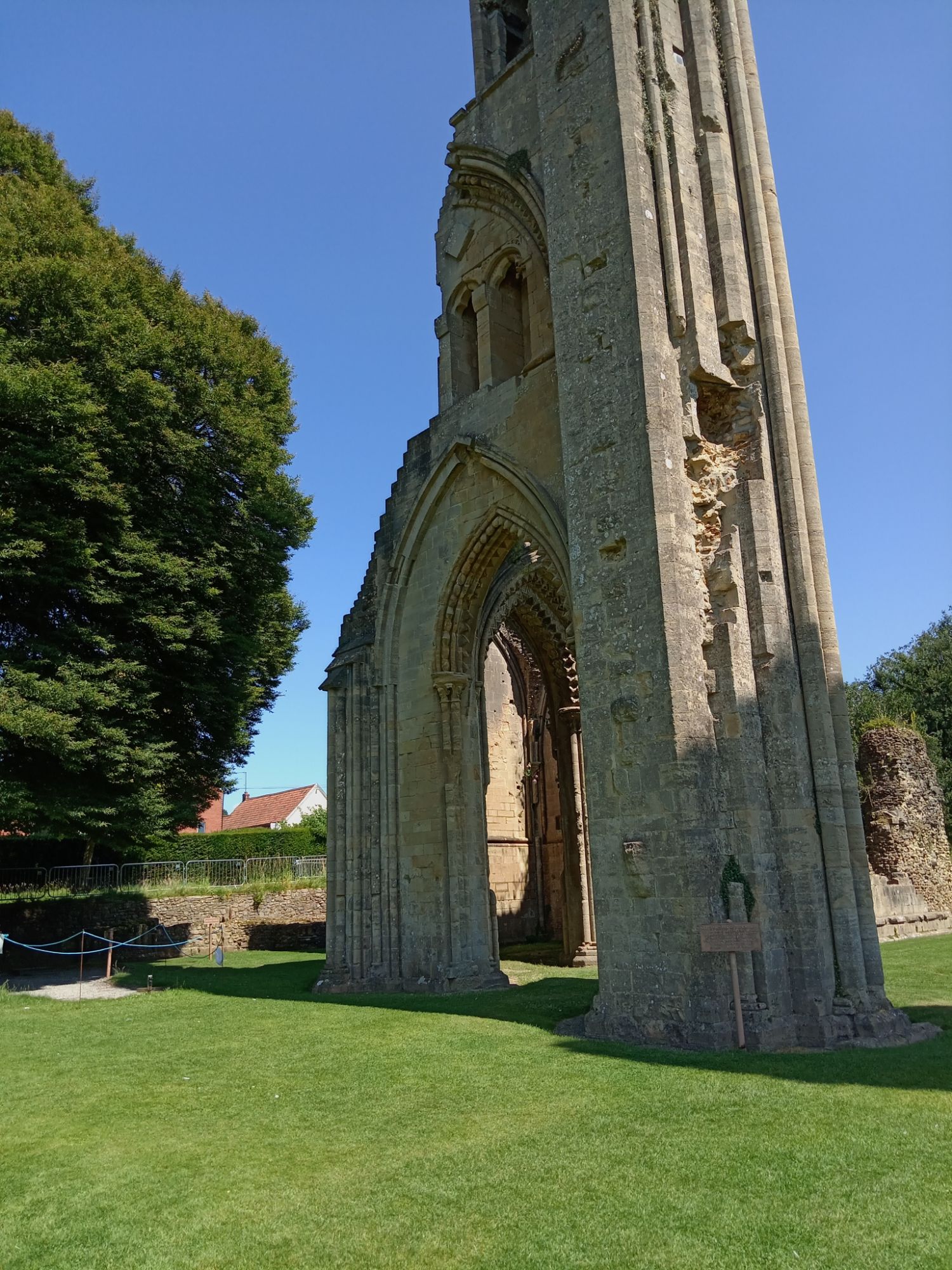
The Celtic Church (from Egypt) was probably in Britain from the 2nd century CE onwards – with it being destroyed by the incoming Roman Catholic Church by the 11th century CE. Its monastic nature encouraged not only cloistered monks who lived in draughty stone cells – but also Hermits who lived in natural caves or various other meditation cells (such as those meditation cells which used to be spread throughout the interior of hill that comprises “Glastonbury Tor”). Celtic Christianity did not persecute – but encouraged and accommodated – the Pagan beliefs of indigenous people. There was a mutual respect between both groups of believers and this explains why leaders like King Arthur would strive to protect the Church – and the Church to honour him in death. This type of Asiatic respect does not require a dogmatic attachment to belief to be relevant or active. Freedom of belief equates to respect for difference. There are many theories dating King Arthur from the 6th, 7th and 8th centuries, etc, which include many geographical areas associated with his life and death. We favour Tintagel in Cornwall – a place we have visited many times. King Arthur was a wise man, a compassionate man, and a great warrior!
 SANGHA KOMMUNE (SSR)