Glastonbury Tor - Spiritual Centre of England!

UK: My Father’s “Celtic Cross” Has Arrived! (27.7.2026)

I ordered this sometime ago from a small business in the UK – who sent me a wonderful postcard of Glastonbury and a bundle of free incense. Although we are modern people – and not religious – we may be described as “spiritual”. The Celtic Cross, I believe, is pre-Christian, and that the Christians may have encountered it amongst the Pagans – and decided to co-opt it into their religion. All the Celtic Cross means is that the seasons (in the Western-world) are separated into four-seasons. The cross represents this – and this only. A cross like this can be found within Viking and Anglo-Saxon cultures. Christians, for centuries, used two-fishes, and an “X” with a “P” (a Greek character) – and various other symbols (Christ is depicted as using a “wand” at one-point) – but never a “croos”.

King Arthur May Well Have Been a Historical Personage!

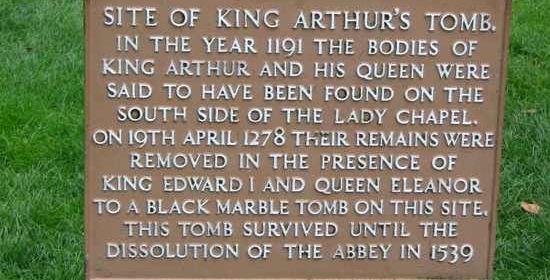
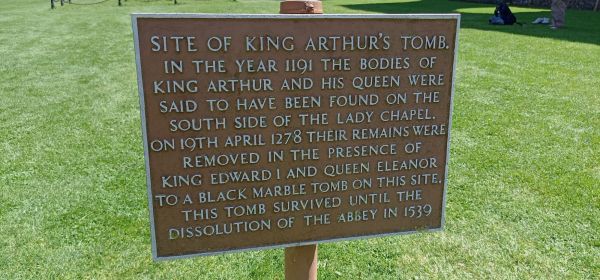
Glastonbury Abbey – King Arthur’s Grave! (29.7.2024)

The Celtic Church (from Egypt) was probably in Britain from the 2nd century CE onwards – with it being destroyed by the incoming Roman Catholic Church by the 11th century CE. Its monastic nature encouraged not only cloistered monks who lived in draughty stone cells – but also Hermits who lived in natural caves or various other meditation cells. Celtic Christianity did not persecute – but encouraged and accommodated the Pagan beliefs of indigenous people. There was a mutual respect between both groups of believers and this explains why leaders like King Arthur would strive to protect the Church – and the Church to honour him in death. This type of Asiatic respect does not require a slavish attachment to belief to be functional. Freedom of belief equates to respect for difference. There are many theories dating King Arthur from the 6th, 7th and 8th centuries, etc, which include many geographical areas associated with his life and death. We favour Tintagel in Cornwall – a place we have visited many times. King Arthur was a wise man, a compassionate man, and a great warrior!

The Great Halls of King Arthur’s Court – Tintagel – Cornwall 26.7.15

In the earliest layers of legend – King Arthur is a pre-Christian British leader – who unites the land and brings peace and prosperity to the land of Britain. He is assisted in this task by the magic Celtic wizard named Merlin. After Christianity arrived in Britain, the early Christian missionaries were surprised by the fact that the local Britons believed in the story of Arthur to a greater extent than they turned to the foreign and unfamiliar religion of Christianity. To combat this indigenous threat to the spread of Christianity, the missionaries pursued a policy of harnessing local ‘pagan’ beliefs and superimposing upon them a Christian interpretation.