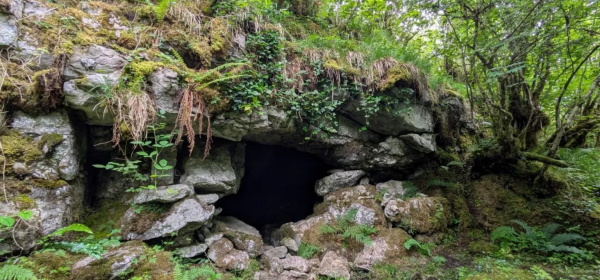
Researchers have helped to unearth the earliest known evidence of human existence in Ireland

Eire: Ancient Land-Bridge Links Wales to Ireland! (6.9.2026)

Eight of them were found to have cave art which they believe dates from at least 15,000 years ago and possibly much earlier, and around 5,000 years before the previous oldest example of humans in Ireland.

The team are currently unwilling to be more precise about the location of the caves, for fear that they may be vandalised or looted.

“We know that modern day south Wales was settled from around 35,000 to 40,000 years ago, by intrepid early modern humans from southern England, France and Spain, crossing the then dried-up land bridges of the English and Bristol Channels – seasonally settling in caves along the inhabitable strip of land stretching from Chepstow to St Davids,” said Nash.

“Over 20,000 years their art progressed from primitive line drawings which may have been early tally charts, to more figurative and representative depictions of the world around them, and what we’ve found in Ireland is yet another progression from that.”

The rock art which the Lost Land Bridge Project has uncovered includes engravings on the cave walls, paintings in ochre and charcoal and line sketches indented into clay and earth by fingertips.
UK Celtic Christianity

UK: When Did the Celts Develop a Written Alphabet? (11.1.2026)

The Celts did not develop a written language until 500-years after coming into contact with the Greek people – which occurred during the late 3rd century BCE – when the Greeks established a colony in Southern France (suggesting that a Celtic alphabet was developed c. 200 CE). Considering Richardson also states that by 400 CE (just two-hundred years after the Celts developed that alphabet) – most of the Celtic languages were nolonger spoken (due to the successful Roman Conquest of Western Europe and Britain) – this must be considered a relatively late date for a Celtic written language (considering the Celtic languages were existent for thousands of years prior to this).

King Arthur May Well Have Been a Historical Personage!

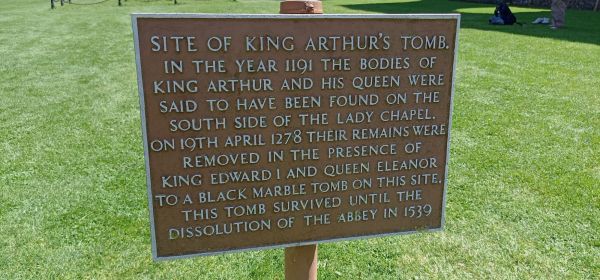
Glastonbury Abbey – King Arthur’s Grave! (29.7.2024)

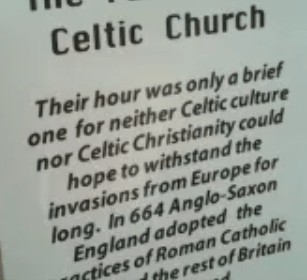
The Celtic Church (from Egypt) was probably in Britain from the 2nd century CE onwards – with it being destroyed by the incoming Roman Catholic Church by the 11th century CE. Its monastic nature encouraged not only cloistered monks who lived in draughty stone cells – but also Hermits who lived in natural caves or various other meditation cells. Celtic Christianity did not persecute – but encouraged and accommodated the Pagan beliefs of indigenous people. There was a mutual respect between both groups of believers and this explains why leaders like King Arthur would strive to protect the Church – and the Church to honour him in death. This type of Asiatic respect does not require a slavish attachment to belief to be functional. Freedom of belief equates to respect for difference. There are many theories dating King Arthur from the 6th, 7th and 8th centuries, etc, which include many geographical areas associated with his life and death. We favour Tintagel in Cornwall – a place we have visited many times. King Arthur was a wise man, a compassionate man, and a great warrior!