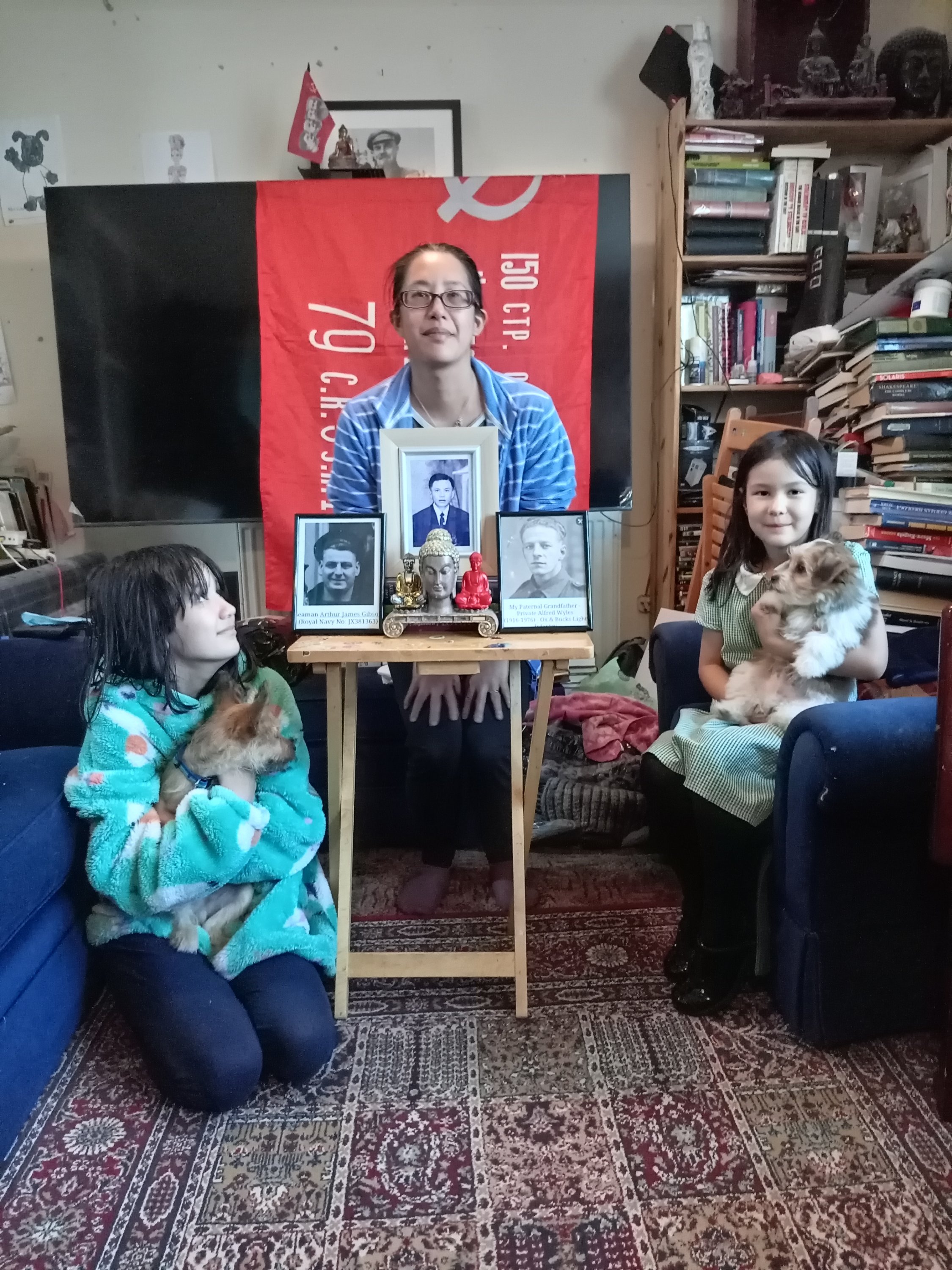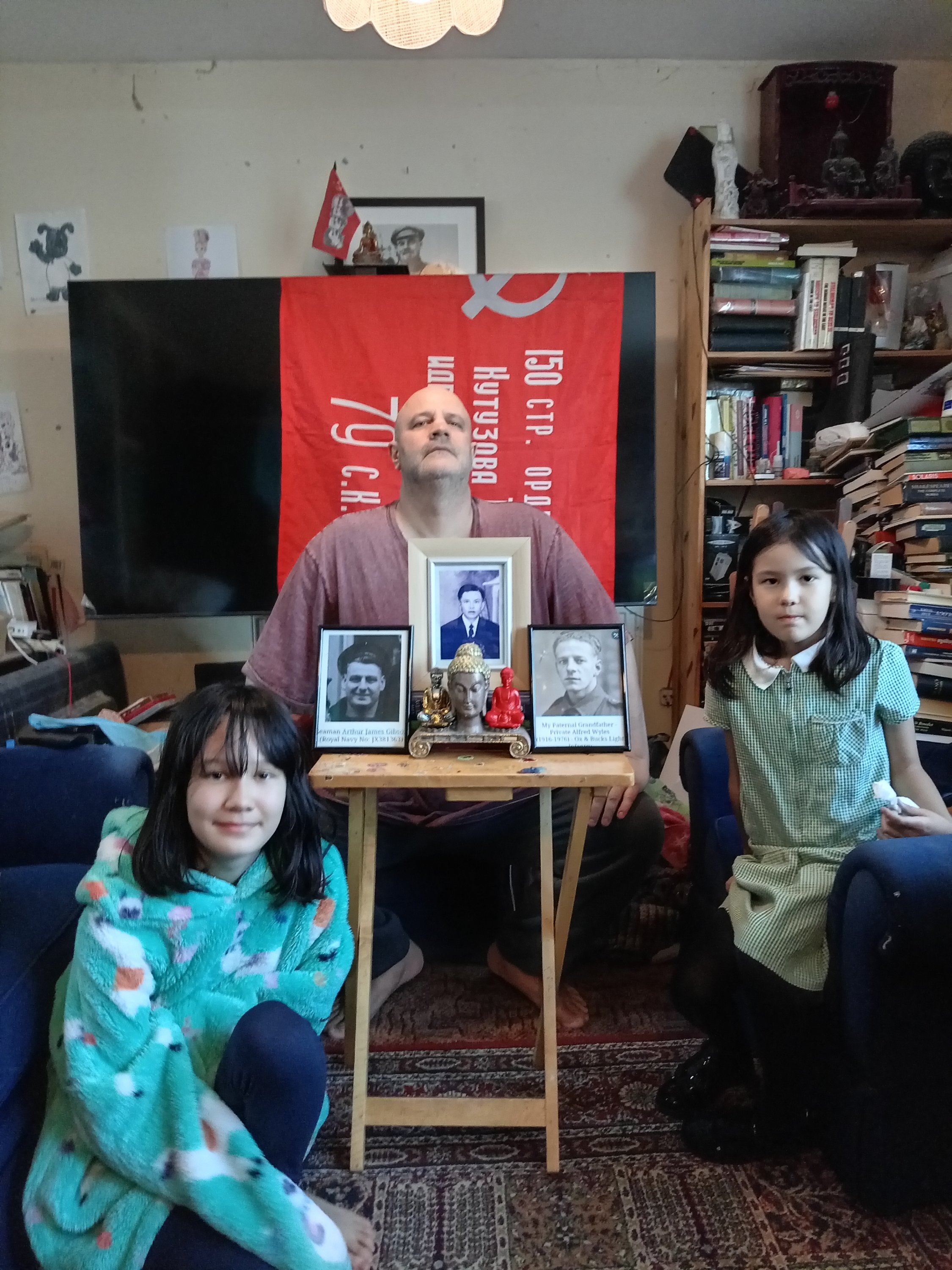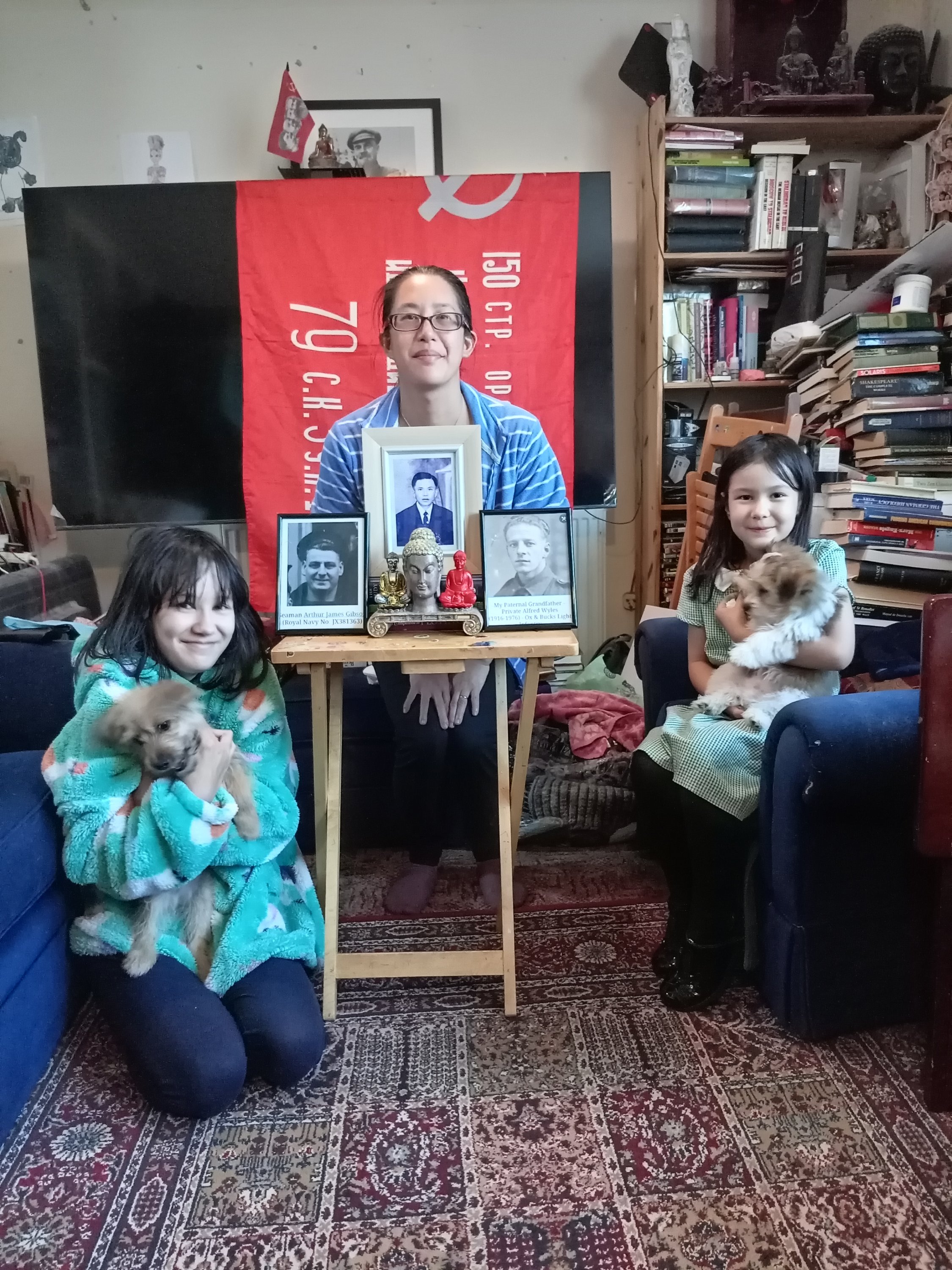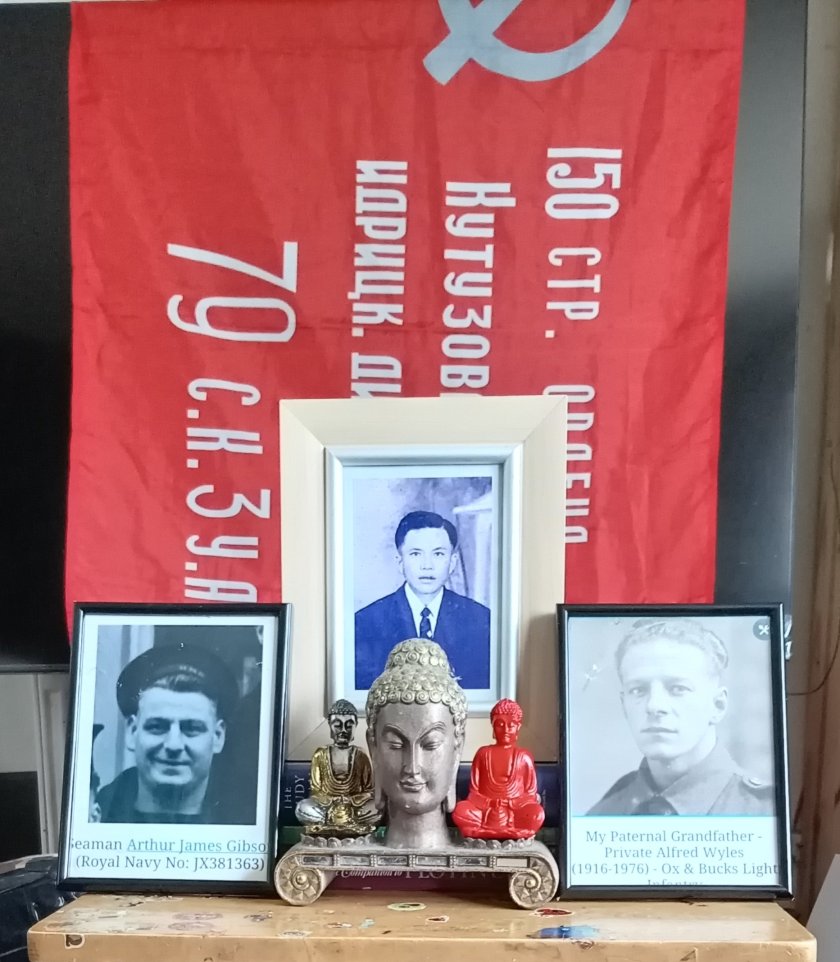
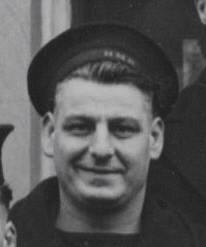
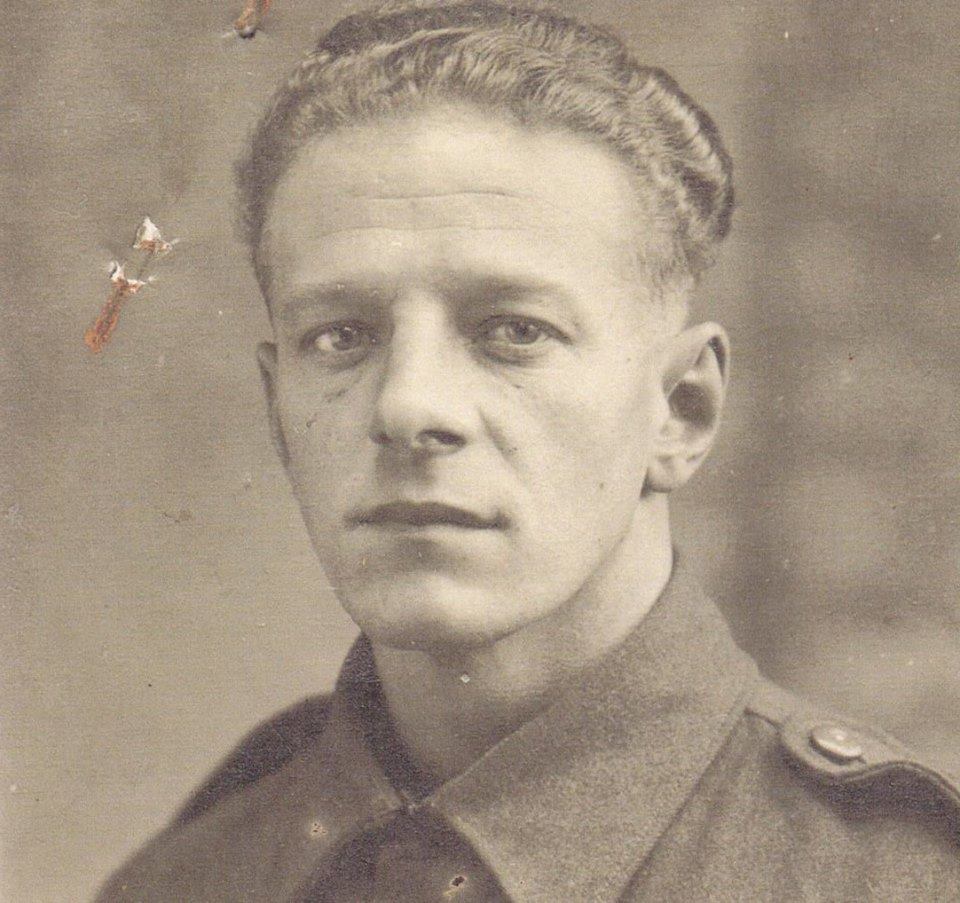
My maternal grandfather – Arthur Gibson – fought during WWII in the ‘Royal Navy Patrol Service’ (RNPS) and saw action in the North Atlantic Theatre (1942-1946). My paternal grandfather – Alfred Wyles – was a member of the 1st Buckinghamshire Battalion (1st Bucks), Oxford and Buckinghamshire Light Infantry (Territorials). He trained in and around the Exeter Canal System as it was similar to the Canal System in the Northwestern French city of ‘Caen’. The Ox & Bucks (Territorials) landed on Sword Beach early on D-Day and were tasked with fighting their way in-land the ten miles between the beach and the Caen Canal System (which proved to be a far more difficult and costly task on the day).
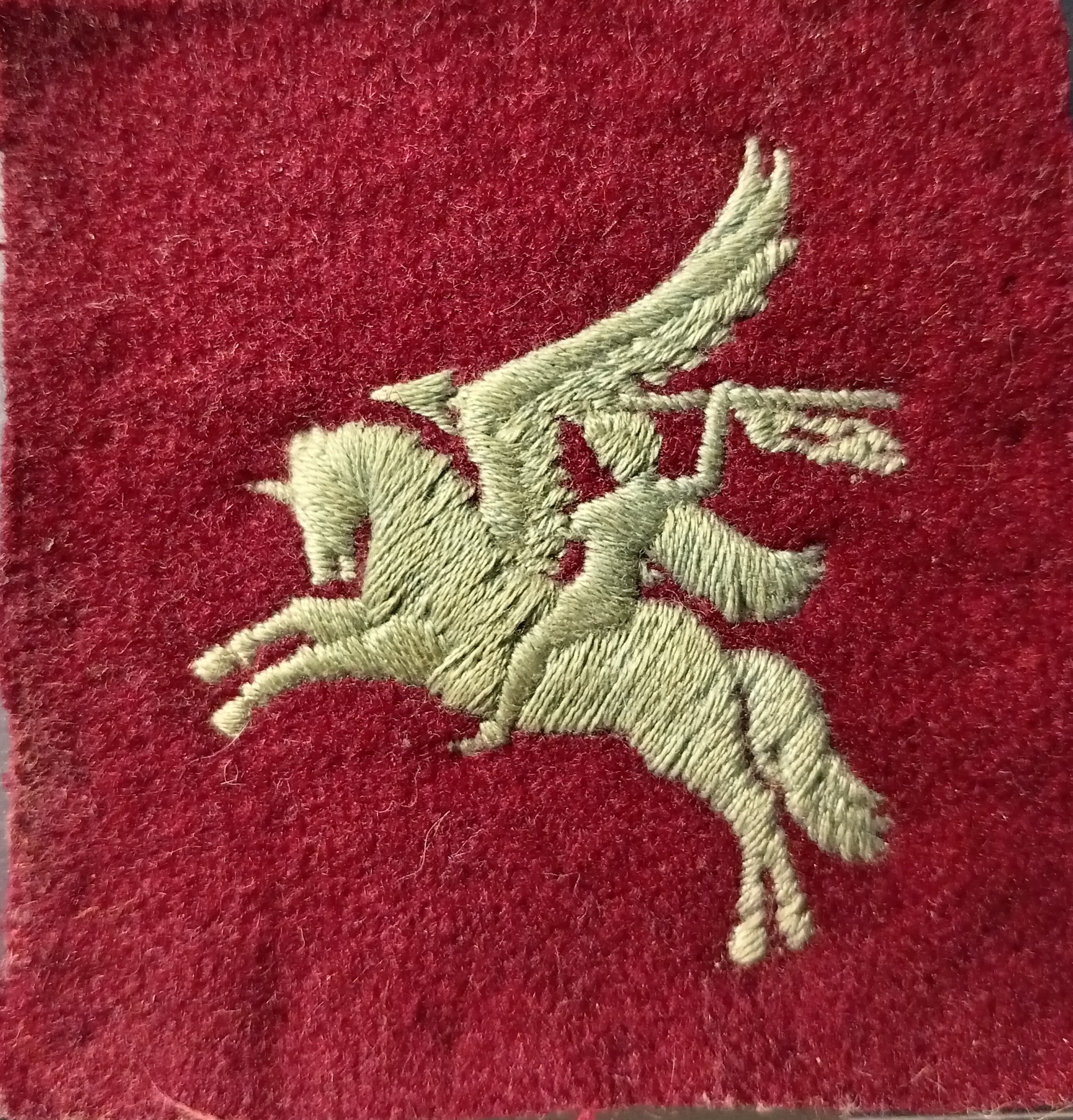
This was necessary as (‘Special’) Glider Troops of the Ox & Bucks (Professional) Regiment (D Company of the 2nd Battalion) had landed in and around the Caen Canal System – not long after midnight on June 6th! The British Glider Troops were tasked with seizing local landmarks (such as ‘Pegasus Bridge’) of tactical and strategic importance from the local Nazi German defenders – and hold these assets in the face of the expected Nazi German counter-attack.
Meanwhile, Arthur Gibson (as a member of the Royal Navy) was busy protecting Northern Britain by preventing a Nazi German invasion – whilst keeping the sea lanes free of Nazi German ‘mines’ so that Allied Shipping could move (free of this risk) throughout the North Atlantic. This included the assisting of the Russian (Soviet) Arctic Convoys – although the presence of Nazi German U-Boats was an ever-present threat!
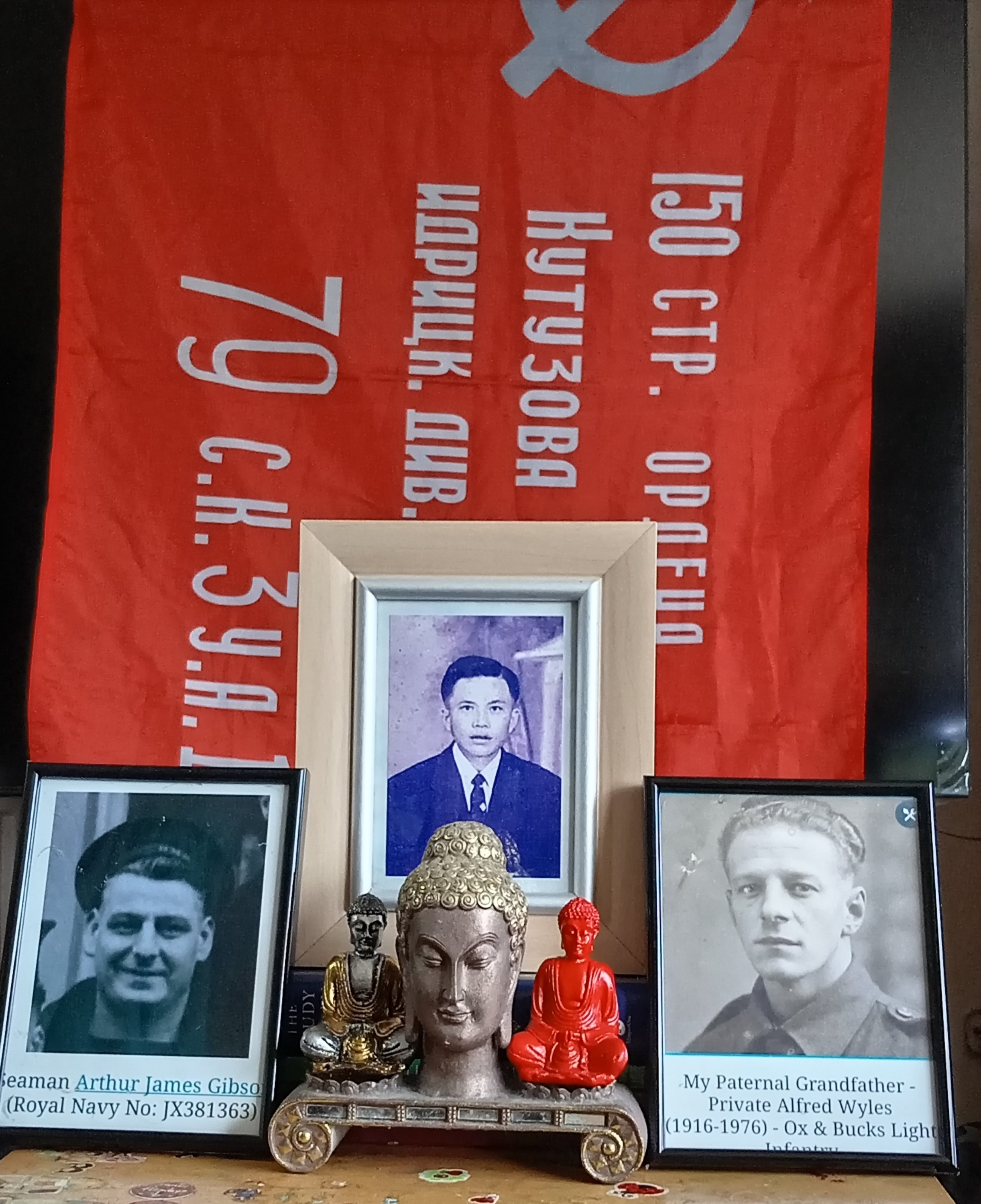
Our Hakka Chinese family clan in Sai Kung suffered terribly at the hands of the brutal Japanese – with women and girls routinely ‘raped’, ‘tortured’ and ‘murdered’! Not only do we possess eye-witness accounts of this barbarism – but long before the internet the Japanese liked to ‘photograph’ (and sometimes ‘film’) their crimes for all to see! These are crimes that the Japanese committed all over China and Asia – and which the Japanese government has yet to properly acknowledge and apologise for! Chan Tin Sang was 17-years old in 1941 and 21-years old in 1945 – when the war ended. During that time, he lost most of his immediate relatives and was accustomed to fighting ‘hand-to-hand’ with the fanatical Japanese soldiers – using his Hakka martial arts skills to survive (his father died fighting in this manner in 1944). Later, in search of a better life – Chan Tin Sang came to England in 1956 when he was 32-years old. He worked hard for 10-years in what became London’s ‘new’ Chinatown and finally saved up enough money to bring his wife and daughters to the UK (as they already possessed ‘British Citizenship’) in 1966 (when he was 42-years old). He passed away in 1993 when he was 69-years old – which was quite old at the time – but many believe that the years of deprivation (and continuous violence) he experienced between 1941-1945 definitely shortened his lifespan. Sometimes – as individuals and groups – we possess no choice. By the time the Western allies were landing on Normandy 79-years ago – the Japanese Occupiers were still strong and effective throughout Hong Kong and the New Territories! It would be with the entry of the Soviet Red Army (during late 1945) into Manchuria that begin the demise of the Imperial Japanese Army and signal the return of the British to Hong Kong!