‘Lieutenant Harley led a force of 40 Sikhs and 60 Kashmir Rifles in a bayonet charge out of the Garden Gate to capture the Summer House. The besiegers were taken by surprise and withdrew to cover, from where they built a sangar and opened an effective fire.’
Blogger’s Note: British Imperialism in India has a long and bloody history. British business took over India and extracted trillions from its raw material and wealth – guaranteeing modern India’s impoverished situation – and modern Britain’s first-world status. To achieve this – the British government established the “East India Company” and the (private) “British Indian Army” (the latter comprised of ex-British Army Officers and NCOs and locally recruited ethnic Indians). This force was supplemented by the regular British Army (recruited in the UK from the working-class slums). Britain shamefully interfered in internal Indian politics and that is exactly why this situation arose in 1895. Encouraging assassinations and then stage-managing the transition of power was the playbook. The British would literally cause a conflict and then take umbrage that violence had ensued against them. This manufactured “victimhood” is exactly what the US practices today to justify its endless military attacks. In 1895, the tribal people of North-West India (Pakistan today) were once again caught daring to manifest self-determination – and the British Raj despatched 400 British Indian troops (mostly Sikhs and Kashmiris) Officered by 5 (White) British Officers to garrison the fort at Chitral. Around 3000 Pathans (and their allies) faced-off with just over 400 British troops in a seige which lasted six-weeks (3rd March-20th April 1895) – which ended with the arrival of a British Relief Column on April 20th – putting an end to the entire affair (the two Relief Columns lost over 400 killed and around 200 wounded in the fighting outside and around the fort). The Pathans lost around 500 men (probably many more) and the British in the besieged fort lost around 42 (dead) and 62 (wounded). ACW (1.9.2026)
Chitral Today – Published on Aug 30, 2026
Beneath the barren peaks of the Hindu Kush, the river bends through a peaceful scene of lowing cattle, maize fields, and the serenity of Chitral’s ancient tribal palace.
But in 1895, this tranquil valley echoed with gunfire as a meagre British garrison held out against thousands of mountain tribesmen in a defiant six-week siege, one only lifted by the daring of the relief force.
The campaign in what is now north-western Pakistan was hailed as a “glorious episode” in the history of the Empire – with a Victoria Cross awarded, brutal bayonet fighting and starving survivors left like “walking skeletons”.
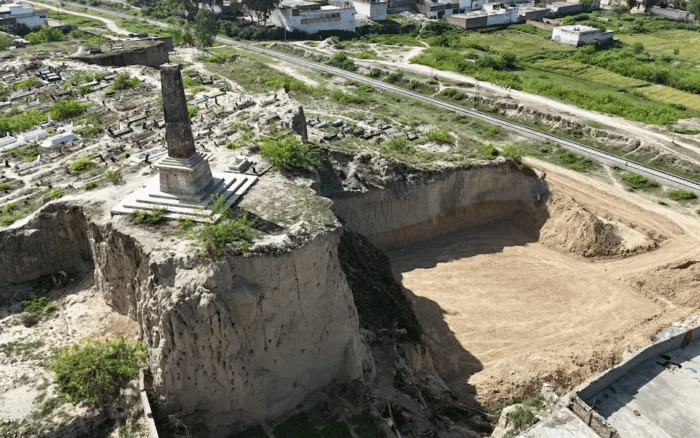
More than 120 years on, Chitral is once again the centre of a battle raging on the Pakistani frontier – this time over British-backed plans to save a war memorial raised for the heroes of the siege from destruction.
2 Important Comments:
- Muhammad Isa – – What a spectacular spectacle! The British army entered Chitral, intervened in local politics, put a 12-year-old boy on the throne as their favourite ruler, faced local resistance, shed blood, besieged the fort – and now, a century later, an attempt is being made to move the monument of the same military intervention to Chitral as “the heritage of Chitral”.It is as if a thief enters a house, fights with the owner of the house, puts a child of his choice on a throne, puts a plaque on the wall as he leaves, and comes back after a hundred years and says: “We saved you.” A more sophisticated imperialist joke may not be possible.The Chitral of 1895 was not a throne waiting for the arrival of the British crown. There was its own politics, its own rulers, its rivalries, its own powers, and above all, its own people. The British Empire entered Chitral with fear of Russian advances, border politics and the purse of its Indian interests. He saw the struggle of local power and decided:”We are needed here too. Then the same thing happened that empires do in the name of “help”. He gave the throne to whomever he liked. The power behind it was “legalized”. Anyone who resisted was labeled a “tribal invader”. And the army that made this whole game possible, built a memorial for it.This is not history; it is an imperial reckoning. The King of Twelve Years, the Mature Empire. Just look at the scene. On the one hand—the British Empire—which has the army, the cannon, the officers, the plans, and the entire power of the Indian Empire. On the other hand, a 12-year-old boy. And then we are told that the British army “saved Chitral”.From whom? As soon as you ask this question, the whole story begins to unfold. The enthronement of 12-year-old Shuja-ul-Mulk was not the result of any independent Chitrali people’s decision. It was a succession backed by British power, at a time when the Empire wanted to secure its north-western frontier interests.That is, the child was local, the throne was local, but the hand of power was somewhere else. This was the perfection of imperialism: your ruler, our order. The crown is yours, the decision is ours. Your fortress, our army. Then, when history was written, intervention became “help” and political patronage became “salvation”.Who did Chitral welcome? This is a question that is deftly ignored in this romantic imperialist narrative. The people of Chitral resisted the British military intervention. They confronted an army of foreign power coming to their land.But in the history of the victor, this resistance usually becomes a “tribal invasion.” Because in the imperialist lexicon, where the empire stands, there is “law and order”, and where there is a local gun, there is a “rebellion”. For the common man of Chitral, however, the matter was much simpler: the army had come from outside. And he was fighting against it. All it takes is an imperial historian to complicate it.Today, Prince Siraj-ul-Mulk argues that if the British army had not come, his family and his state might not have survived. It is the memory of his family, and the family has every right to remember their history. But, Mr. Prince, there must be one fundamental difference: your grandfather’s survival of the throne and the survival of Chitral are not the same thing.Your family retained power—that could be a historical fact. But how did this prove that the whole of Chitral was “saved” from British military intervention? It is also possible that the throne of one dynasty was saved, and at the same time the frontier interest of a foreign empire was preserved.In history, both things can be true at the same time. The problem arises when the political survival of a family is presented as the collective salvation of the whole of Chitral. Chitral is not just the name of a throne. Chitral is also the name of the people there. And if the people there were fighting against foreign military intervention, then ignoring their resistance and calling the survival of the royal family “the freedom of Chitral” is not history, it is the royal family narrative.Why should this monument go to Chitral? This question itself is the biggest satire of the whole controversy. The memorial stands in Nowshera. For a century. The land, its population and its collective memory have become part of it. Local graves are scattered around it. Generations have grown up watching it.Now it is being said that he should be shifted to Chitral because the battle took place in Chitral. Then apply this logic around the world. Send each historical monument back to the place where it was subjected. Then half of the world’s museums will be empty and the other half will be looking for their own buildings.The real question is not whether the monument should be saved or not. The real question is what date should it be symbolized? If it is a monument to the British military campaign, Nowshera is an understandable place for it. If this is a monument to the British colonial frontier policy, Nowshera is the fitting place for it.If it is a private historical monument of a royal family, the family can build a new monument in Chitral at their own expense. But to call it the collective legacy of Chitral? It’s to turn history upside down. The greatest weapon of imperialism is not the cannon, but the story. The British army left. The empire is over. Colonial rule ended. But the story remained.The story goes: We came. We saved. We showed bravery. We maintained a state. And now, 100 years later, the same story is being brought to Chitral with a new stone, a new text and a new interpretation. This is the real success of imperialism.The army leaves, but the narrative of the victor begins to speak in the local language. Let the stone remain. This monument should not be demolished. It should be preserved. But in Nowshera. Restore it, preserve its inscriptions, preserve its architectural history, document the military campaign of 1895. But also install a plaque that tells the whole truth.It commemorates the military campaign of British India. It symbolizes the period when the British Empire intervened in the politics of Chitral under its frontier interests. It commemorates the military siege and battle in which British forces faced local resistance.It is also a reminder of a coronation in which a 12-year-old boy was backed by British power. And it should also be written that the people of Chitral resisted this external interference. Then let it stay there. Under the sky of Nowshera. So that every visitor looking at this stone does not think that the British were the benefactors of Chitral, but rather understand how the empire makes its interference salvation, its army peace, and its political interest a sacred chapter in history.And if Prince Siraj-ul-Mulk insists on taking him to Chitral, take with him a question: Do you want to commemorate the British who saved your grandfather’s throne—or also the Chitralis, who resisted the same army on their soil? The two dates cannot be erased at the same time. One can find a souvenir.History to the other. And history, Mr. Prince, lasts longer than the throne after all. This pillar is not a symbol of the independence of Chitral; it is a stone proof of British imperial intervention. Let him stay in Nowshera. Staying there speaks more truthfully.Prince Sahib, take care of yourself. Leave the illusion that there was no one to ask in Chitral and the tradition of your family is the history of Chitral. That time has passed. Now there will be questions, there will be reckoning, and the history that was buried beneath royal tales and imperial medals will also be uncovered.Now neither the throne nor the crown will go—Chitral will write its own history. And in this history, the siege of the British will not be “salvation”, but the imperialist intervention will be written, and its pillar will not be in Chitral, but will stand where it stands today. Now Chitral is no longer the throne of anyone’s ancestors—Chitral belongs to the people of Chitral.
- Ahmad – – There is something deeply misguided, and almost impressively theatrical, about the campaign to haul a 30 foot Victorian monument from Nowshera to Chitral and present the exercise as “heritage preservation.”Before anyone uproots several tons of imperial nostalgia and drags it across the mountains, one simple question might be worth asking:Why, exactly, should Chitral want it? The monument is associated with the British military intervention during the crisis and siege of Chitral in 1895. In plain English, it is a relic of British imperial power. It is old. It is imposing. It is Victorian. And apparently, that is now enough to qualify something for a place of honour in Chitral.Its age makes it worth preserving. Its historical connection makes it worth studying. Its 30 foot height makes it useful for tourism.None of these things makes it something Chitral needs to celebrate. There is a rather important difference between preserving history and glorifying it.The British Army did not arrive in Chitral after receiving an invitation to organise a cultural exchange programme. Its intervention was part of the strategic calculations of British India on the North West Frontier.British troops became deeply involved in the political crisis surrounding the Mehtarship and supported a settlement favourable to British interests, including the installation of a very young ruler, approximately a twelve year old boy.That is not exactly the kind of episode that requires a giant monument saying, “Well done, gentlemen.”But imperial history has always had a remarkable talent for turning intervention into adventure and occupation into heroism. The defence of the fort, military sorties, mine destruction and arduous relief expeditions were transformed into stories of British courage, endurance and military genius.What conveniently disappears from this heroic version is the inconvenient fact that many Chitralis resisted the British intervention.They were not background extras in a British adventure film. Muhammad Isa Khan occupies an important place in the memory of those who view the events of 1895 from the Chitrali rather than the imperial perspective. For many Chitralis, the figure worthy of admiration is not necessarily the British officer defending an imperial position, but the local man resisting foreign military power.Which makes the proposed monument rather awkward. Why should Chitral receive a colossal Victorian monument associated with the very military power that intervened in its political affairs?Because it is old? Preserve it. Because it is historically important? Document it. Because it is 30 feet tall? Put a ticket booth beside it. But please do not quietly transform “this happened here” into “this deserves our honour.”Monuments are not neutral pieces of furniture. They are statements about public memory. They tell future generations whom we decided was worthy of a pedestal.The role of the Mehtar dynasty also deserves something more than romantic storytelling. Its relationship with British power was shaped by imperial politics, and the succession crisis cannot be understood without acknowledging British military and political influence. Installing a child ruler under imperial protection was hardly an uncomplicated triumph of indigenous sovereignty.Siraj ul Mulk may regard the monument as an important historical artefact. That is his right. But one family’s interpretation of history should not automatically become Chitral’s official memory.Chitral is not the private museum of the Mehtar family. Its history belongs to its people.Preserve the monument. Study it. Document it. Put it in a museum if appropriate. Explain exactly what it represents. But if Chitral is going to remember 1895, it should remember both sides of the fort walls.And perhaps the most revealing part of this whole exercise is that preserving colonial history so enthusiastically seems to suit Siraj ul Mulk rather well. After all, his family was among the beneficiaries of the political settlement that followed 1895, while ordinary Chitralis were certainly not the principal beneficiaries of British intervention.Siraj may have inherited the political arrangements that emerged after 1895, but that chapter belongs to history now. Modern Chitral is not anyone’s private estate, hereditary museum or family project.Chitral is ruled by its people, and it will be shaped by its people. Not by Siraj. Not by his family. And certainly not by a colonial monument being presented as Chitral’s heritage.
Muhammad Isa – (Comment 1 in Arabic)
کیا خوب تماشا ہے! برطانوی فوج چترال میں داخل ہوئی، مقامی سیاست میں مداخلت کی، ایک بارہ سالہ لڑکے کو اپنے پسندیدہ حکمران کے طور پر تخت پر بٹھایا، مقامی مزاحمت کا سامنا کیا، خون بہایا، قلعہ گھیر لیا—اور اب ایک صدی بعد اسی فوجی مداخلت کی یادگار کو ’’چترال کا ورثہ‘‘ قرار دے کر چترال منتقل کرنے کی کوشش ہو رہی ہے۔
گویا چور گھر میں داخل ہو، گھر کے مالک سے لڑے، اپنی مرضی کا بچہ تخت پر بٹھائے، جاتے جاتے دیوار پر ایک تختی لگا جائے اور سو برس بعد واپس آ کر کہے: ’’ہم نے تمہیں بچایا تھا۔‘‘ اس سے زیادہ نفیس سامراجی مذاق شاید ممکن ہی نہ ہو۔
1895ء کا چترال کوئی ایسا تخت نہیں تھا جو برطانوی تاج کی آمد کا منتظر ہو۔ وہاں اپنی سیاست تھی، اپنے حکمران تھے، اپنی رقابتیں تھیں، اپنی طاقتیں تھیں اور سب سے بڑھ کر اپنے لوگ تھے۔ برطانوی سلطنت روسی پیش قدمی کے خوف، سرحدی سیاست اور اپنے ہندوستانی مفادات کا تھیلا اٹھائے چترال میں داخل ہوئی۔ مقامی اقتدار کی کشمکش دیکھی اور فیصلہ فرمایا:
’’یہاں بھی ہماری ضرورت ہے۔‘‘ پھر وہی ہوا جو سلطنتیں ’’مدد‘‘ کے نام پر کرتی ہیں۔ جسے پسند کیا، اسے تخت دیا۔ جس کے پیچھے طاقت تھی، اسے ’’قانونی‘‘ بنا دیا۔ جس نے مزاحمت کی، اسے ’’قبائلی حملہ آور‘‘ لکھ دیا۔ اور جس فوج نے اس سارے کھیل کو ممکن بنایا، اس کے لیے یادگار تعمیر کر دی۔
یہ تاریخ نہیں؛ یہ سلطنتی حساب کتاب ہے۔ بارہ سال کا بادشاہ، بالغ سلطنت۔ ذرا منظر دیکھیے۔ ایک طرف برطانوی سلطنت—جس کے پاس فوج ہے، توپ ہے، افسر ہیں، منصوبہ ہے اور ہندوستانی سلطنت کی پوری طاقت ہے۔ دوسری طرف بارہ سال کا لڑکا۔ اور پھر ہمیں بتایا جاتا ہے کہ برطانوی فوج نے ’’چترال کو بچایا‘‘۔
کس سے؟ یہ سوال پوچھتے ہی پوری داستان کا ملمع اترنے لگتا ہے۔ بارہ سالہ شجاع الملک کو تخت پر بٹھانا کسی آزاد چترالی عوامی فیصلے کا نتیجہ نہیں تھا۔ یہ ایک ایسی تخت نشینی تھی جسے برطانوی طاقت کی پشت پناہی حاصل تھی، ایسے وقت میں جب سلطنت اپنے شمال مغربی سرحدی مفادات کو محفوظ کرنا چاہتی تھی۔
یعنی بچہ مقامی تھا، تخت مقامی تھا، مگر طاقت کا ہاتھ کہیں اور تھا۔ یہی سامراج کا کمال تھا: حکمران آپ کا، حکم ہمارا۔ تاج آپ کا، فیصلہ ہمارا۔ قلعہ آپ کا، فوج ہماری۔ پھر جب تاریخ لکھی گئی تو مداخلت ’’مدد‘‘ اور سیاسی سرپرستی ’’نجات‘‘ بن گئی۔
چترال نے کس کو خوش آمدید کہا تھا؟ یہ وہ سوال ہے جسے اس رومانوی سامراجی داستان میں بڑی مہارت سے غائب کر دیا جاتا ہے۔ چترال کے لوگوں نے برطانوی فوجی مداخلت کے خلاف مزاحمت کی۔ انہوں نے اپنی سرزمین پر آنے والی ایک بیرونی طاقت کی فوج کا مقابلہ کیا۔
مگر فاتح کی تاریخ میں یہ مزاحمت عموماً ’’قبائلی حملہ‘‘ بن جاتی ہے۔ کیونکہ سامراجی لغت میں جس طرف سلطنت کھڑی ہو، وہاں ’’نظم و قانون‘‘ ہوتا ہے؛ اور جس طرف مقامی بندوق ہو، وہاں ’’بغاوت‘‘۔ چترال کے عام آدمی کے لیے معاملہ مگر اس سے کہیں زیادہ سادہ تھا: باہر سے فوج آئی تھی۔ اور وہ اس کے خلاف لڑ رہا تھا۔ بس۔ اسے پیچیدہ بنانے کے لیے صرف ایک سلطنتی مورخ درکار ہوتا ہے۔
آج شہزادہ سراج الملک یہ مؤقف پیش کرتے ہیں کہ برطانوی فوج نہ آتی تو ان کا خاندان اور ان کی ریاست شاید بچ نہ پاتی۔ یہ ان کے خاندان کی یادداشت ہے، اور خاندان کو اپنی تاریخ یاد رکھنے کا پورا حق ہے۔ مگر، جنابِ شہزادہ، ایک بنیادی فرق ضرور ملحوظ رکھیے: آپ کے دادا کا تخت بچنا اور چترال کا بچنا ایک ہی بات نہیں۔
آپ کے خاندان کا اقتدار برقرار رہا—یہ ایک تاریخی حقیقت ہو سکتی ہے۔ لیکن اس سے یہ کیسے ثابت ہوگیا کہ پورا چترال برطانوی فوجی مداخلت سے ’’بچایا‘‘ گیا؟ یہ بھی تو ممکن ہے کہ ایک خاندان کا تخت بچا، اور اسی کے ساتھ ایک بیرونی سلطنت کا سرحدی مفاد بھی محفوظ ہوا۔
تاریخ میں دونوں باتیں بیک وقت سچ ہو سکتی ہیں۔ مسئلہ اس وقت پیدا ہوتا ہے جب ایک خاندان کی سیاسی بقا کو پورے چترال کی اجتماعی نجات بنا کر پیش کیا جائے۔ چترال صرف ایک تخت کا نام نہیں۔ چترال وہاں کے لوگوں کا بھی نام ہے۔ اور اگر وہاں کے لوگ بیرونی فوجی مداخلت کے خلاف لڑ رہے تھے تو ان کی مزاحمت کو نظرانداز کرکے صرف شاہی خاندان کی بقا کو ’’چترال کی آزادی‘‘ کہنا تاریخ نہیں، شاہی خاندانی بیانیہ ہے۔
یہ یادگار چترال کیوں جائے؟ یہ سوال خود اس سارے تنازعے کا سب سے بڑا طنز ہے۔ یادگار نوشہرہ میں کھڑی ہے۔ ایک صدی سے۔ وہاں کی زمین، وہاں کی آبادی اور وہاں کی اجتماعی یادداشت کا حصہ بن چکی ہے۔ اس کے گرد مقامی قبریں پھیل چکی ہیں۔ نسلیں اسے دیکھ کر جوان ہوئی ہیں۔
اب کہا جا رہا ہے کہ اسے چترال منتقل کیا جائے کیونکہ جنگ چترال میں ہوئی تھی۔ تو پھر اس منطق کو دنیا بھر میں نافذ کر دیجیے۔ ہر تاریخی یادگار کو اس مقام پر واپس بھیج دیجیے جہاں اس کا موضوع پیش آیا تھا۔ پھر دنیا کے آدھے عجائب گھر خالی ہو جائیں گے اور باقی آدھے اپنی عمارتیں ڈھونڈتے پھریں گے۔
اصل سوال یہ نہیں کہ یادگار کو بچایا جائے یا نہیں۔ اصل سوال یہ ہے کہ اسے کس تاریخ کی علامت بنا کر پیش کیا جائے۔ اگر یہ برطانوی فوجی مہم کی یادگار ہے تو نوشہرہ اس کے لیے ایک قابلِ فہم مقام ہے۔ اگر یہ برطانوی سامراجی سرحدی پالیسی کی یادگار ہے تو نوشہرہ ہی اس کی مناسب جگہ ہے۔
اگر یہ ایک شاہی خاندان کی نجی تاریخی یادگار ہے تو خاندان اپنے خرچ پر چترال میں ایک نئی یادگار تعمیر کر سکتا ہے۔ مگر اسے چترال کی اجتماعی میراث قرار دینا؟ یہ تاریخ کو الٹا کھڑا کرنا ہے۔ سامراج کا سب سے بڑا ہتھیار توپ نہیں، کہانی ہے۔ برطانوی فوج چلی گئی۔ سلطنت ختم ہوگئی۔ نوآبادیاتی حکومت ختم ہوگئی۔ مگر کہانی باقی رہ گئی۔
کہانی یہ کہ: ہم آئے۔ ہم نے بچایا۔ ہم نے بہادری دکھائی۔ ہم نے ایک ریاست کو قائم رکھا۔ اور اب، سو برس بعد، اسی کہانی کو نئے پتھر، نئی عبارت اور نئی تعبیر کے ساتھ چترال تک پہنچانے کی کوشش کی جا رہی ہے۔ یہی سامراج کی اصل کامیابی ہوتی ہے۔
فوج چلی جاتی ہے، مگر فاتح کا بیانیہ مقامی زبان میں بولنے لگتا ہے۔ پتھر کو رہنے دو ۔اس یادگار کو گرانا نہیں چاہیے۔ اسے محفوظ کرنا چاہیے۔ مگر نوشہرہ میں۔ اسے بحال کیجیے، اس کے کتبے محفوظ کیجیے، اس کی تعمیراتی تاریخ محفوظ کیجیے، 1895ء کی فوجی مہم کو دستاویزی شکل دیجیے۔ لیکن ساتھ ایک ایسی تختی بھی نصب کیجیے جو پوری حقیقت بیان کرے۔
یہ برطانوی ہندوستان کی فوجی مہم کی یادگار ہے۔ یہ اس دور کی علامت ہے جب برطانوی سلطنت نے اپنے سرحدی مفادات کے تحت چترال کی سیاست میں مداخلت کی۔ یہ اس فوجی محاصرے اور جنگ کی یادگار ہے جس میں برطانوی افواج نے مقامی مزاحمت کا سامنا کیا۔
یہ ایک ایسی تخت نشینی کی یاد بھی ہے جس میں ایک بارہ سالہ لڑکے کو برطانوی طاقت کی پشت پناہی حاصل ہوئی۔ اور یہ بھی لکھا جائے کہ چترال کے لوگوں نے اس بیرونی مداخلت کے خلاف مزاحمت کی۔ پھر اسے وہیں رہنے دیں۔ نوشہرہ کے آسمان کے نیچے۔ تاکہ ہر آنے والا اس پتھر کو دیکھ کر یہ نہ سمجھے کہ انگریز چترال کے محسن تھے، بلکہ یہ سمجھے کہ سلطنت کس طرح اپنی مداخلت کو نجات، اپنی فوج کو امن، اور اپنے سیاسی مفاد کو تاریخ کا مقدس باب بنا دیتی ہے۔
اور اگر شہزادہ سراج الملک اسے چترال لے جانے پر اصرار فرمائیں تو ایک سوال ساتھ لے جائیں: آپ اپنے دادا کا تخت بچانے والے انگریزوں کو یادگار دینا چاہتے ہیں—یا ان چترالیوں کو بھی یاد رکھنا چاہتے ہیں جنہوں نے اسی فوج کے خلاف اپنی زمین پر مزاحمت کی تھی؟ دونوں تاریخیں ایک ساتھ مٹائی نہیں جا سکتیں۔ ایک کو یادگار مل سکتی ہے۔
دوسرے کو تاریخ۔ اور تاریخ، جنابِ شہزادہ، آخرکار تخت سے زیادہ دیرپا ہوتی ہے۔ یہ ستون چترال کی آزادی کی علامت نہیں؛ یہ برطانوی سامراجی مداخلت کا پتھر کا ثبوت ہے۔ اسے نوشہرہ میں رہنے دیجیے۔ وہیں رہ کر یہ زیادہ سچی بات کہتا ہے۔
شہزادہ صاحب، اپنا خیال رکھیے۔ یہ خوش فہمی اب چھوڑ دیجیے کہ چترال میں کوئی پوچھنے والا نہیں تھا اور آپ کے خاندان کی روایت ہی چترال کی تاریخ ہے۔ وہ زمانہ گزر چکا۔ اب سوال بھی ہوگا، حساب بھی ہوگا، اور وہ تاریخ بھی کھولی جائے گی جسے شاہی قصوں اور سامراجی تمغوں کے نیچے دبا دیا گیا تھا۔
اب نہ تخت کی چلے گی، نہ تاج کی—چترال اپنی تاریخ خود لکھے گا۔ اور اس تاریخ میں انگریز کا محاصرہ ’’نجات‘‘ نہیں، سامراجی مداخلت لکھا جائے گا؛ اور اس کا ستون چترال میں نہیں، اسی جگہ کھڑا رہے گا جہاں وہ آج کھڑا ہے۔ اب چترال کسی کا باپ دادا کا تخت نہیں—چترال چترالیوں کا ہے۔

