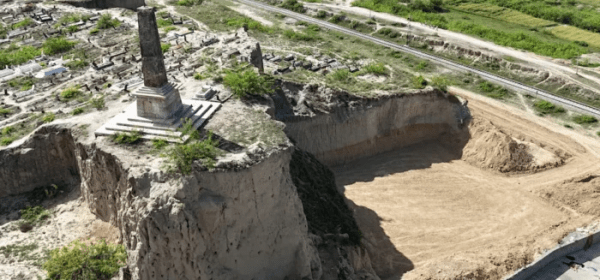
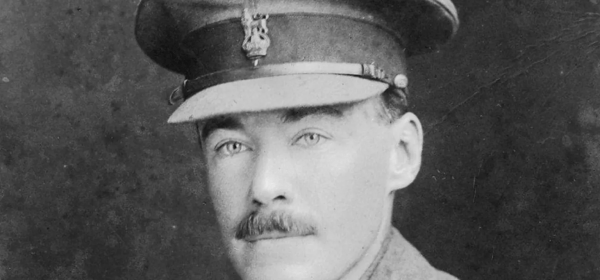
British Imperialism in India has a long and bloody history. British business took over India and extracted trillions from its raw material and wealth – guaranteeing modern India’s impoverished situation – and modern Britain’s first-world status. To achieve this – the British government established the “East India Company” and the (private) “British Indian Army” (the latter comprised of ex-British Army Officers and NCOs and locally recruited ethnic Indians). This force was supplemented by the regular British Army (recruited in the UK from the working-class slums). Britain shamefully interfered in internal Indian politics and that is exactly why this situation arose in 1895. Encouraging assassinations and then stage-managing the transition of power was the playbook. The British would literally cause a conflict and then take umbrage that violence had ensued against them. This manufactured “victimhood” is exactly what the US practices today to justify its endless military attacks. In 1895, the tribal people of North-West India (Pakistan today) were once again caught daring to manifest self-determination – and the British Raj despatched 400 British Indian troops (mostly Sikhs and Kashmiris) Officered by 5 (White) British Officers to garrison the fort at Chitral. Around 3000 Pathans (and their allies) faced-off with just over 400 British troops in a seige which lasted six-weeks (3rd March-20th April 1895) – which ended with the arrival of a British Relief Column on April 20th – putting an end to the entire affair (the two Relief Columns lost over 400 killed and around 200 wounded in the fighting outside and around the fort). The Pathans lost around 500 men (probably many more) and the British in the besieged fort lost around 42 (dead) and 62 (wounded).