- Programme: Yayabo Sports
- Broadcaster: Radio Sancti Spíritus
- Issue date: 03/07/2026
In a new installment of Yayabo Deportivo, the flagship sports space on Radio Sancti Spíritus, commentators Armando Rodríguez Saavedra and Joaquín Gómez Serra, together with filmmaker Disnel Castro, sat down to discuss the panorama of the Cuban delegation for the Central American and Caribbean Games of Santo Domingo 2026. With the appointment scheduled for July 24, the programme focused on combat sports, called to carry the greatest weight of the island’s medal aspirations.
The analysis began with a blunt diagnosis of Cuban fencing: once a constellation of stars with figures such as Rolando Tucker, Efigenio Favier or Iván Trevejo, today the sport of masks and foils is going through a deep crisis. The hosts agreed that, due to its high cost and the lack of generational change, achieving even a bronze in Santo Domingo would be an achievement. “It is no longer the fencing that dominated in the Central American and Pan American area,” they said, practically discarding it from the medal table.
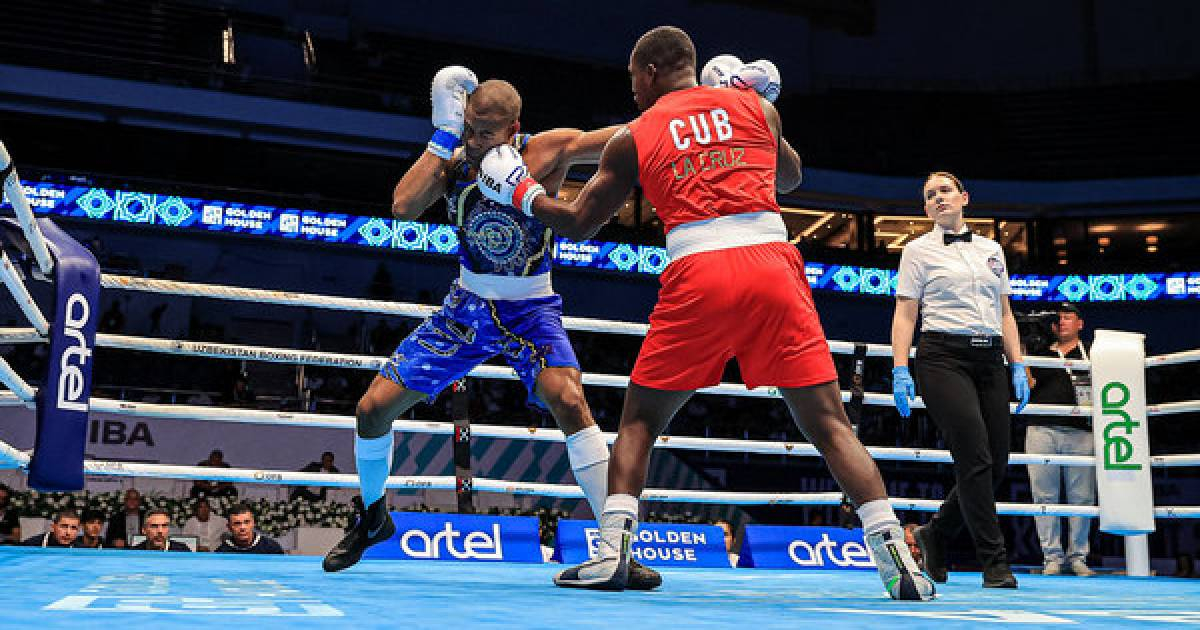
The bulk of the debate focused on boxing, wrestling, Judo and Taekwondo. In Boxing, with only seven men’s divisions (compared to twelve in golden times) and one women’s division still without the necessary strength, the hosts placed their hopes in names such as Alejandro Claro Fiss from Sancti Spiritus – bronze medallist in two world championships and third in the global ranking – Saidel Orta, Erislandy Álvarez and Julio César La Cruz. However, they warned that the former “flagship boxing” is no longer the same: the Dominican Republic, Puerto Rico, Mexico, Colombia and Venezuela have grown and will present very competitive squads. The forecast: four golds out of a possible seven would be an excellent performance, although not easy.
The struggle, on the other hand, aroused conflicting opinions. While the national technical team was conservative in their forecasts, the hosts of the podcast were much more optimistic. They pointed out that in the Greco-Roman era, with figures such as Luis Alberto Orta (Olympic champion), Daniel Gregorich, Gabriel Rosillo and Óscar Pino – all with world parchments – there should be no rival in the Central American area. “Orta does not lose to anyone in America,” they said, and they saw it possible to harvest up to four or five golds in Greco-Roman, plus two or three in freestyle and as many in women’s freestyle. For them, the official forecast was “extremely conservative.”
In Judo, the analysis was more nuanced. The men’s team has Iván Silva, Andy Grande, Jonathan Charón, Orlando Polanco and Marlon Herrera, with real options in several divisions, although the women’s team is a far cry from that golden era of Ronaldo Veitía, when Cuba was fighting toe-to-toe with Japan. The hosts remembered with nostalgia Dayaris Mestre, a triple Central American gold medallist, and contrasted her legacy with the current reality: only four female representatives and a level that no longer scares the area. Even so, they predicted three possible golds in the Judo team.
Taekwondo closed the block of combat sports with the idea that, although without the figures of yesteryear, it can always surprise and bring a gold medal.
The episode concluded with a deep reflection: Cuba is fighting for third place in the medal table behind Mexico and Colombia, in a tough fight with the Dominican Republic, Puerto Rico and Venezuela. And in that fight, combat sports – boxing, wrestling, judo and taekwondo – continue to be the main asset. “You have to fight hard,” summarized the hosts, saying goodbye to the programme with the usual hallmark: accurate analysis, passion for sports and commitment to the audience of Sancti Spíritus and the world.
Cuban Language Text:
El desafío de Cuba en los Centroamericanos: la lucha y el boxeo, bazas de oro ante un escenario incierto
- Programa: Yayabo deportivo
- Emisora: Radio Sancti Spíritus
- Fecha de emisión: 03 / 07 / 2026
En una nueva entrega de Yayabo Deportivo, el espacio insignia del deporte en Radio Sancti Spíritus, los comentaristas Armando Rodríguez Saavedra y Joaquín Gómez Serra, junto al realizador Disnel Castro, se sentaron a debatir el panorama de la delegación cubana de cara a los Juegos Centroamericanos y del Caribe de Santo Domingo 2026. Con la cita programada para el próximo 24 de julio, el programa puso el foco en los deportes de combate, llamados a cargar con el peso mayor de las aspiraciones medallísticas de la Isla.
El análisis arrancó con un diagnóstico sin rodeos sobre la esgrima cubana: antaño una constelación de estrellas con figuras como Rolando Tucker, Efigenio Favier o Iván Trevejo, hoy el deporte de las caretas y los floretes atraviesa una crisis profunda. Los conductores coincidieron en que, por su alto costo y la falta de relevo generacional, alcanzar siquiera un bronce en Santo Domingo sería todo un logro. «Ya no es la esgrima que dominaba en el área centroamericana y panamericana», sentenciaron, descartándola prácticamente del medallero.
El grueso del debate se centró en el boxeo, la lucha, el judo y el taekwondo. En el boxeo, con solo siete divisiones masculinas (frente a las doce de épocas doradas) y un femenino aún sin la fuerza necesaria, los conductores pusieron sus esperanzas en nombres como el espirituano Alejandro Claro Fiss –medallista de bronce en dos mundiales y tercero del ranking global–, Saidel Orta, Erislandy Álvarez y Julio César La Cruz. Sin embargo, advirtieron que el otrora «boxeo insignia» ya no es el mismo: República Dominicana, Puerto Rico, México, Colombia y Venezuela han crecido y presentarán escuadras muy competitivas. El pronóstico: cuatro oros de siete posibles sería una excelente actuación, aunque nada sencilla.
La lucha, en cambio, despertó opiniones encontradas. Mientras el equipo técnico nacional se mostraba conservador en sus pronósticos, los conductores del podcast fueron mucho más optimistas. Señalaron que en la grecorromana, con figuras como Luis Alberto Orta (campeón olímpico), Daniel Gregorich, Gabriel Rosillo y Óscar Pino –todos con pergaminos mundiales–, no debería haber rival en el área centroamericana. «Orta no pierde con nadie en América», afirmaron, y vieron posible cosechar hasta cuatro o cinco oros en grecorromana, más dos o tres en libre y otros tantos en libre femenina. Para ellos, el pronóstico oficial fue «extremadamente conservador».
En el judo, el análisis fue más matizado. El equipo masculino cuenta con Iván Silva, Andy Grande, Jonathan Charón, Orlando Polanco y Marlon Herrera, con opciones reales en varias divisiones, aunque la femenina está muy lejos de aquella época dorada de Ronaldo Veitía, cuando Cuba se batía de tú a tú con Japón. Los conductores recordaron con nostalgia a la espirituana Dayaris Mestre, triple medallista de oro centroamericana, y contrastaron su legado con la realidad actual: solo cuatro representantes femeninas y un nivel que ya no asusta al área. Aun así, pronosticaron tres oros posibles en el conjunto del judo.
El taekwondo cerró el bloque de deportes de combate con la idea de que, aunque sin las figuras de antaño, siempre puede sorprender y aportar alguna medalla de oro.
El episodio concluyó con una reflexión de fondo: Cuba lucha por el tercer lugar del medallero por detrás de México y Colombia, en dura pugna con República Dominicana, Puerto Rico y Venezuela. Y en esa pelea, los deportes de combate –boxeo, lucha, judo y taekwondo– siguen siendo la principal baza. «Hay que lucharlo duro», resumieron los conductores, despidiendo el programa con el sello de siempre: el análisis certero, la pasión por el deporte y el compromiso con la audiencia de Sancti Spíritus y el mundo.

