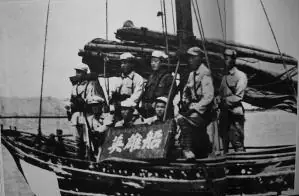
PLA Fishing Boats Liberate Hainan!

China: Revolutionary Campaign to Liberate Hainan Island [1950] – How did PLA Soldiers Overcome Difficulties with Clever Strategies? (14.7.2026)

The PLA soldiers either died fighting, were wounded and captured, or died of lack of resources, etc. Just six-months later – the CPC was reading to try again with an army of over 100,000 men. This time the plan worked, and Hainan was liberated (men were told to move off the beaches quickly into the hinterland and not gather as a target for the advanced US weapons the Nationalists possessed). The PLA suffered over 4,500 casualties (killed and wounded) whilst the Nationalists lost 33,000 (killed and wounded). The PLA possessed NO combat boats. Instead, every fishing boat was commandeered – even those with holes (which were quickly repaired). The idea was to move massive numbers across the sea before the US warplanes could destroy them with aerial bombing. The liberation of Hainan was a remarkable feat of arms hardly noticed in the West. It led to virtually all the islands controlled by the Nationalists being recovered – except for Taiwan and one or two irrelevant coastal places in Fujian and Zhejiang. A few months later the Chinese Peoples Volunteers would be in direct action against the US troops in Korea – inflicting tremendous defeats!

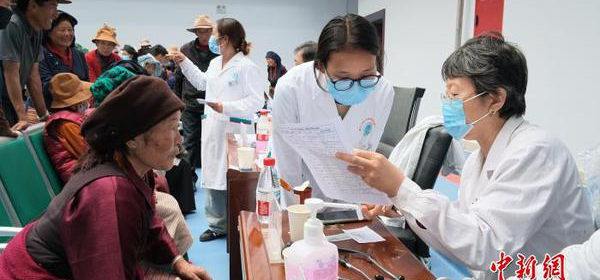
Medical workers provide free care for local residents in Lhasa, Xizang Autonomous Region and those who live along the Qinghai-Xizang Railway. (Photo: China News Service)

China: Nearly 1,000 Doctors Arrive in Xizang to Deliver Free Medical Care for Local Residents! (14.7.2026)

Specialists in more than 20 fields, including cardiology, neurology, orthopaedics, and gynecology, opened temporary clinics for local residents and railway workers.

During the programme, doctors provided consultations, health screenings, medicines, and follow-up care, while some performed operations alongside local medical teams and demonstrated clinical techniques.

The initiative also focused on strengthening local healthcare so that it would continue after the visiting team’s departure on July 12. Participants trained medical workers, shared treatment expertise, and established contacts for continued professional support.