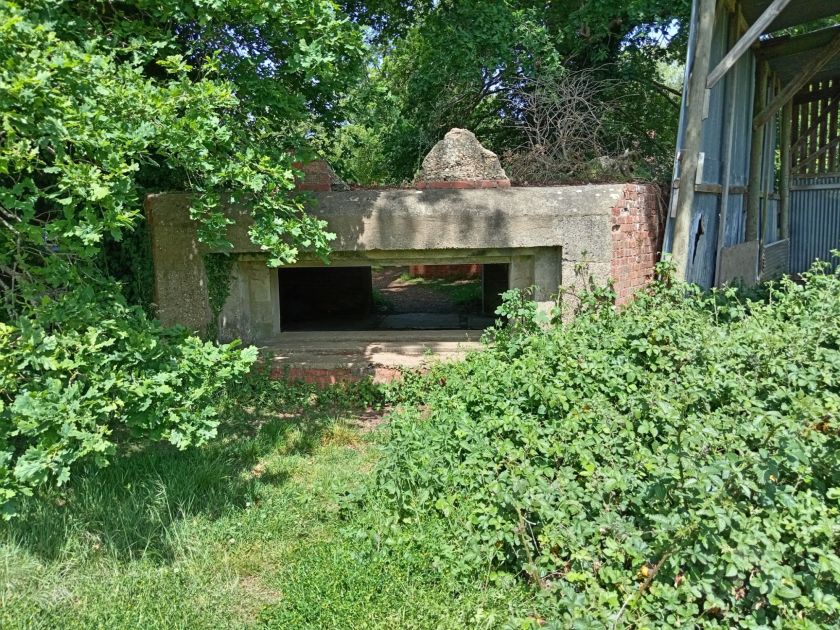
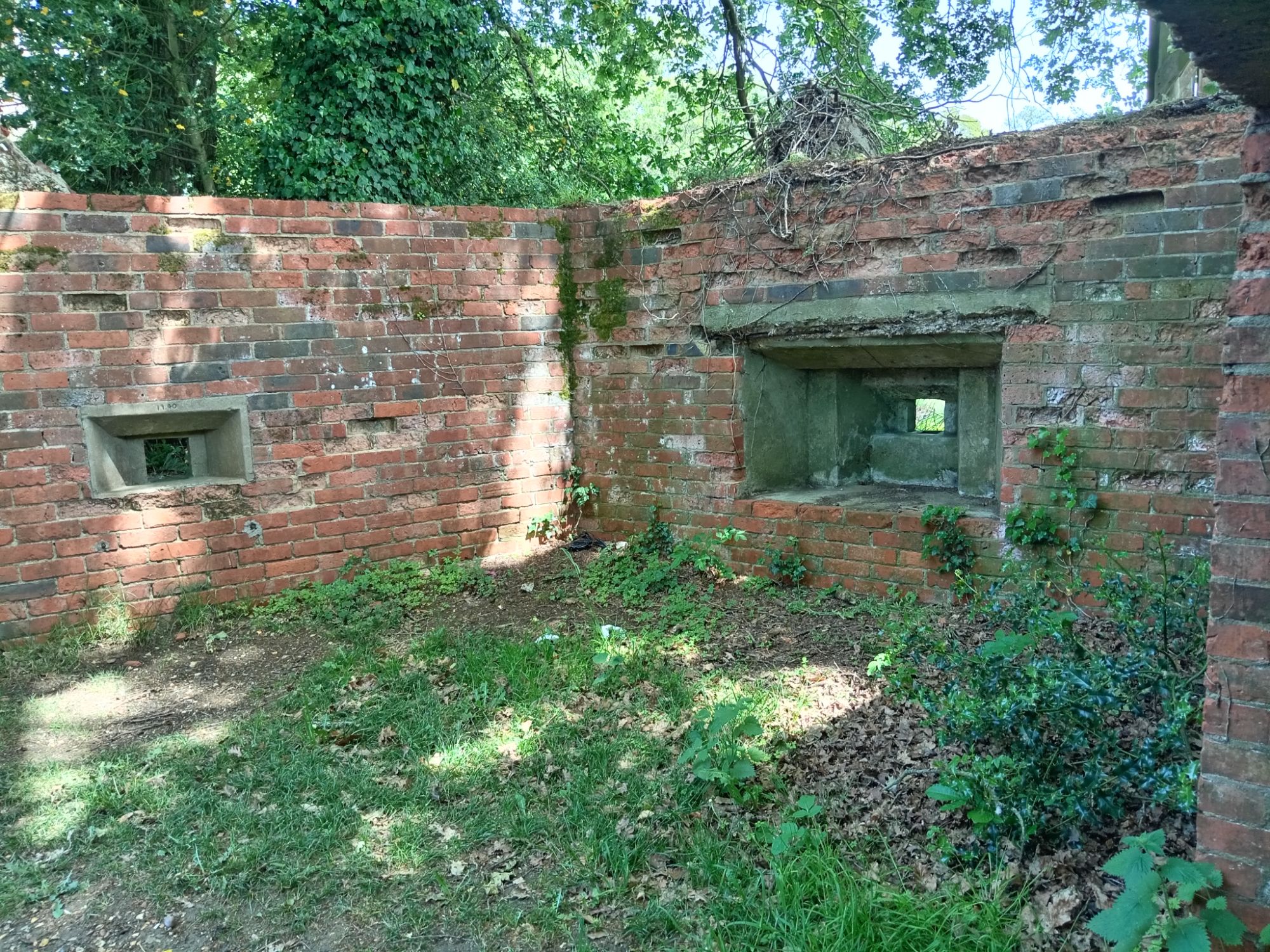
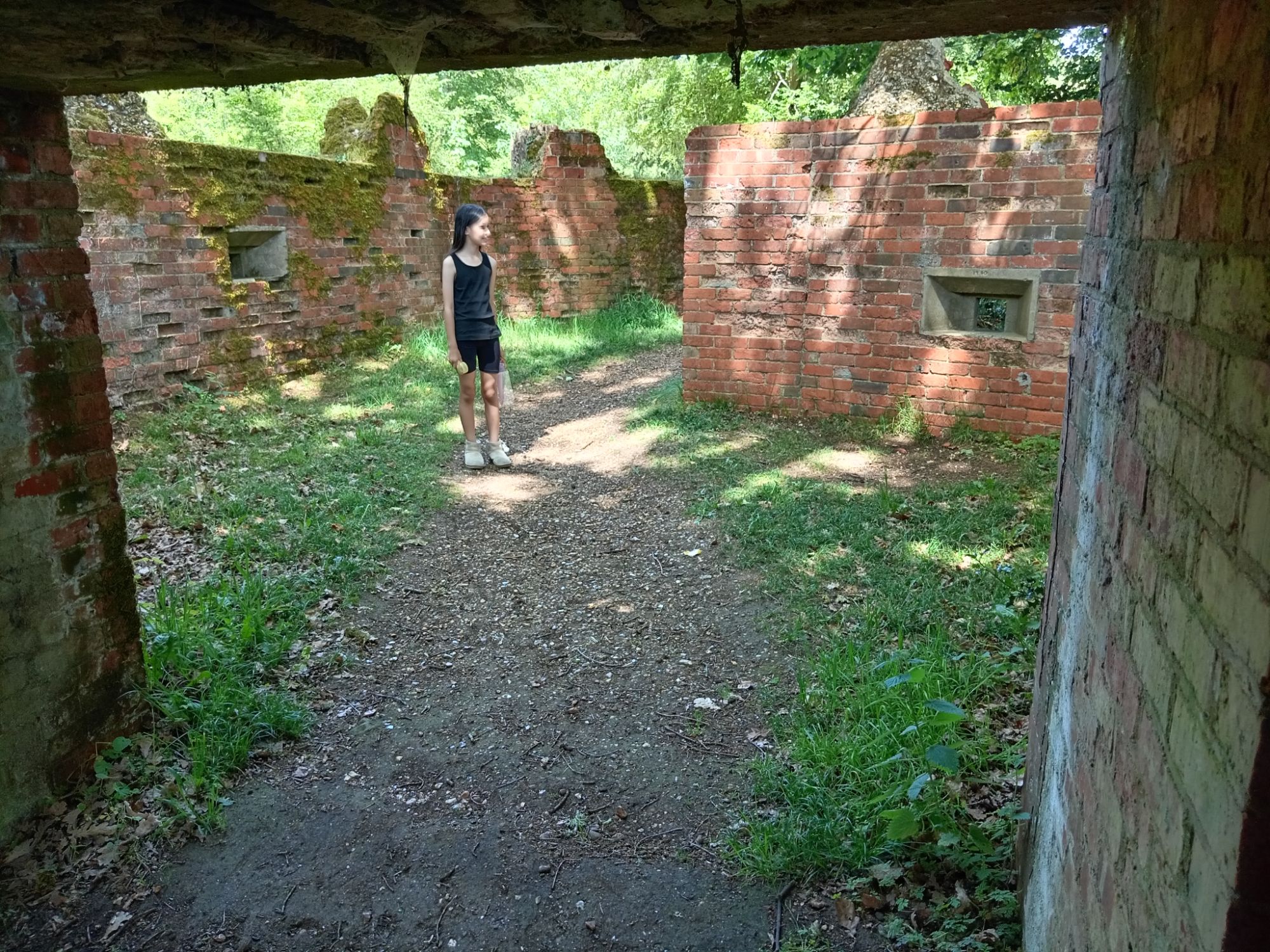
Somme years ago, I visited this monument and penned an article that was published on a Home Guard historical website. Indeed, this slowly disappearing structure is not looked-after at all or even considered an important military artefact. However, as I visit over the years, the cameras I possess have been slowly improving – as is my ability to record and chronicle. I think I have captured import stills and footage today. If the Nazi Germans had invaded the UK after 1939 – Hitler’s armies would have landed across the South and East coastal areas and fought their way toward London and beyond. As the British Army was spread thinly across the world – an Oxford Communist – Tom Wintringham (1898-1949) – (a Veteran of the Spanish Civil War fighting for the International Brigades) – put forward a plan of mobilising ordinary men and women (young and old) to defend the places that they lived-in. He termed this Socialist rsponse to an invasion as being the “Local Defence Force Volunteers” (LDFV). Churchill, detestng anything “Socialist”, had the ring-leaders arrested and propagated the lie that “he” had invented this body – which he renamed the “Home Guard”.
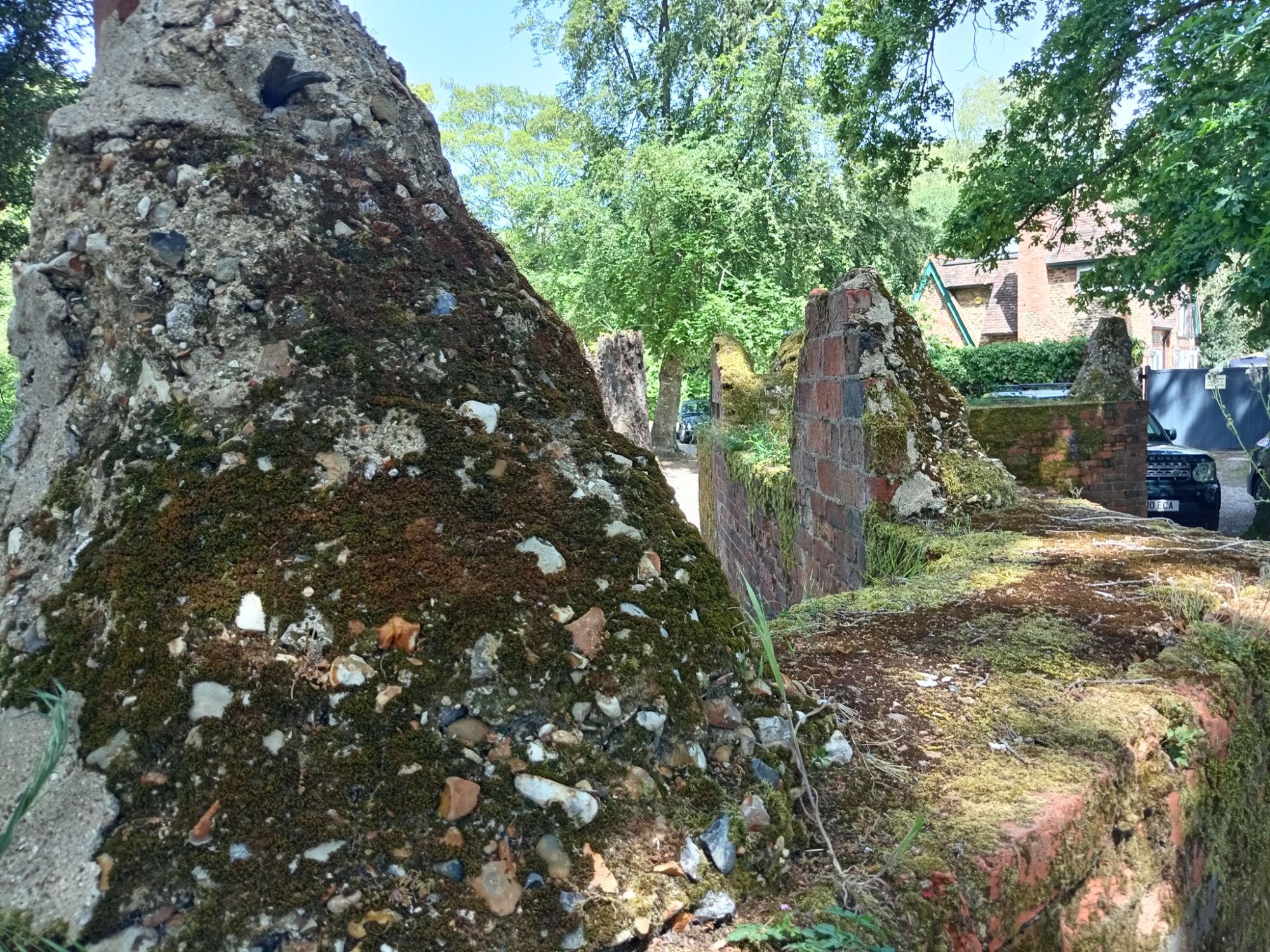
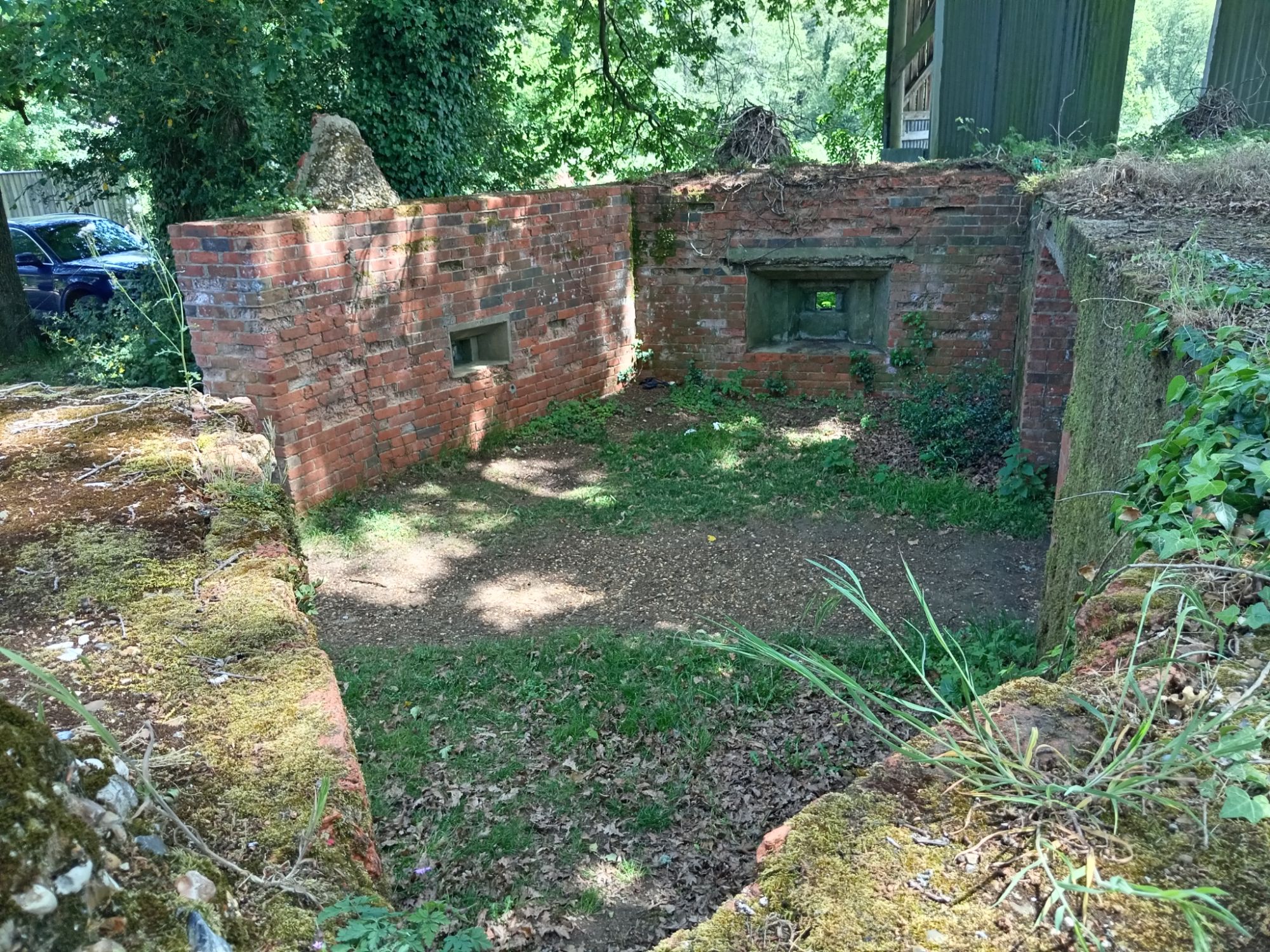
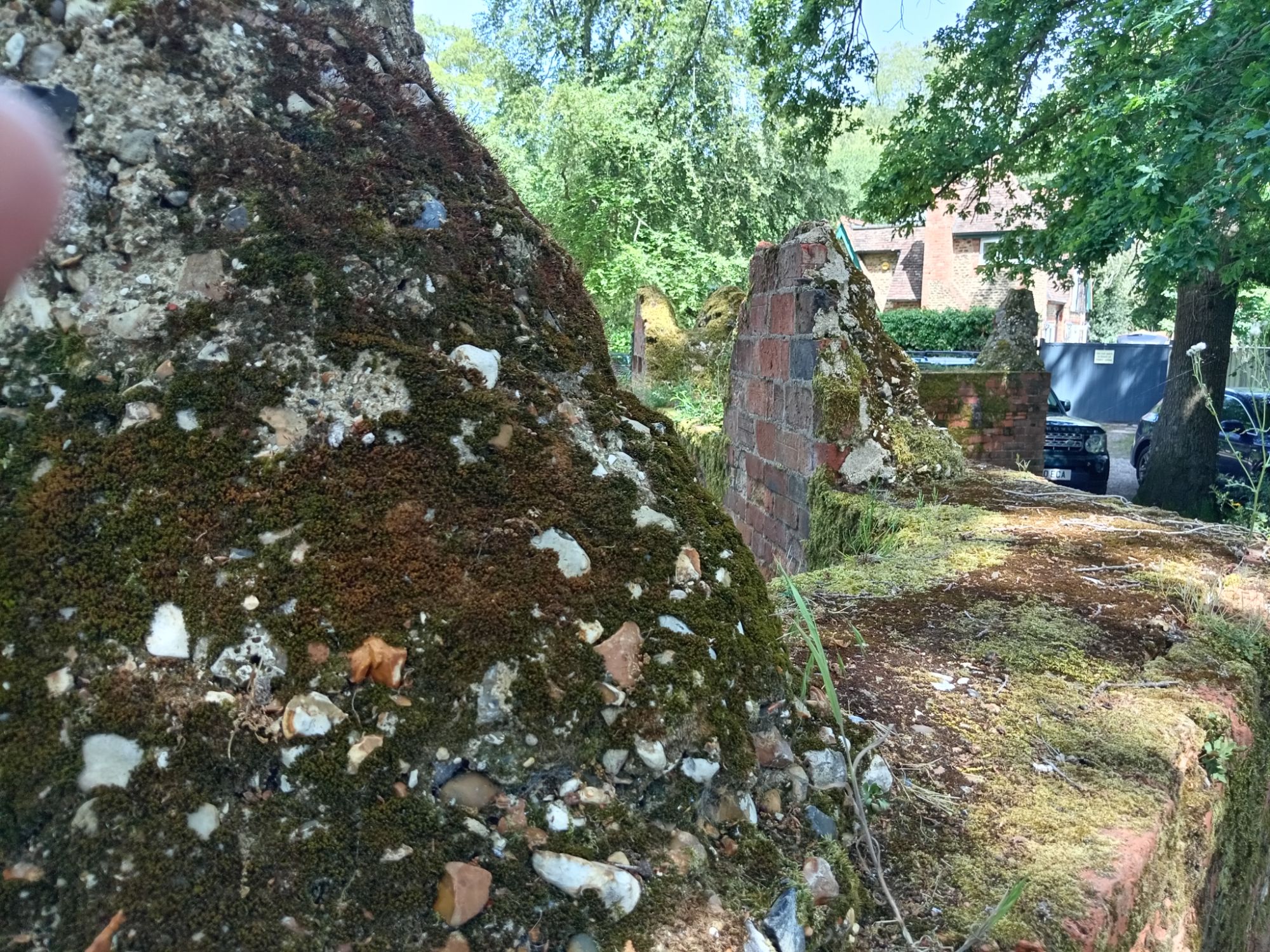
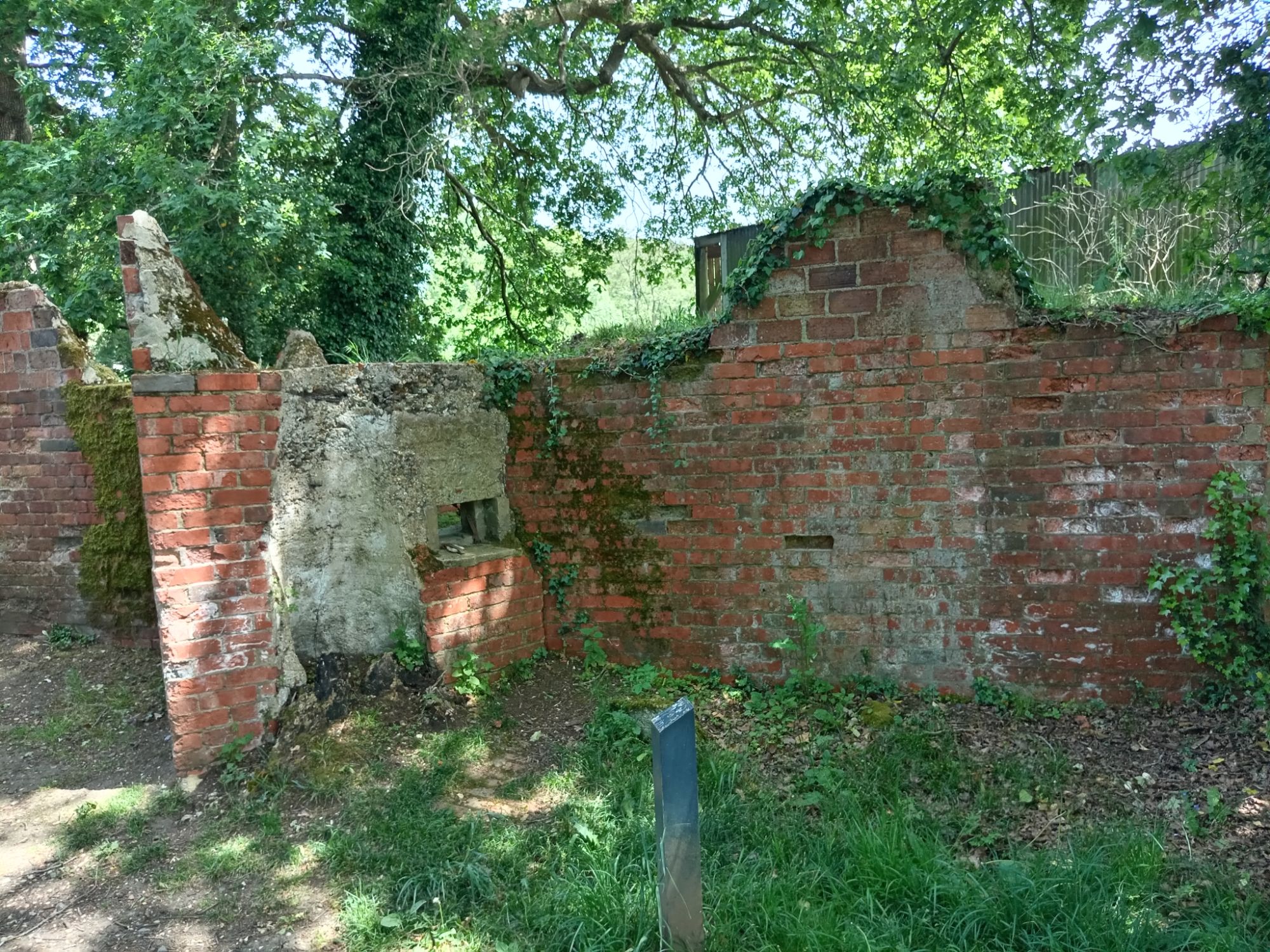
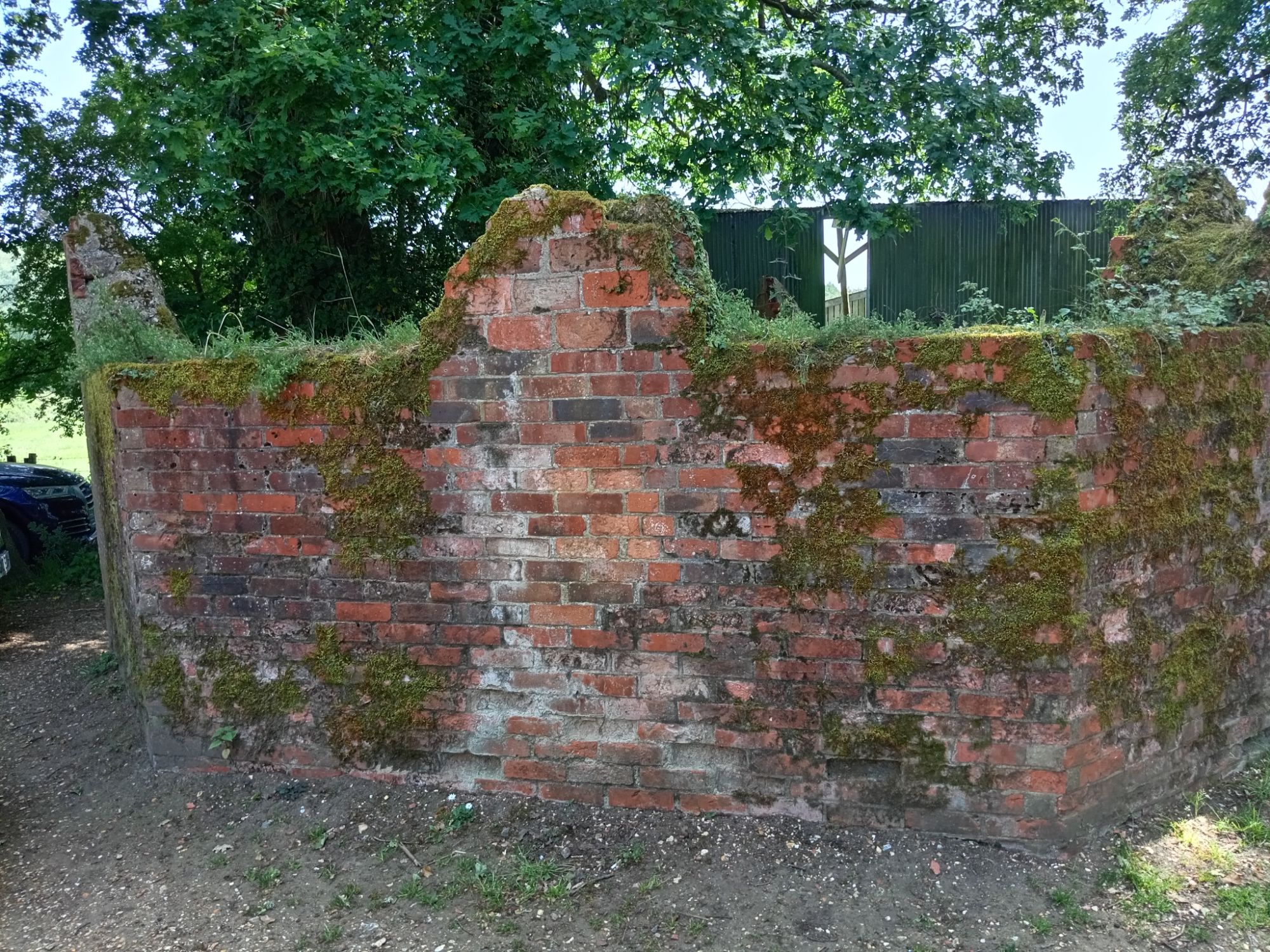
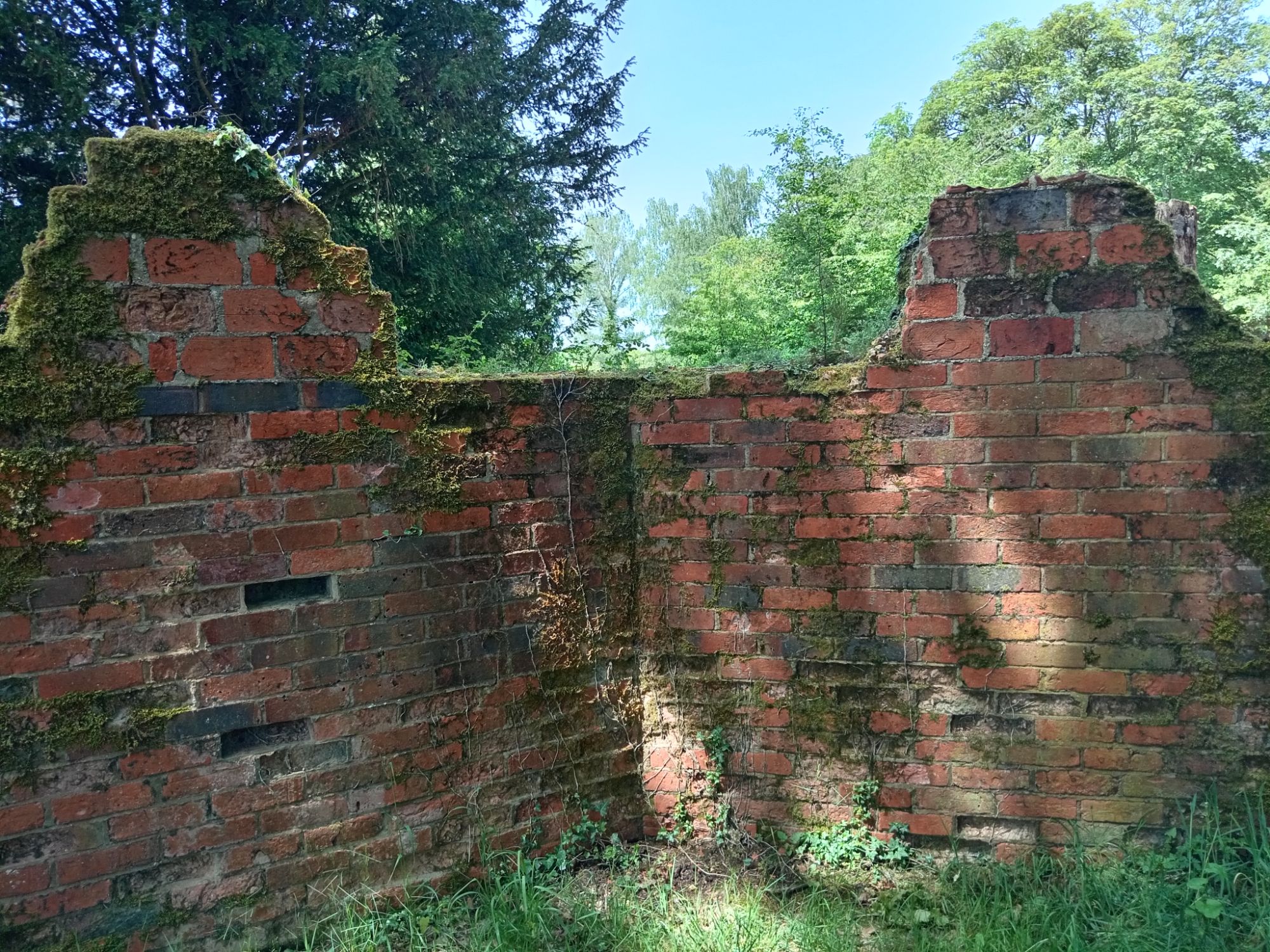
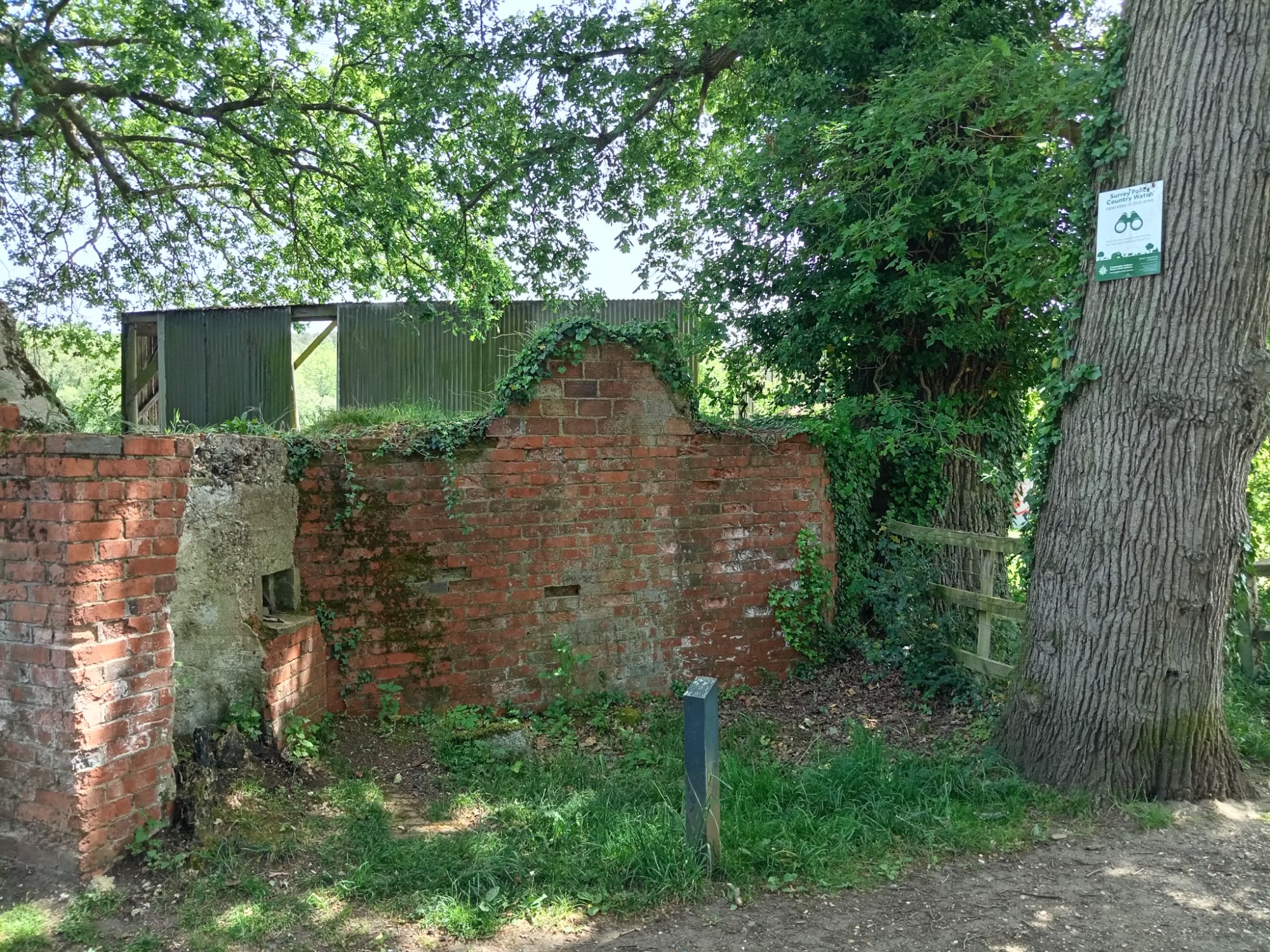
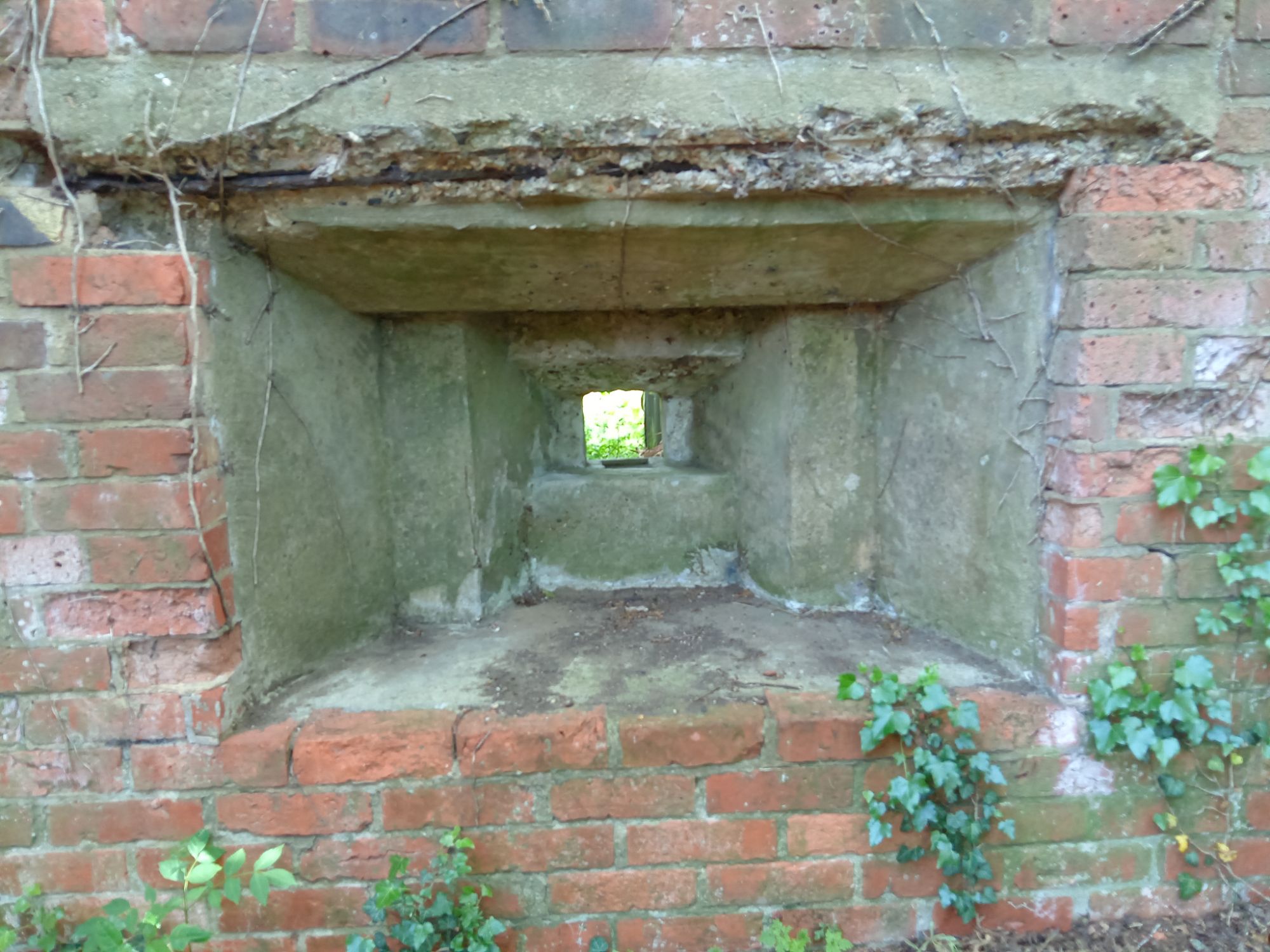
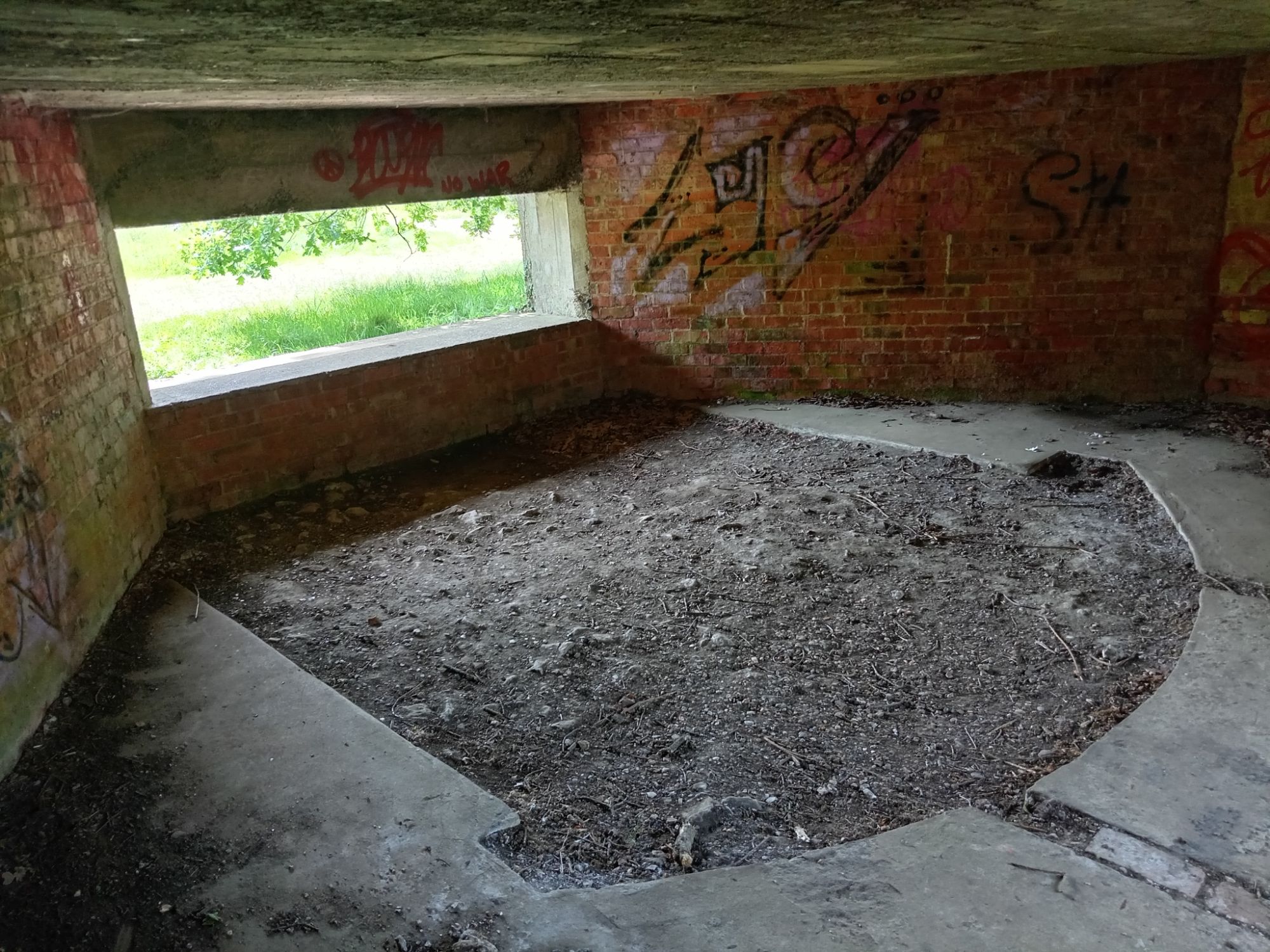
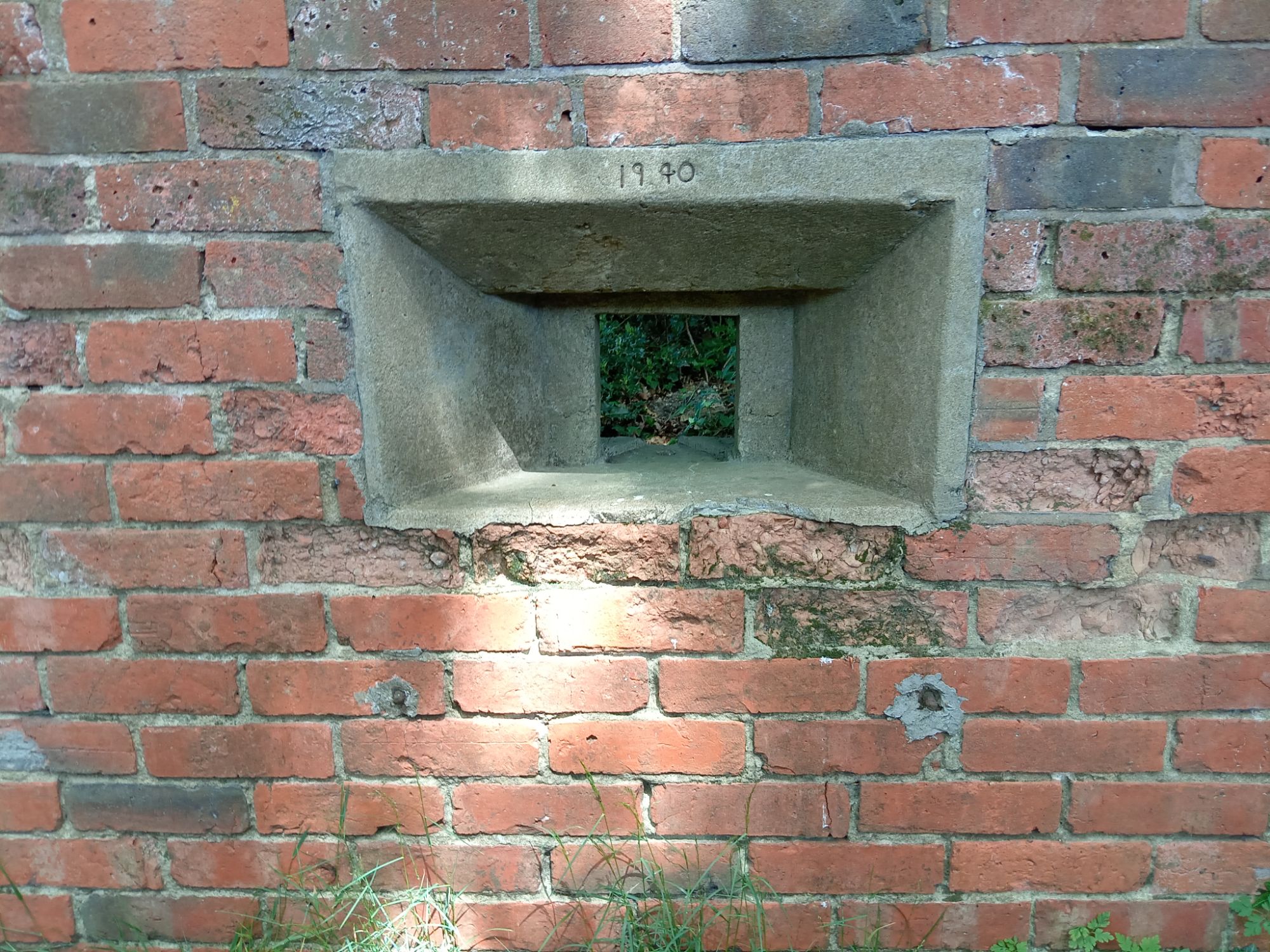
Perhaps a platoon (30-men), or a “section” (10-men) would have manned this small fort. There was a small artillary gun at the front together with a machine-gun – whilst others defended the walls via “murder-holes” in the centre of the walls or high-up from the Parapet (Merlons) and Battlement. A team would man the front gun(s) – whilst the other soldiers would be positioned on the outside and inside of the “zig-zag” structure. The enemy would have to advance past Embrasures blasting with vicious fire-power. When entering the interior (over the dead bodies of the exterior guard) the enemy would be met with sharply changing brick structures all defended round blind-corners. The interior guard would fall back to the rear of the front-gun to make a final stand. The heavy guns would be destroyed to prevent capture. These young and old men (and some women) formed static infantry formations designed to stand their ground and buy time for the regular army to reach the location.

