Translator’s Note: The US employs an all-embracing anti-Socialist trope (disseminated through through media, entertainment and academia) which asserts that all Socialist science and technology, despite its obvious superiority to its capitalist opponent, is DEFICIENT, backward, regressive, and even dangerous. A Canadian documentary entitled “May Day: Air Disaster – The Worst Mid-Air Collison in the History of Aviation” [S7-E4 Site Unseen 11.11.2009] – features the 1996 collision between a Saudi Air and Air Kazakh Airliner [I have seen two figures for casualties given in the literature, namely “349” and “351” – both with equal confidence. This may be due to a small number of local Indian people dying on the ground). This is an exercise in anti-Soviet propaganda from start to finish. This programme is obviously scripted by US ideologues, and it was a relatively simple task to expose this attempt at lying (as it lies within the remit of one of my academic functions, namely that of correcting and exposing fake US-derived narratives regarding Socialist history).
Kazakhstan, of course, was a loyal Soviet Republic (one of 15 that comprised the USSR – and perhaps one of five Republics which might be described as “Asian” and “Buddhist”) that retained good relations with a post-1991 Russia. This contrived plot states that India (an ally of the US and Israel), and Saudi Arabia (an ally of the US and Israel) are INNOCENT of all guilt – whilst the Kazakh Pilots are entirely guilty – due to their association with Socialism, Russia, and a general policy that does not support the US (or Israel). The Soviet-era aeroplane the Kazakhs were flying was well-maintained and an excellent example of Socialist technology – but was falsely portrayed as a “death-trap” waiting to happen (Russian Investigators proved this to be false). The racist behaviour of the Indian Media and Government suggests the Kazakh Pilots could not speak English (a completely untrue allegation). Furthermore, the illiterate Indian (tribal) people around the crash sites – fought one another in attempts to rob the bodies (and the wreckage) of all valuables (as confirmed by Indian Police Reports). A product of the grinding poverty that a “capitalist” system has inflicted upon the Indian people (90% of the ordinary Indian people are illiterate).
The Indian Air Traffic Controller – V.K. Datta – was at least partly responsible for this accident (together with the Saudi Pilots) – but the US demanded he be absolved of all responsibility (it is never explained why a US Military aeroplane was flying over Delhi at the same time of the crash). Of course, the biased documentary above omits all mention of the behaviour of the local Indian people, the Indian Authorities, or the Indian Press. This demonstrates the type of India US-style capitalism is creating. I smelt a rat when I watched this nonsense, and after accessing a number of Kazakh language articles (blocked on Google) my suspicions were proven correct. Below, I translate a Kazakh article explaining the crash from the Kazakh (and Russian) perspective, a perspective “bammed” in the West” Shame on India! ACW (1.11.2024)
On November 12th, 1996, a Saudi Airways Boeing 747 and a Air Kazakhstan Il-76 TD collided in the skies over Delhi. As a result of the collision – and the ensuing powerful explosion – 349 people were killed.
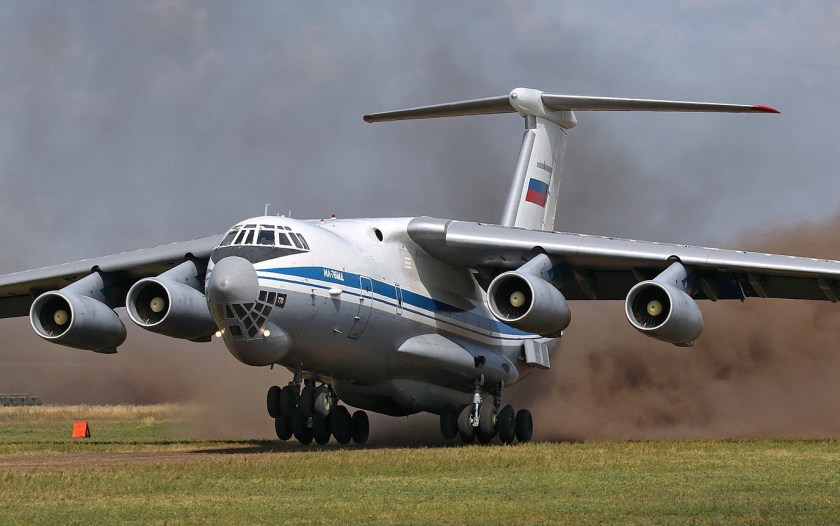
On November 12th, 1996, at 4:21 p.m. Almaty time, an Il-76 TD Transport Aircraft belonging to the national airline Air Kazakhstan took off from Kazakhstan’s Shymkent Airport. It was chartered by the Kyrgyz firm Spacecraft and operated under Charter Flight KZA-1907 – to Delhi.
On board the aircraft were 10 crew members, 26 adult passengers and 1 child (not mentioned in the above documentary). The flight was serviced by an experienced crew:
Commander Cherepanov [Черепанов]
Second-Pilot Dzhangirov [Джангиров]
Navigator Aripbayev [Арипбаев]
Radio Operator Repp [Репп]
Radio Operator Petrik [Петрик]
Two hours after taking off from Shymkent, the crew of the Il-76 TD began to descend, landing from the west. Technically speaking, the crew and passengers had only 15 minutes to spend in the air. Below the wings of the former Soviet aeroplane stretched the endless cotton fields of the Indian State of Haryana – the lights of the hamlets and villages flickered. This is an impoverished (illiterate) tribal area with no real roads or modern infrastructure.
“Good evening!” – the voice of V.K. Datta, the Dispatcher (Air Traffic Controller) on duty at the Delhi Indira Gandhi International Airport, was heard in the Pilots’ headphones. The Commander of the Il-76 TD – Alexander Cherepanov – informed him about the descent of the aircraft from 23,000 to 18,000 feet (from 6900 to 5400 m). Datta, an experienced “Specialist” who had recently been promoted – gave the command to descend to 15,000 feet (4,500 m).
Everything went as expected, nothing foreshadowed a tragedy. At least, that’s what the Dispatcher of the Indian Airport (and the crew of a Kazakh aeroplane) chartered by a Kyrgyz company – believed.
At 18.47 p.m. local time, a Saudi Airways Boeing-747 took off from Delhi Airport – operating as Flight SV-763 – on the route Delhi-Jeddah (Saudi Arabia). There were 312 passengers and crew members on board. The overwhelming majority of those who flew were impoverished Indian labourers sent abroad for seasonal work in the oil fields. On board the Boeing were also foreigners – citizens of Saudi Arabia, the United States, Great Britain, Pakistan, Nepal and Bangladesh.
The Commander of the aircraft – A.L. Shbali – lifted the machine to 10,000 feet (3,000 m) and received permission to continue climbing to 14,000 (4,200 m). At the request of the crew to climb higher, the Dispatcher of the Delhi airport refused, demanding to continue the flight at the same altitude. However, confirmation of the command from the Saudi pilots to the “tower” was never heard – or confirmed. There is a suggestion the Saudi aeroplane did continue to climb and it was this error that caused the accident.
One can only guess why the Saudi Boeing pilots were silent. From the recording of negotiations between ground and crews, it is known that the Commander of the Il-76 received a warning about a Saudi Airliner flying on a collision course. At that time, the distance between the “aeroplanes” was only 20 km. The Kazakh aeroplane occupied an altitude of 15,000 feet (4,500 m), the Saudi Airliner, according to the Dispatcher, was 14,000 feet (4,200 m), meaning theoretically, the two aeroplanes were flying safely on two different and unrelated trajectories. In practice, everything turned out destructively differently.
The outdated main radar system of Delhi Airport made it impossible to determine either the altitude of the aircraft, speed, or orientation. Indian Air Traffic Controllers could not even control the compliance of the crews with their commands relating to the radar screen. Confirmation was given by the pilots only, but this time they could not – or did not – have time to confirm the command of the Dispatcher.
The Ground asked Cherepanov (of the Il-76 ) if he was watching for the Saudi Boeing? However, even if he noticed the Saudi airliner, he did not report it. According to the official report, the Il-76 descended to 14,000 feet – so that both “aeroplanes” were flying toward one another at the same altitude. Was this correct?
Datta saw on the radar screen how the marks representing the two aeroplanes “met”. This can happen when one airliner flies over the other without incident. In a split second, the aeroplanes on the screen should have flown by one another snd reappeared as two separate dots. To Datta’s horror, this did not happen. The radar dots representing the Boeing and Il-76 disappeared from the screen altogether. The Dispatcher, his voice trembling with concern, asked for both aeroplanes to respond – there was only a frightening silence.
In the villages near the town of Charkhi-Dadri, located in the very centre of Haryana, another working day had ended. Many reported hearing the engines of the Boeing-747 airliner flying over these places exactly at 18.45 p.m. – which 15 minutes earlier had taken off from the Delhi Airport heading for Saudi Arabia. At 6:41 p.m. local time, villagers in the Charkhi Dadri District, 75 km Southwest of Delhi, saw a fireball and flaming debris pouring out of it.
According to experts, the Boeing crashed into the Il-76 from below, striking the middle of the fuselage. In any case, the pilot cabin of the Kazakh “Transporter” was damaged only when hitting the ground. The aeroplanes flew at a speed of 500 km/h, their collision was 700 times stronger than the impact of cars crashing into each other. The vast majority of people died instantly.
The tragedy was also witnessed by the crew of a US Air Force Transport Aircraft, flying from Islamabad to Delhi on a course parallel to the doomed Il-76. Pilots recorded the flash at an altitude of 14,000-15,000 feet. The Americans contacted the Delhi Air Traffic Controllers, and the “Tower” realized that a terrible tragedy had occurred.
There was a sudden collision of two aircraft, and an explosion. This accident claimed the lives of 349 human lives – the third deadliest accident in the history of Civil Aviation.
Immediately after the collision, the Boeing caught fire, as the full fuel tanks exploded. Engulfed in flames, the airliner began fall out of control to the ground. More than 500 tons of twisted metal collapsed fell to the ground, covering several Indian villages. The wreckage of the aeroplanes – and the remains of passengers – were scattered over an area of 10 km. Parts of the Saudi Airliner burned on the ground for more than four hours.
Villagers began to run to a huge fire around the crash crater – with a diameter of 100 m. By the the time Police arrived, about 20,000 tribal people had already gathered at the crash site of the Boeing. Many profited at the expense of the dead. Jackets and wristwatches were stolen from dead bodies – often lying in pieces. These Indian people stole money from wallets and handbags, as well as other valuables contained in the luggage. Even socks and underwear (?) were stolen off of some of the dead corpses – together with shoes (sometimes still containing severed feet). Later, when the behaviour of the local Indian population became known, village Elders attempted to blame the Police – whilst the Police firmly blamed the local population.
Due to the lack of roads, Emergency Services, Doctors and Firefighters only managed to reach the crash site a few hours after the accident. On the night of Tuesday leading to Wednesday and all the next day, the search for bodies, most of which were terribly mutilated, continued. Human remains were loaded into wheeled-carts and then attached to farming-tractors before being taken to makeshift morgues – and then removed to nearby hospitals. A third of the dead could not be identified – and had to be mass-cremated.
At the crash site of the Il-76, which had hit the ground around 8 km away from the Boeing, there was a slightly different, but equally terrible picture. The aeroplane broke into three parts, but did not explode and did not burn. The bodies of those who were in the middle of the fuselage at the time of the disaster suffered the most. The impact on the ground scattered the remains of the Pilots and passengers far and wide. The search for these bodies was directed all night by – Ayjigit Buranov – the Kyrgyz Plenipotentiary (Diplomat) stationed in Delhi who promptly arrived at the scene of the tragedy. Largely thanks to his efforts, the remains of all the dead were found. Due to the behaviour of the local Indian people (who kept attempting to steal from the dead bodies), Kyrgyz Guards were posted around the scene of the accident.
Subsequently, Buranov said that the aeroplane was chartered by reputable businessmen from Kyrgyzstan, who were going to send more than 30 tons of goods purchased in India to Bishkek on board the Il-76. According to some assumptions, the passengers on the destroyed aeroplane were carrying more than a million dollars, but only a fraction of this money was recovered at from crash site.
Collisions of large passenger aircraft in the air are a rare phenomenon in aviation. It is to prevent such situations that there is an expensive infrastructure that ensures flight safety (On-Board Navigation Equipment, Ground Navigation Systems, as well as Ground Control Services, commonn at many airports in developed countries). In fact, this is what the Flight Separation System was created for.
According to one narrative, the Ground Services of the Indira Gandhi Airport failed to correct the actions of the Pilots of the aeroplanes that were moving towards each other. Air traffic over Delhi became very intense in the 1990s. The only airport in the capital could barely cope with Flight Services. The work of Ground Control Services was also complicated by the fact that an Indian Air Force Air Base operated on the same airfield. Just four hours before the disaster, an Indian Military Transport AN-32 almost collided with a Piston Twin-Engine Avro. At the last moment, the Pilots managed to report a dangerous approach of two aircraft, and they miraculously avoided a collision. Later, the Boeing and Il-76 failed to do this.
Immediately after the disaster, the (racist) Indian Press began to claim that the Kazakh Pilots (described as looking like “Chinese”) could not have understood the warnings of the Delhi Airport Air Traffic Controllers about the approaching Boeing. They say that the crew of the Il-76, “not having a good enough knowledge of English, misunderstood the commands from the ground, made a mistake when converting feet into metres.” The technical data of the Il-76 was also questioned, and (anti-Soviet) narratves began about the “high accident rate” of aircraft of this type.
Russian Specialists and Representatives of the Civil Aviation Authorities of Kazakhstan who arrived in Delhi – immediately denied these allegations. The destroyed Il-76 was in operation for only four years, on the eve of departure from Shymkent to Delhi, it, as expected, underwent a thorough safety check. Crew Commander Alexander Cherepanov flew more than 10,000 hours and was rightly considered one of the most experienced Pilots of the Chimkent Air Squadron. Prior to that, he had repeatedly made flights to Delhi and other capitals of the region, and shortly before the last flight, he successfully passed the proficiency test for English.
“Collisions in the air are extremely rare,” the IAC Representatives rightly noted, “and even the close approach of airliners is already considered an emergency.” And at the very beginning of the investigation, most experts were inclined to believe that the Dispatchers were in error and to blame: “As a rule, this is how it happens in such cases.”
Kazakh Language Text:
12.11.1996. Крупнейшая авиакатастрофа в истории по числу жертв столкновений в воздухе. | Пикабу
12.11.1996. Крупнейшая авиакатастрофа в истории по числу жертв столкновений в воздухе.
12 ноября 1996 года в небе над Дели столкнулись «Боинг-747» компании «Сауди Эрвэйз» и Ил-76 компании «Эйр Казахстан». В результате столкновения и последовавшего мощного взрыва погибли 349 человек.
12 ноября 1996 года, в 16.21 по алма-атинскому времени, из казахстанского аэропорта «Чимкент» поднялся в небо транспортный самолет Ил-76 ТД, принадлежащий национальной авиакомпании «Эйр Казахстан». Он был зафрахтован киргизской фирмой «Космокрафт» и выполнял чартерный рейс KZA-1907 в Дели.
На борту самолета находились 10 членов экипажа, 26 взрослых пассажиров и 1 ребенок. Обслуживался рейс опытным экипажем: командир Черепанов, второй пилот Джангиров, штурман Арипбаев, радисты Репп и Петрик.
Спустя два часа после вылета из Чимкента экипаж Ил-76 ТД приступил к снижению, заходя на посадку с запада. Экипажу и пассажирам оставалось провести в воздухе всего 15 минут. Под крылом самолета простирались хлопковые поля индийского штата Харьян, мерцали огоньки деревень и городов.
«Добрый вечер!» – послышался в наушниках летчиков голос В.К. Датты, дежурного диспетчера делийского международного аэропорта имени Индиры Ганди. Командир «Ила» Александр Черепанов сообщил ему о снижении самолета с 23 до 18 тысяч футов (с 6900 до 5400 м). Датта, опытный специалист, недавно получивший повышение по службе, дал команду снижаться до 15000 футов (4500 м).
Все шло как обычно, ничто не предвещало трагедии. По крайней мере, так считали диспетчер индийского аэропорта и экипаж казахстанского самолета, зафрахтованного киргизской компанией.
В 18.47 по местному времени из аэропорта Дели взлетел «Боинг-747» саудовской национальной авиакомпании «Saudi Arways», выполнявший рейс SV-763 по маршруту Дели – Джидда (Саудовская Аравия). На борту находились 312 пассажиров и членов экипажа. Подавляющее большинство летевших – индийцы, направлявшиеся на сезонные работы, на нефтепромыслы. На борту «Боинга» находились также иностранцы – граждане Саудовской Аравии, США, Великобритании, Пакистана, Непала и Бангладеш.
Командир самолета А.Л. Шбали по команде с земли поднял машину до 10000 футов (3000 м) и получил разрешение продолжить набор высоты до 14000 (4200 м). На просьбу экипажа подняться выше диспетчер делийского аэропорта ответил отказом, потребовав продолжать полет на прежней высоте. Однако подтверждения команды от саудовских пилотов на «вышке» так и не услышали.
Остается только догадываться, почему промолчали летчики «Боинга». Но из записи переговоров наземных служб с экипажами известно, что командир Ил-76 получил предупреждение о летевшем встречным курсом саудовском лайнере. В это время расстояние между «бортами» составляло всего 20 км. Казахстанский самолет занимал эшелон 15000 футов (4500 м), саудовский лайнер, по мнению диспетчера, – 14000 футов (4200 м), то есть теоретически они не могли встретиться. На практике все получилось иначе.
Устаревшая главная радарная система аэропорта Дели не позволяла определить ни занимаемый самолетом эшелон, ни скорость, ни принадлежность. Индийские диспетчеры не могли даже по экрану локатора проконтролировать выполнение экипажами своих команд. Подтверждение давали пилоты, но на этот раз они не смогли или не успели подтвердить команду диспетчеров.
Земля запросила Черепанова, наблюдает ли он «Боинг». Однако даже если тот и заметил огни саудовского лайнера, сообщить об этом ему уже не пришлось. По непонятной причине Ил-76 к этому времени снизился до 14000 футов и оба «борта» шли на одной высоте.
Датта увидел на экране локатора, как «встретились» отметки двух самолетов. Такое бывает, когда один авиалайнер проходит над другим. Через долю секунды самолеты на экране должны вновь иметь каждый свой след. Но, к ужасу Датты, этого не произошло. Засветки «Боинга» и Ил-76 вообще пропали с экрана. Диспетчер дрожащим от волнения голосом запросил оба самолета: в ответ – пугающее молчание.
В деревнях неподалеку от городка Чаркхи-Дадри, расположенному в самом центре Харьяны, к тому времени завершился очередной трудовой день. Многие собирались привычно сверить часы по звуку моторов пролетающего над этими местами точно в 18.45 авиалайнера «Боинг-747», который 15 минутами раньше вылетел из делийского аэропорта курсом на Саудовскую Аравию. В 18.41 по местному времени жители деревень в районе Чаркхи-Дадри, в 75 км к юго-западу от Дели, увидели огненный шар и сыпавшиеся из него пылающие обломки.
По мнению экспертов, «Боинг» врезался в Ил-76 снизу, в середину фюзеляжа. Во всяком случае, пилотская кабина казахстанского «транспортника» получила повреждения лишь от удара о землю. Самолеты летели со скоростью 500 км/ч, их столкновение было в 700 раз сильнее удара врезавшихся друг в друга автомобилей. Абсолютное большинство людей погибли мгновенно.
Свидетелем трагедии стал и экипаж транспортного самолета ВВС США, летевшего из Исламабада в Дели параллельным с погибшим Ил-76 курсом. Пилоты зафиксировали вспышку на высоте 14-15 тысяч футов. Американцы связались с делийскими диспетчерами, и на «вышке» поняли, что произошла страшная трагедия.
Внезапное столкновение двух воздушных судов, взрыв – и бесстрастная статистика зафиксировала еще одну авиакатастрофу, которая унесла 349 человеческих жизней, третью по количеству погибших в истории гражданской авиации.
Сразу после столкновения «Боинг» загорелся, стали взрываться заправленные под завязку топливные баки. Объятый пламенем лайнер начал интенсивно разрушаться еще в воздухе. Более 500 т искореженного металла рухнули на землю, едва не накрыв несколько индийских деревень. Обломки самолетов и останки пассажиров оказались разбросанными на площади 10 км. Части саудовского лайнера горели на земле более четырех часов.
На огромный костер вокруг воронки диаметром в 100 м стали сбегаться деревенские жители. К приезду полицейских на месте падения «Боинга» собралось уже около 20 тысяч крестьян. Кое-кто успел изрядно поживиться за счет погибших. С тел снимали пиджаки, наручные часы; крали деньги и прочие ценности. С некоторых трупов стащили даже носки, а про обувь и говорить нечего. Позже местные крестьяне обвиняли в мародерстве полицейских, а те сваливали все на жителей окрестных деревень.
Из-за отсутствия дорог аварийно-спасательным службам, медикам и пожарным удалось добраться к месту катастрофы только через несколько часов. Ночь со вторника на среду и весь следующий день продолжались поиски тел, большинство которых были страшно искалечены. Человеческие останки грузили в прицепленные к тракторам тележки и увозили в морг ближайшей больницы. Треть погибших так и не смогли опознать, пришлось кремировать всех вместе.
На месте падения Ил-76, рухнувшего на землю в 8 км от «Боинга», была несколько иная, но такая же жуткая картина. Самолет развалился на три части, но не взорвался и почти не горел. Сильнее всего пострадали тела тех, кто в момент катастрофы находился в середине фюзеляжа. Удар о землю далеко разметал останки летчиков и пассажиров, которых почти всю ночь пришлось разыскивать оперативно прибывшему к месту трагедии киргизскому полпреду в Дели Айджигиту Буранову. Во многом благодаря его стараниям были найдены останки всех погибших и рядом с ними выставлена охрана.
Впоследствии Буранов сообщил, что самолет был зафрахтован солидными коммерсантами из Киргизии, собиравшимися отправить в Бишкек на борту Ил-76 более 30 т закупленных в Индии товаров. По некоторым предположениям, у пассажиров погибшего самолета находилось более миллиона долларов, однако на месте катастрофы удалось обнаружить лишь крохи от этих денег.
Столкновение крупных пассажирских самолетов в воздухе – явление в авиации редкое. Именно для предупреждения такого рода ситуаций и существует дорогостоящая инфраструктура, обеспечивающая безопасность полетов (бортовая навигационная аппаратура, наземные навигационные системы, а также службы наземного контроля, как зональные, так и в аэропортах). По сути, ради этого и создана система эшелонирования полетов.
По одной из основных версий, наземные службы аэропорта имени Индиры Ганди не сумели вовремя скорректировать действия пилотов двигавшихся навстречу друг другу самолетов. Воздушное движение над Дели в 90-х годах стало очень интенсивным. Единственный в столице аэропорт едва справлялся с обслуживанием полетов. Работу наземных диспетчерских служб затрудняло и то обстоятельство, что на том же летном поле действовала авиабаза индийских ВВС. Буквально за четыре часа до катастрофы там едва не столкнулись индийский военно-транспортный Ан-32 с поршневым двухмоторным «Авро». В последний момент пилоты успели сообщить об опасном сближении двух самолетов, и они каким-то чудом избежали столкновения. «Боингу» и Ил-76 сделать этого не удалось.
Сразу после катастрофы индийская печать принялась утверждать, что казахские пилоты могли и не понять предупреждения диспетчеров делийского аэропорта о приближающемся «Боинге». Мол, экипаж Ил-76, «не обладая достаточно хорошими знаниями английского языка, неверно понял команды с земли, допустил ошибку при переводе футов в метры». Под сомнение ставились и технические данные Ил-76, начались разговоры о «высокой аварийности» самолетов этого типа.
Прибывшие в Дели российские специалисты и представители гражданской авиации Казахстана немедленно опровергли эти утверждения. Погибший Ил-76 находился в эксплуатации всего четвертый год, накануне вылета из Чимкента в Дели он, как и положено, прошел тщательную проверку. Командир экипажа Александр Черепанов налетал более 10 тысяч часов и справедливо считался одним из опытнейших пилотов Чимкентского авиаотряда. До этого он неоднократно совершал полеты в Дели и другие столицы региона, а незадолго до последнего рейса успешно прошел проверку на знание английского.
«Столкновения в воздухе происходят крайне редко, – справедливо заметили представители МАК, – и даже сближение авиалайнеров на близкое расстояние уже считается чрезвычайным происшествием». И уже в самом начале расследования большинство экспертов склонялись к версии, что ошиблись диспетчеры: «Как правило, в подобных случаях так оно и бывает».
 SANGHA KOMMUNE (SSR)