
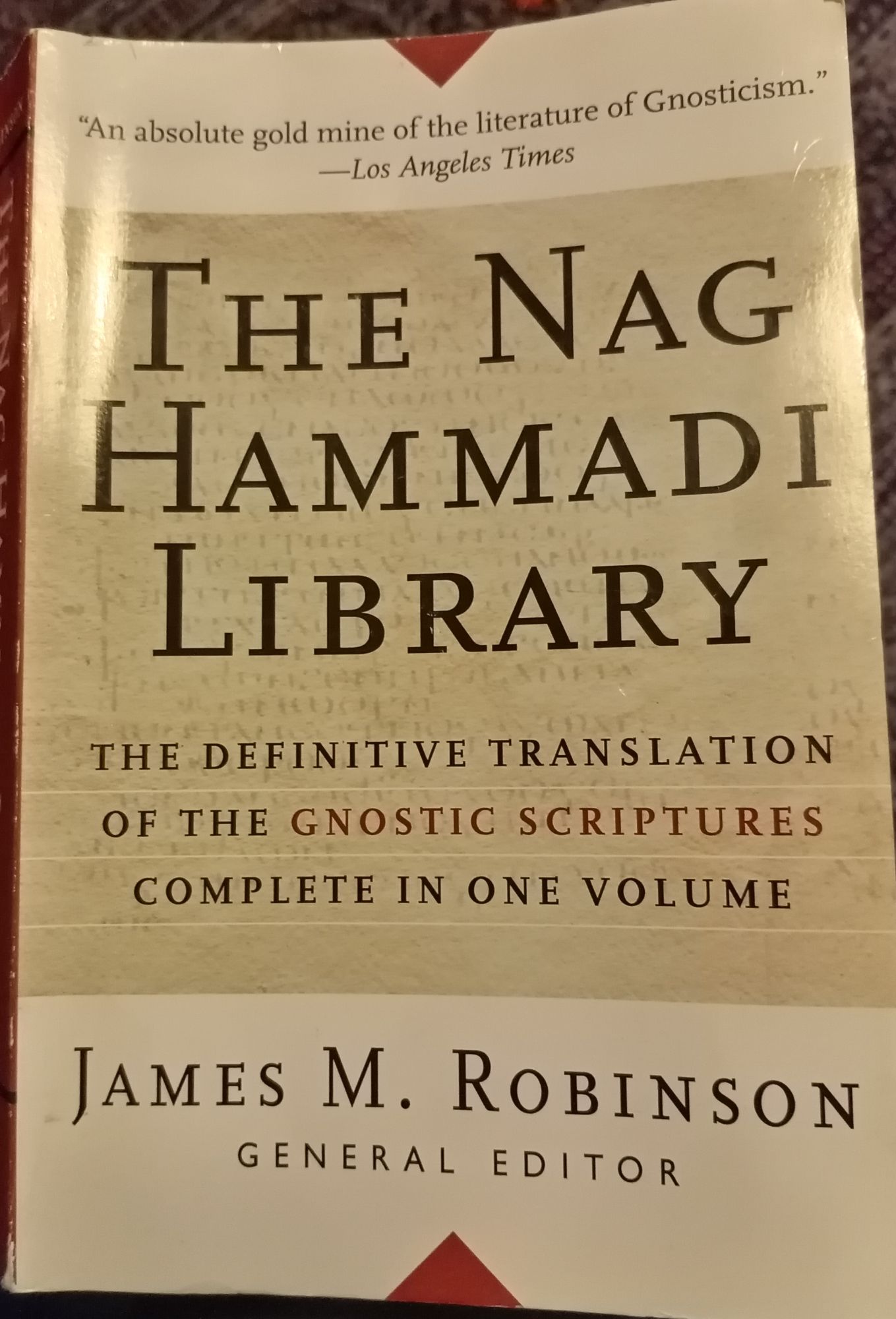
The men and women who placed their holy scriptures in a large ceramic jar during the 4th century CE – and buried these pages forever in the Egyptian Desert – truly loved their religious and spiritual practices recorded in these texts. As Rome consolidated and empowered one of the many contending schools of Christianity – the so-called “Gnostic” (“Meditative”) traditions were supressed, outlawed and persecuted! It is one of those ironies of life that the preferred “Catholic” Christian tradition that conformed to the political requirements of the Roman State – used the military and police to attack any Christian school that practiced a different method, held a distinctive interpretation, and which possessed holy texts describing the life of Jesus Christ (and his Disciples) that were excluded from the highly censored Catholic Bible. To avoid arbitrary punishments – these alternative schools of Christian understanding had to round-up their holy texts and voluntarily destroy this body of knowledge.
Early Christianity during its first four-hundred tears consisted of the following three manifestations – many inhabiting the remote deserts of Palestine, Egypt and Syria, etc, often premised upon the 40-days and 40-nights employed by Jesus Christ to expel the Devil from his mind, body and environment:
- Jewish-Christians (developed c. 1st-2nd century CE) – an exclusive group of “Messiah” worshippers – that still practiced circumcision but yet denied Gentile membership. For these “Reformist” Jews – the sacrificed man known as “Yeshua Ben Yoseph” (Joshua Son of Joseph) was considered the prophesised “Messiah” described within Jewish Scripture. This Sect was “excluded” (via the “Anathema”) from the Jewish religion around 100 CE – when Yahweh was declared the ONLY God the Jews could worship – and the Jewish Bible (“Tanakh”) – or “Old Testament” – was fixed by excluding many diverse texts (subsequently re-discovered in 1945 as part of the Dead Sea Scrolls discovered in the area of Qumran-Palestine).
- Gnostic Christian (developed c. 2nd-3rd) – a diverse set of desert meditators. These groups had no direct ties with mainstream Judaism – although might have associated with the “Essenes” – a sect of Jewish desert meditators that lived in remote areas and inhabited cells, often applying the non-Jewish practice of celibacy. The Essenes detached themselves from mainstream Judaism – and appeared very “Buddhist” in demeanour. Philo also mentions a group called “Therapeutae” (the “Healers”) which lived in the desert (later assumed to be “Christian” by later commentators). Marcion of Sinope compiled for first Christian Bible (or “New Testament”) around 144 CE which was comprised of one Gospel (similar to the received “Luke” – but entitled “The Gospel of Jesus Christ”) and ten Letters from St Paul. Later, a similar set of scriptures was compiled by the Syrian Christian “Tatian” (120-180 CE) – who produced the “Gospel of the Mixed” – a compendium of the four received Gospels edited to assume a heavy anti-woman perspective. The Gnostics, however, often formed Schools of men and women around a single Gospel that explained how a corrupt (material) world could be transcended through the act of disciplined (inner) contemplation and meditation. A Gnostic Church possessed no interest in the physical world and avoided all forms of political power and wealth accumulation.
- The Council of Nicaea (325 CE) confirmed that a conservative Sect of Christian practice and understanding was to become “Official” and “Universal” (Catholic) as part of the Roman State. Any opposition to this order was to be “removed” and “suppressed”. This development was confirmed by the Council of Rome (382 CE). The agencies of the Roman State removed any contending Christian Schools. The Bibles of Marcion and Tatian were outlawed – as was the practice of Gnostic meditation – although elements of this may have survived within Christian monastic activity. Whereas the earliest Letters of St Paul (c. 50 CE) state that Jesus taught equality between the sexes and living through communality – the “Catholic” Church fabricated certain Letters supposedly written by Paul which contradicted his earlier writings. The Roman State wanted a Patriarchal and Hierarchical Church which reflected its own misogynistic structures – a reality which diverted away from the teachings of Jesus Christ.
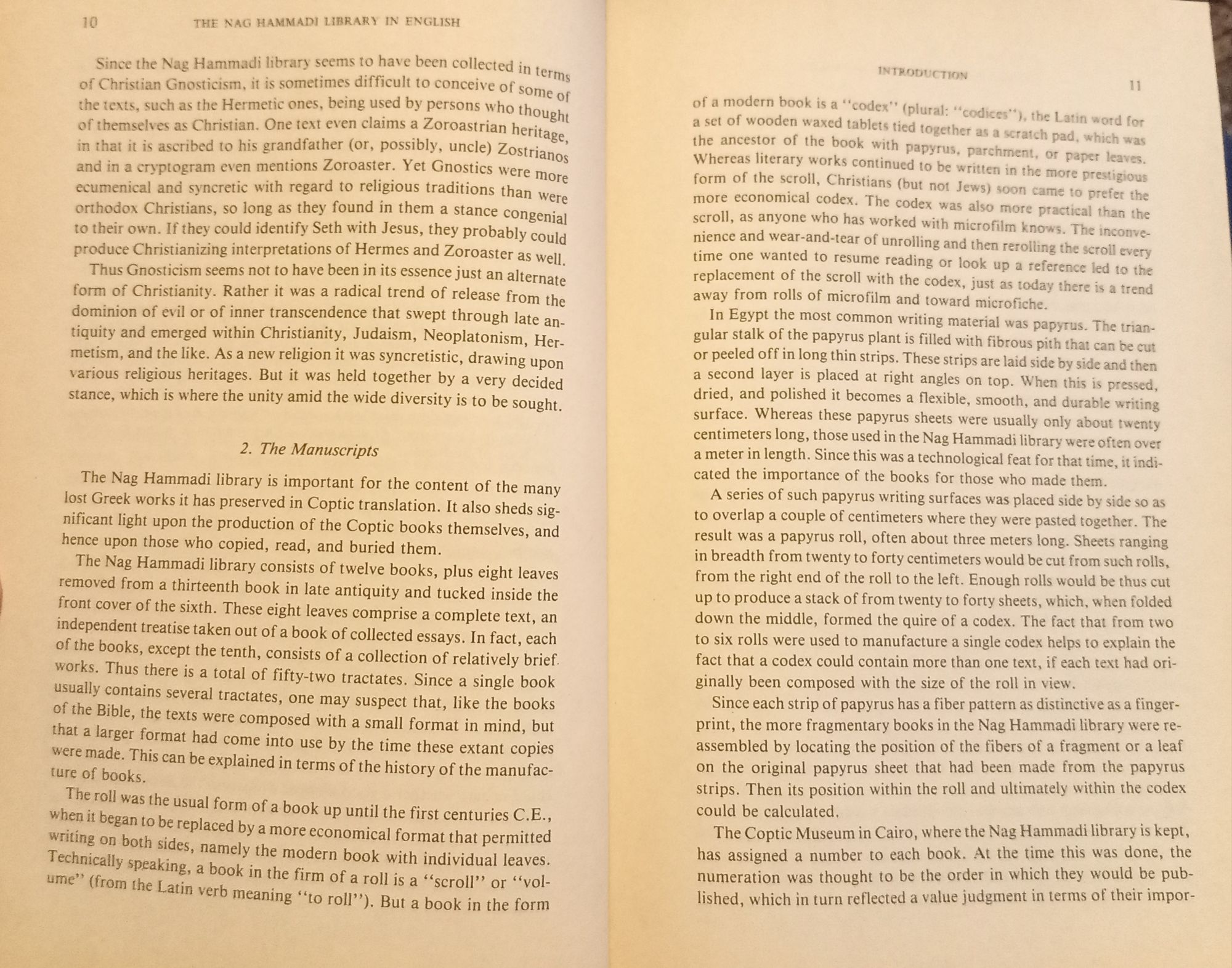
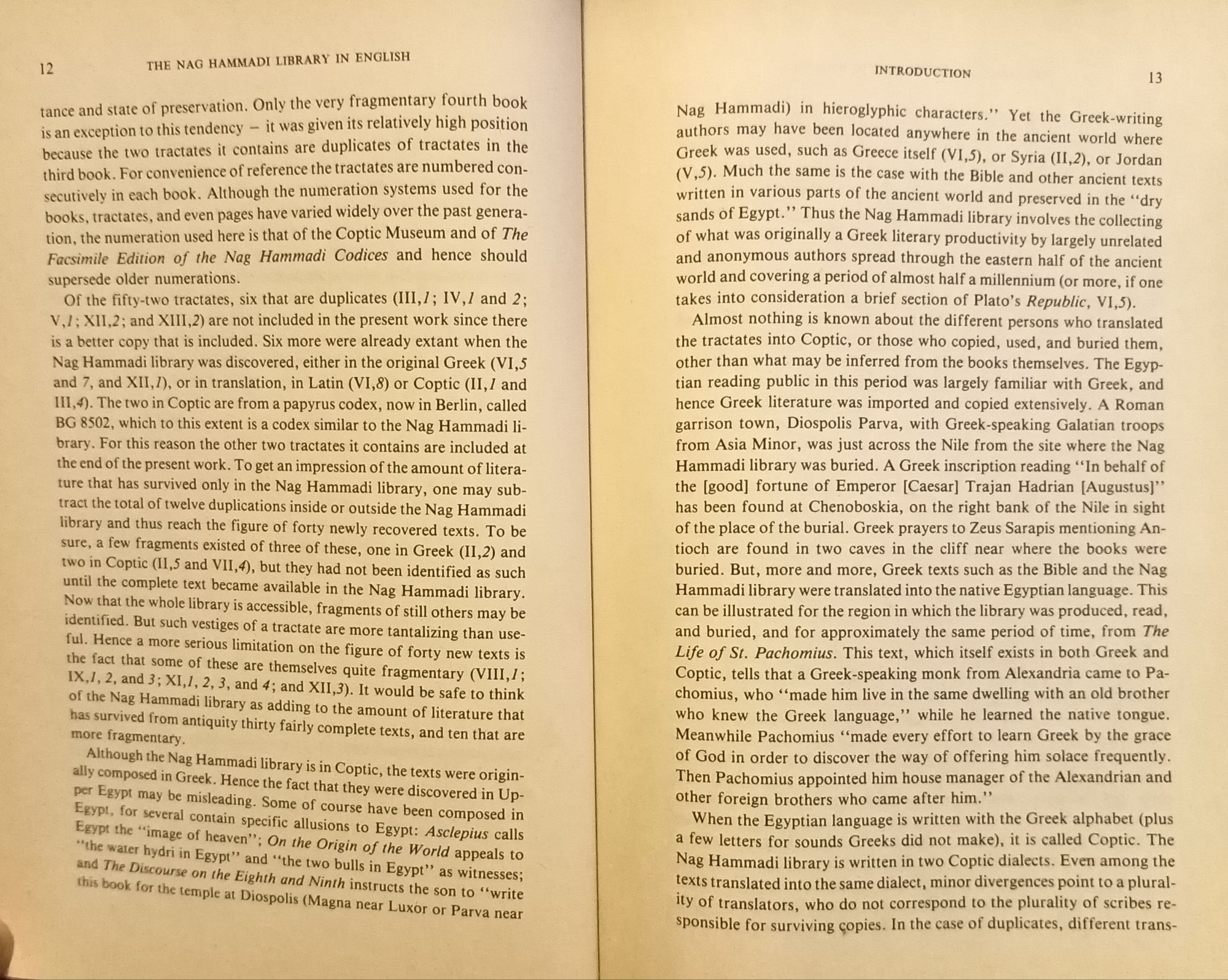
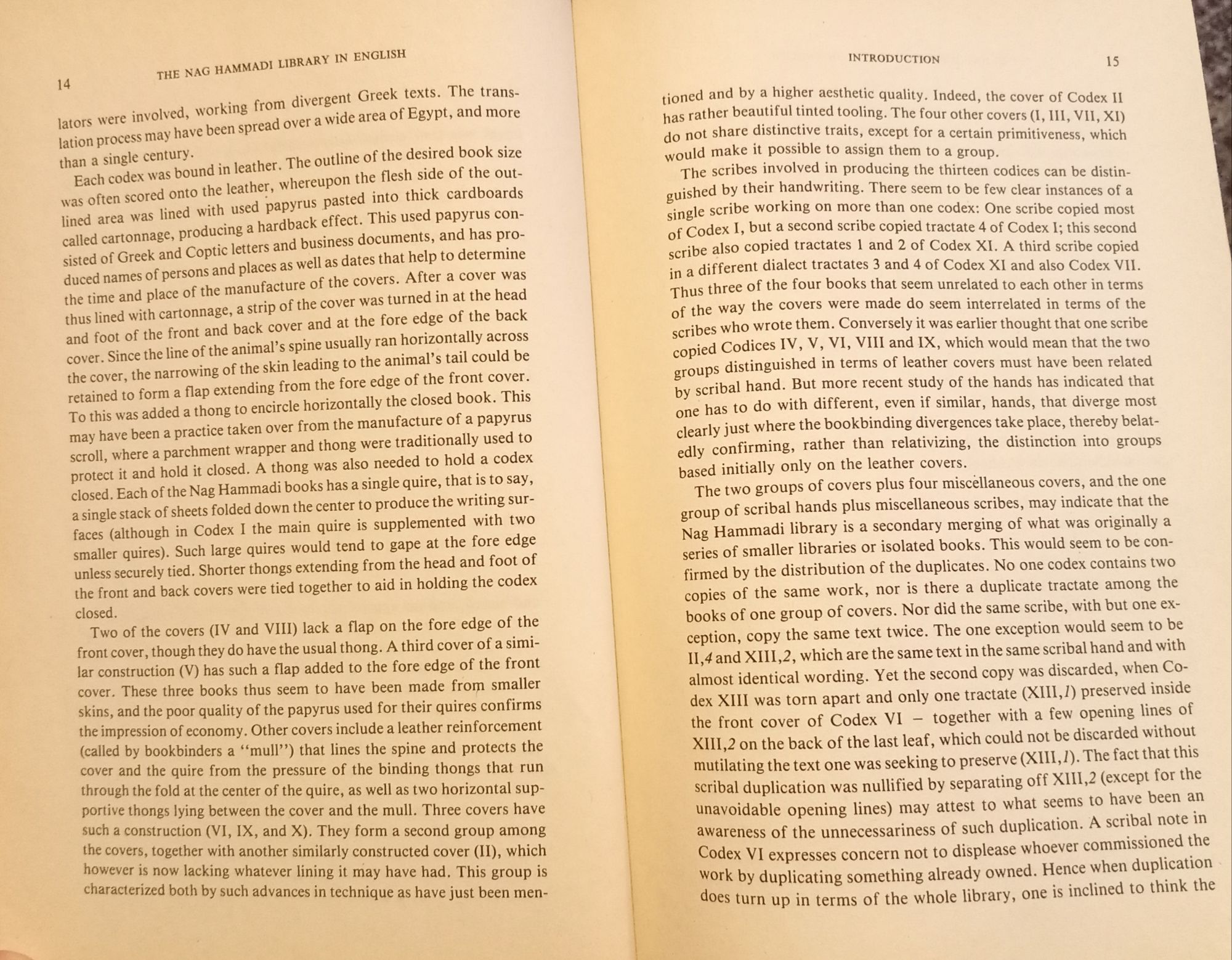
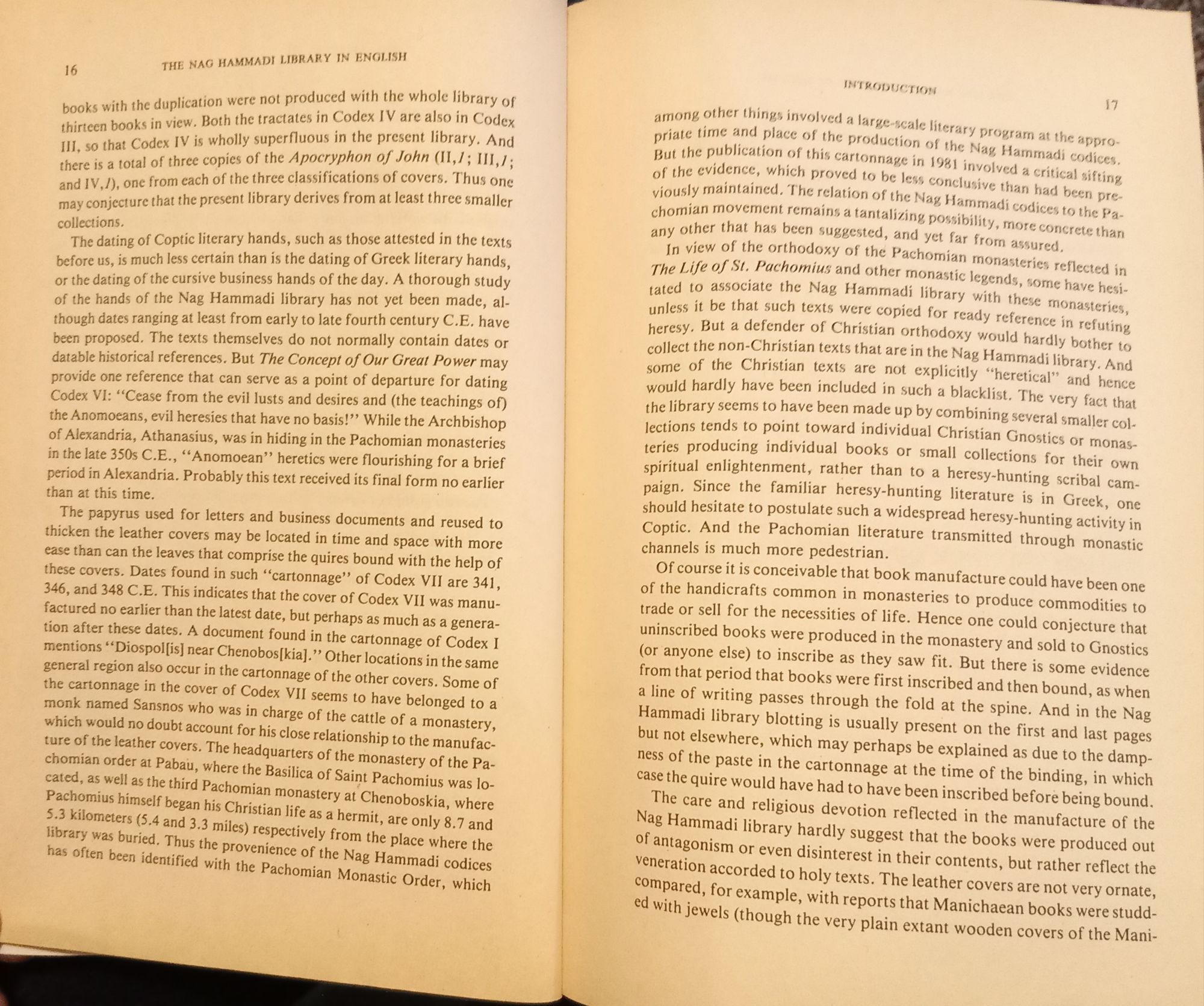
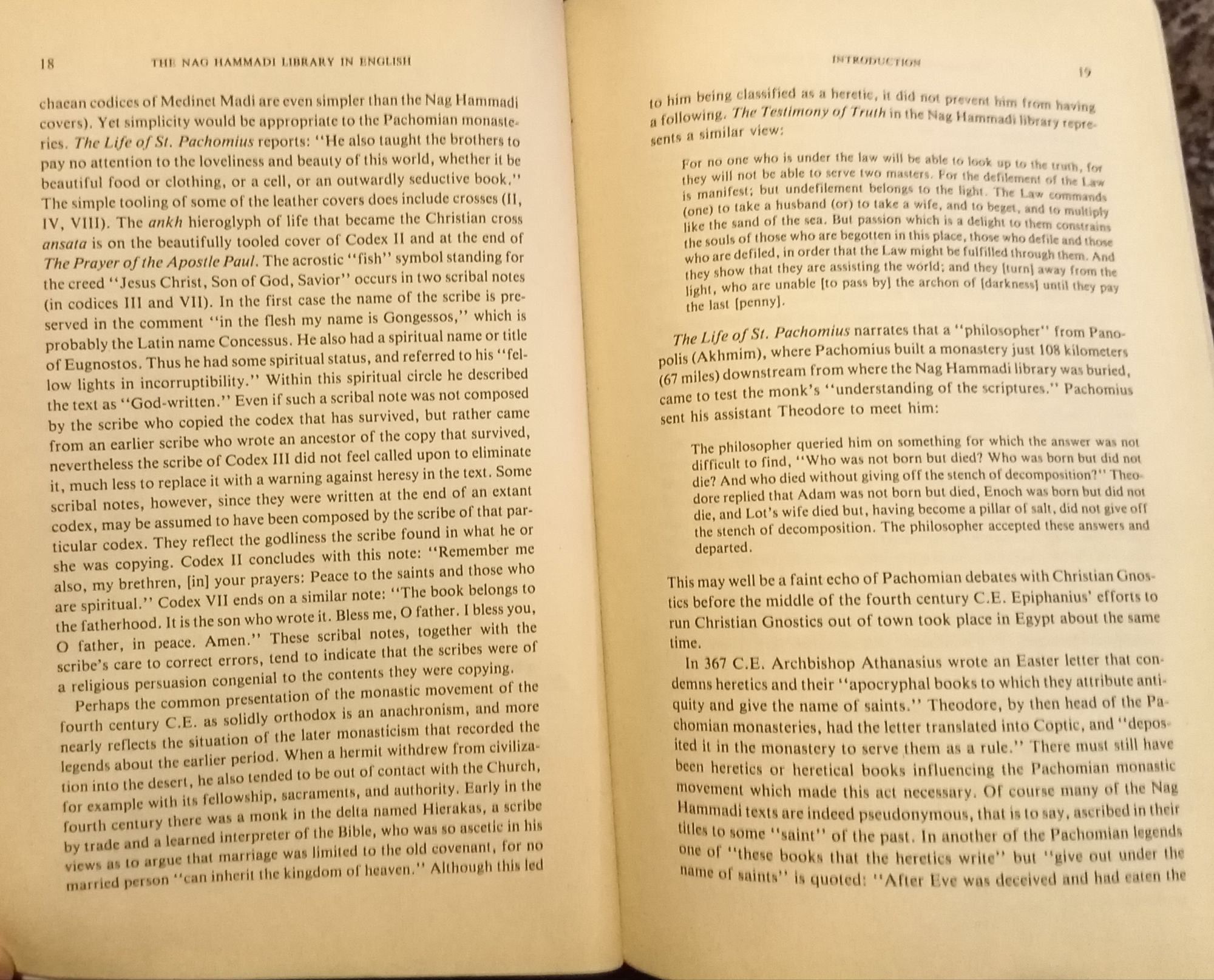
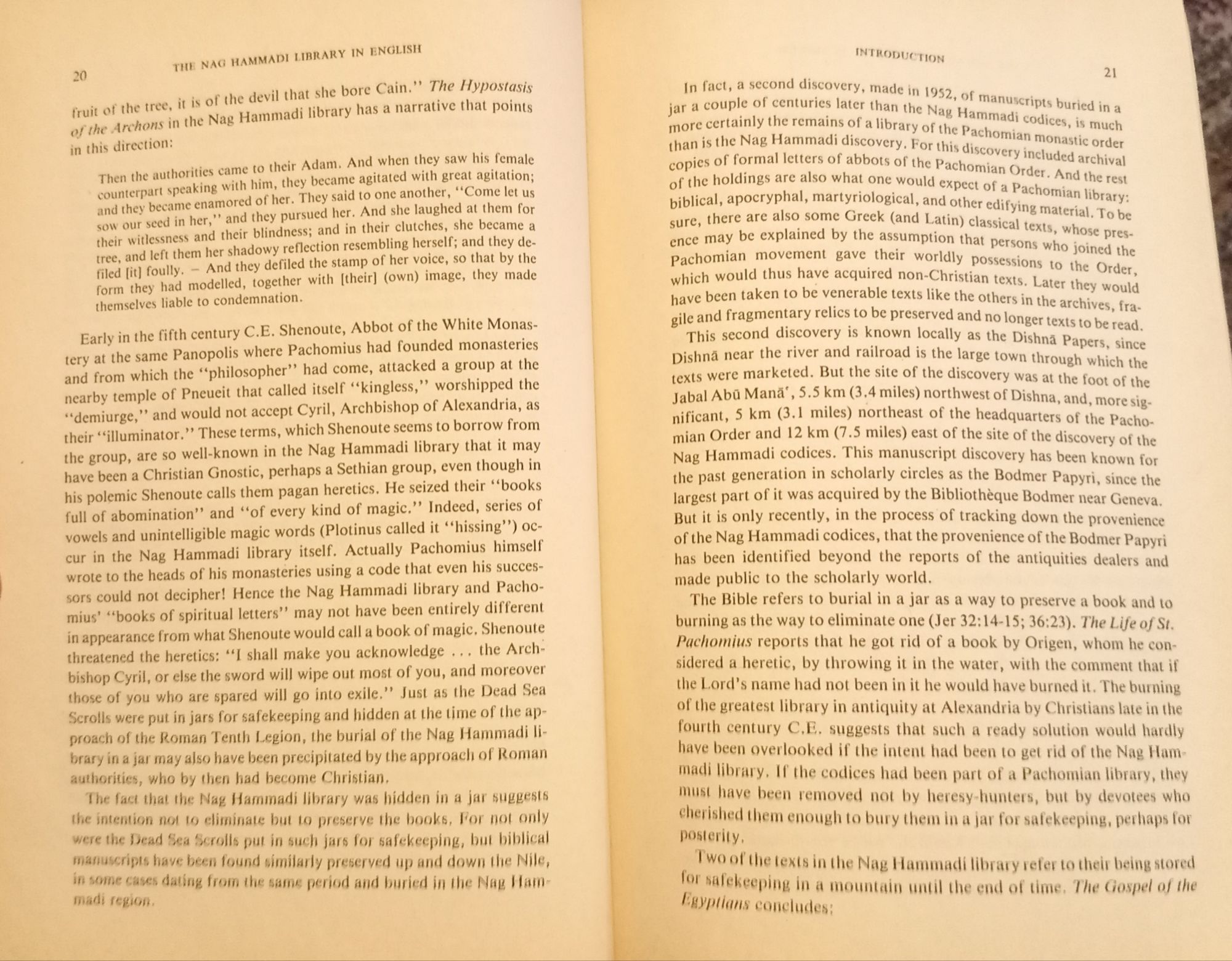
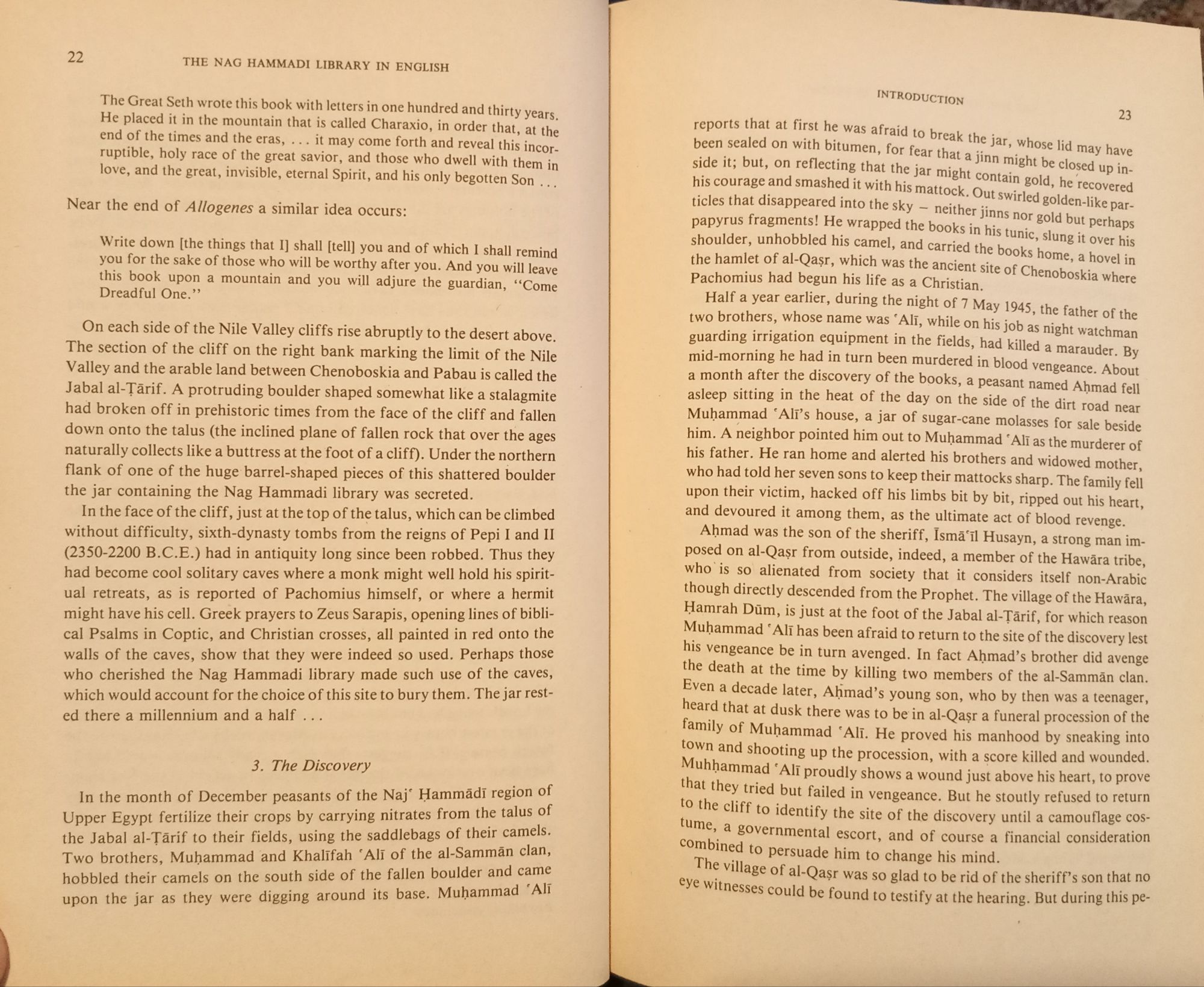
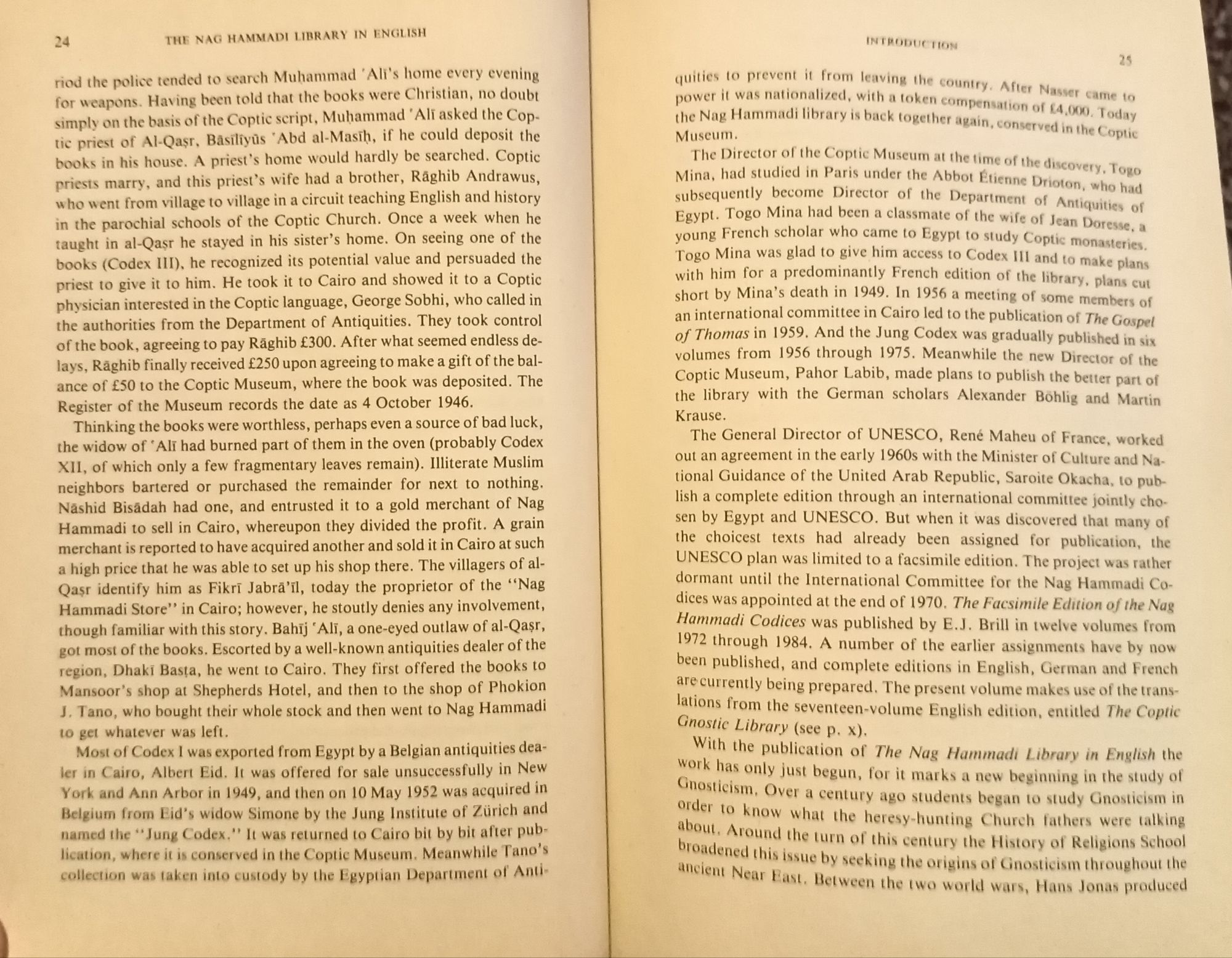
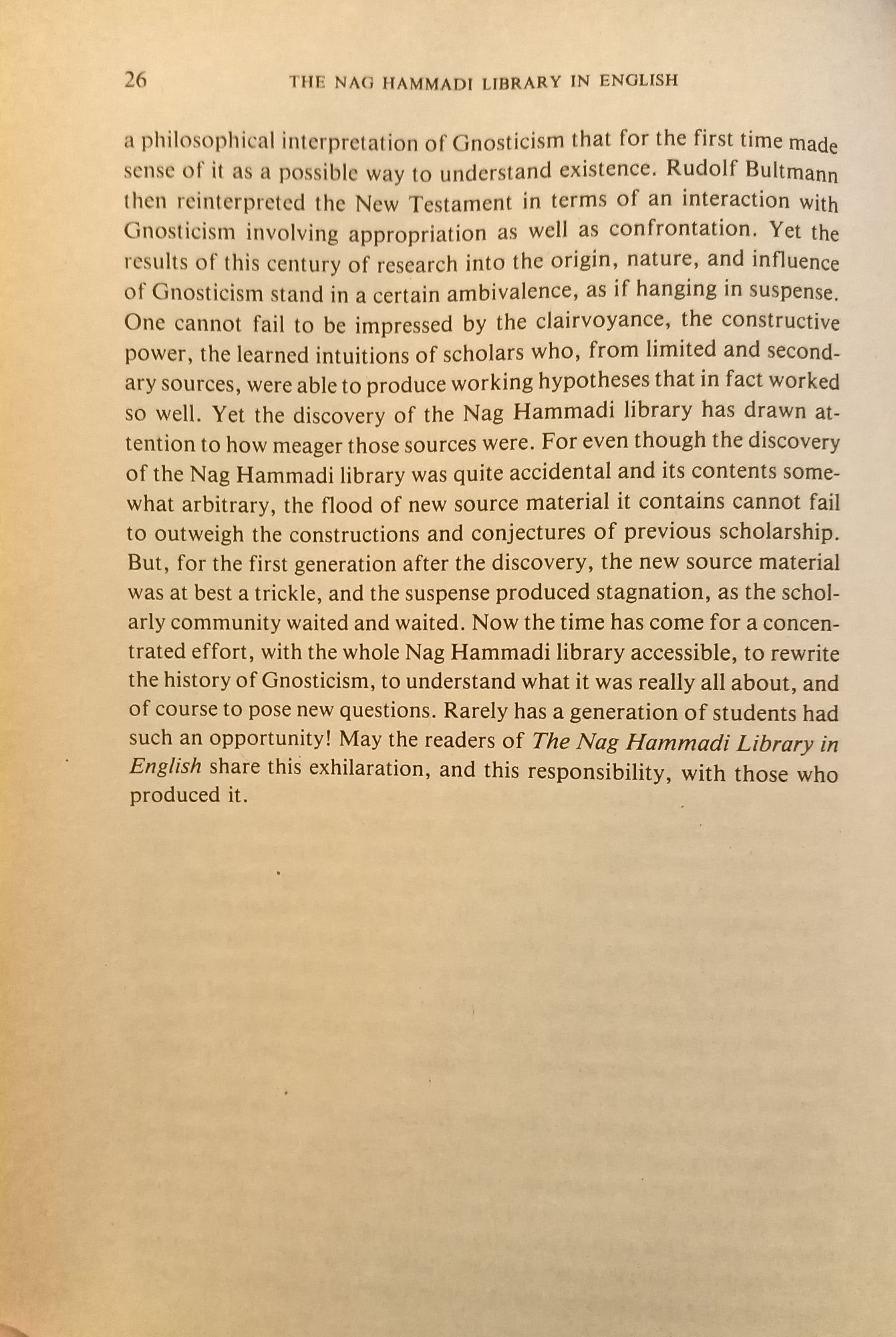
There are certain speculations that Islam might be an early school of Christianity that survived in the Middle East outside of Palestine – and absorbed certain cultural realities in its new environment (away from the reach of Rome or the Catholics). After-all, although the Catholics suppressed the Bible of Marcion, schools following his teachings are known to have survived in Syria well into the 10th century CE. What I include below is the erudite Introduction written by the US scholar James Robinson – regarding the history and discovery of the Nag Hammadi Library in Egypt. It is difficult to imagine that Great Britain, Fascist Italy and Nazi Germany fought a bloody and highly destructive war throughout Egypt during the early to mid 1940s – and how relatively unscathed the indigenous tribal people were by these events – who eventually discovered the texts. Furthermore, it is alarming to read of the primitive blood feuds described as forming the general historical context surrounding this important and epoch-changing discovery – being every bit as brutal and primitive as the murders routinely carried-out by ISIS and Al Qaeda today – behaviour very different from that of moderate, economically developed and well-educated Muslims. These are people who inhabit a pre-modern mode of behaviour and corresponding mind-set – and although I am not a theist – it is interesting to consider why the Christian God would choose to deliver his texts into the hands of such people. But perhaps that is the point. The Christian God speaks of unqualified love and forgiveness (as does the Holy Qur’an of Allah) – whilst the Jewish God is vengeful, vindicative and quite often demanding of blood. Perhaps the essence of Gnosticism has survived right in the middle of Christian theology – and it has done so without being seen – waiting for the moment when the ceramic jar holding its teachings is re-discovered!
 SANGHA KOMMUNE (SSR)