Original Chinese Language Text By: http://blog.sina.com.cn/s/blog_490a9b4c0102eilt.html (Translated by Adrian Chan-Wyles PhD) The China Daoist Association was founded on April 12th, 1957. The China Daoist Association was
Category: Daoism (Philosophical)
Exploring the Qianfeng School of Wu Liu Daoism based in Beijing – and all things ‘Daoist’!
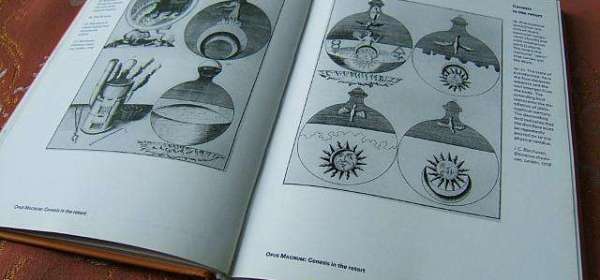
Alchemy and Hermeticism as the Basis of Progressive Civilisation
Alchemy and Hermeticism, in its purest and most logical form, is the nearest Western teaching to that of Chinese transformative Daoism, particularly Alchemy and Hermeticism
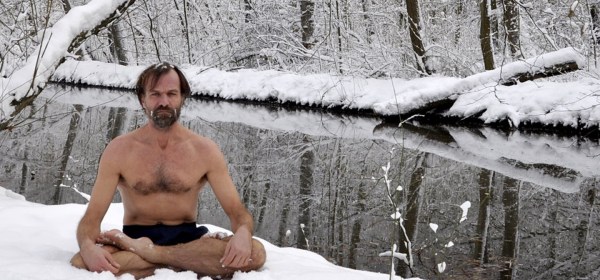
Email: Wim Hof – A Case of Scientific Daoism? (17.9.2017)
Subject: Modern Daoism – Wim Hof Date:Sunday, September 17, 2017 06:33 Dear Q I am always researching the scientific verification of Chinese Daoist technique –
Email: Qianfeng Daoism and the Hua Tou (Ch’an) Method (7.8.2017)
The mind must still be ‘calmed’ before these methods work, regardless of lineage. However, Zhao Bichen considered his main masters to be two Ch’an Buddhist monks (who together passed on the Wu Liu Daoist lineage to him). Their input added the Ch’an method of ‘hua tou’ to the Daoist practice.
Master Gu Liuxin Teaches Ho Chi Minh Taijiquan
After training with me for a month, I asked Secretary Xie Guangjian about whether the President’s sleep had improved? He answered: “The President’s sleep has improved, but it is still not as good as it once was a year or two ago, when he used to sleep soundly.” Two days after having learned the complete Taijiquan Form, President Ho Chi Minh said to me: “Taijiquan has had a very good effect on my sleep problem and has been very helpful.” I was very pleased to hear this.
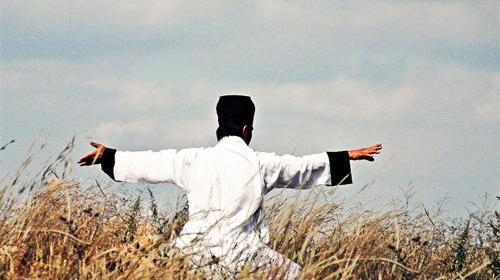
Daoist Transformation of Death
Shen is the realisation and permanent identification of consciousness with universal ’empty space’ to such a degree that when the physical brain ceases to function, the ‘practitioner’ becomes the state of ’empty space’ – which is the universe that includes all things. This is why advanced Daoist practitioners are able to enter this state whilst still in their bodies, so that the actual ‘act’ of dying becomes a formality whereby ‘breathing’ ceases altogether and qi energy permanently integrates with ‘jing’ and ‘shen’ – leaving the physical body behind forever.

