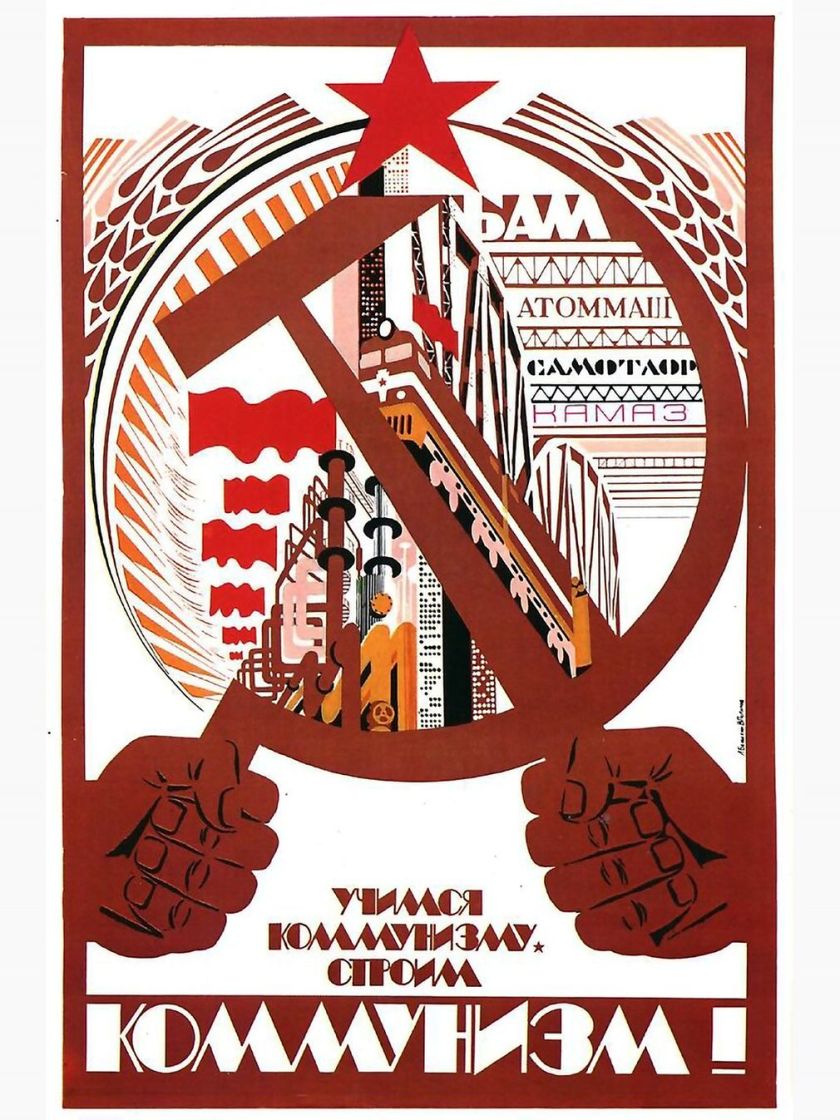

Believe it or not, I worked in a number of factories in the early to mid 1980s – all around the Dorking and Wallington area. One was Interpet – which I think is still in business. There was also a full-time factory that made clunky (but highly sophistaced) tape-players for the visually impaired around the world – situated in Wallington – which is now gone. I know this, as I now live near Wallington and have checked. The latter was unique and innovative at the time. These machines were not commercially available and were expensive to produce – whilst the tapes they played were exclusive to the RNIB “Talking Book Library” (individuals registered with a visual impairment could access this service for free at the point of use – probably paid for by the local Council).
Nowadays, of course, everybody and their cat listens to audiobooks – but this was certainly not the case then – or for many years afterwards (apps have replace all this industry and mechanisation). This all came about due to the system of free universal education the UK had then (Thatcher abolished it in 1988 if you remember). I spent a year or so at a College in the Reigate and Redhill area between 1983-1984 – before relocating to Hereford (all free at the point of us and paid for via collective taxation). In the Wallington factory I was put to work on the assembly line with the man sat to my left explaining my job. He had managed to come through the UK education system and remain totally illiterate (which is a remarkable feat considering the high calibre of State and Private (Public) education in the area – although neuro-diversity was not recognised at the time) – but to his credit he liked Bob Marley (this was interesting as he was White).
My job for 8-hours a days was to pick up a rubber-band, dip it in alcohol, and fix it across two spools and make sure everything fitted together and moved around correctly. I learned to work as part of a faceless team – and to disappear into the amorphous masses. What I personally felt did not matter providing I could my job without faltering and letting the group down. When perfected, the entire process took about 30 seconds – before the next incomplete machine appeared in front of me (moving a long a conveyor-belt). I could still see the entire process when I closed my eyes at night just before sleep. At Interpet, the workers all came together at breaktime and had unofficial (but quite natural) political meetings – whilst drinking unsweetened tea and eating biscuits (this was where I learned what “working class” ideologically meant – and to prefer unsweetened “Proletariat” tea).
I was taught the importance of “class” on a practical level – and the differences between “us” (the deprived workers) and “them” (the privileged management). Never go to the manager with a problem (never “grass”) – always approach the designated shop steward or a trusted fellow-worker. I suspect today the workforce has become thoroughly “Americanised” and stripped of all its inherent bargaining power – with goods imported from abroad. Things were certainly different back then. On top of all this, and as aside, I also worked in a number of Offices – but these were all thoroughly bourgeois and utterly soul destroying – nothing less than variants of hierarchical control and banality linked to the Colleges I attended (usually the “Admin” section of education). This was what various strands of UK education was like back then – working class people were discouraged by a free education system (operating within a capitalist society) from excelling within it.
That is, the Socialist approach established in 1948 was discouraged from breaking the boundaries it was set-up to transcend. I hovered on that boundary between working class practicality and middle class academia. Eventually, I did manage to break that barrier, and I have transformed the bourgeois exclusivity of academia into something accessible to the masses (following Lenin’s idea) – should they choose to apply their minds in a specific manner and seek-out specialist knowledge. Knowledge should belong to the entirety of humanity – and humanity should be taught the most advanced methods of how to think effectively and apply that thought decisively in the material environment. Workers can think and act for themselves if they are a) allowed to do it, and b) taught how to do it properly.
 SANGHA KOMMUNE (SSR)