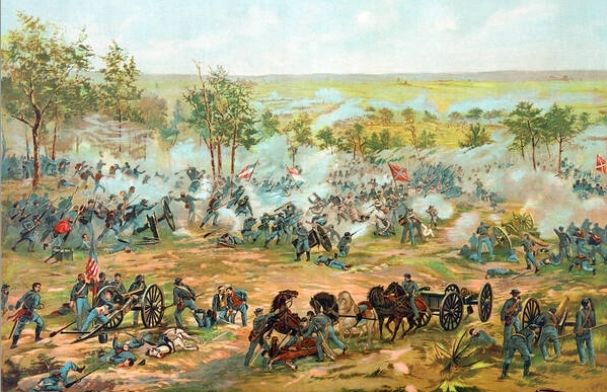

It is said that all (or at least most) – new recruits – training in the Army of the United States (US Army), tended to wear what is known as “Cadet-Grey” or “Butternut-Brown”. When Basic-Training was accomplished – the colour of the uniform changed that of “Blue” – demoting a fully-qualified professional soldier. By-and-large, the design and structure of the uniform remained identical – after-all – we are discussing exactly the same unified army. Of course, there are the odd exception to this rule, with the occasional professional unit in the US Army continuing to wear “Cadet-Grey” even as professional soldiers (with the design, badges, buttons, caps, and footwear, etc) being slightly altered. There was also the Zouave uniforms of the US Army consisting of bright red – or blue-and-red combinations. Therefore, when the Southern States seceded, The local US Army units in situe either left the area (by heading North to Union territory) or joined the Confederacy. With the change of flag (the “Stars and Strips” was abolished) – came the change in military uniform. As “Cadet-Grey” was fully available in the army stores – it was this colour which was elevated to replace the “Blue” of the US Army. Quite often, ordinary infantrymen recruited into new Confederate regiments were issued the amply available “Butternut-Brown” (a type “tan” or “mid-brown”) – often including blue collars, cuffs, leg-stripes and tunic-braiding, etc. At a distance, and depending upon the time of day, weather, and battlefield conditions – these men often seemed to be Union troops at a distance.

The basic cap worn on both sides (at least by enlisted men and some Officers) was a development of the French “Kepi”. This is a cap with a flat circular top and a peak – or visor. In English, the term is a loanword from French “képi” – itself a transliteration of the German word “Käppi” – a short form of the German “Kappe” – meaning “cap” in modern English:

A leftover from the days of English dominance in North America was the “bicorn” hat (often seen in the British Royal Navy – worn amongst Officers – and elsewhere made famous by Napoleon Bonaparte). Within the CSA Army, for instance, the ranks Sergeant Major (Battalion), Colonel (Engineers), and General are all pictured above as wearing the “bicorn” (at least in 1861). Interestingly, the US Army, even in 1861, did not allow the wearing of a “bicorn” at any level. In reality, however, due to a general lack of supplies, head-wear was often quite eclectic in the CSA Army, with men turning-up with all kinds of hats, caps, helmets, and Slouch Hats, etc. I have even seen some hastily risen Confederate units take to the battlefield wearing civilian clothing and head-gear – despite being well-drilled and well-armed. Of course, as the war progressed, as the Confederate casualties mounted, stores became very much thin on the ground – including weaponry. This led to men drilling with pointed-sticks, clubs, and swords, etc, often in bare-feet.
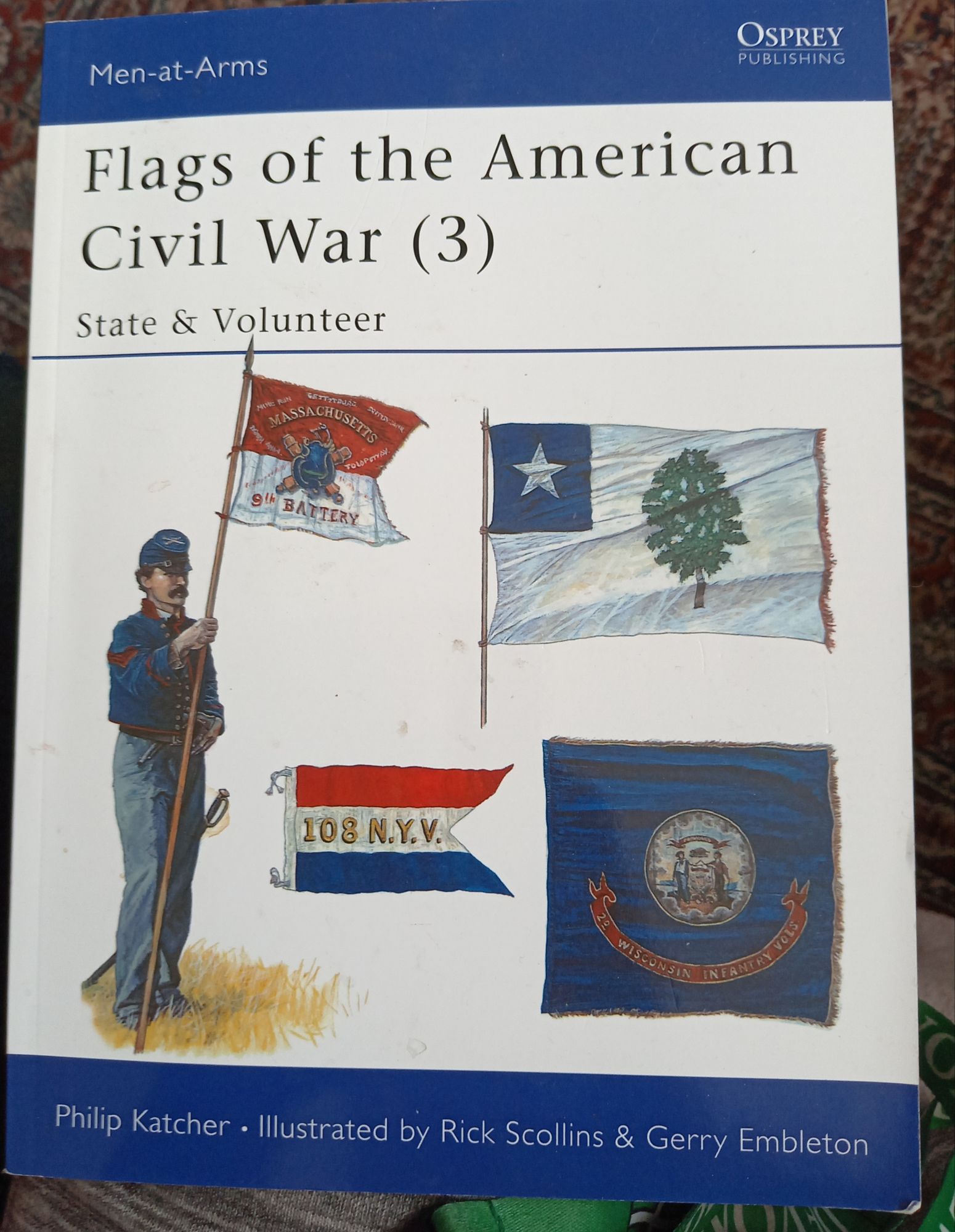
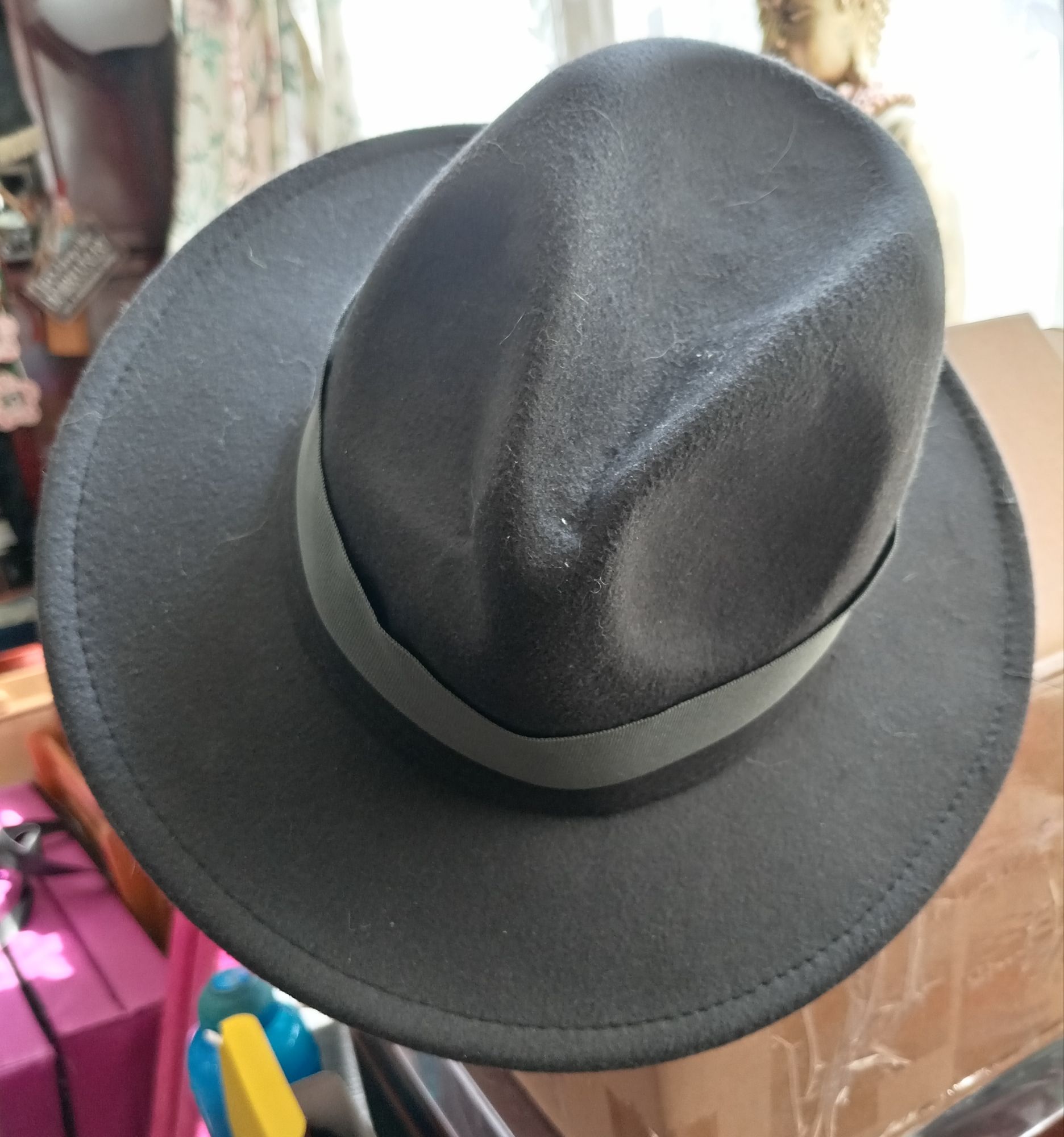
Recently, I received in the post a “Slouch Hat” – an excellent modern reproduction – kindly sent to me by an appreciative American who has read one or two of my Confederate articles. I am very grateful for this gift as it is simple and straightforward. As I am nobody – one of the faceless working-class – if I was a soldier in the Confederacy, it would be amongst the lumpen proletariat of the massed ranks of the CSA Army infantry (probably with the Irish) – here, I would be happy to give-up my body. Hopefully fulfilling my function of flag-bearing:

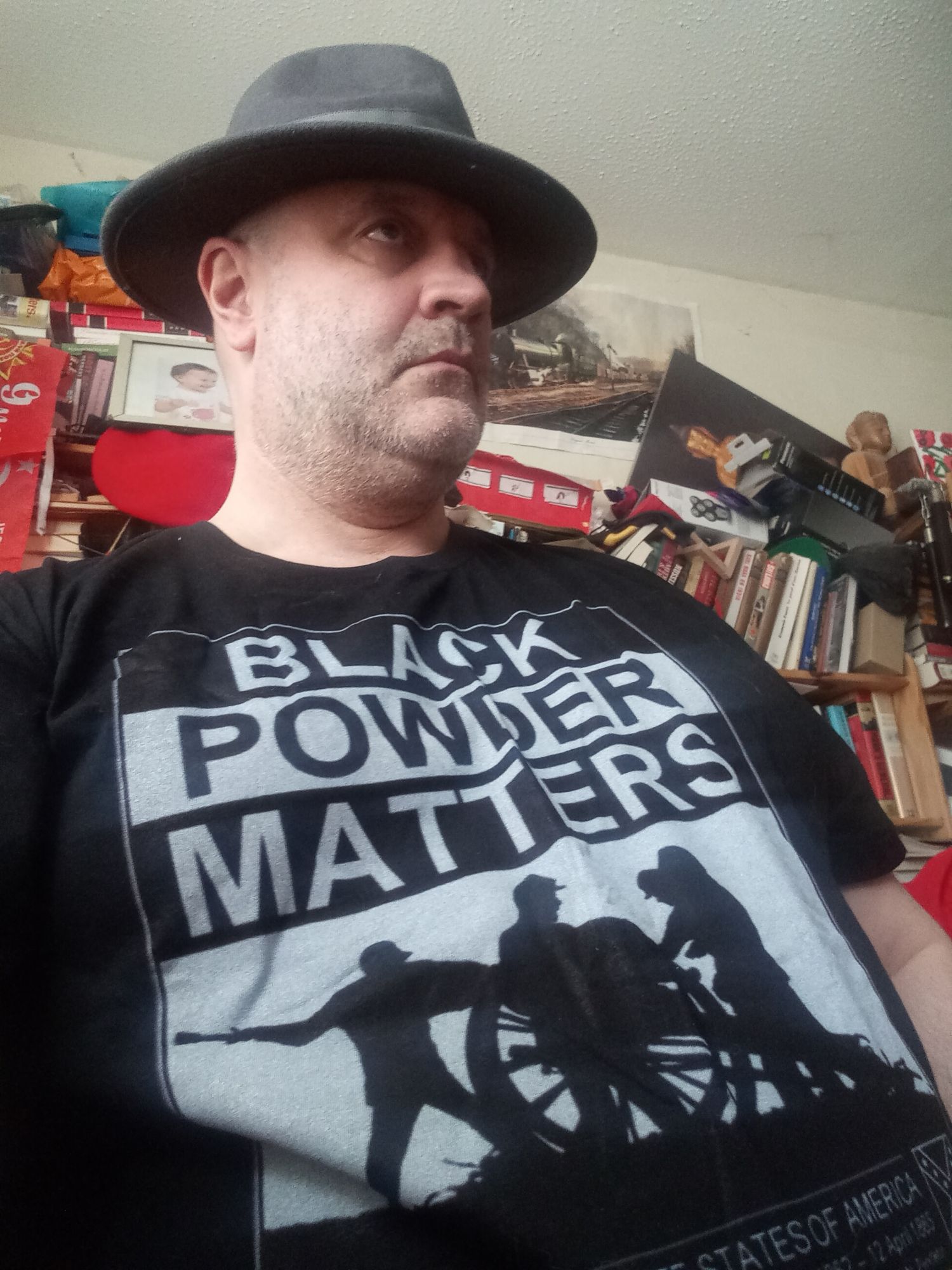
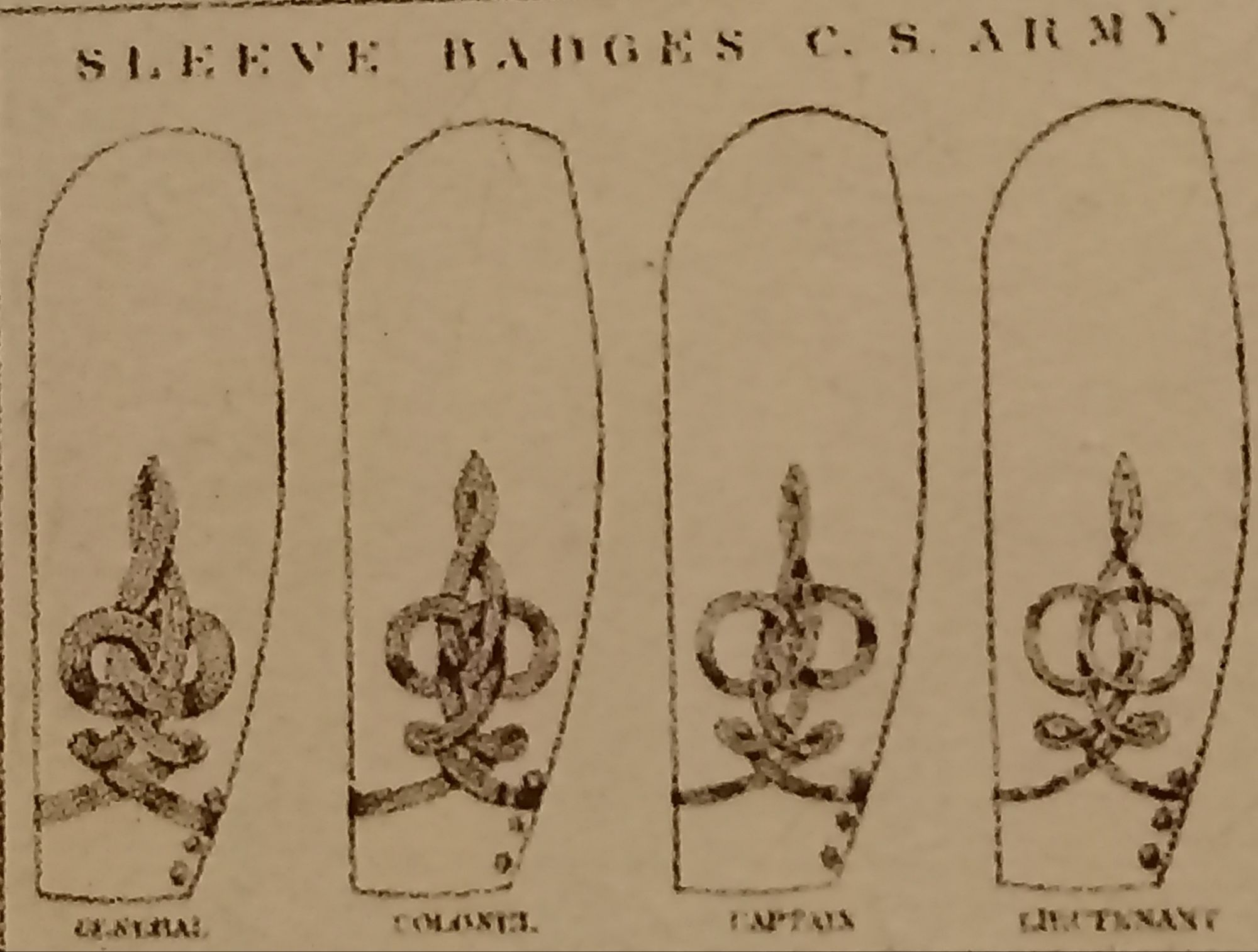
The NCO ranks appear to be similar to those found in the British Army (using various chevron-orientations) and Officer “knots” – embroidered designs that seem to “tighten” as the power and the authority of rank increased (these ranks are also expressed through collar-bars and various buttons, medals, buckles, and tie-pins, etc). These “knots” of comradery and solidarity became tighter as the “protective” wisdom of the Field and Staff Officers is exercised so that the welfare of the ordinary enlisted men is enhanced. In this respect, these Officer embroideries seem to reflect “Celtic” knots of various sorts:



For the first three-years of the American Civil War (1861-1865) – the Confederacy was very much in the ascendency despite the Southern States not possessing the industrial might of the North, the man-power of the North, or being able to import resources due to the effectiveness of the Union Naval Blockade. Nevertheless, President Jefferson Davis worked a bureaucratic miracle in creating a “new” State from scratch – and a functioning army that nearly overthrew the tyranny of Lincoln (as the CSA saw it) – and almost defeated a Union that possessed nearly every material advantage. All the way through the historical narratives describing he many major and minor battles of the American Civil War – it is clear that on occasion – both sides became “confused” as to the side various regiments were actually on – due to the colour of their uniforms. Guards Units, Militia Units, Volunteer Units (often all dating back to before the American War of Independence in 1776), Conscripted Units, National (Official) Units, and even Foreign Units – all mixed together on the battlefield – on both sides.

Sometimes, CSA Units proudly wore “Blue” – whilst certain Union Units proudly wore “Grey”. Both sides also possessed Units that dressed (and acted) like English Red-Coats – a designation that then sent shudders through most people due to the reputation the Red-Coats possessed – namely that of strict discipline and ruthless close-quarter-fighting (all wounded were bayoneted as an act of compassion – due to the lack of any reliable medical treatment). English Red-Coats would march indifferently into enemy-fire – safe in the belief that once the distance was closed – the enemy would pay the price. The CSA Units attempted to replicate this attitude and make the Union pay for the damage its forces inflicted upon the Southern States.
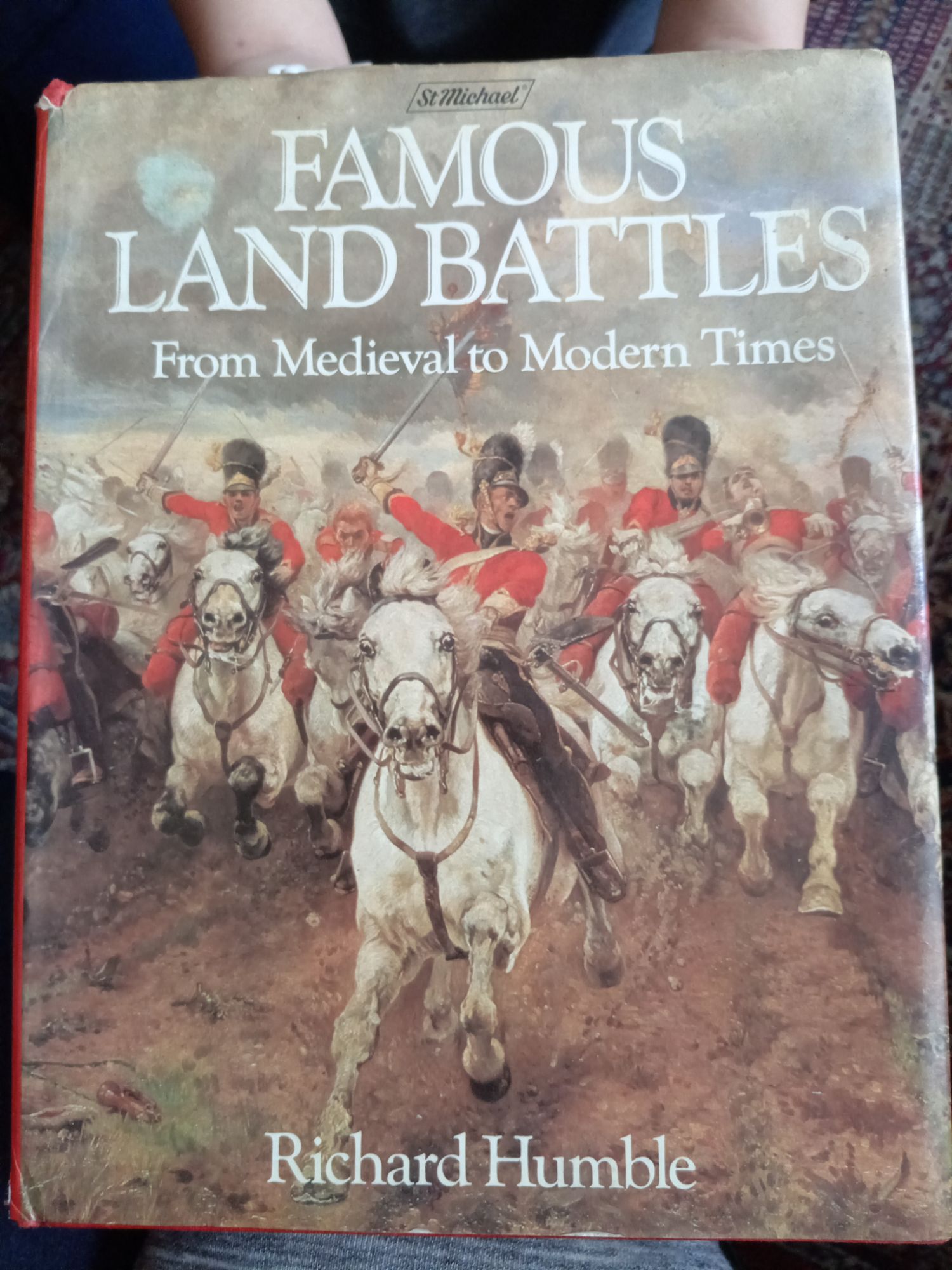
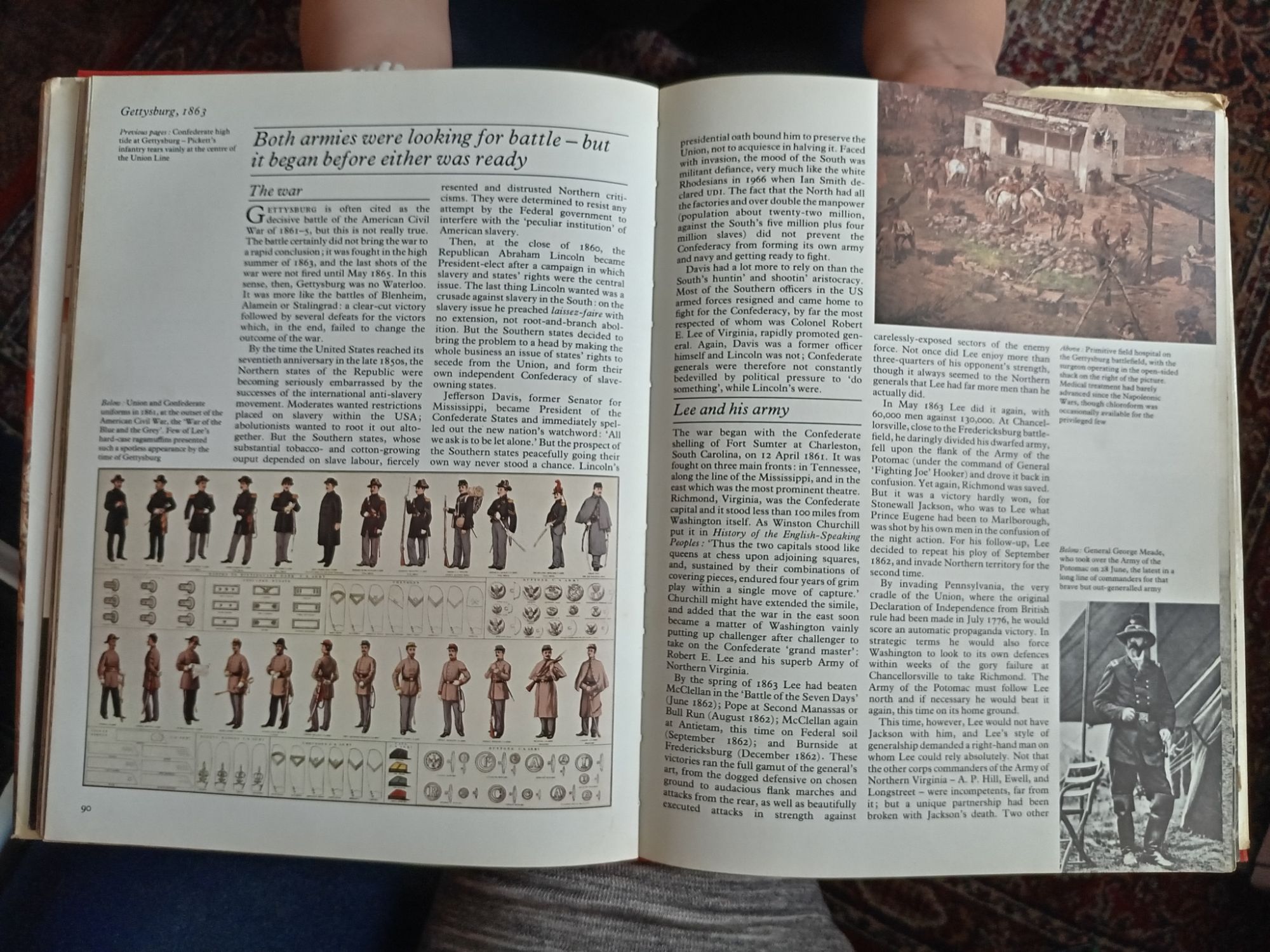
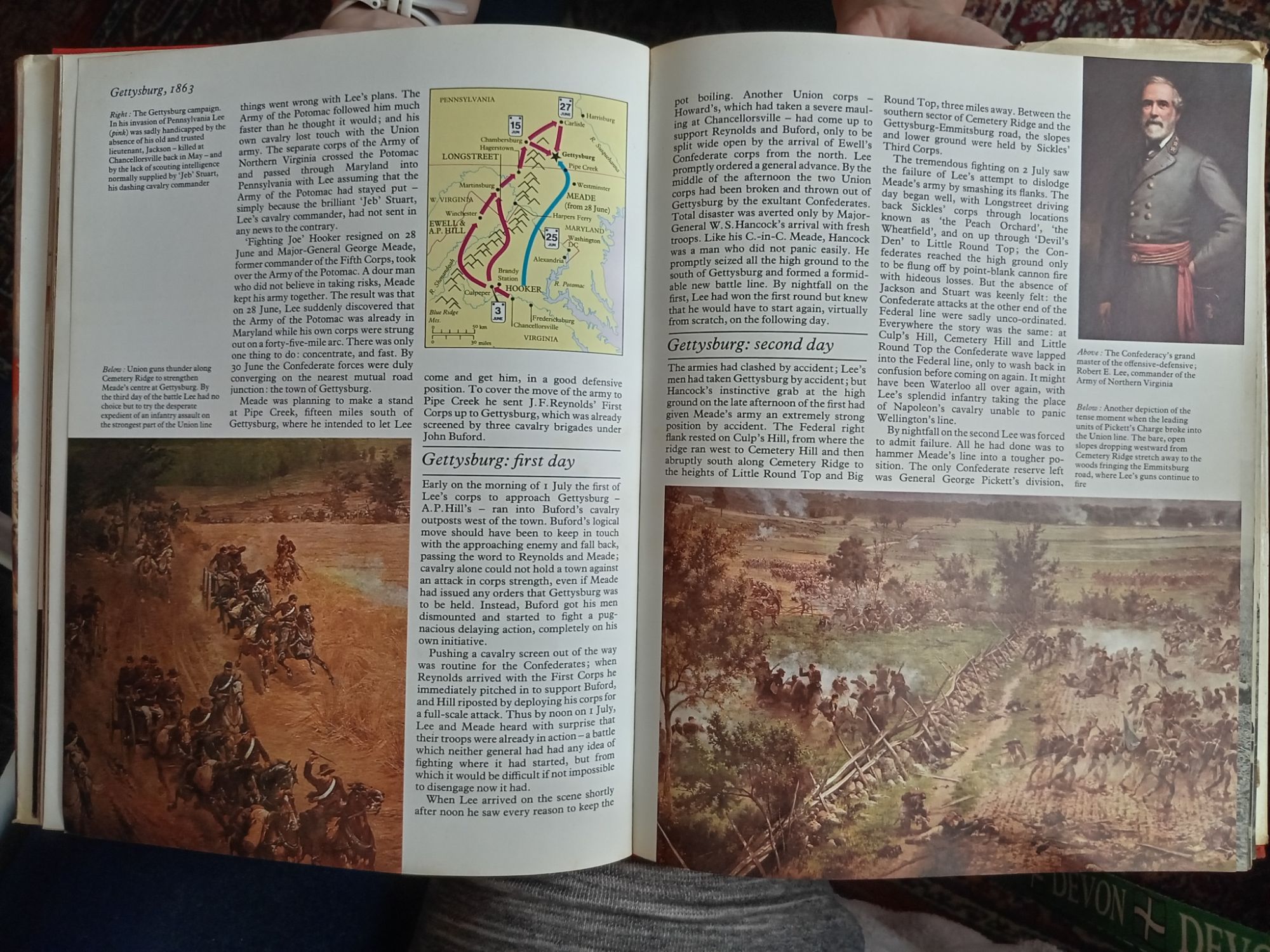

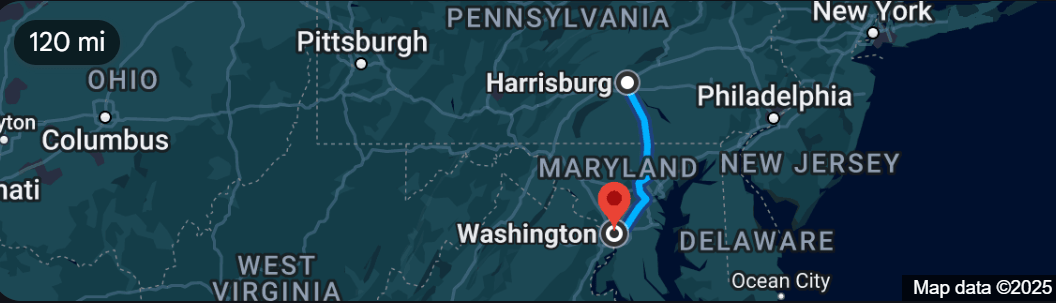
My (maternal) Great Uncle – Walter Henry Indge (once a Coldstream Guardsman during WWII – and after – who wore the bearskin and red tunic whilst guarding Buckingham Palace) – brought me the above book (around 1980) as a gift. It sets-out most of the great land battles – or at least a cross-section of such events. Of course, such surveys can only be brief and limited by the bias of the author (real WWII Soviet posters calling for a desperate armed-resistance to Nazi German mass-murder are referred to as “propaganda” – whilst an entirely fictional painting of the “Charge of the Scot Greys” at the Battle of Waterloo [painted by a female British aristocrat] is treated as something akin to an actual “photograph” of real events) – with the Six Day Way of 1967 (a giant Zionist land-grab of Palestinian territory) – portrayed as an “Israeli battle of self-defence”! Apart from these glaring inadequacies, (there is also a section at the back discussing a possible nuclear-war with the USSR – with the British author being brutally honest by stating the British Army would “last about twenty minutes” and be wiped-out somewhere near Norway – by an advancing Red Army). Still, I am very grateful for this book (which has accompanied me for 45-years) as it does cover one or two Revolutionary battles – and truthfully supplied the information my developing mind required. Its coverage of the Battle of Gettysburg its concise and exact – and I include it here to record the highest military mark of the Confederate military achieved – with its troops at one-point occupying Harrisburg (a town some 120 miles North of Washington DC) – but the furthest to the East (into Union land) the flag of the CSA military ever advanced!
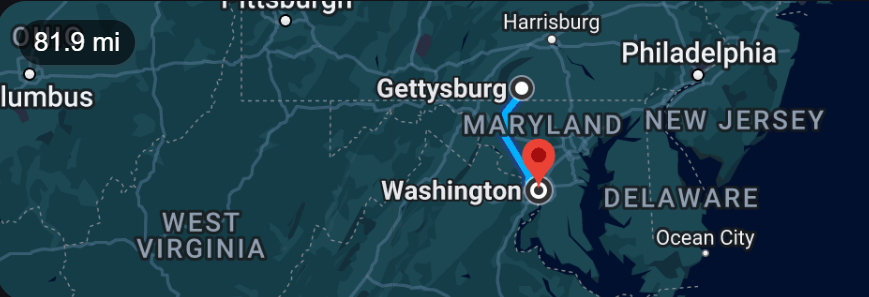
Ironically, Gettysburg to Washington DC was closer to Washington DC (as the bird lies) – with Gettysburg being around 39 miles further to the West!
 SANGHA KOMMUNE (SSR)