Other fossil work has pointed in the same direction. In Spain, fossils from Sima de los Huesos have been linked to the Neanderthal evolutionary line, showing that Neanderthal-related groups were already present roughly 400,000 years ago.
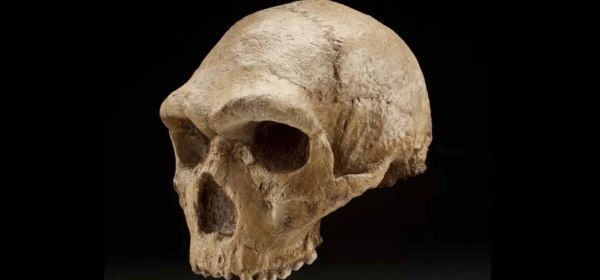
That makes Petralona especially interesting. If the skull represents a more primitive population living around the same broad period, then Europe may have held multiple hominin groups at once. That is a very different picture from the old idea of one dominant human form slowly replacing another.
A similar pattern has appeared outside Europe, too. The Broken Hill skull from Zambia, also known as Kabwe, was directly dated to about 299,000 years old, much younger than many researchers once believed. The Natural History Museum said that date added to evidence that several human lineages may have coexisted around that time.

