









King Arthur – at least in the earliest strata of his legend – is an indigenous Romano-British King, who embodied what has become known as ‘Celtic’ spirituality. His legend pre-dates the rise of Christianity in the UK – and the original King Arthur was not a Christian monarch in any sense of the term. Like the feudal emperors of ancient China, King Arthur represented the union of humanity with the divine-sky above, with the broad earth below. Indeed, the Chinese ideogram ‘王 ‘ (Wang) means ‘king’ in the Chinese language. It is comprised of three horizontal lines (which refers to the ‘divine-sky’ in the Book of Changes – 三), with a vertical line uniting the other three. This signifies the character of a great person who possesses such a virtuous strength of character, that all are united under its transcendental influence.
The cycles of nature on earth, and the needs of humanity meet in one extraordinary character who exists only as a focus for communal living. Much later, when the Arthurian legends became Christianised, the pagan wizard Merlin is distorted into a madman, and Arthur’s divine ability became superimposed with a Christian cross – and his life mission ordain by a Christian god. It is interesting to note that this feudal ideal of perfection has existed all over the world – and links the legend of King Arthur with such places as ancient China, ancient India, and ancient Egypt amongst many others.
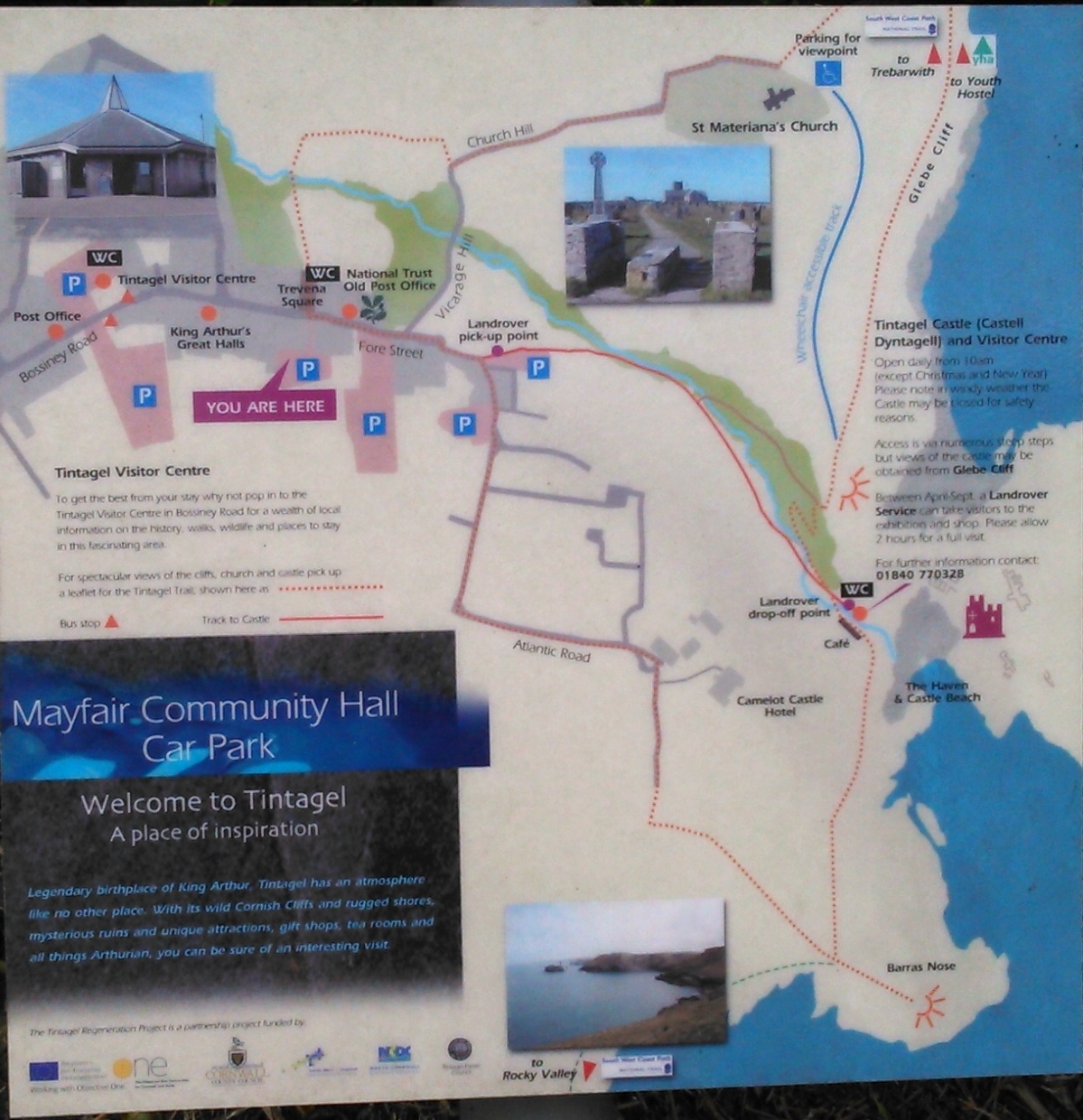
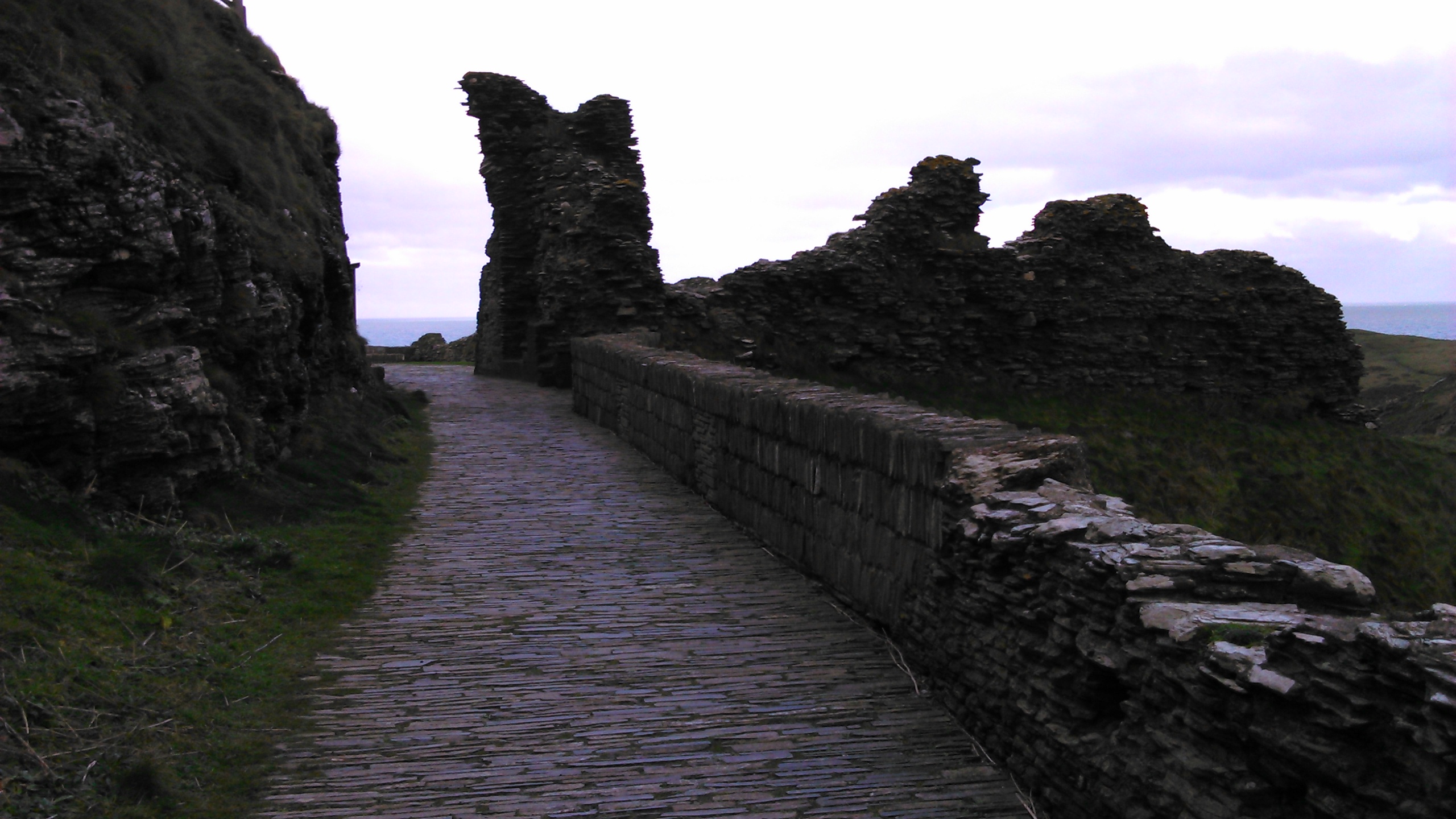
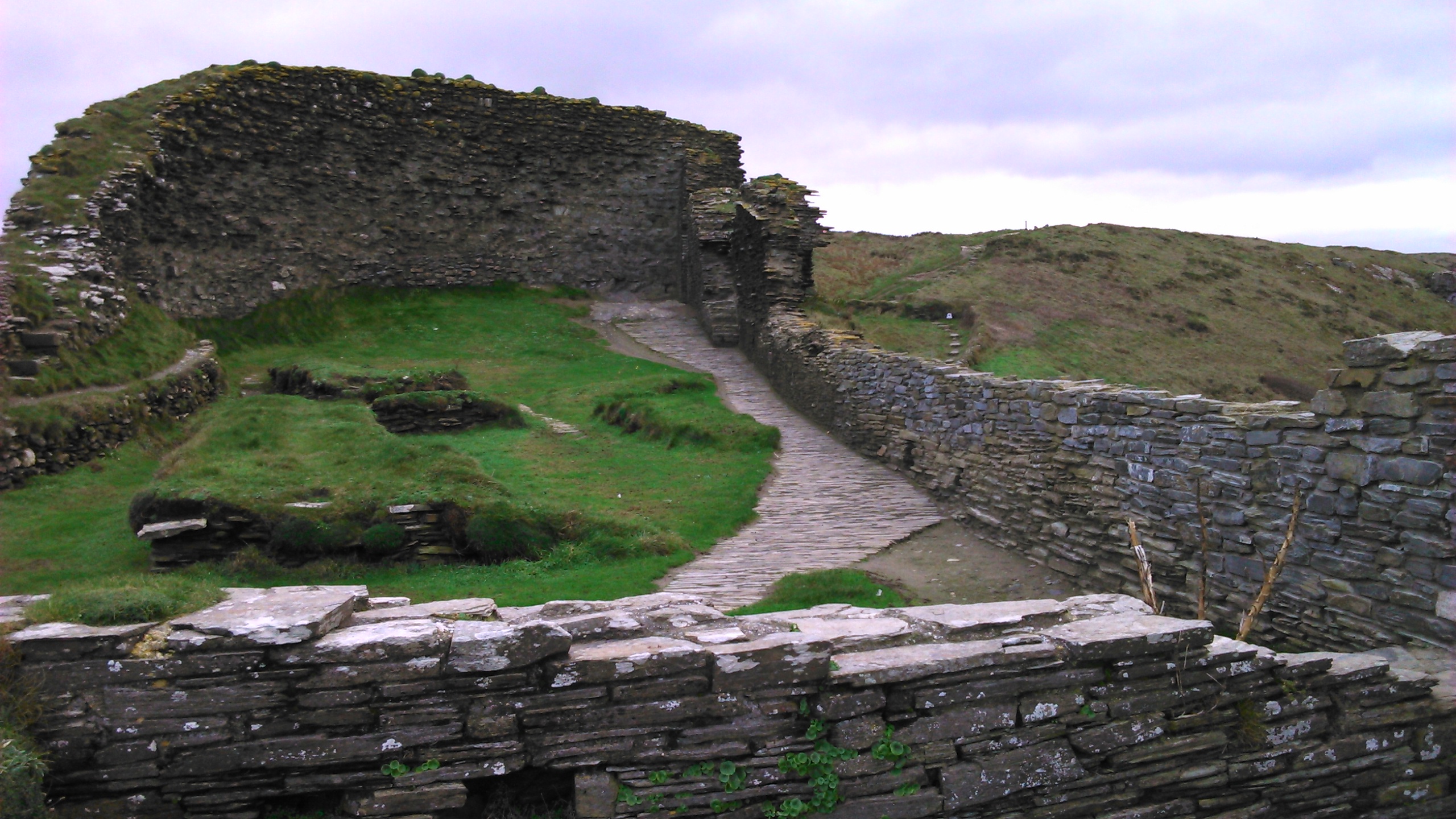
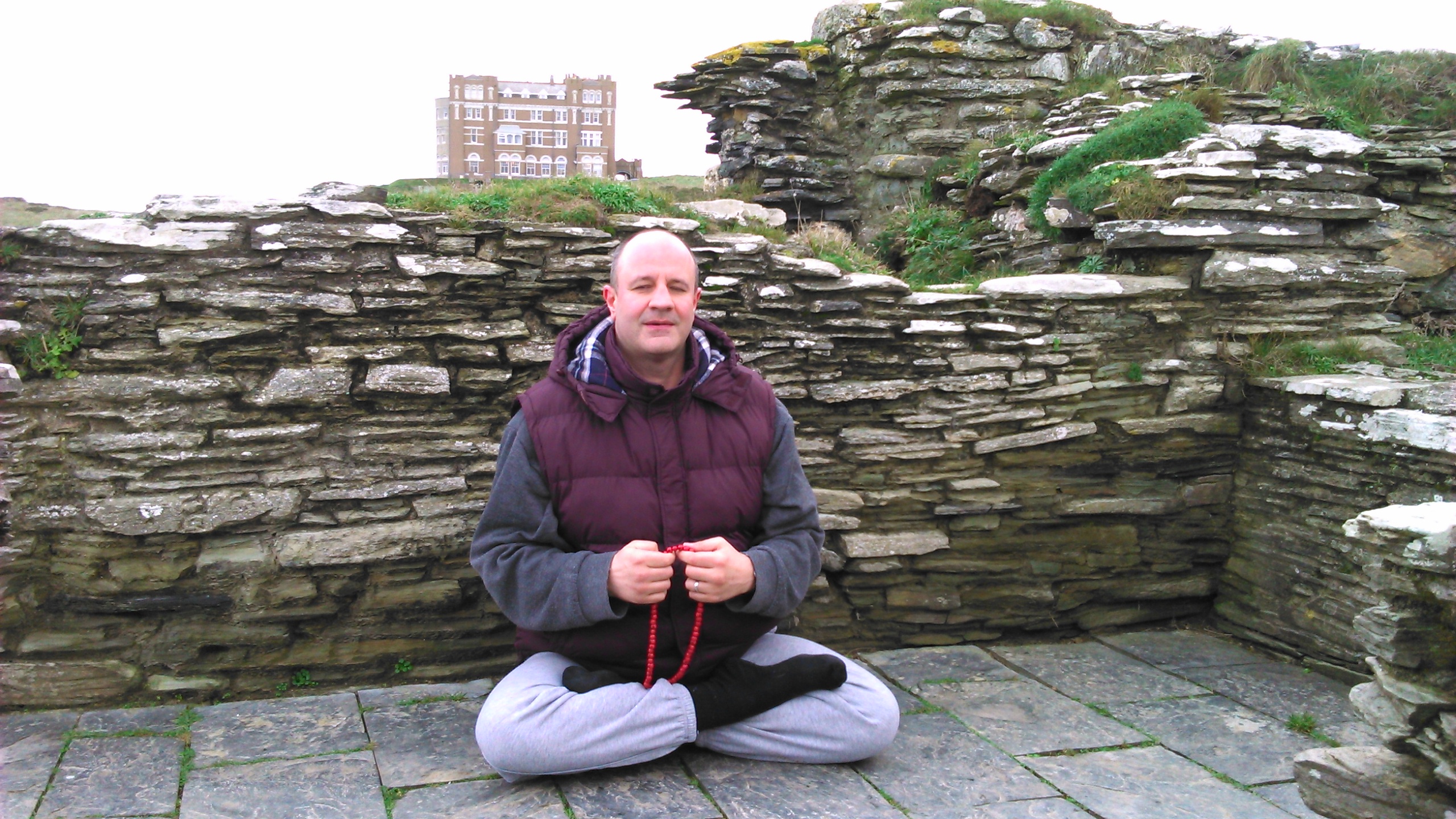
The point is that Arthur represents a radical unification between nature and humanity that allows for a higher perspective in the chosen leader; a robust wisdom and knowledge that remains unsullied by the self-limiting, and guilt ridden strictures of monotheistic theology. Merlin, of course, is the true hero of the story. In him is embodied all the beauty, magic, and mystery that surrounds and ancient Britain and her diverse peoples. Surely Merlin’s example is the basis for the modern character of Gandalf, as depicted in Tolkien’s Lord of the Rings. Like the Buddhist masters of old, Merlin lived and meditated in a cave just below Tintagel Castle. The place is atmospheric and wondrous. This is not surprising, as Arthur and his divine teacher Merlin represent everything that is both beautiful and noble about the peoples of Britain.

 SANGHA KOMMUNE (SSR)