I have studied the War for Independence in Vietnam from 1945 – 1975, focusing upon Ho Chi Minh and General Giap as two exemplary leaders
Proletariat Blogging in the Heart of (UK) Predatory Capitalism! Exploring the Interface between Matter and Perception, Chinese Buddhism, Daoism, Hakka Ethnography, and All Aspects of Radical Politics, History, Psychology and Philosophy – 全世界无产者联合起来!
I have studied the War for Independence in Vietnam from 1945 – 1975, focusing upon Ho Chi Minh and General Giap as two exemplary leaders
After World War I, I made my living in Paris, now as a retoucher at a photographer’s, now as painter of “Chinese antiquities” (made in
Marx and Engels developed this thinking during the 19th century, whilst Lenin, Stalin and Mao (amongst others) developed the dialectical thinking that defines Scientific Socialism for the 20th century. Trotskyism, of course, is something of a ‘still birth’ within Revolutionary thinking, a dialectical dead-end that impersonates certain aspects of Marxism, whilst surrendering to every aspect of the capitalist system and making peace with its oppressive nature.
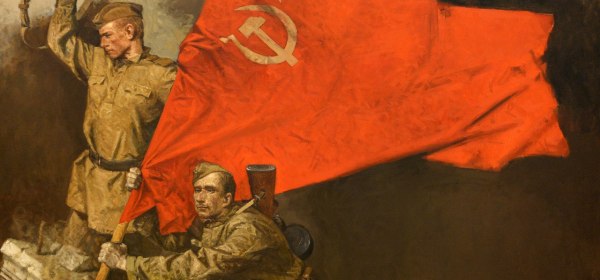
This is correct as the Red Army personnel are trained in the morality of Marxist-Leninism, and understand their role to be one of ‘protection’ and ‘liberation’, and never one of pointless ‘aggression’ and ‘murder’. It is the Red Army that is tasked after the Revolution, to keep the workers safe. If civil society is to progressively develop through the application of science, then workers as citizens must be ‘free’ of the fear of arbitrary death and maiming from other citizens. Only the Red Army possesses the appropriate morality to carry out this task.
(Research and Translation by Adrian Chan-Wyles PhD) Maozi said: Even to mention the Way (道 – Dao) is to demonstrate the profound direction of movement.
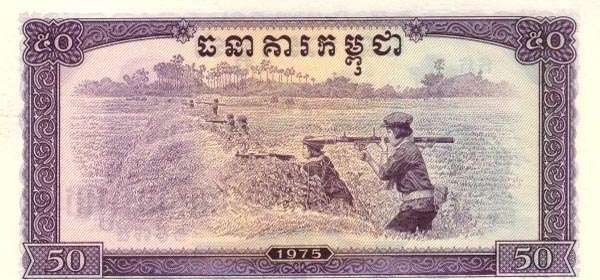
When asked why he emptied the cities, Pol Pot stated that the US had already been bombing areas of Eastern Cambodia, and that he (and the Khmer Leadership) were apprehensive that the US would launch a vast and sustained bombing campaign upon Cambodian cities and towns – much like the years’s of US destruction wrought upon North Vietnam.

