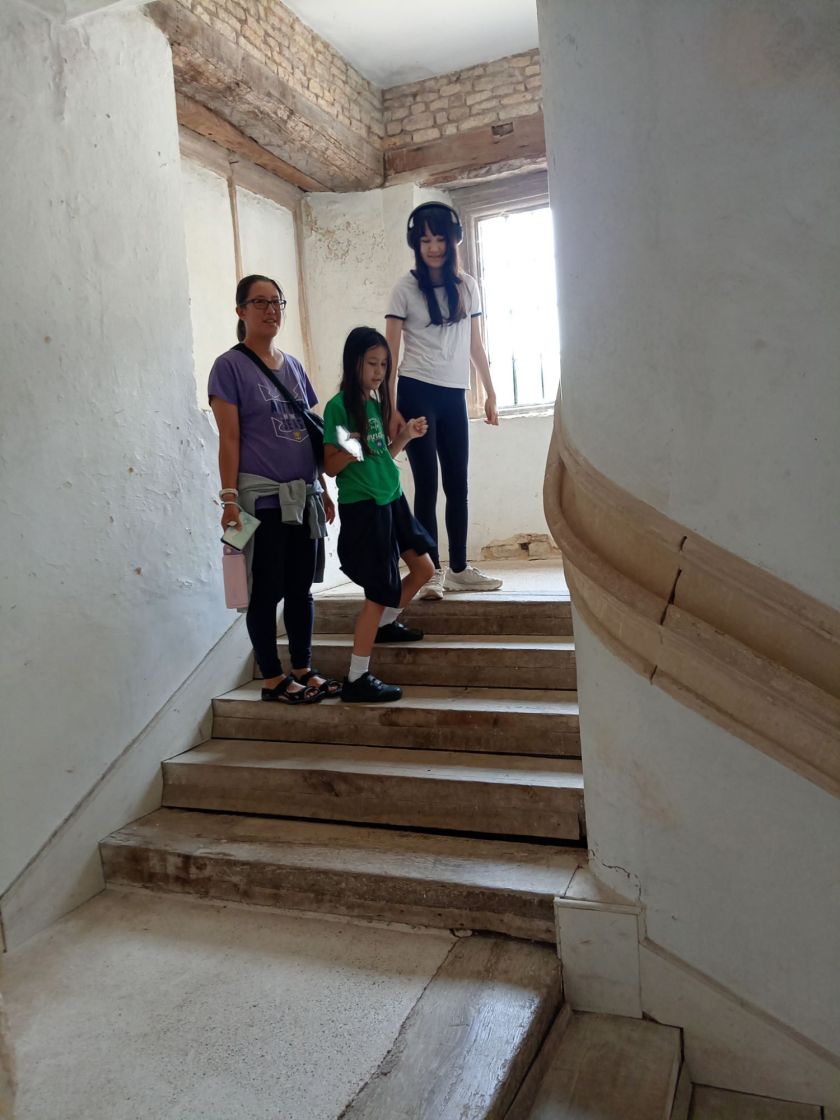


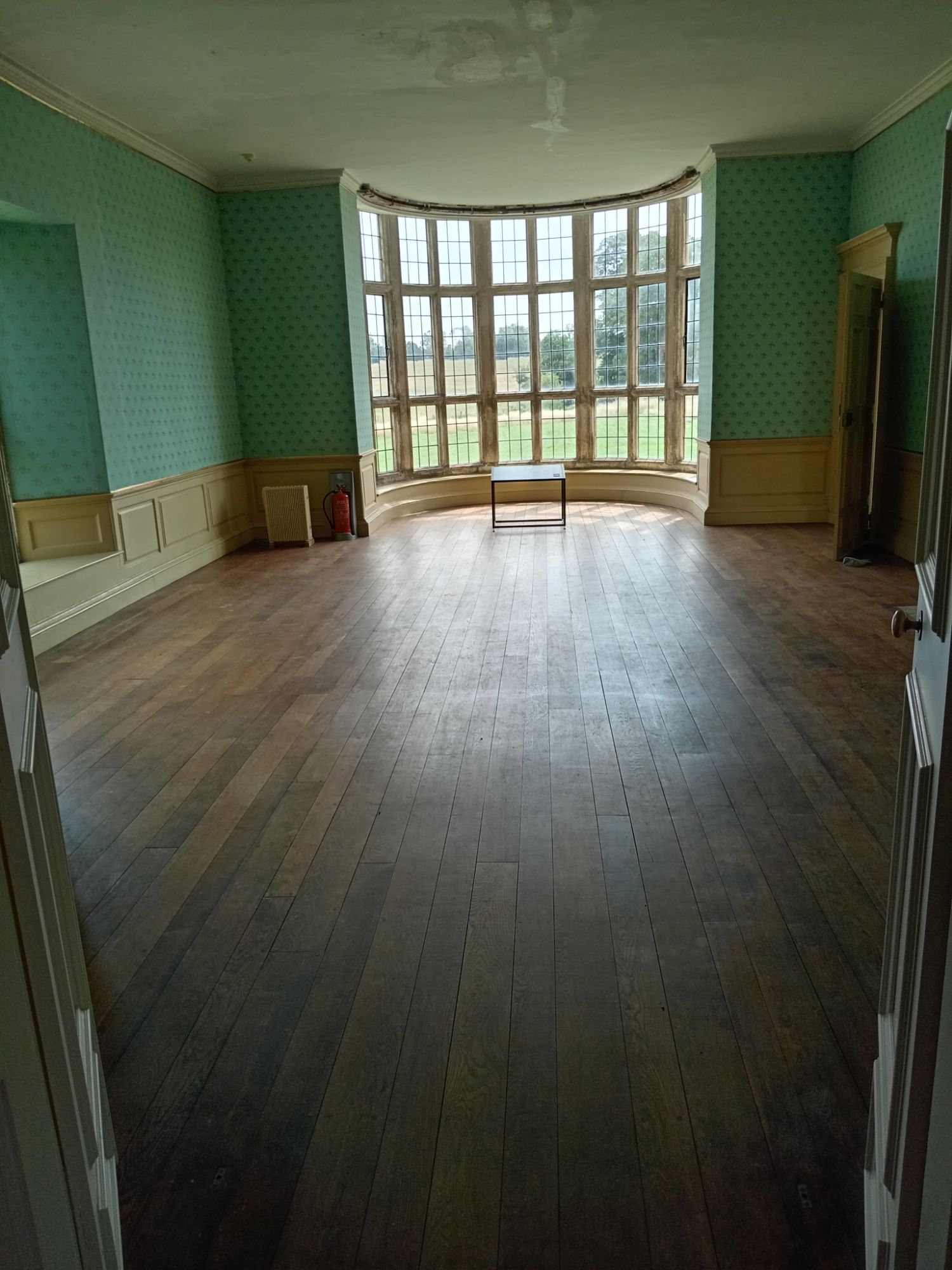

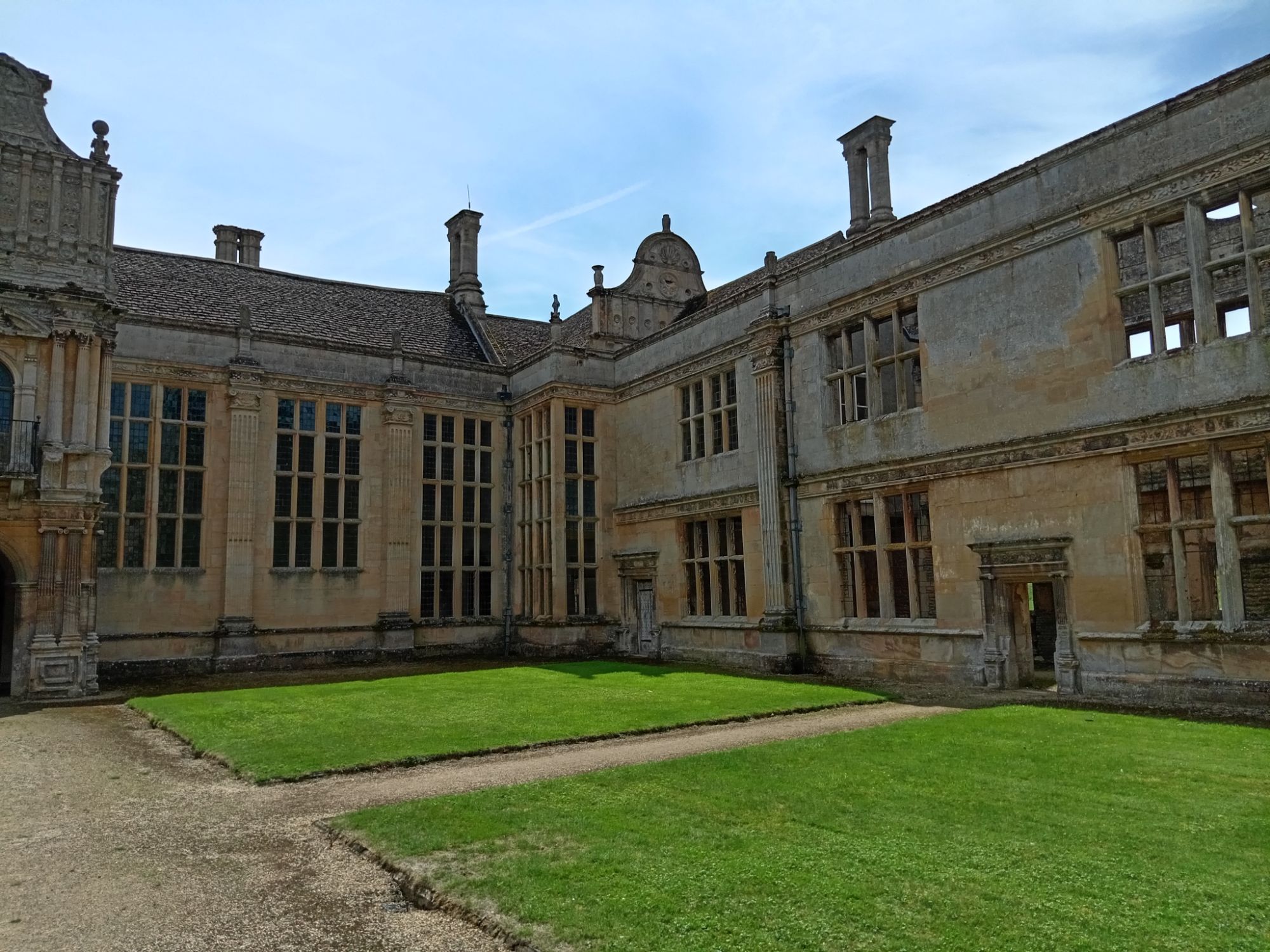
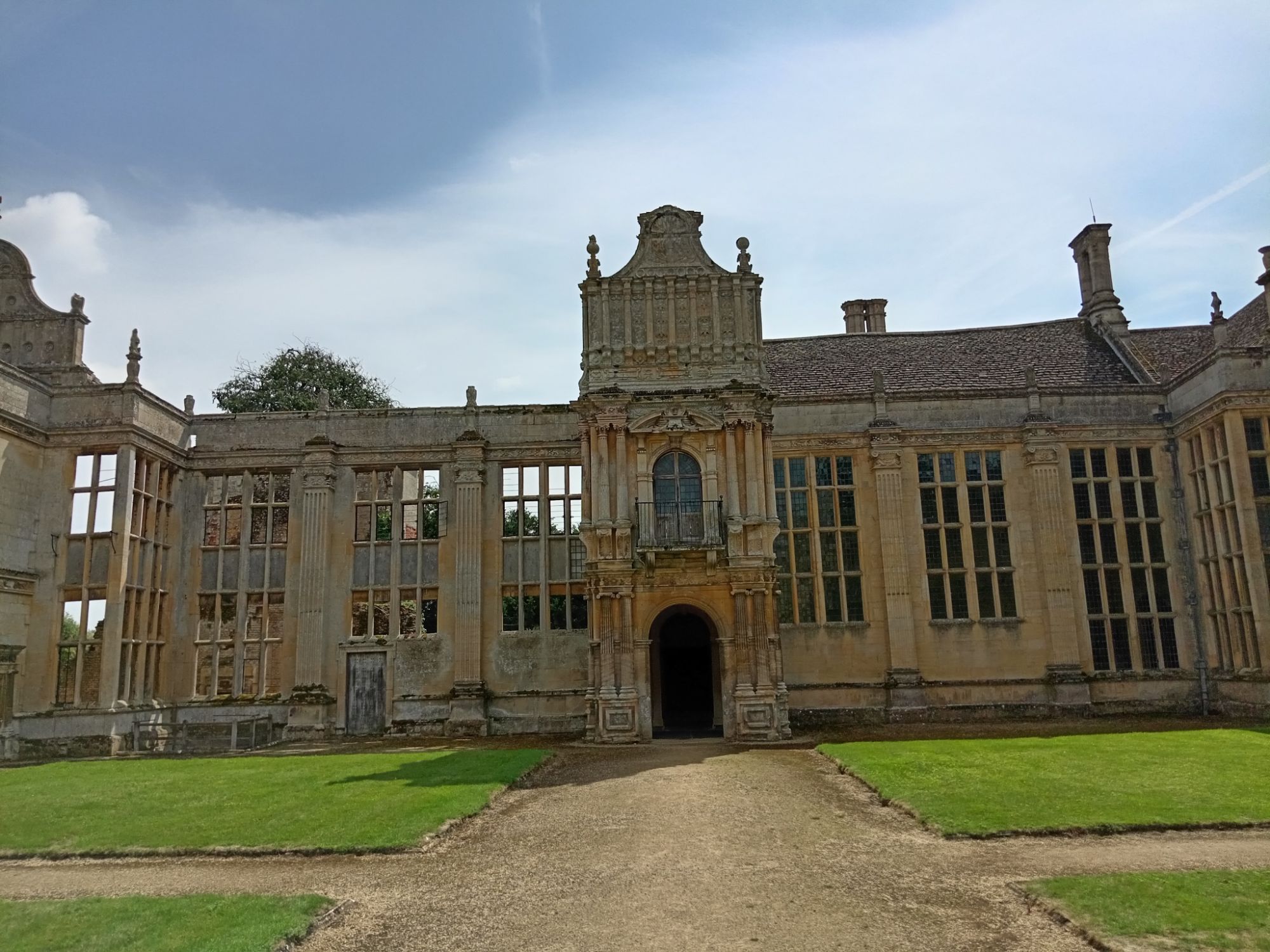
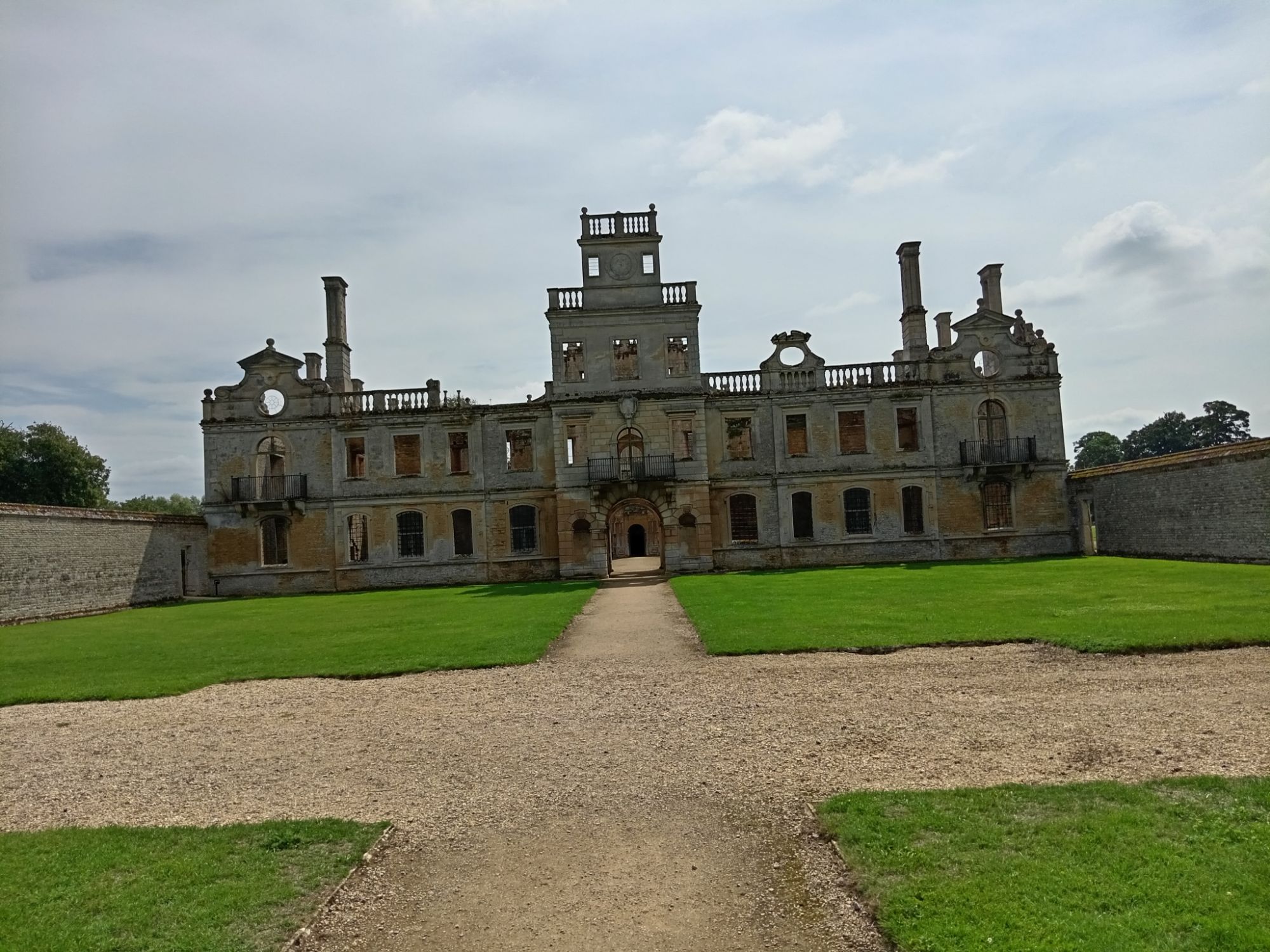
We visited on Thursday, July 31st, 2025 – on a beautiful Summer’s day – travelling from Easton-on-the-Hill – where we are staying. As English Heritage members, we can take ourselves and our children to ALL English Heritage sites and gain access “free of charge” This is excellent value – and we particularly like visiting the home of Charles Darwin – not far from where we live in Sutton. Within the grounds of Kirby Hall are a number of breeding pairs of free-roaming Peacocks (and Peahens) and we were lucky enough to witness the two Peacock chicks that had just hatched (within the last two weeks). The grounds of Kirby Hall are impressive and extensive – with about one-fifth being renovated to something like what it used to look like during its hay-day. When we look at ruins, we understandably think that our immediate ancestors were irredeemably primitive – but this is not the case. A fully functioning Kirby Hall from 1570 was remarkably “modern” in structure and design – even if it lacked all the conveniences we take for granted today.


Technically speaking, the address of Kirby Hall (a 16th century home of the nobility) is 2 Kirby Lane, Deene, Gretton, Corby NN17 3EN. We have visited the place of Gretton around 15-years ago – in search of the graves of Wyles family members. This building reminded us in structure of Hampton Court (not far from where we live in London) – and Berry Pomeroy in Totnes, South Devon (not far from where my parents live). This is not surprising, as I believe from reading the available “English Heritage” literature that the same architects and engineers were used by the Court of Queen Elizabeth I and the nobility that served her. The front of the Hall faces North – with the back of house facing South (built on a North-South orientation). Local serfs (landless or homeless peasants) and peasants (land-occupying peasants) were employed by the nobility when large-scale building projects were initiated. Indeed, with the development of Guilds (primitive unions) – certain groups of peasants became highly skilled in specific construction and maintenance skills. Whether any such labour was employed from nearly Kirby Village, (situated to the South-West of what became the ornate rear garden of the complex), is open to debate.

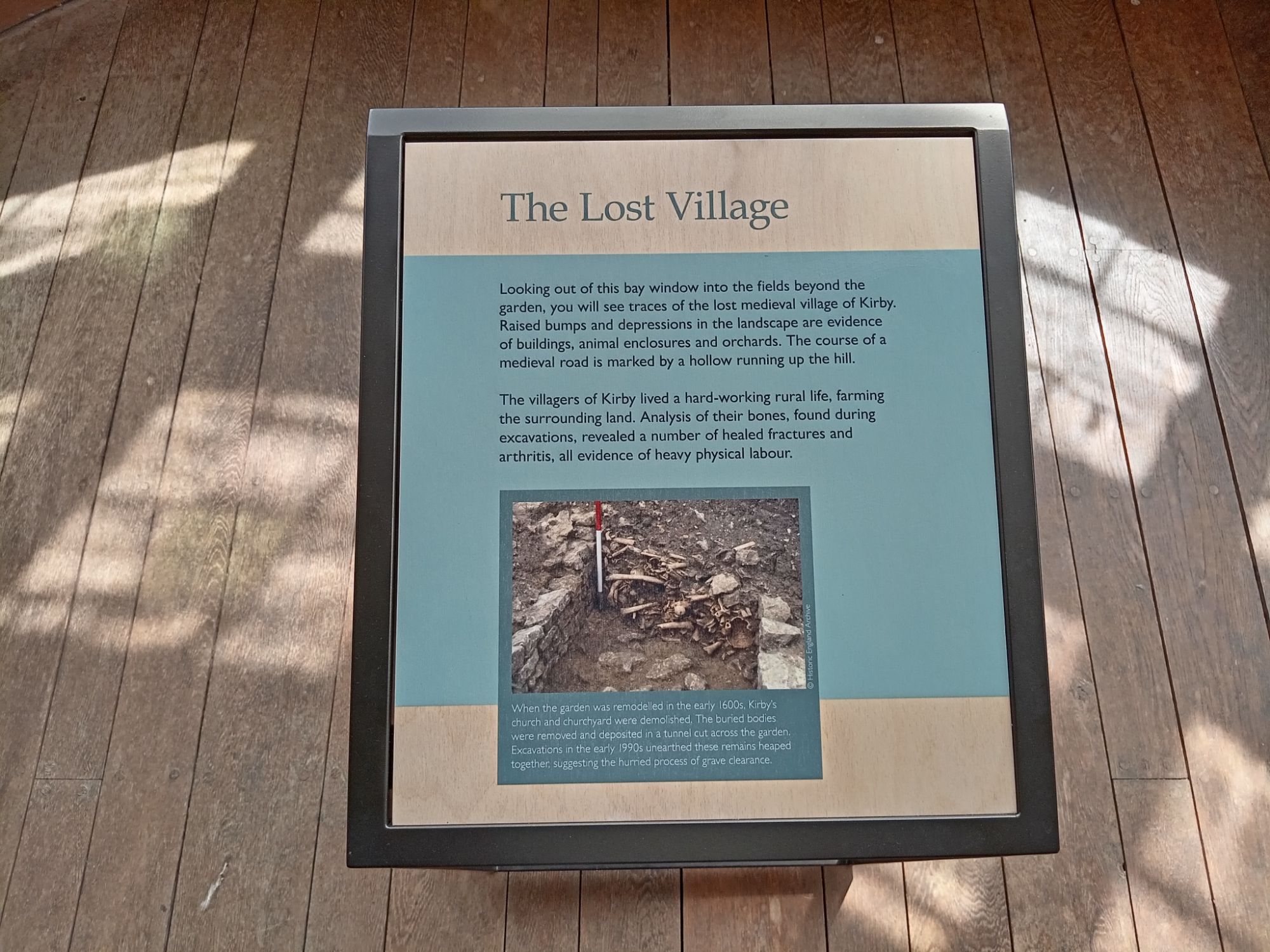
This medieval village (mentioned in 1086) seems to have been small, consisting of a Church, around ten houses, and a manor house (indeed, Kirby Hall, at least in part, was built on the site of the old manor house). It seems that between 1570-1587 – the owners of Kirby Hall took it upon themselves to depopulate the village and remove its buildings – extending the Southward moving boundaries of the garden (the garden ran down the West side of the hall and out toward the South-West). I found it interesting that the Servant’s Entrance to Kirby Hall is situated at the back (South-East) corner of the building – effectiveky bypassing the garden whilst facing the location of the village – the main street of which seems to have run North-West to South-East with other buildings scattered around this central point (villagers could have entered and left the Servant’s Entrance without trespassing on the garden proper). Perhaps for the 17-years the village was permitted to still exist, some of its able-bodied workers (at least ten seem to have existed at anyone time) did work in Kirby Hall – this would have included both men and women. The village may have originated as the daughter-hamlet of Deene and was perhaps, as its name suggests, taken over by Scandinavian settlers.
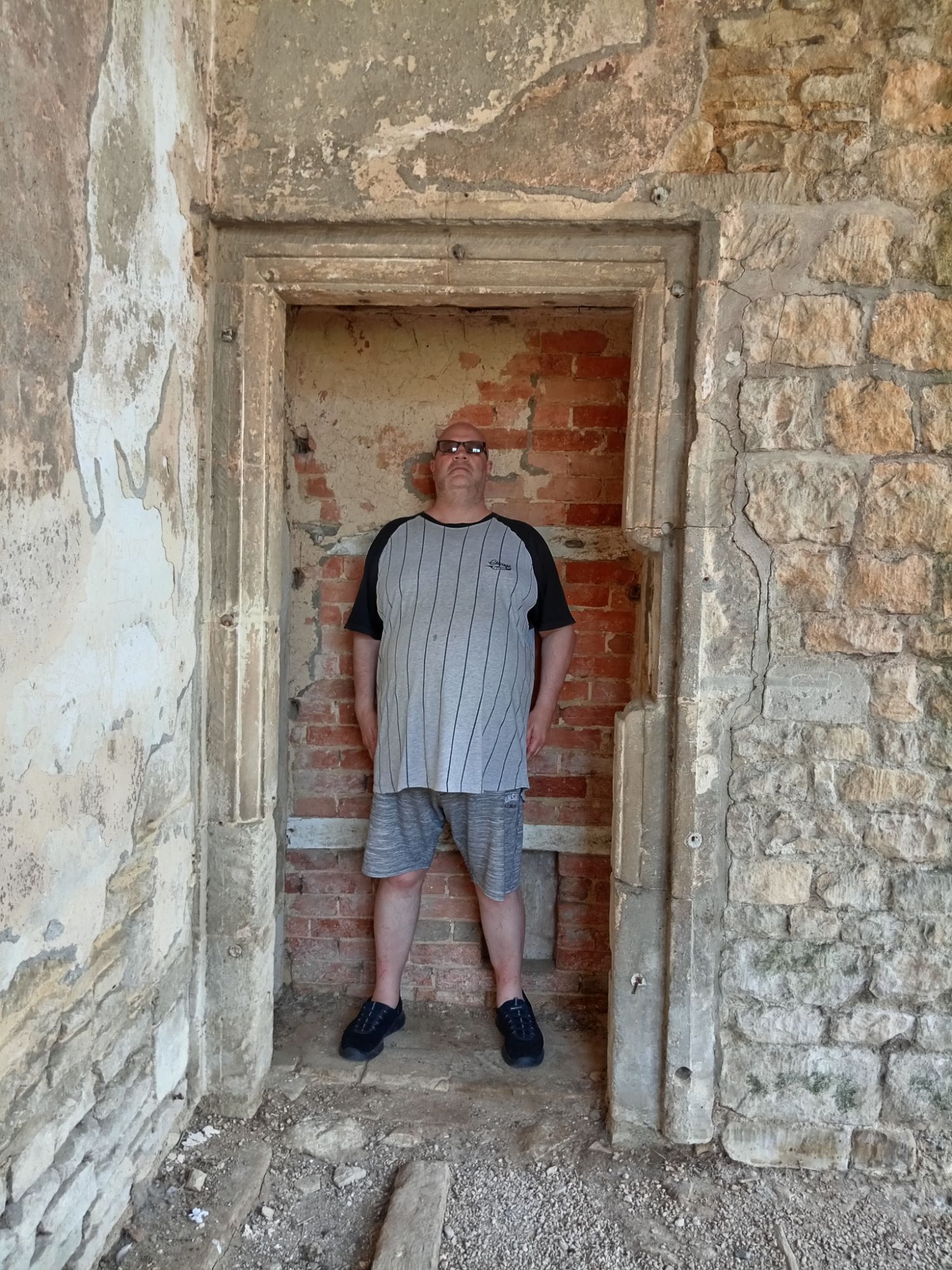
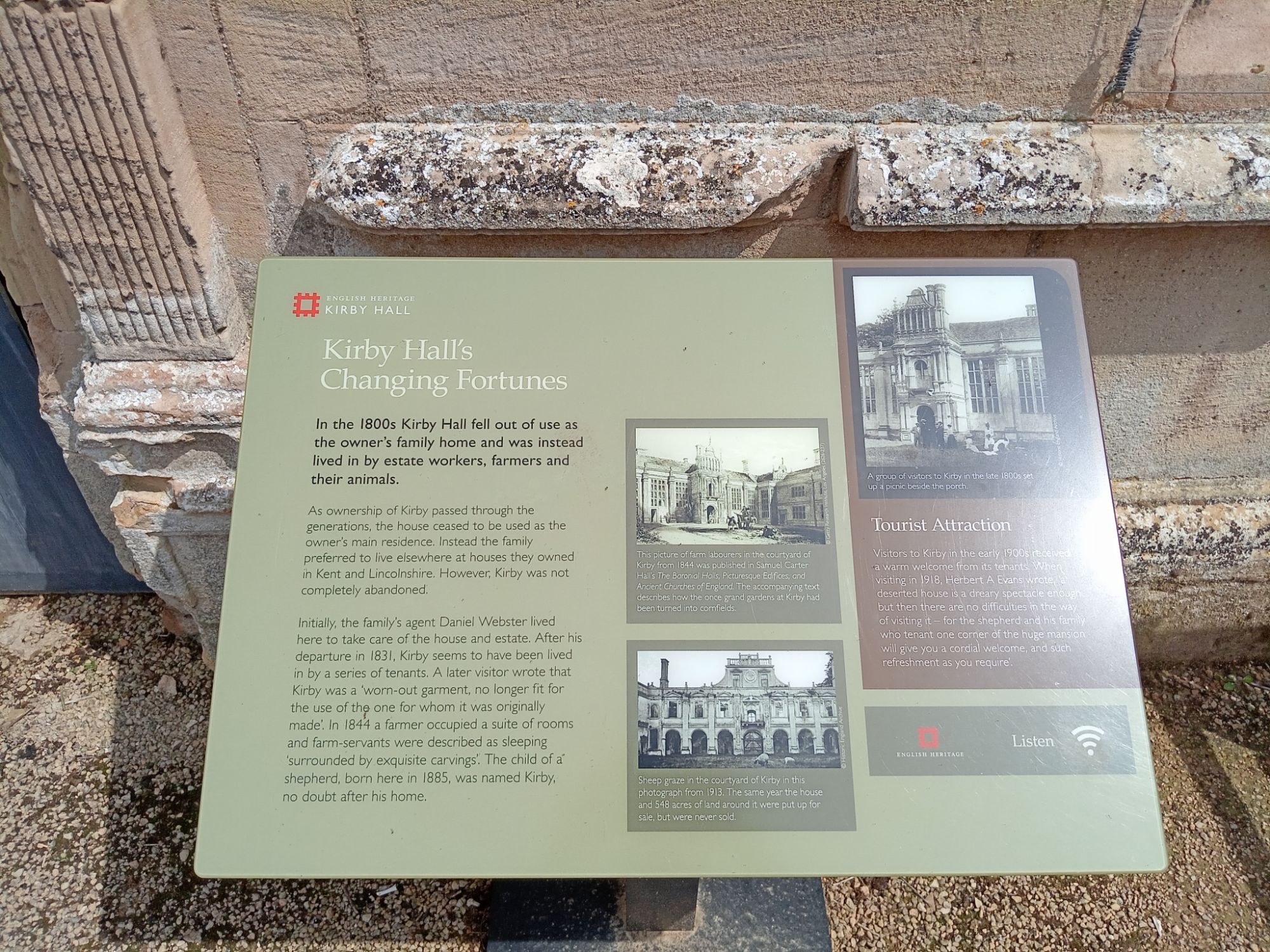
Kirby Hall was built in 1570 for Sir Humphrey Stafford of Blatherwick – and passed through the hands of a number of different noble families (also becoming embroiled in the late 1500s is a pro-Catholic conspiracy). During 1780, the interior was stripped-out with the intention of renovating the place, but the then owning family built a house elsewhere – and moved to it – effectively losing interest and abandoning Kirby Hall. It was completely derelict by 1880s (eventually, local farmers even grazed their sheep on the grass growing in the interior). Interestingly, Kirby Hall was built in 1570 for Sir Humphrey Stafford of Blatherwick (in the French-style) – the Lord Chancellor to Queen Elizabeth I. Anne of Denmark stayed at Kirby on August 9th 1605 while her husband – King James I – stayed at nearby Rockingham Castle. James I, however, stayed nine times at Kirby Hall between 1608–1624 – one time being during August 1616 – for three days. During a Royal Progress – Esmé Stewart – 3rd Duke of Lennox died at Kirby of the “spotted ague” on July 30th 1624. Ironically, it is thought that Queen Elizabeth I did not visit or stay at Kirby Hall – although there are unproven local rumours that she may have done. The fact that the building was not granted the status of a “Castle” (as an official Royal Residence) probably suggests the Queen did not visit – which is surprising given the extent of the wealth and resources that went into designing and constructing the place.







 SANGHA KOMMUNE (SSR)