
King Henry VIII passed the Act of Supremacy in 1534 – which stated that the King of England was the highest authority in the land and that to suggest any other person (including the Pope in Rome) possessed this (or a superior status) was “Treason” punishable by death. This is how England broke from the Vatican in Rome and expelled the Roman Catholic Church and all its ideas, opinions, and practices. For a time, English Christians (including King Henry) referred to themselves as non-Roman “Catholics” – practicing an early form of “Protestantism” – a movement rebelling against Rome which developed in Germany. The idea was that the Vatican practiced a mixture of Paganism mixed with Christianity – with the Protestants seeking to eradicate the Paganism and re-discover the “true” Christian teachings. This would lead to “Anglicanism” – a moderate re-interpretation of Christianity free of the Pope or his Catholic trappings.


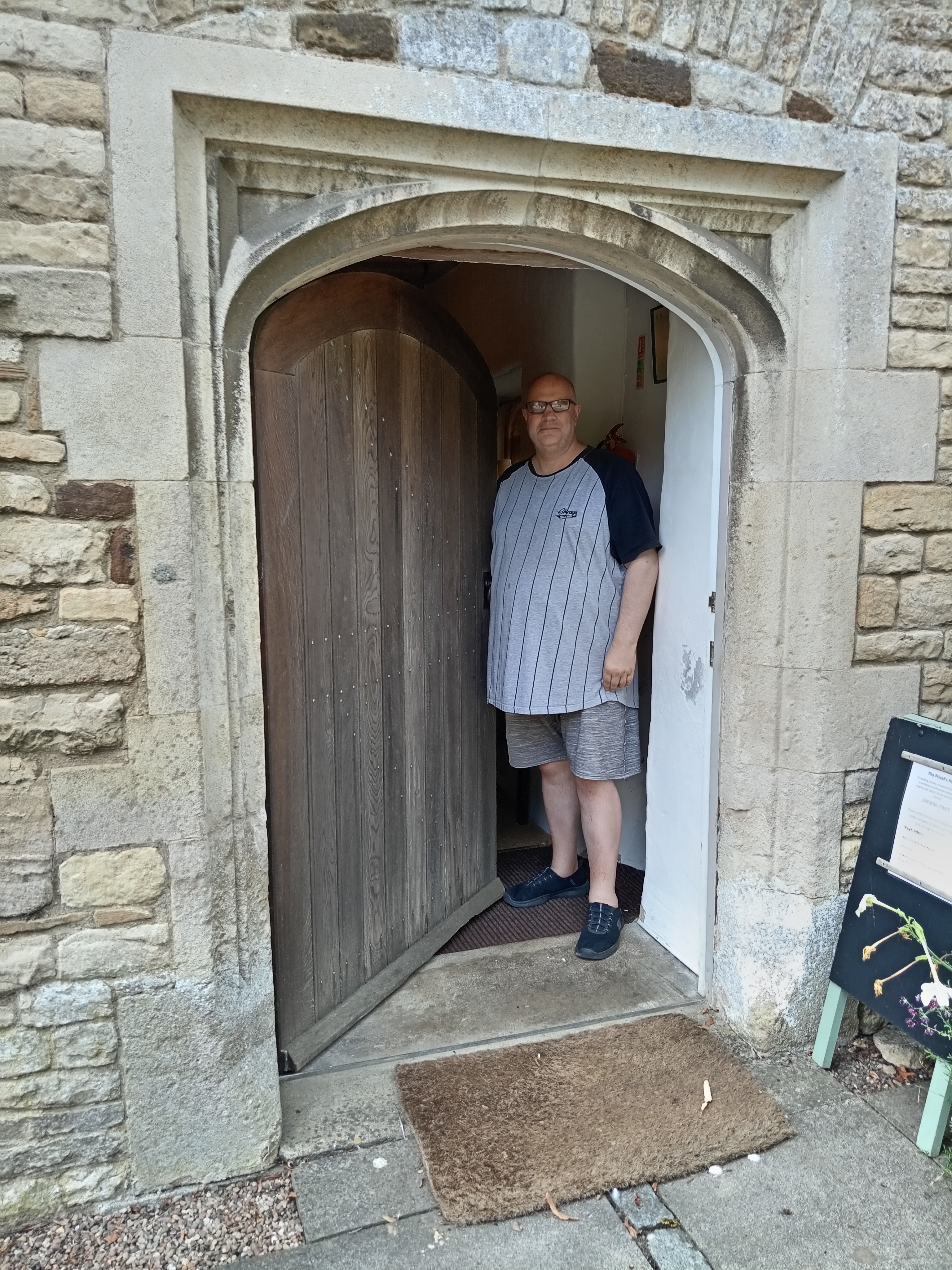
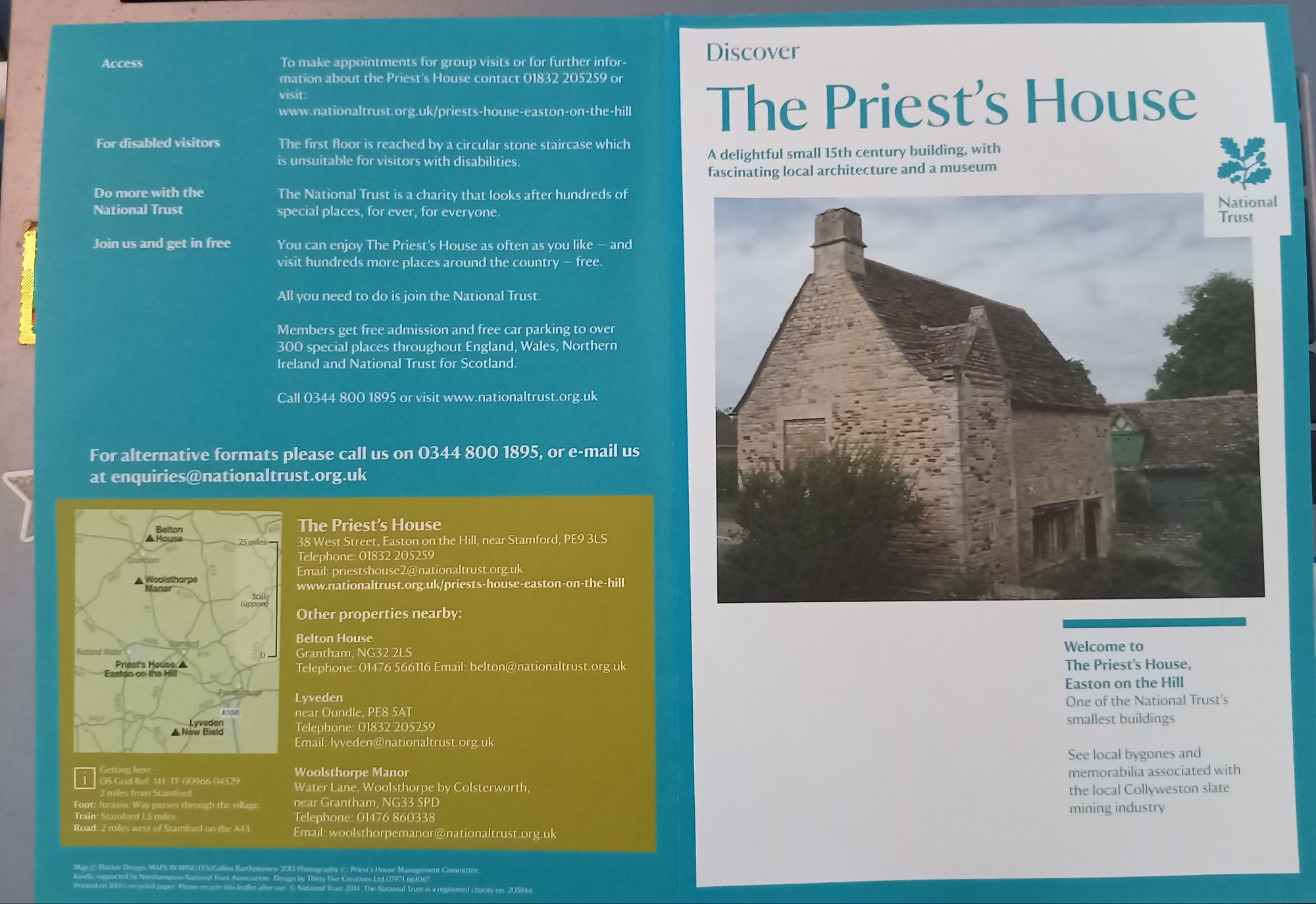
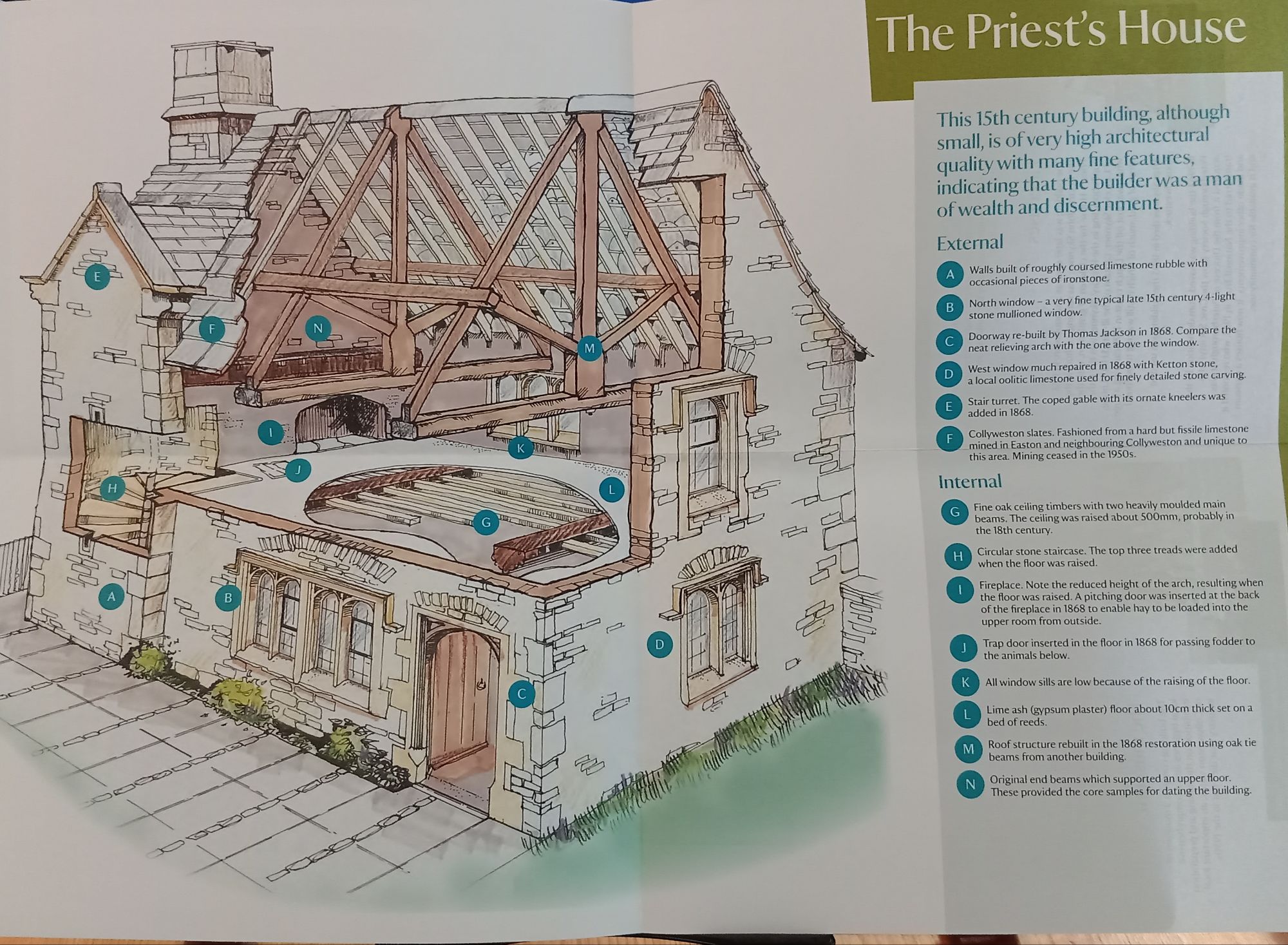
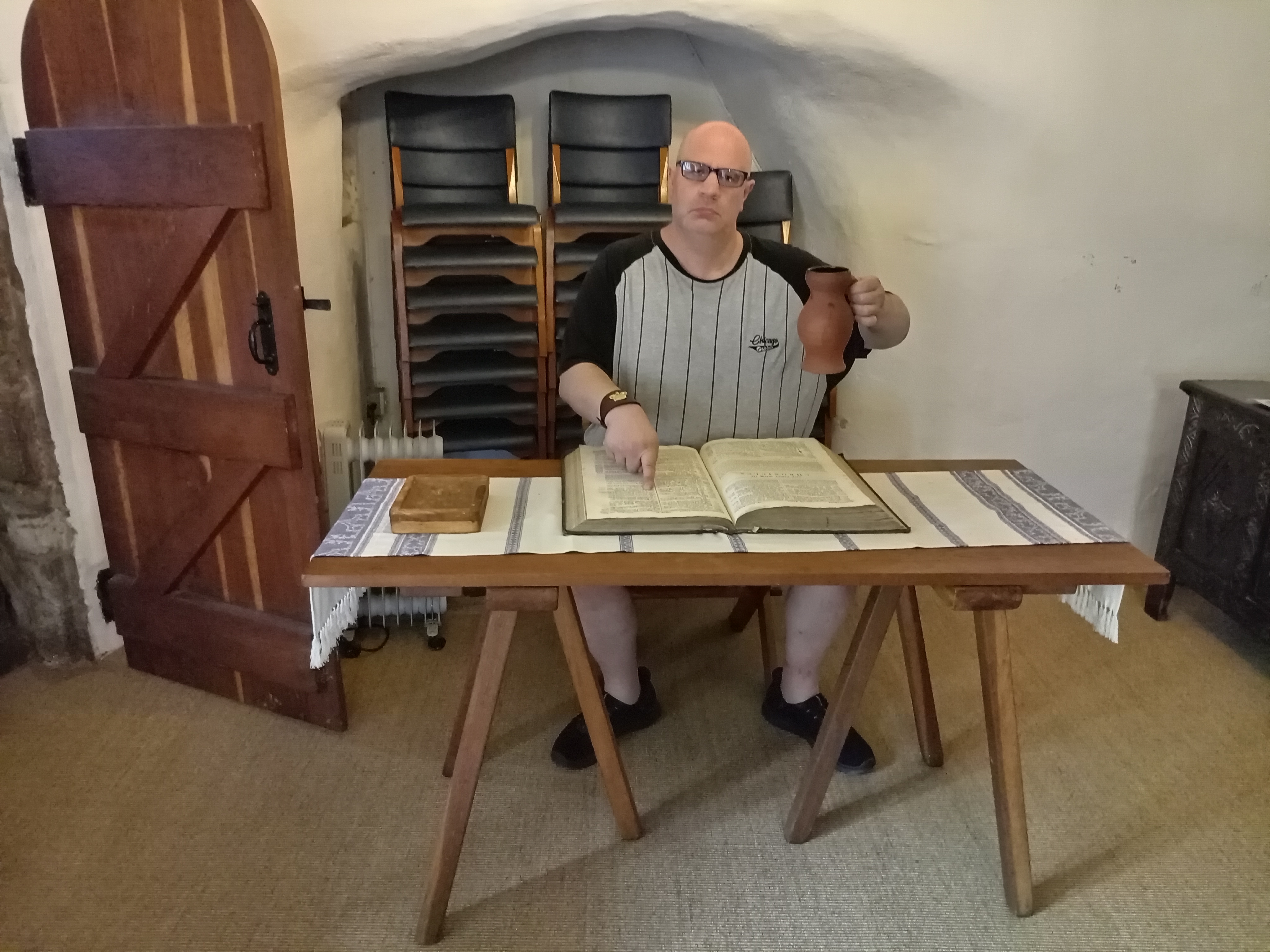
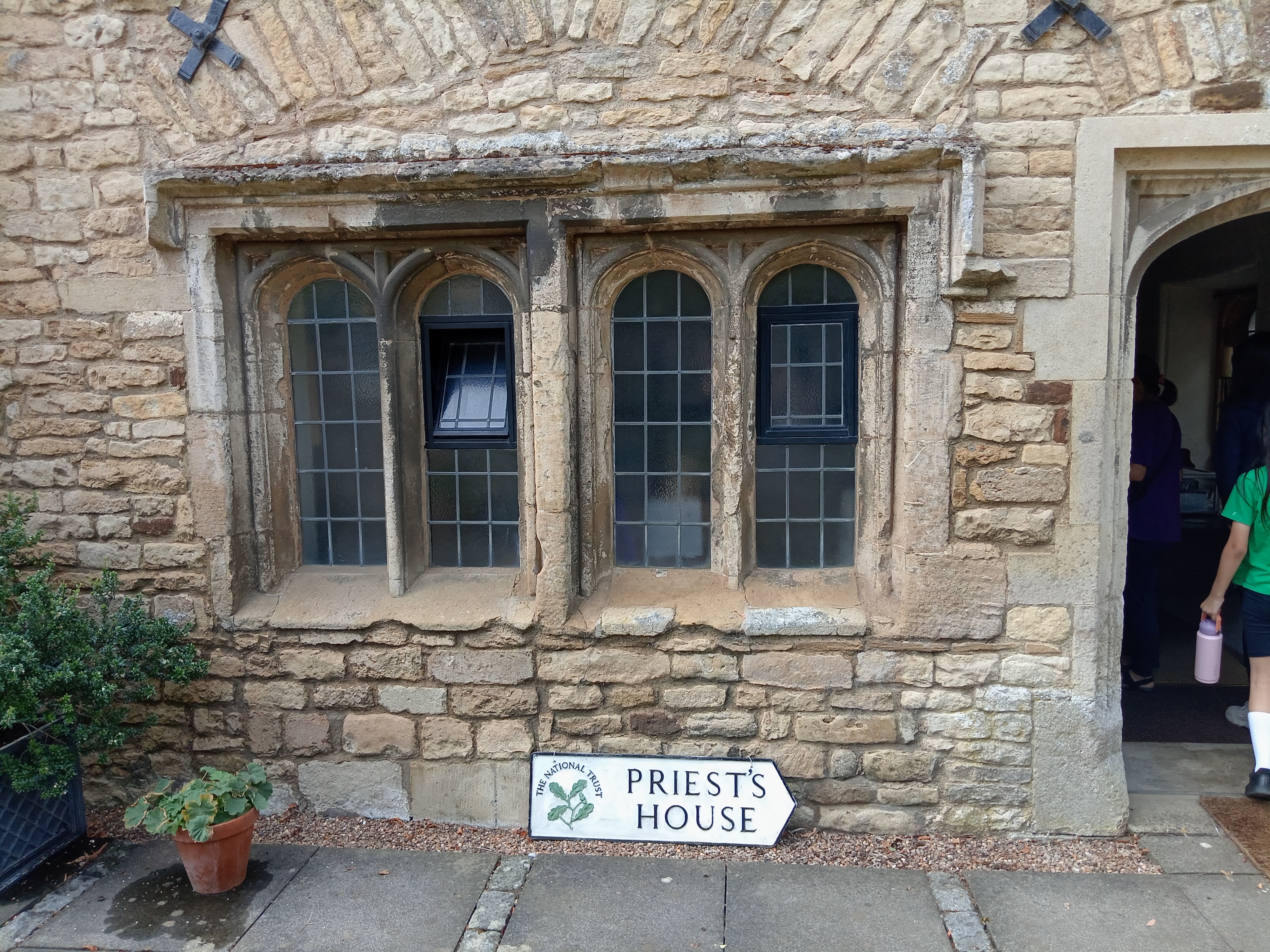
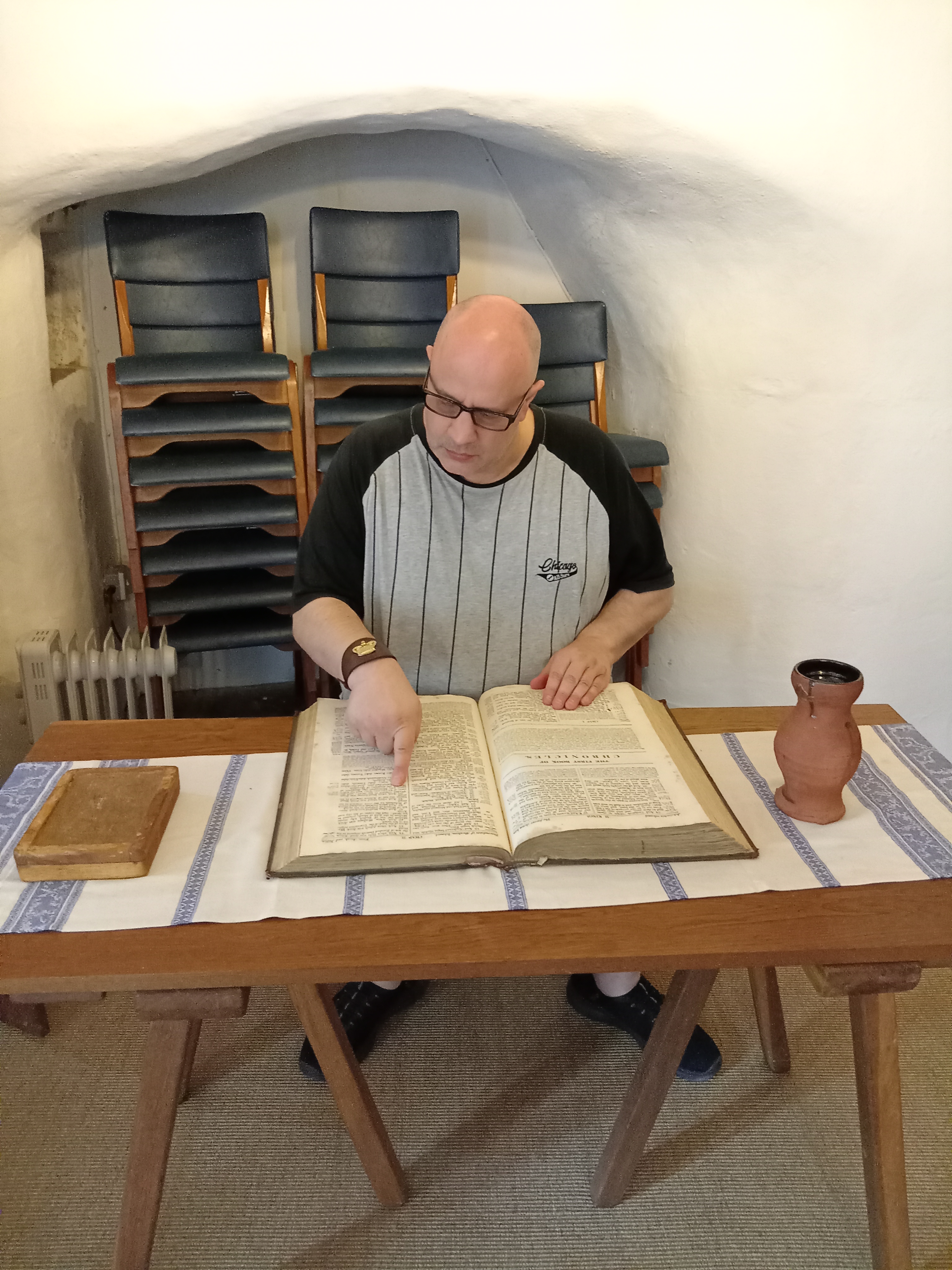
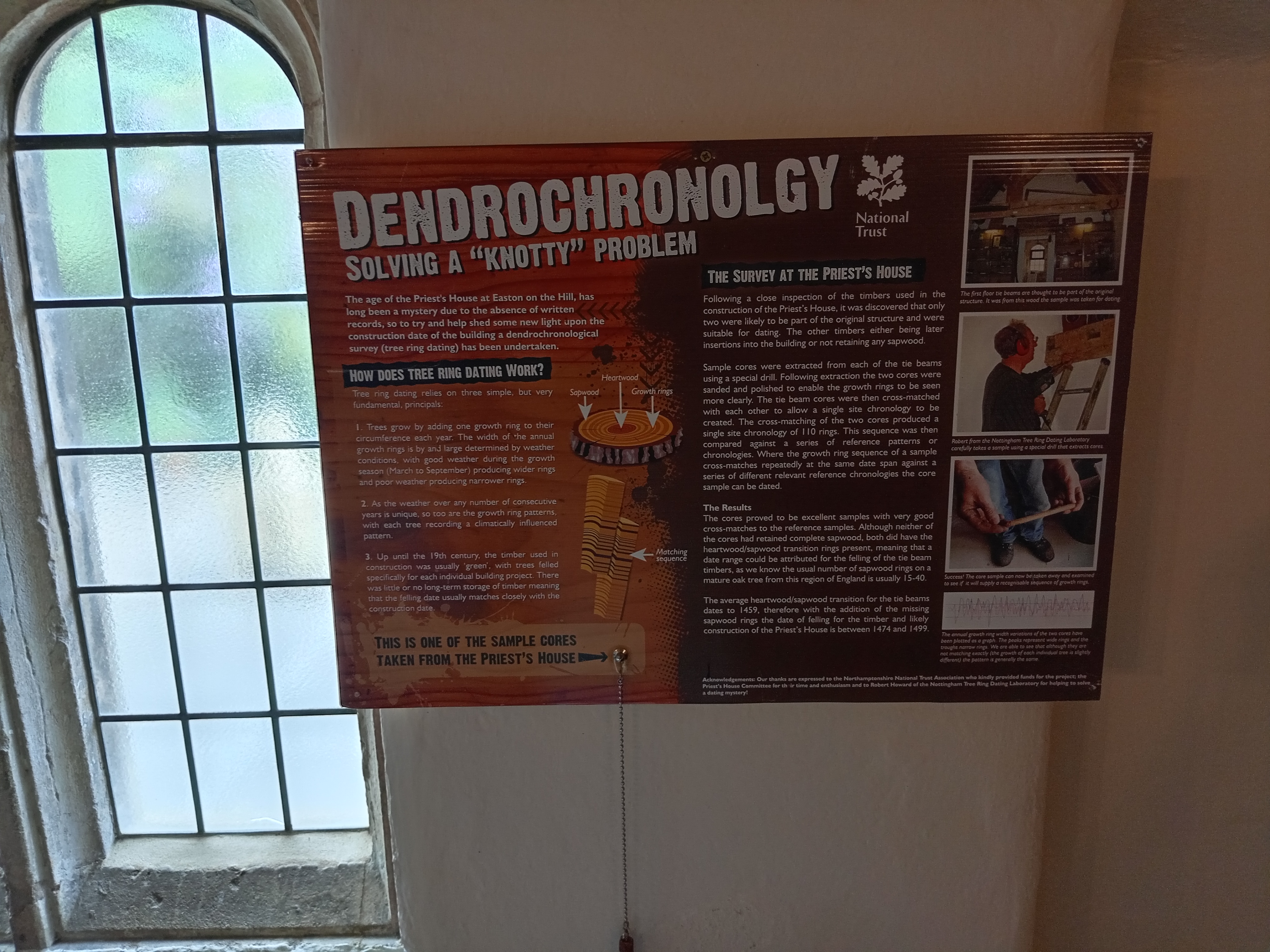
Between 1534-1539 – Henry VIII dissolved the monasteries – returning thousands upon thousands of Catholic monks and nuns to lay life or flee abroad to seek shelter in a foreign monastery. All the monastic property and wealth was seized – becoming the property of the Crown. The rich and well to do – to ensure a good after-life – would leave their property and wealth in England to the local monastery (the monastics would pray for their well being on a daily basis) and therefore continuously enrich Rome at England’s expense. Another option saw the rich leave money and property to local Priests. This would require a “Chantry” (a house where “chanting” occurs) to be built – furnished with special furniture and a unique Bible. The Priest would attend the Chantry on a daily basis and say prayers, read the Bible, and “Chant” Catholic attritions. Henry VIII outlawed this practice in 1544. This “Priest House” was built in the late 1400s and served its original purpose until the change in the law. It then went on to have a unique and colourful history.


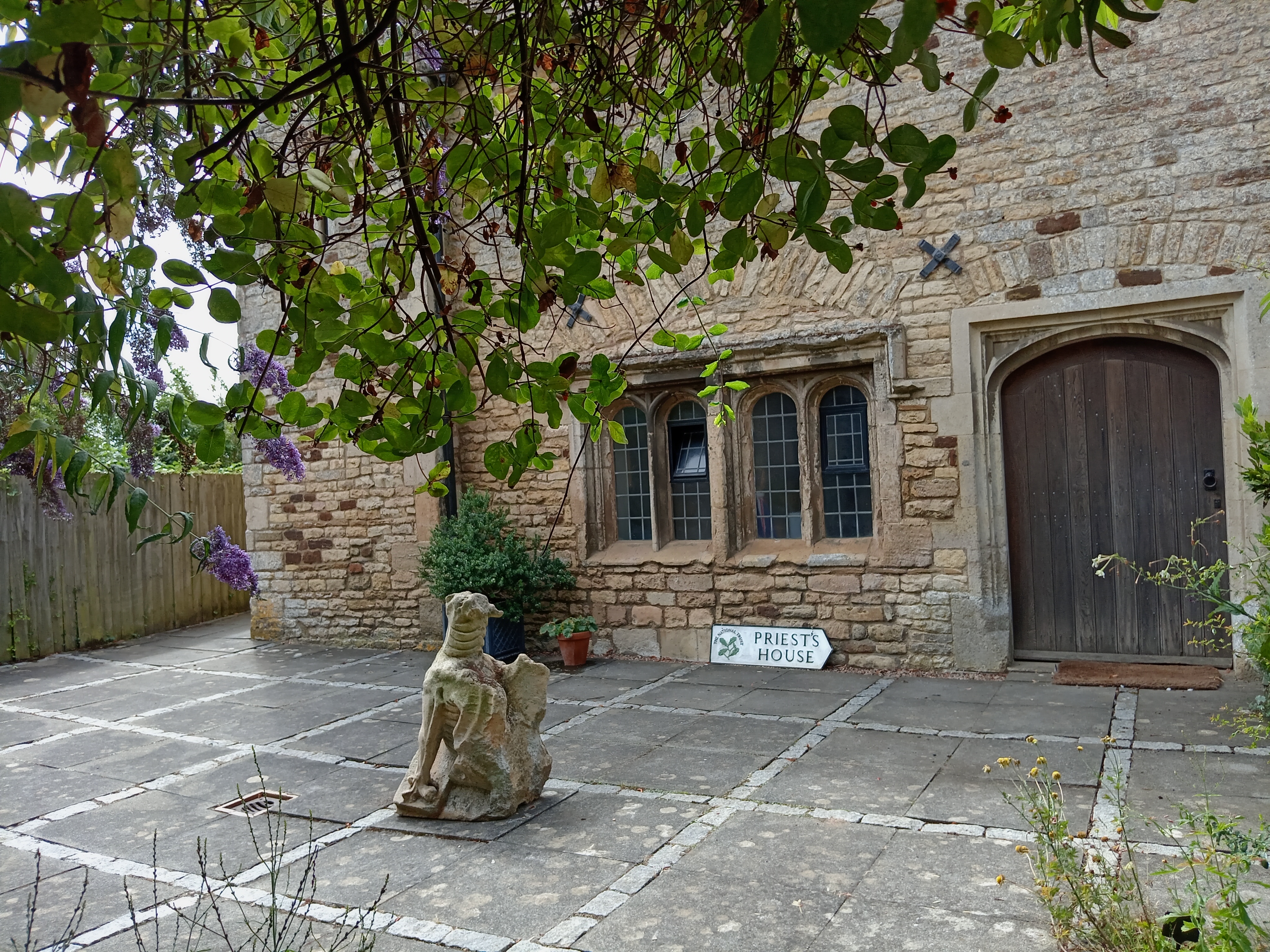
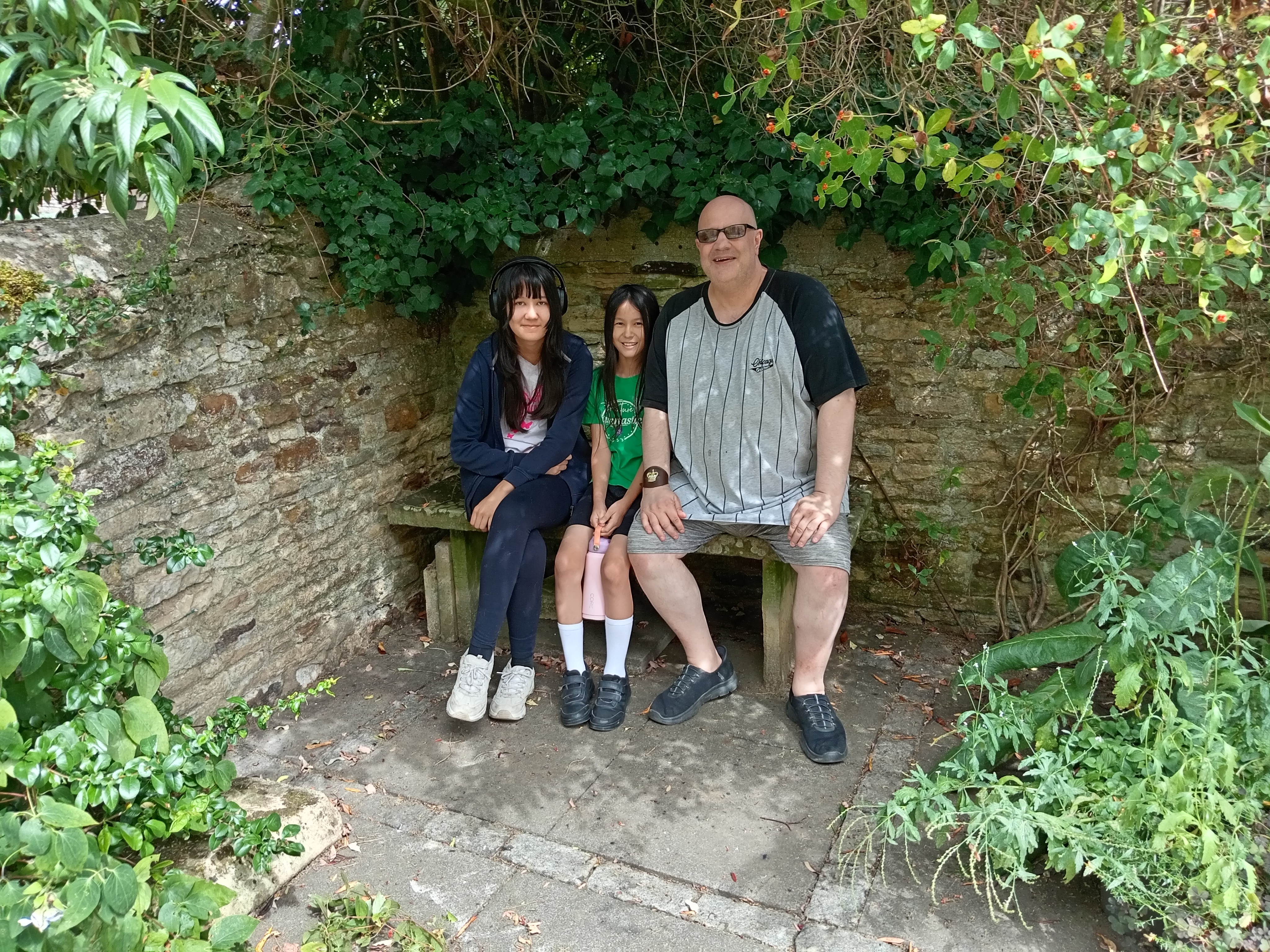

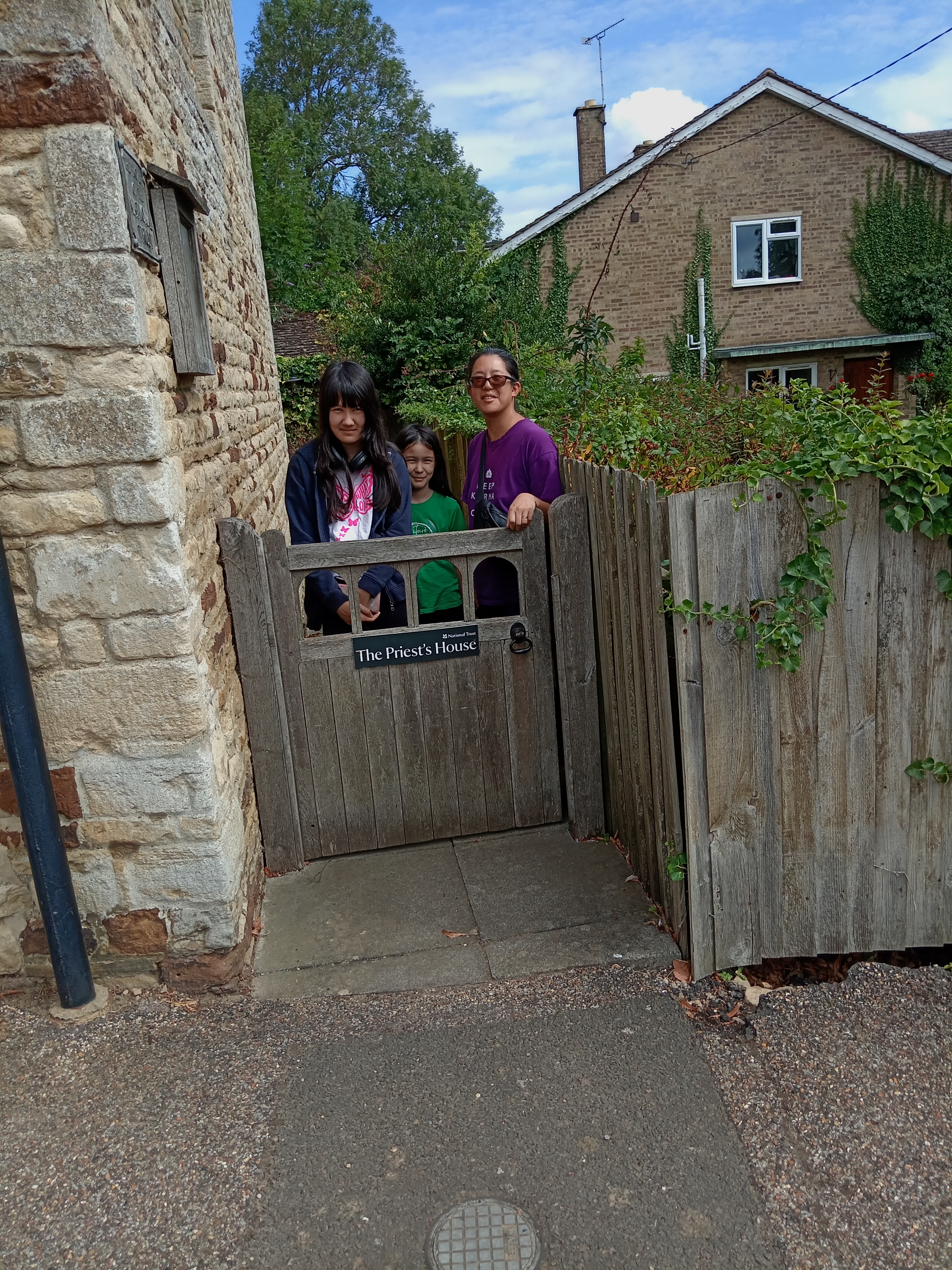
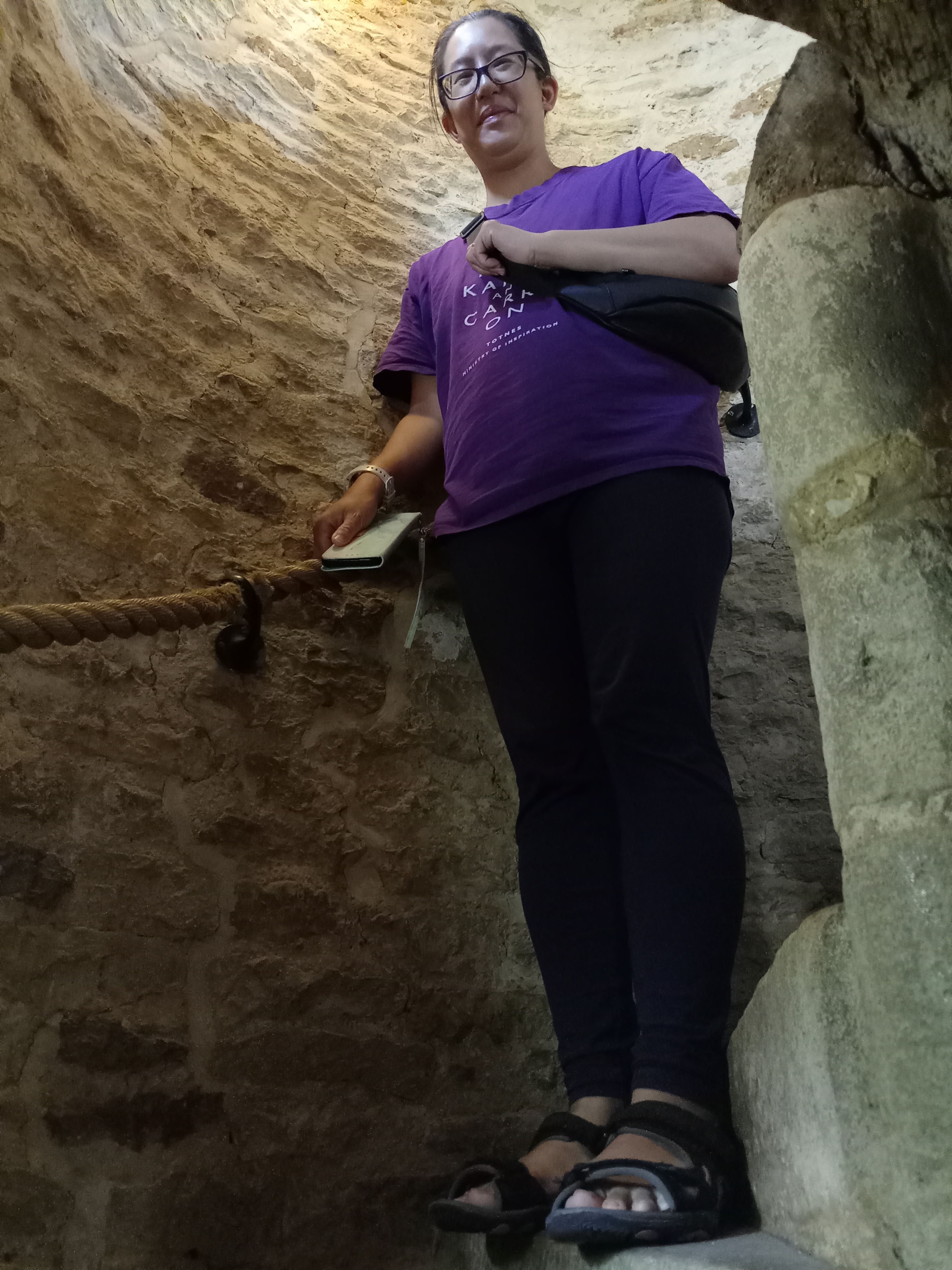
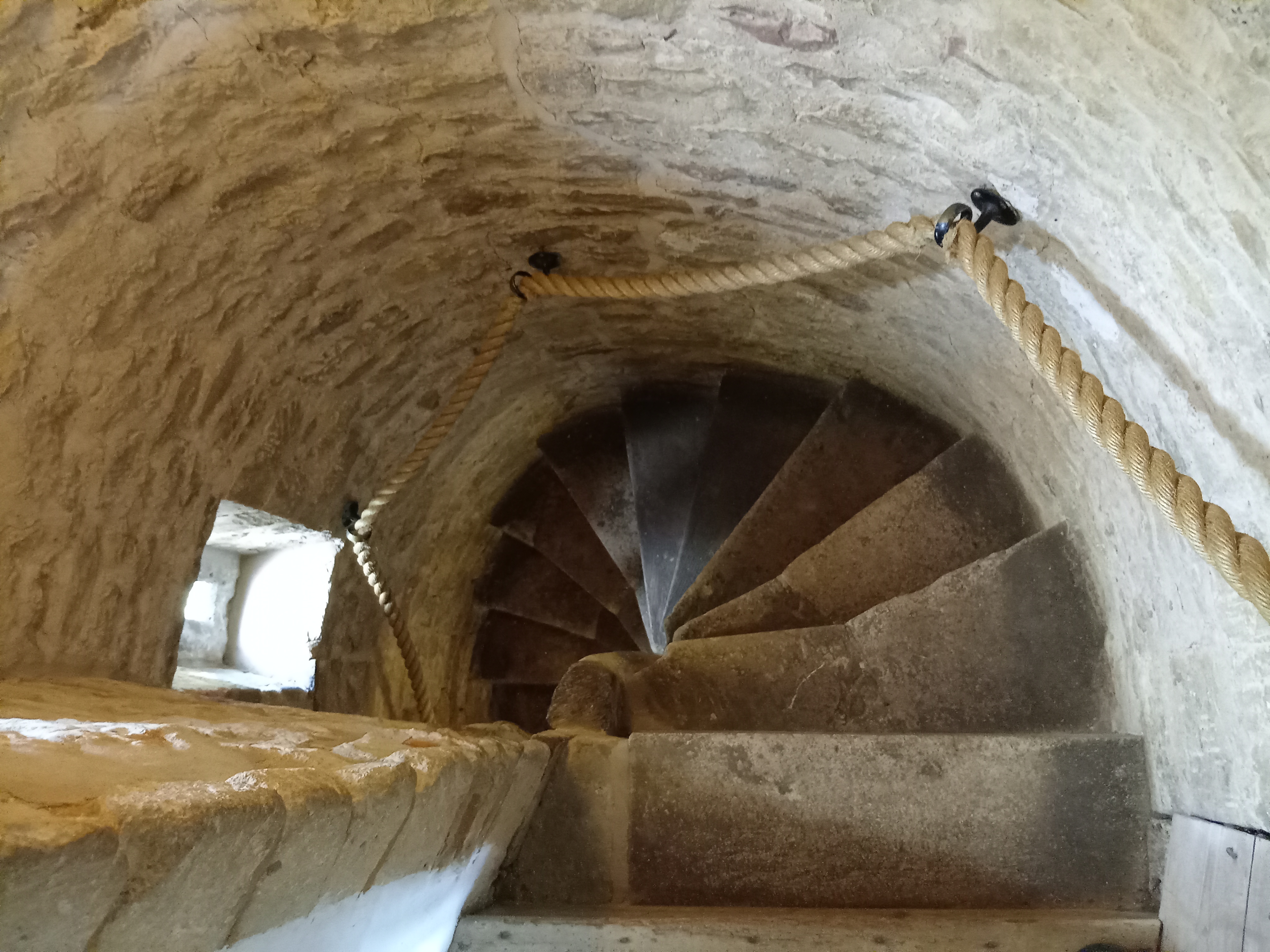
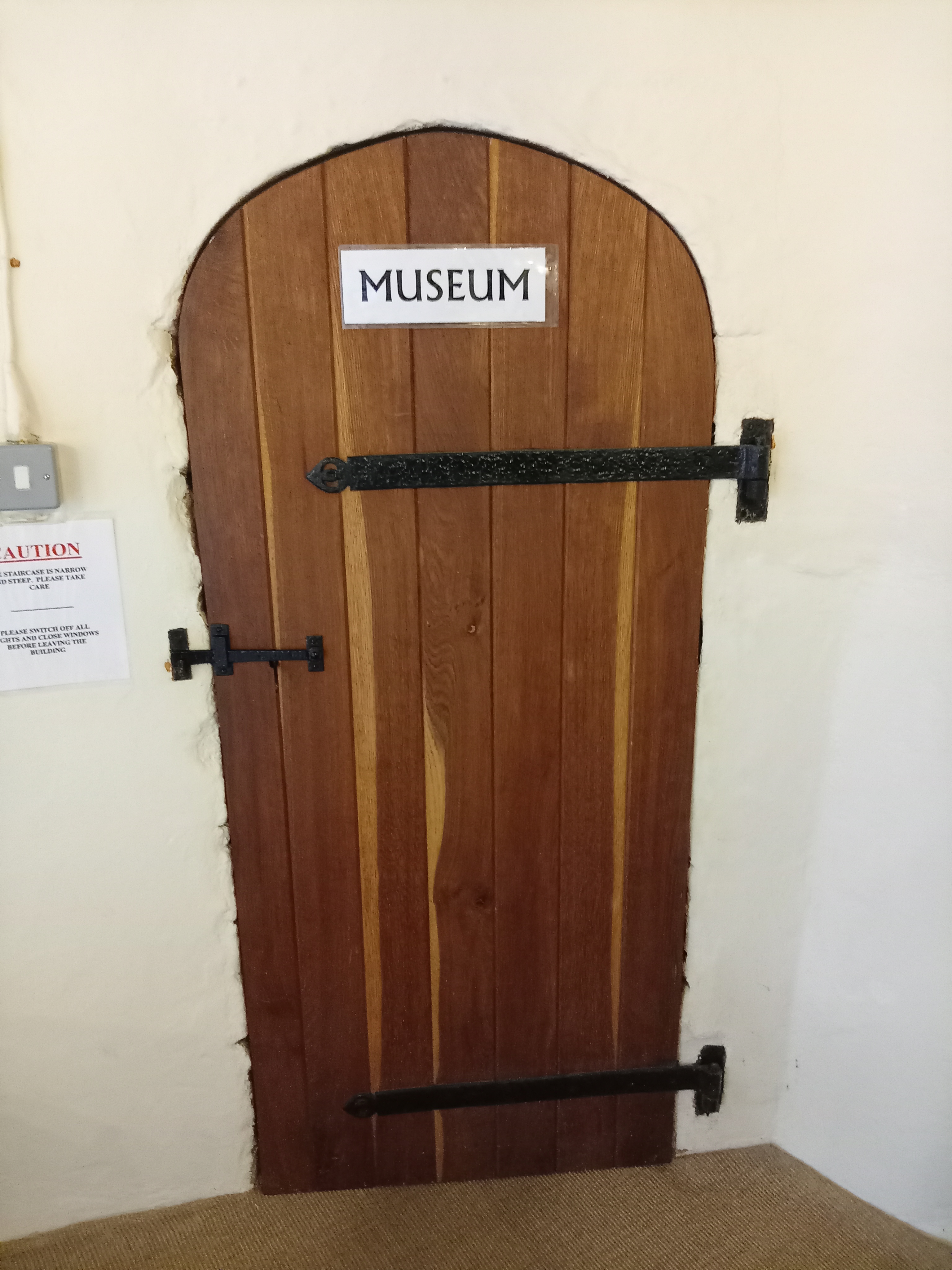
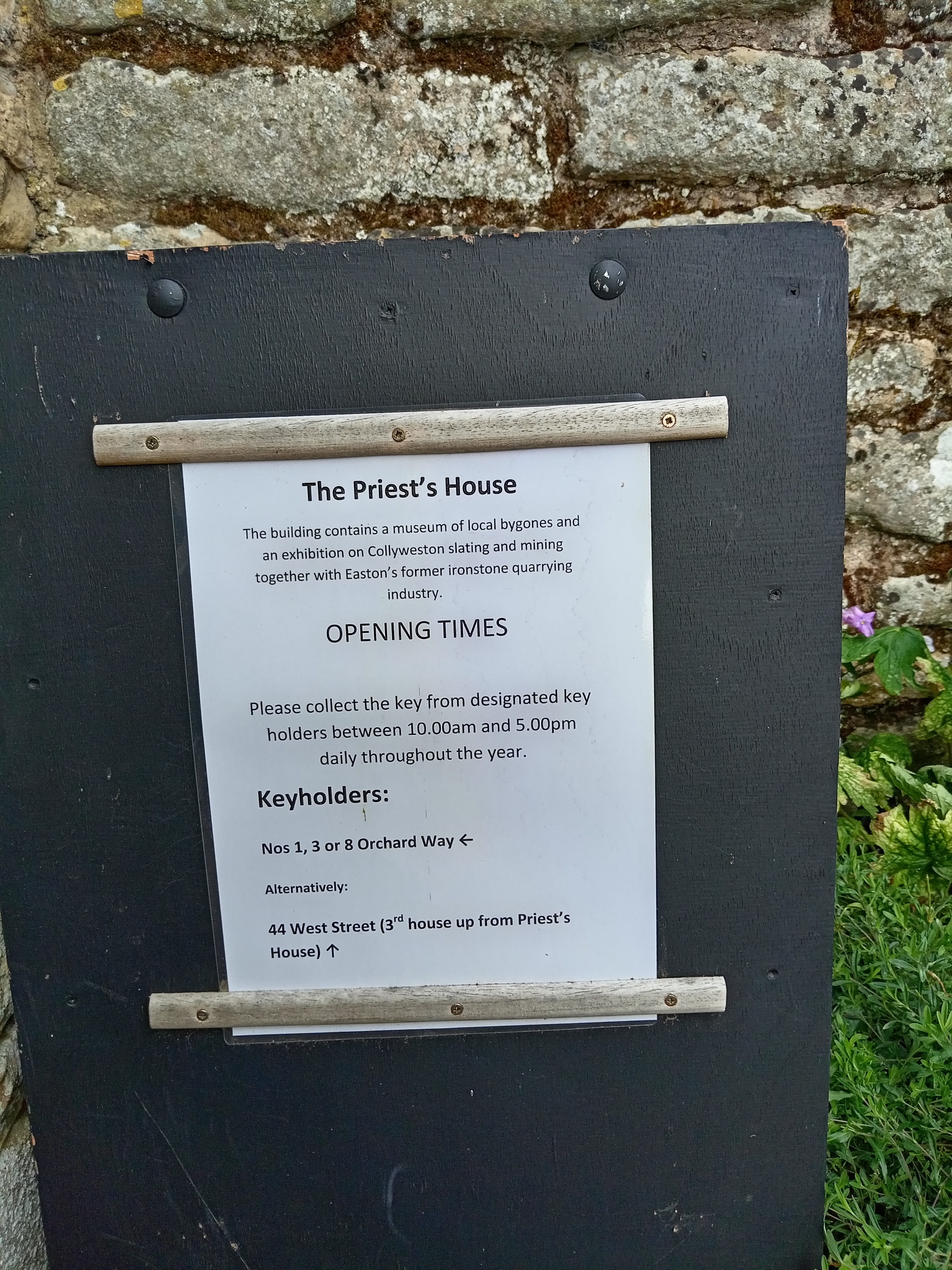
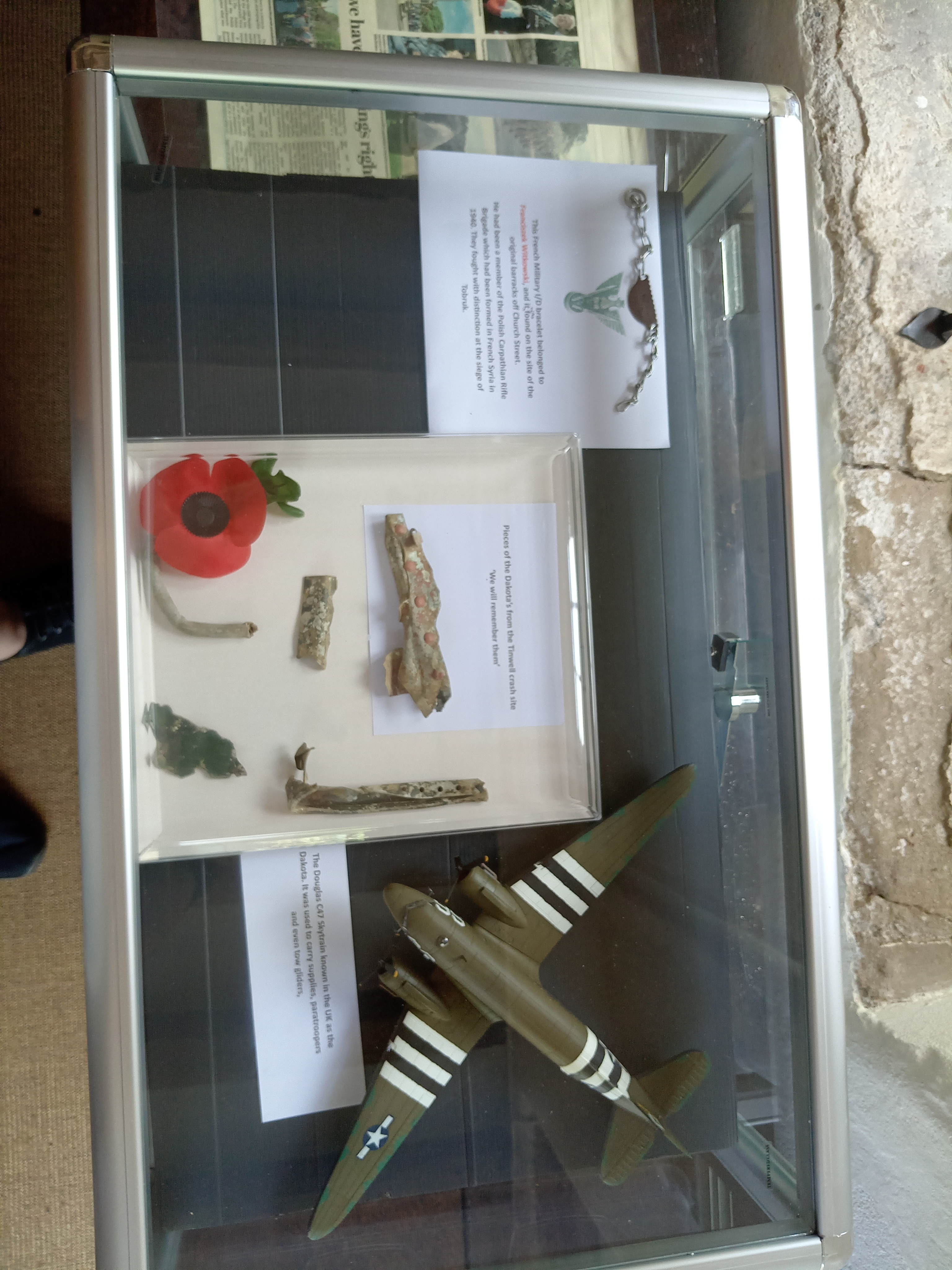
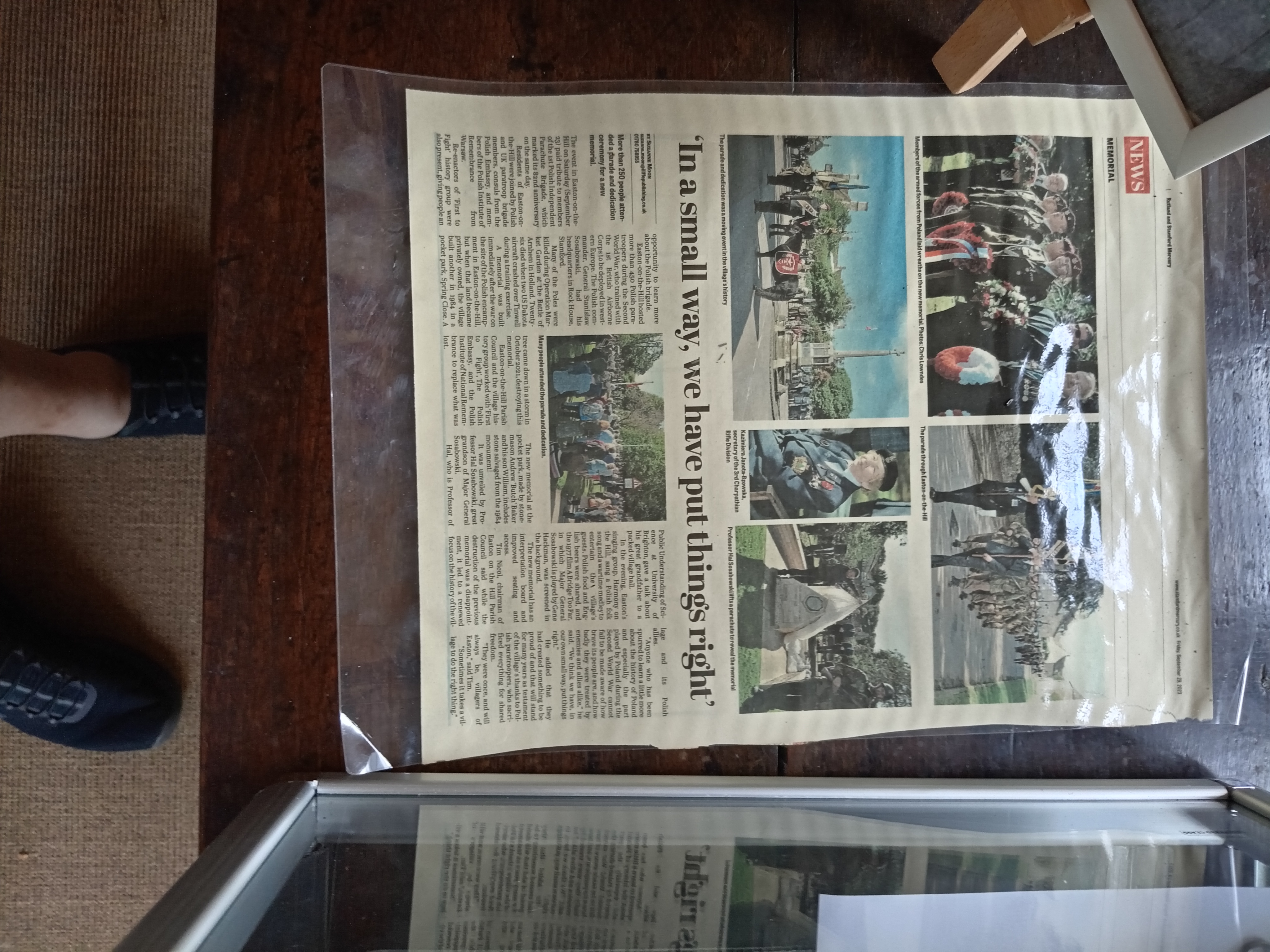
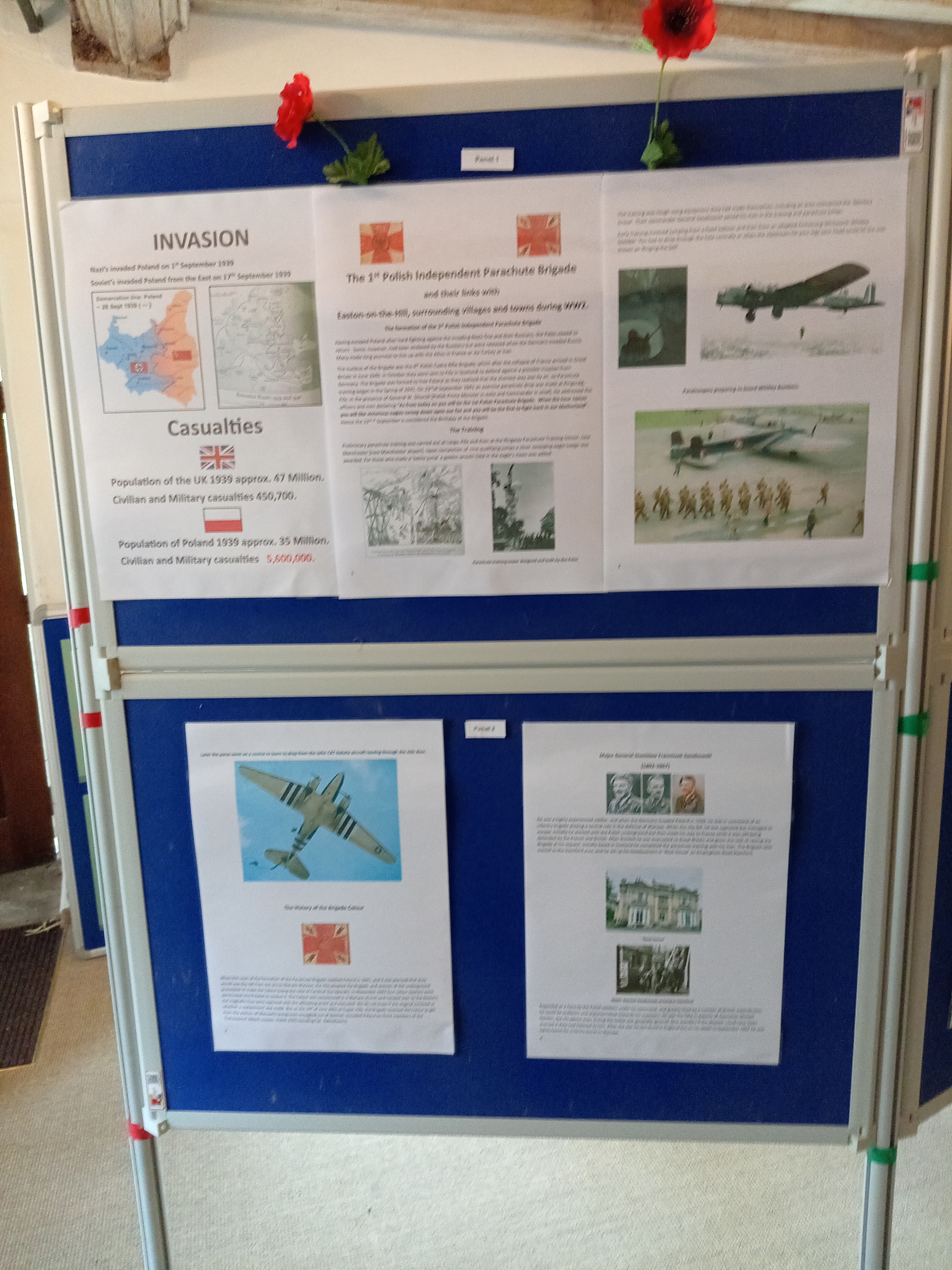
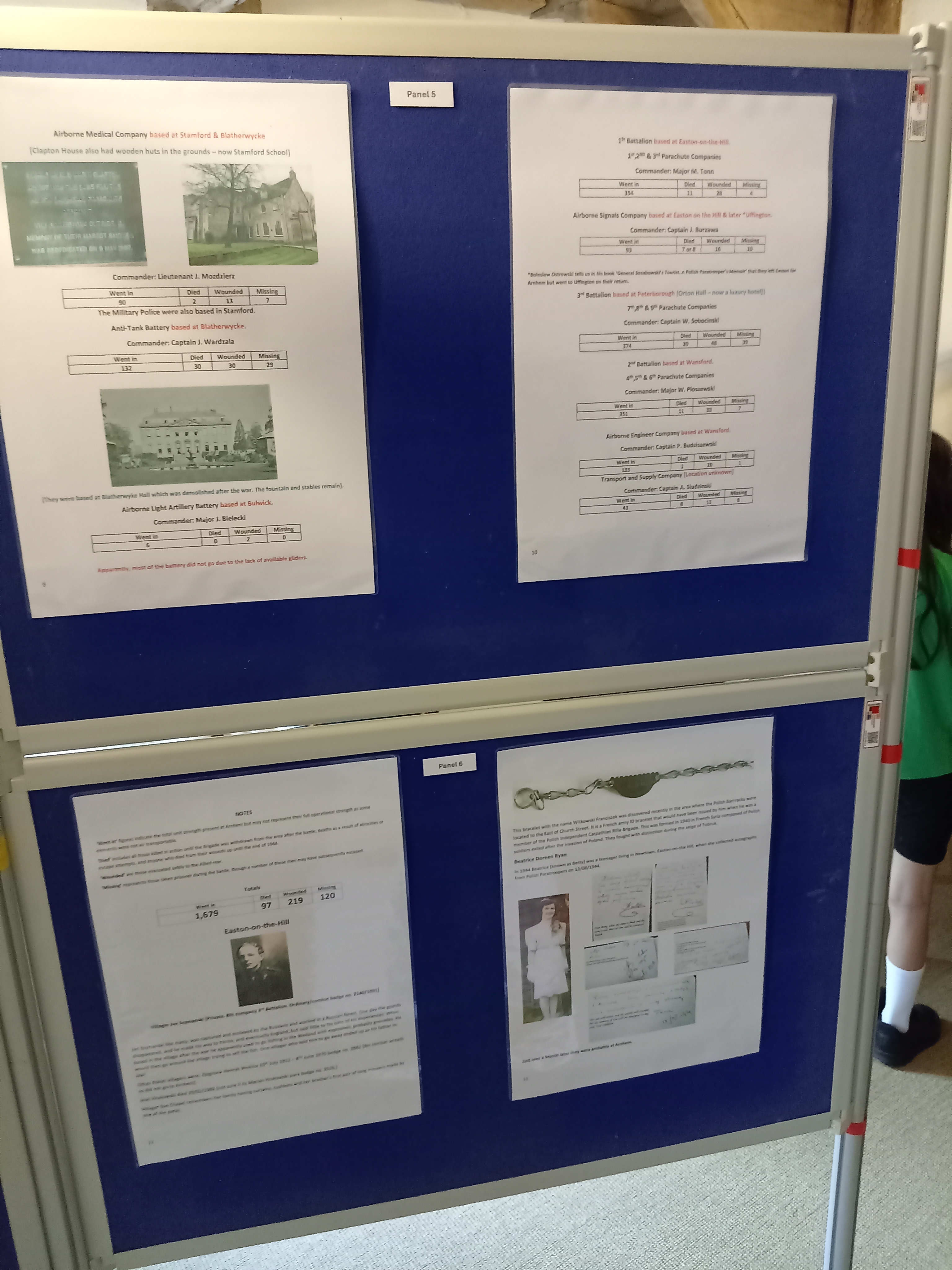
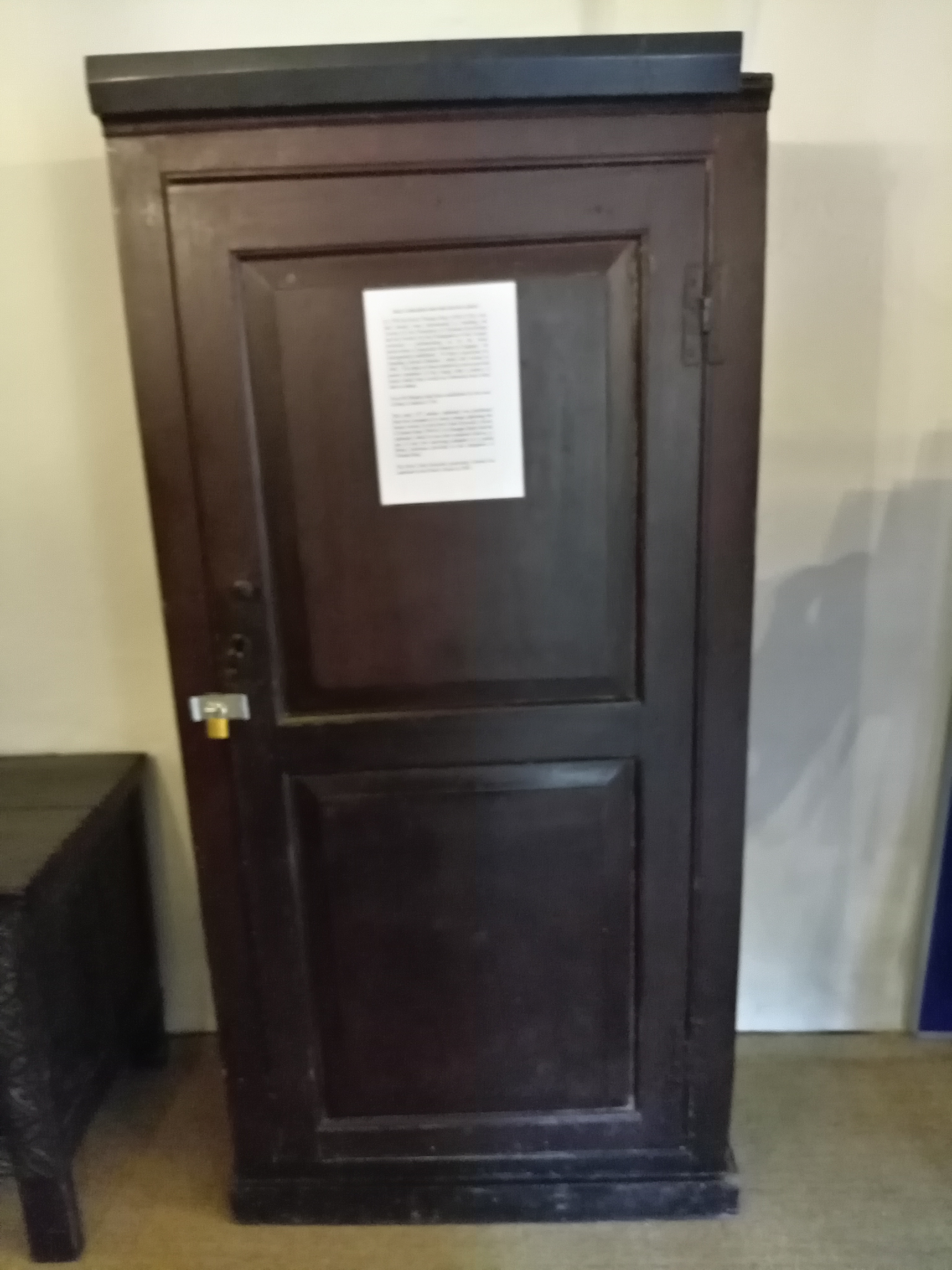
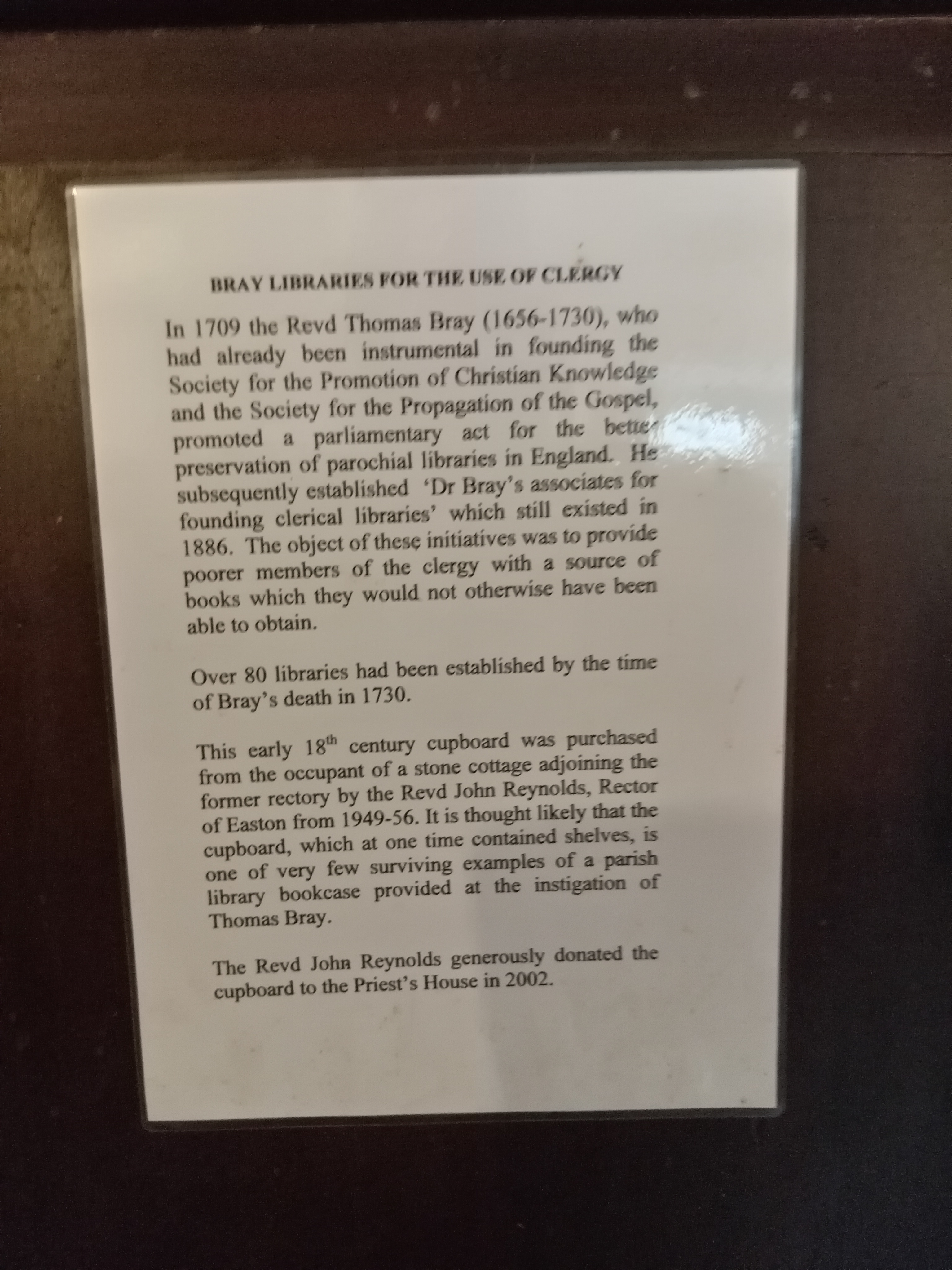
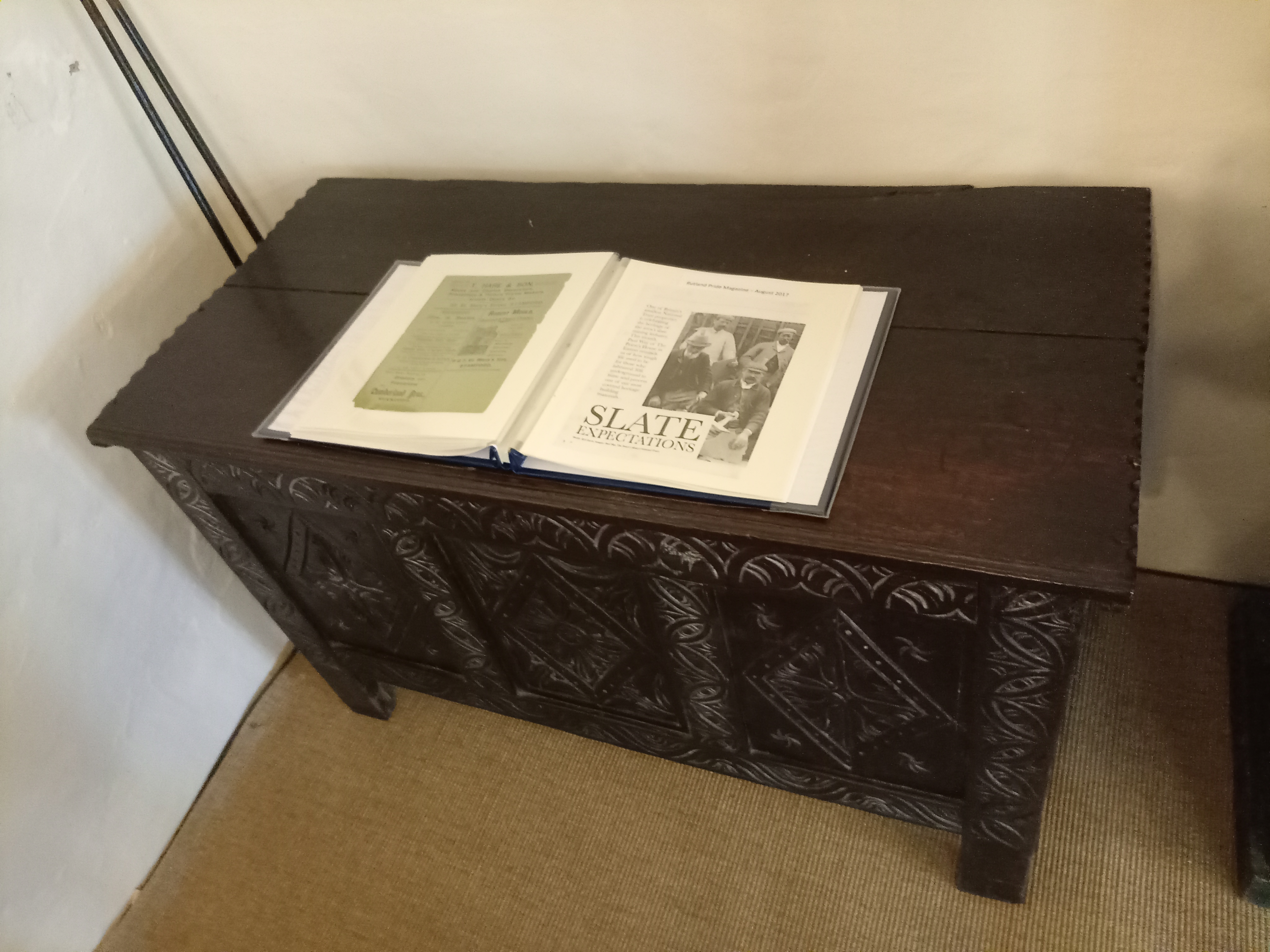
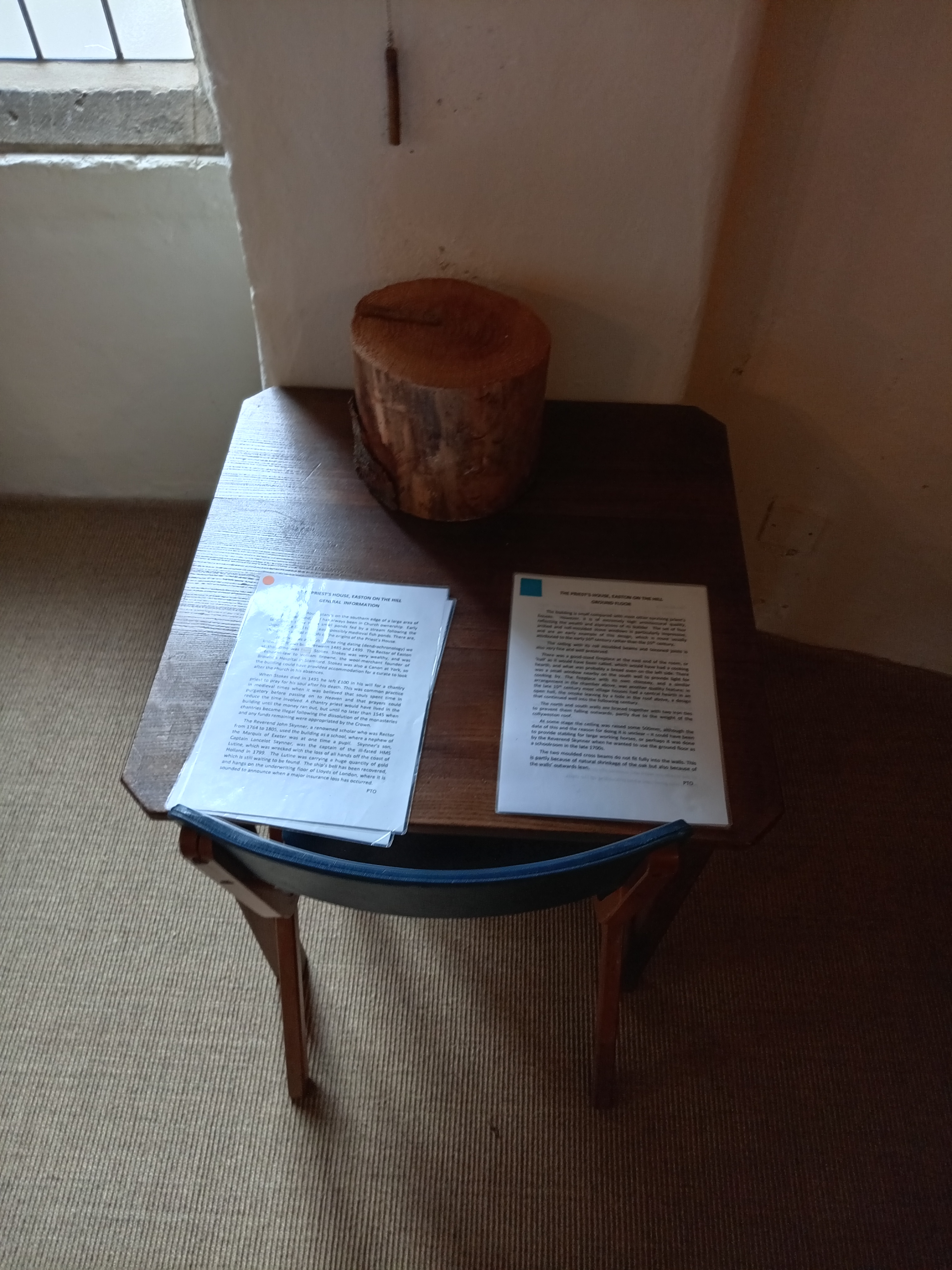
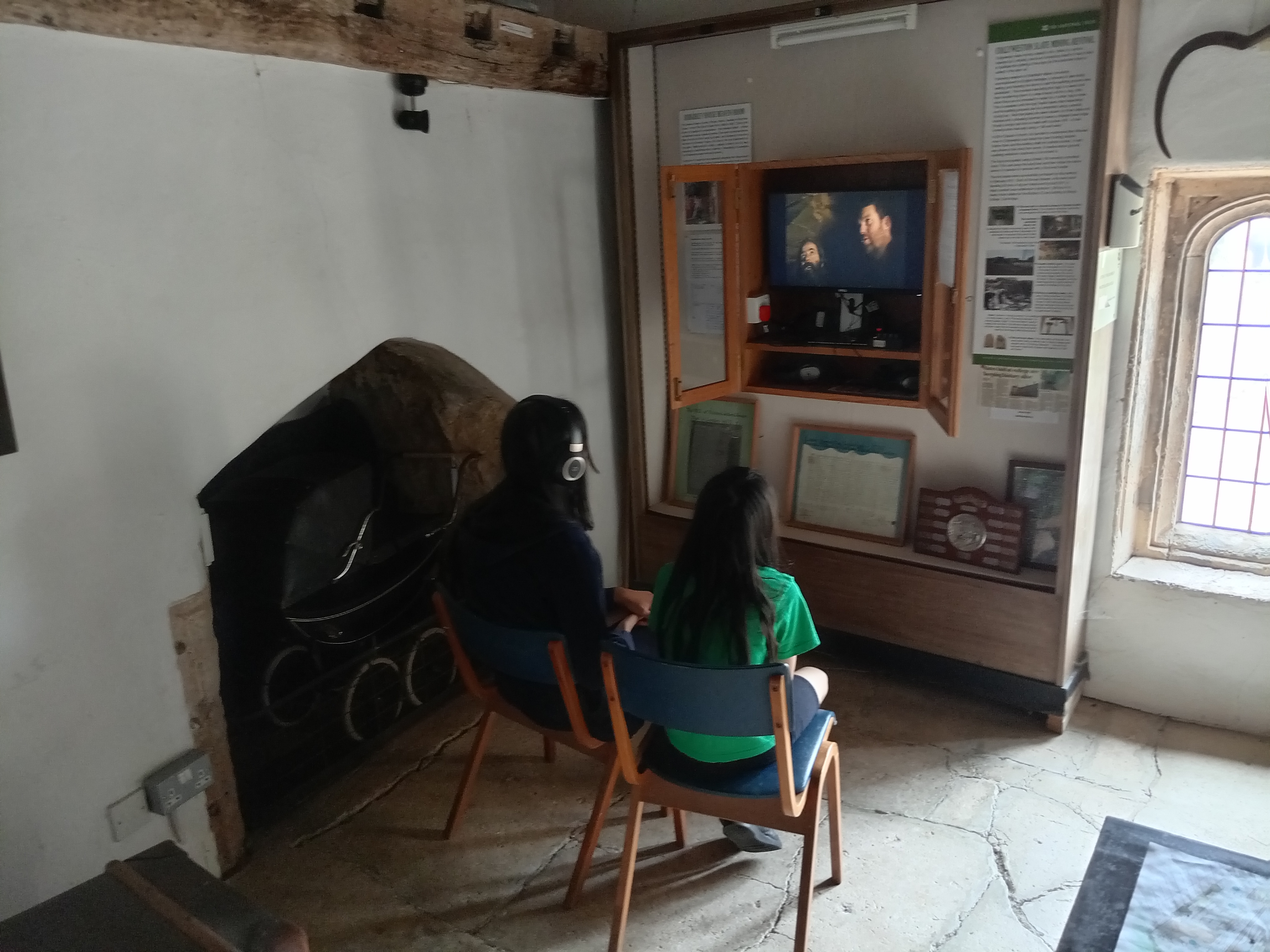
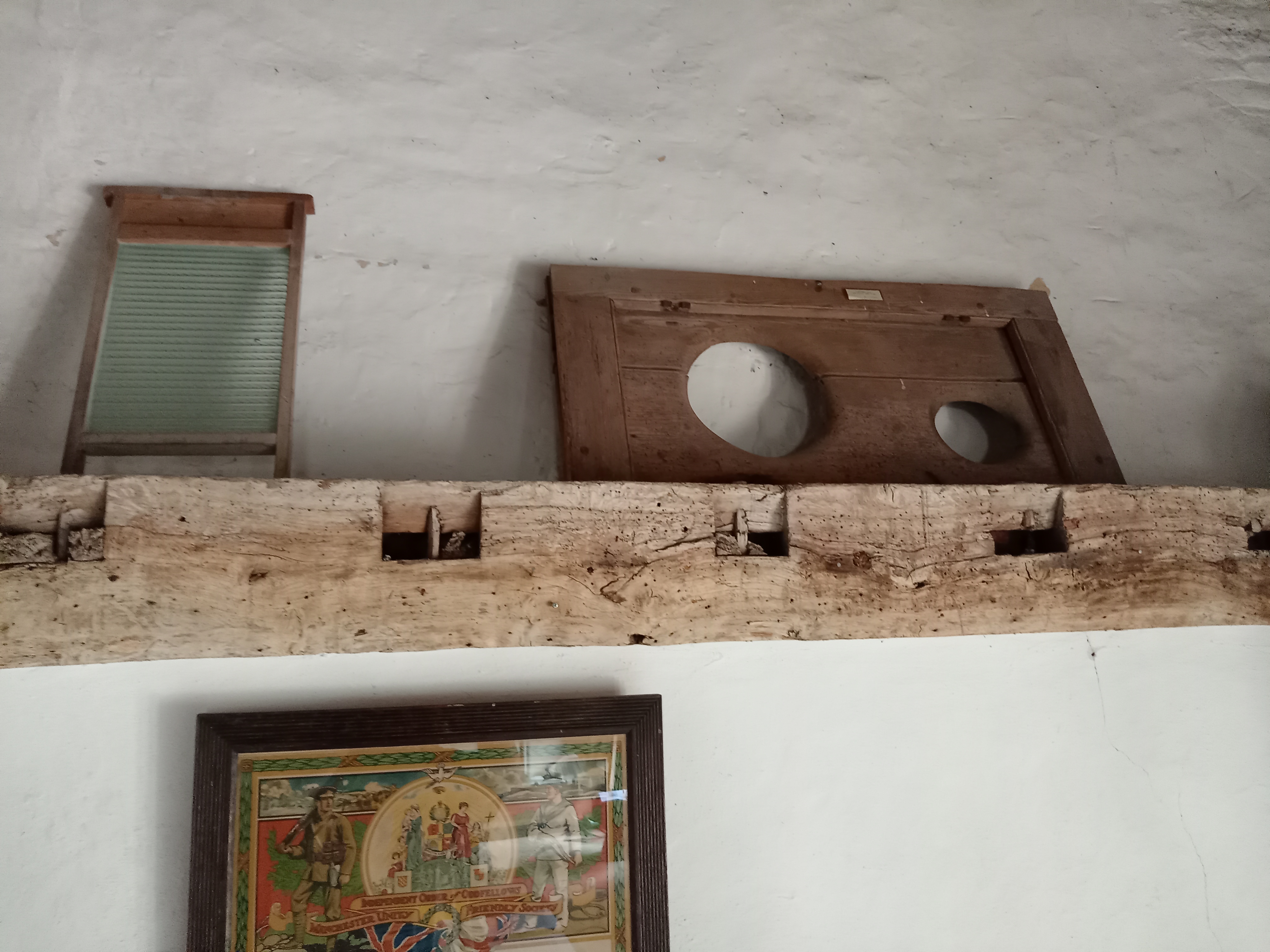
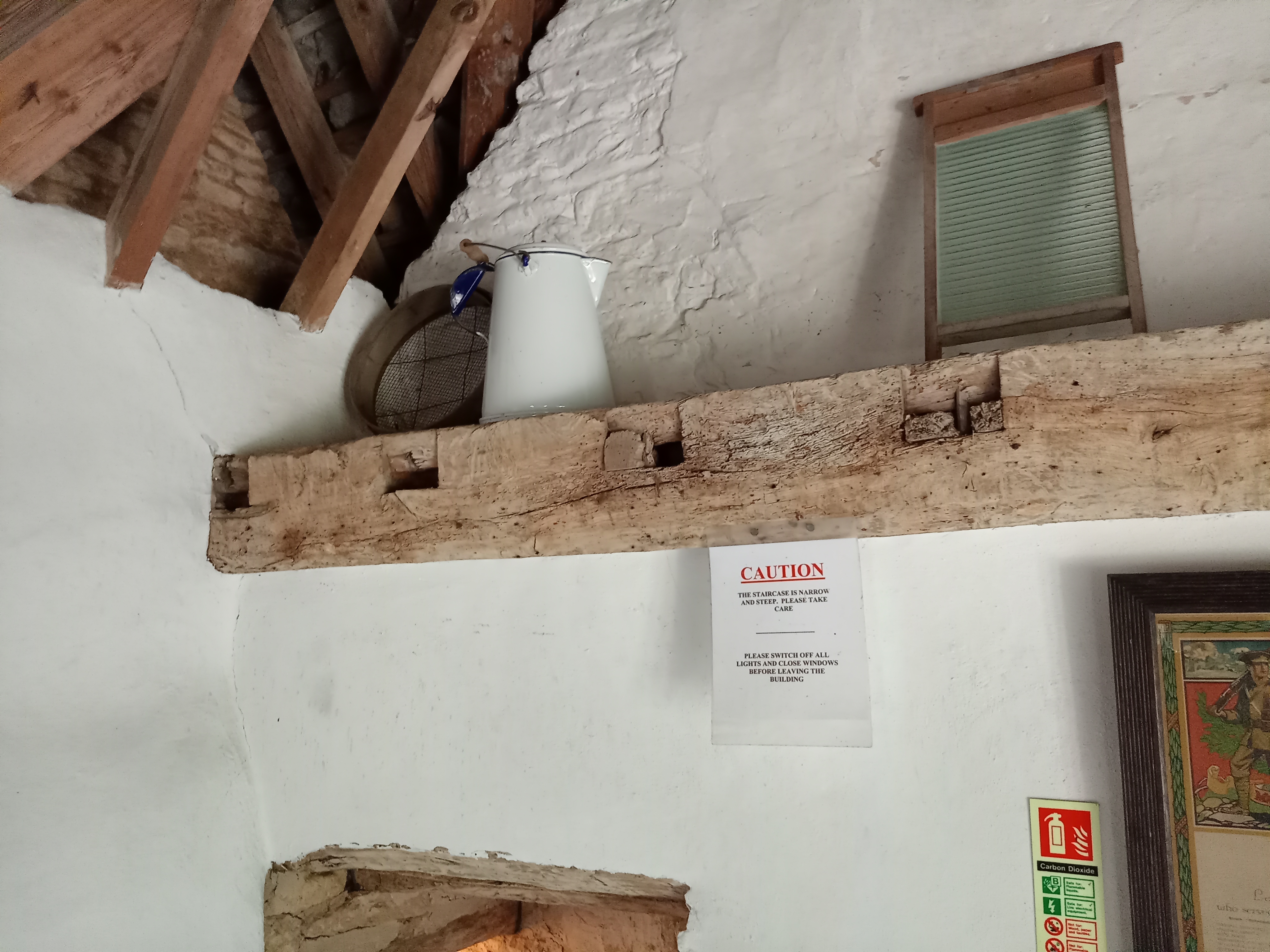
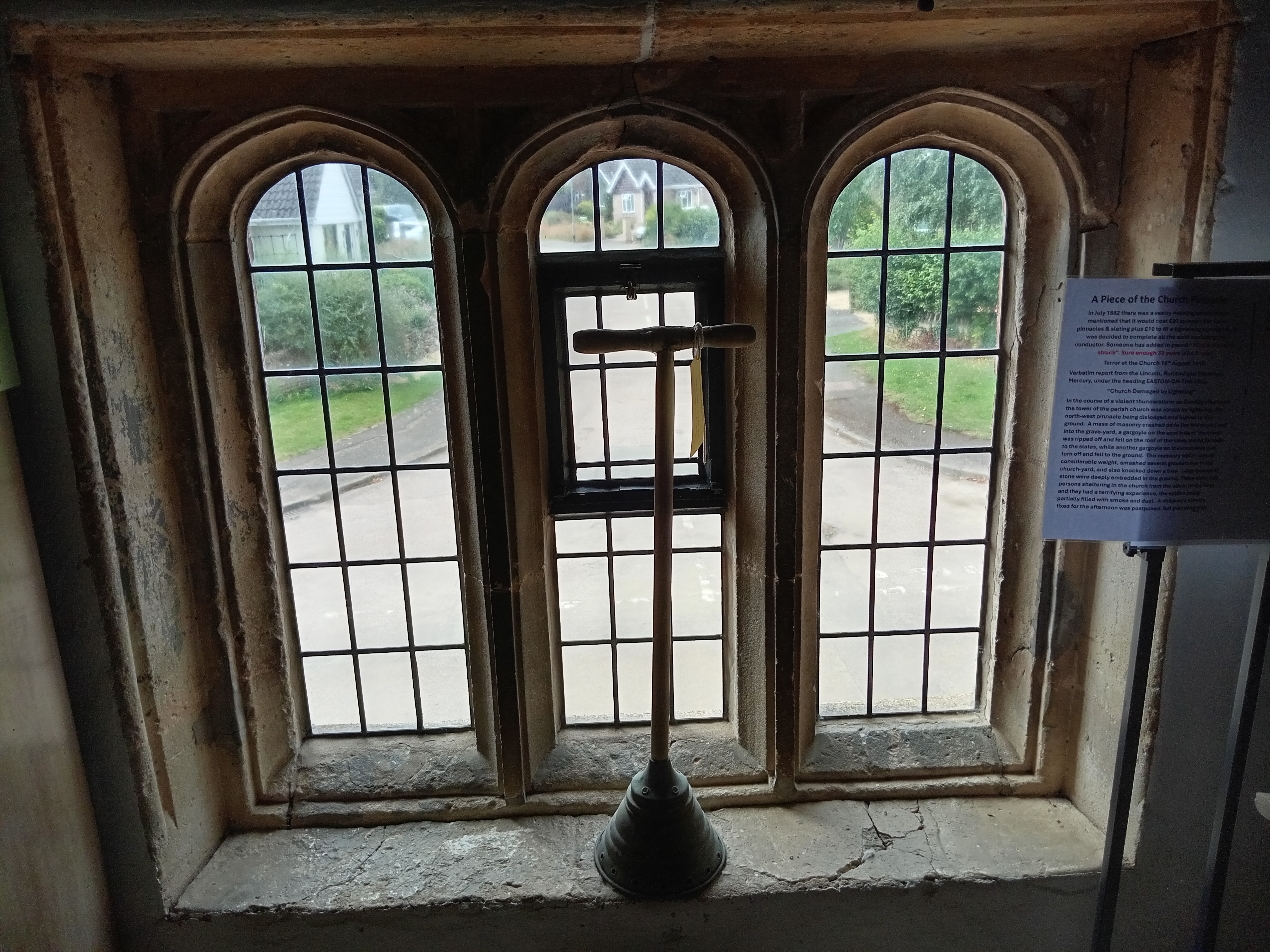
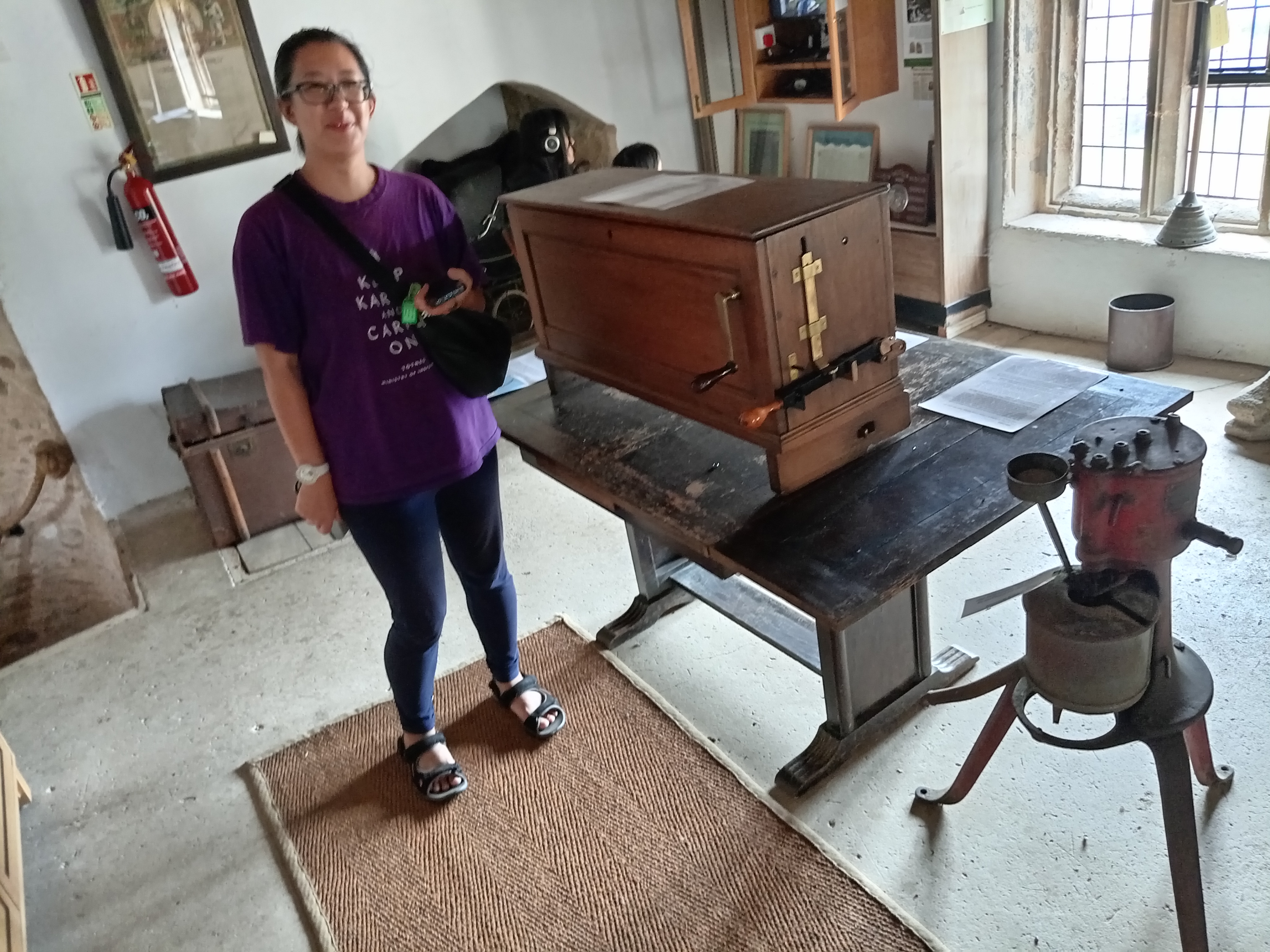
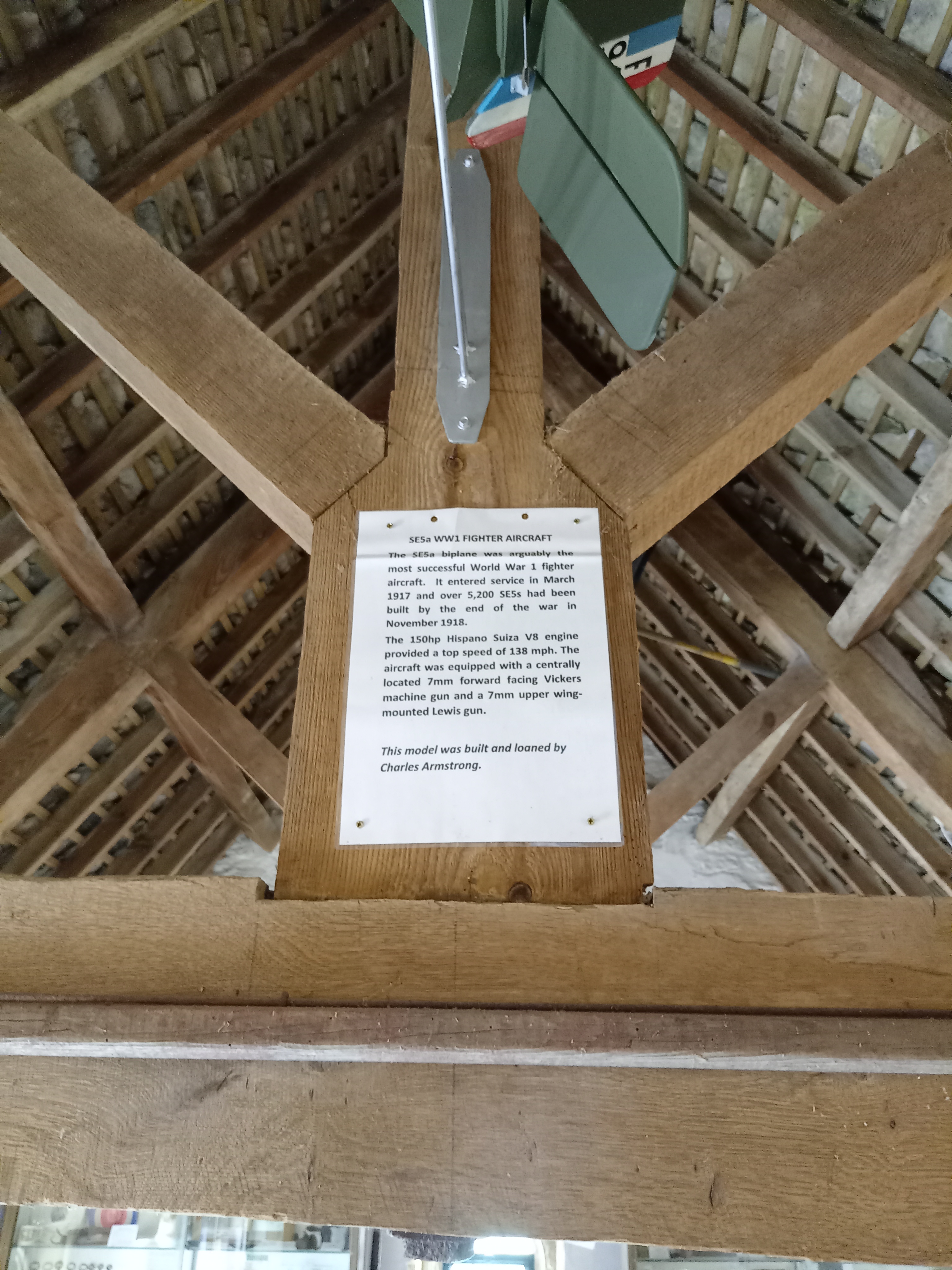
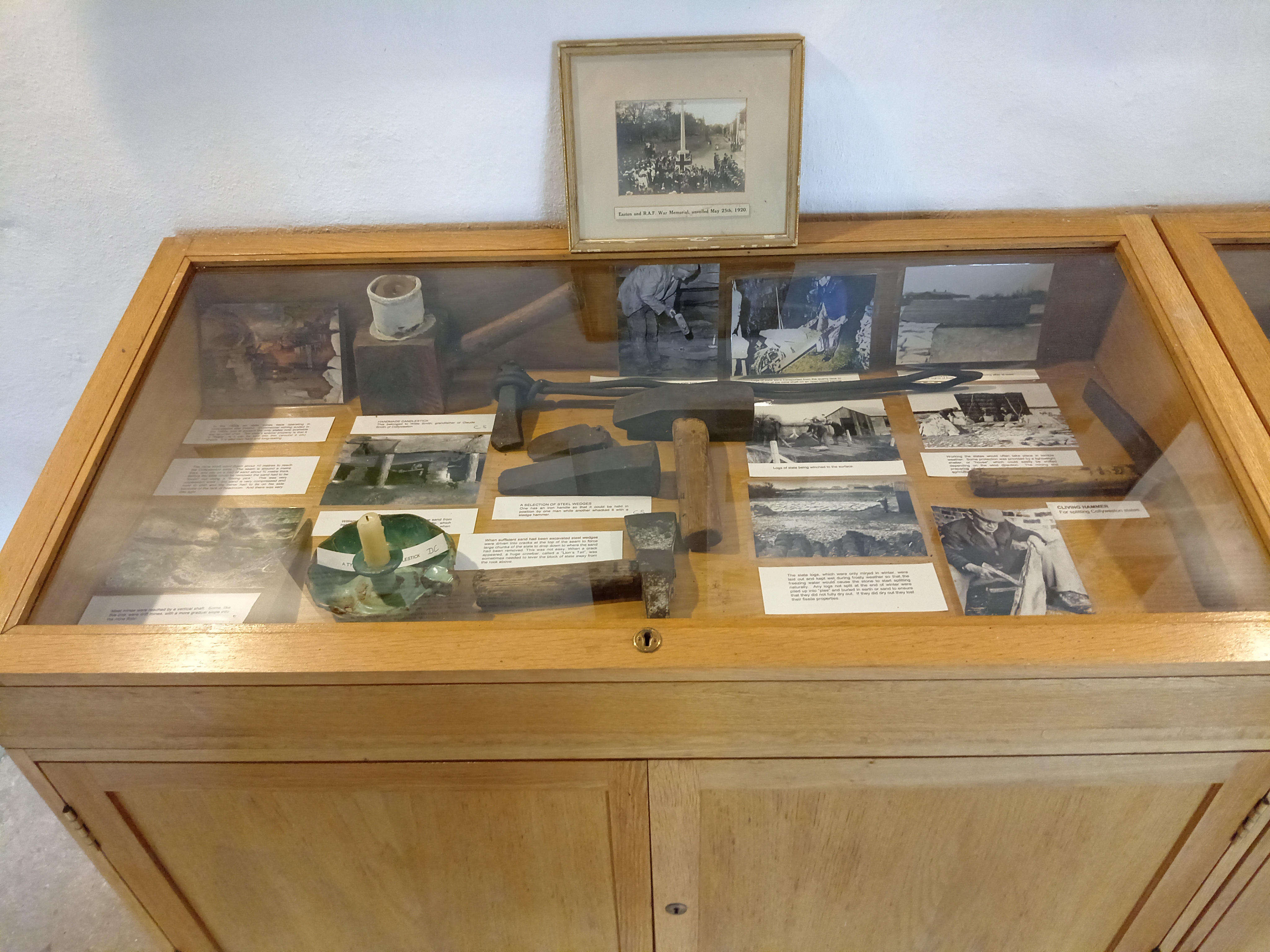
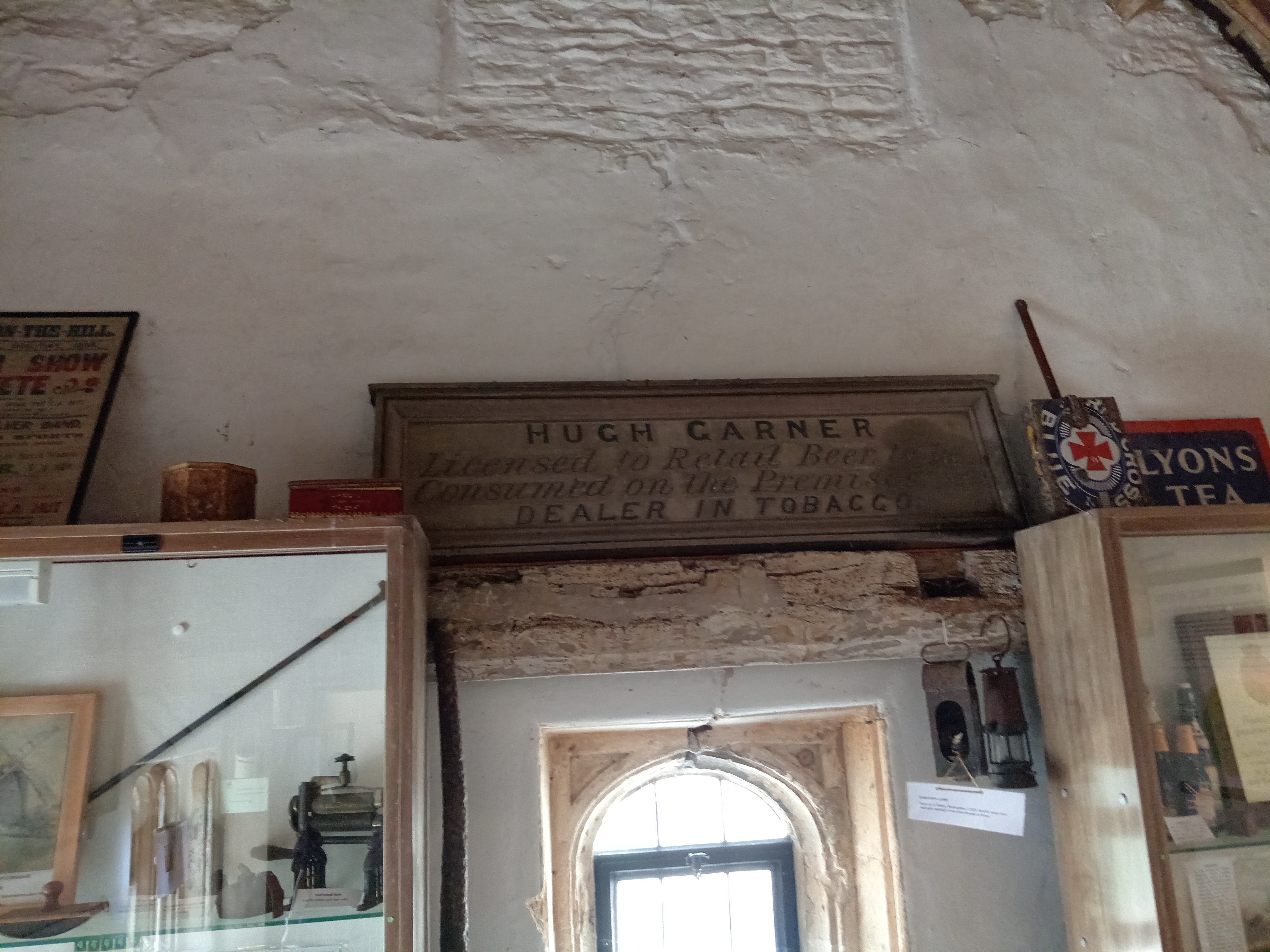
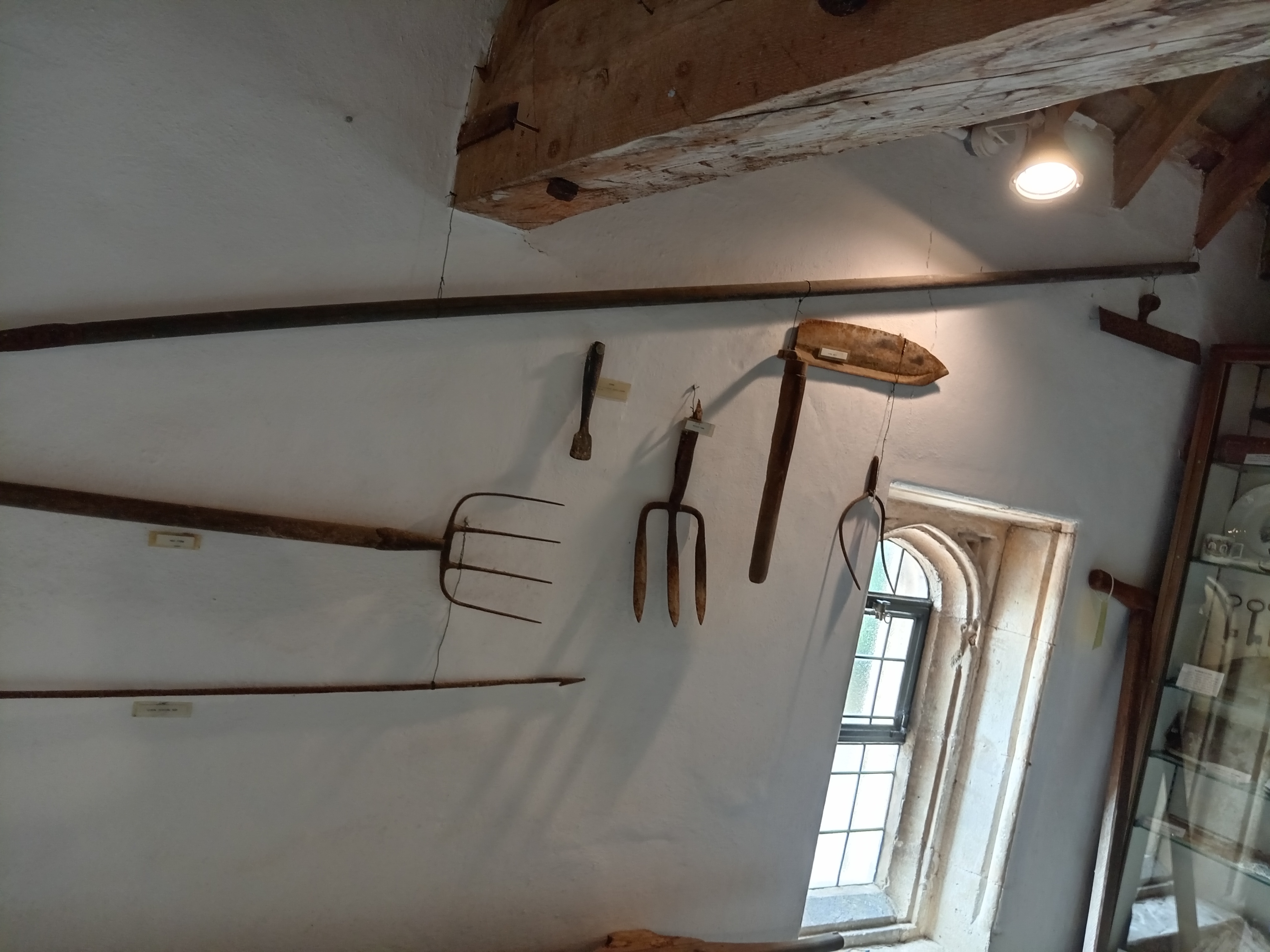
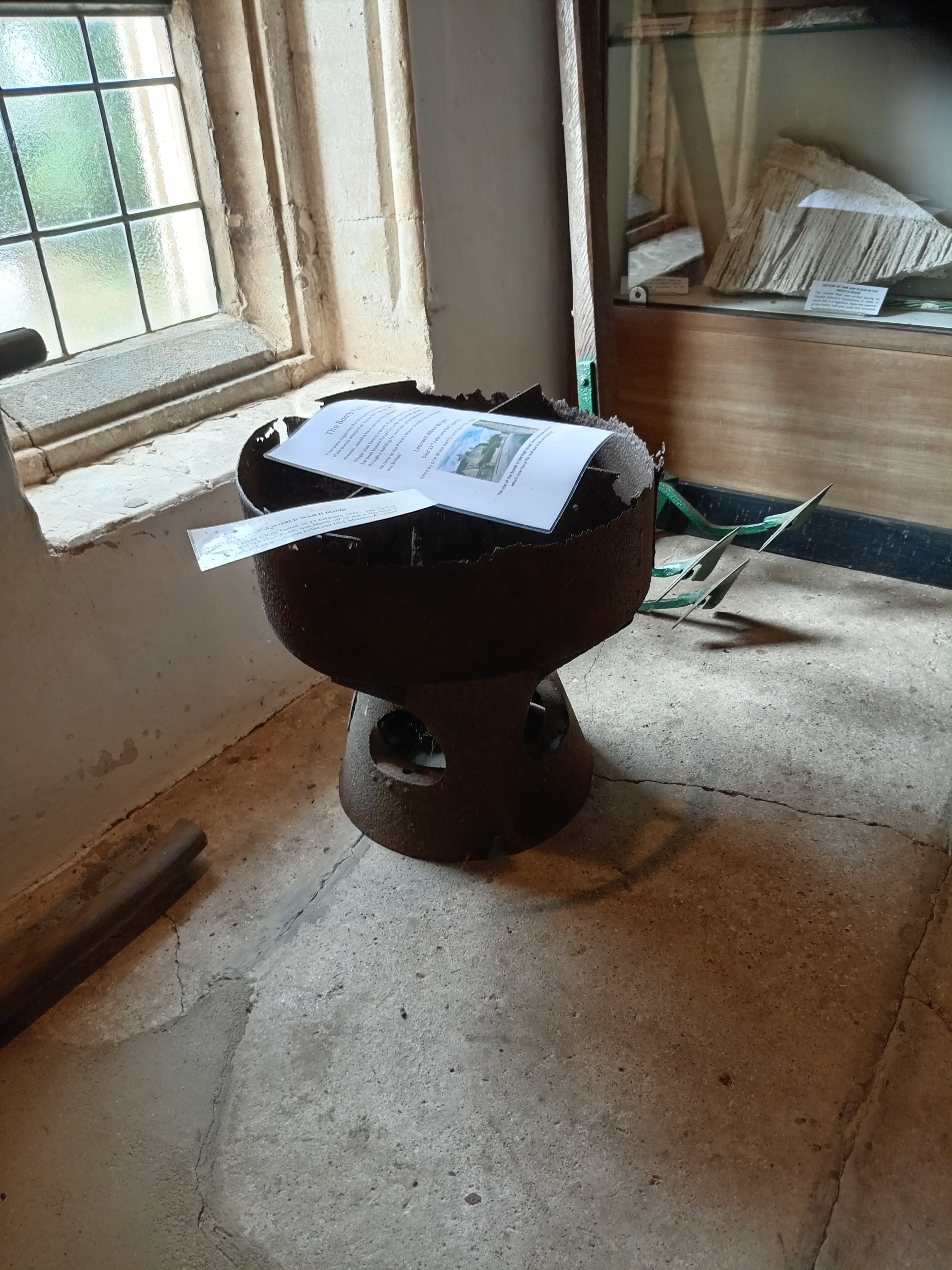
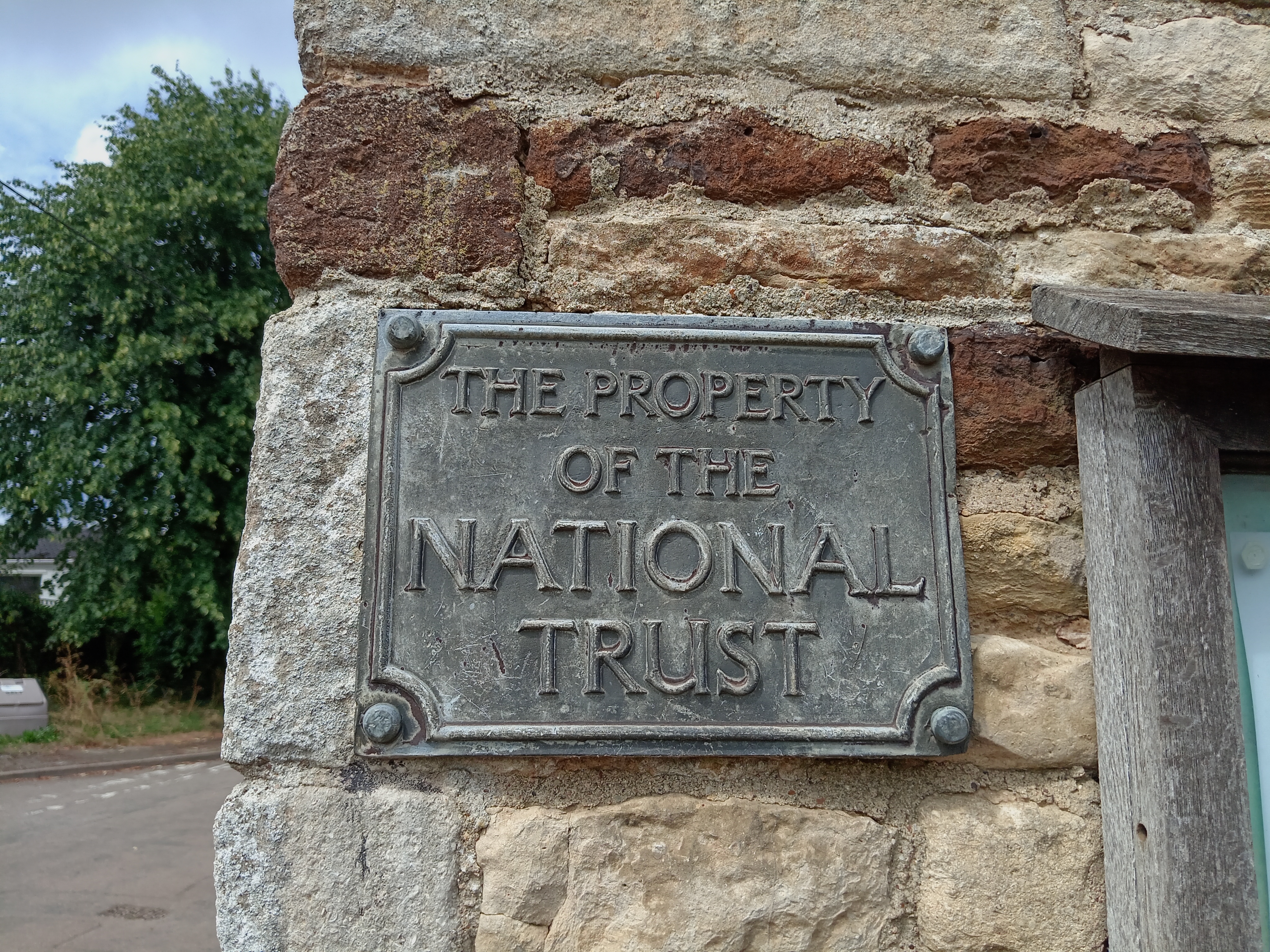
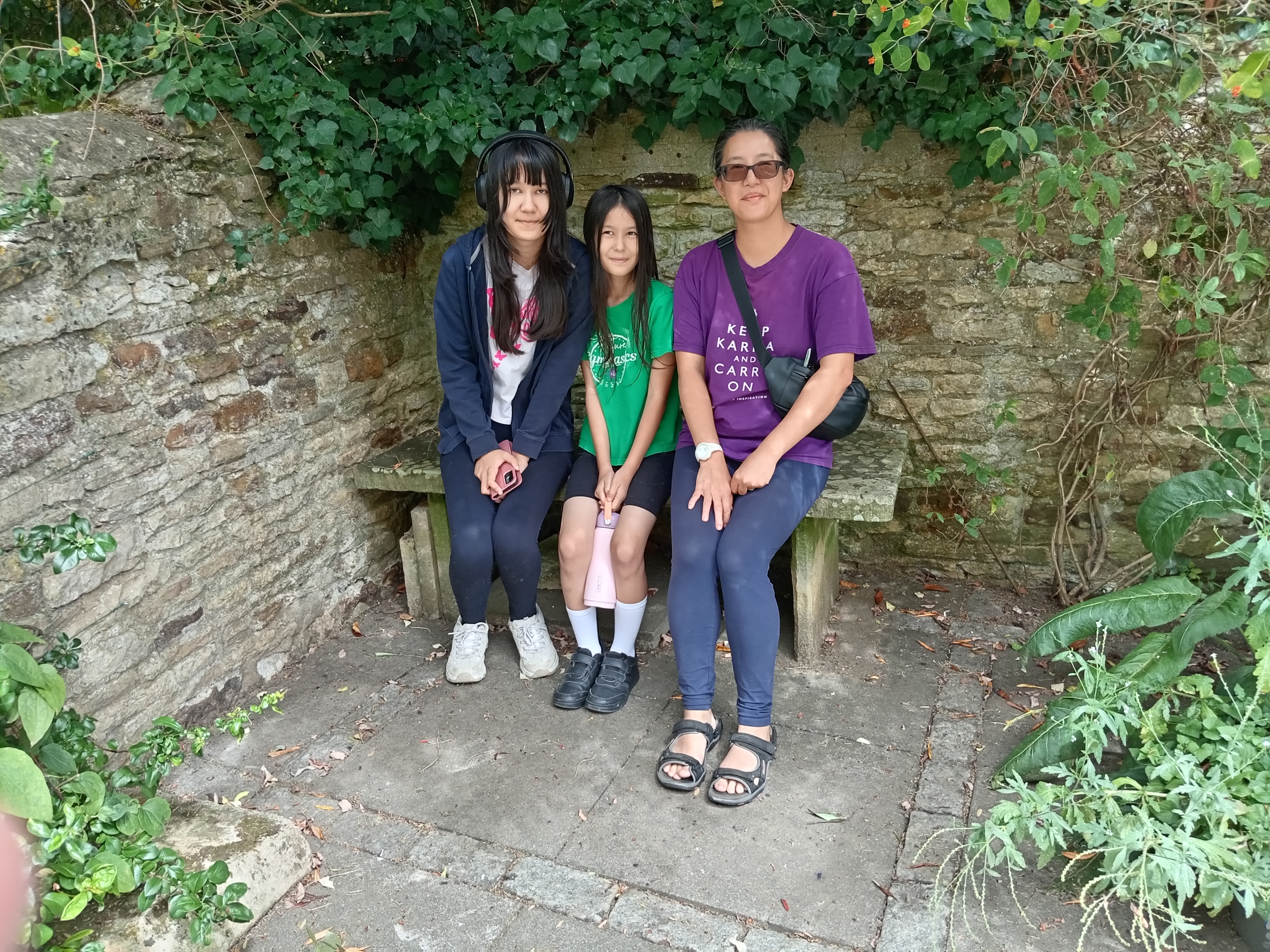
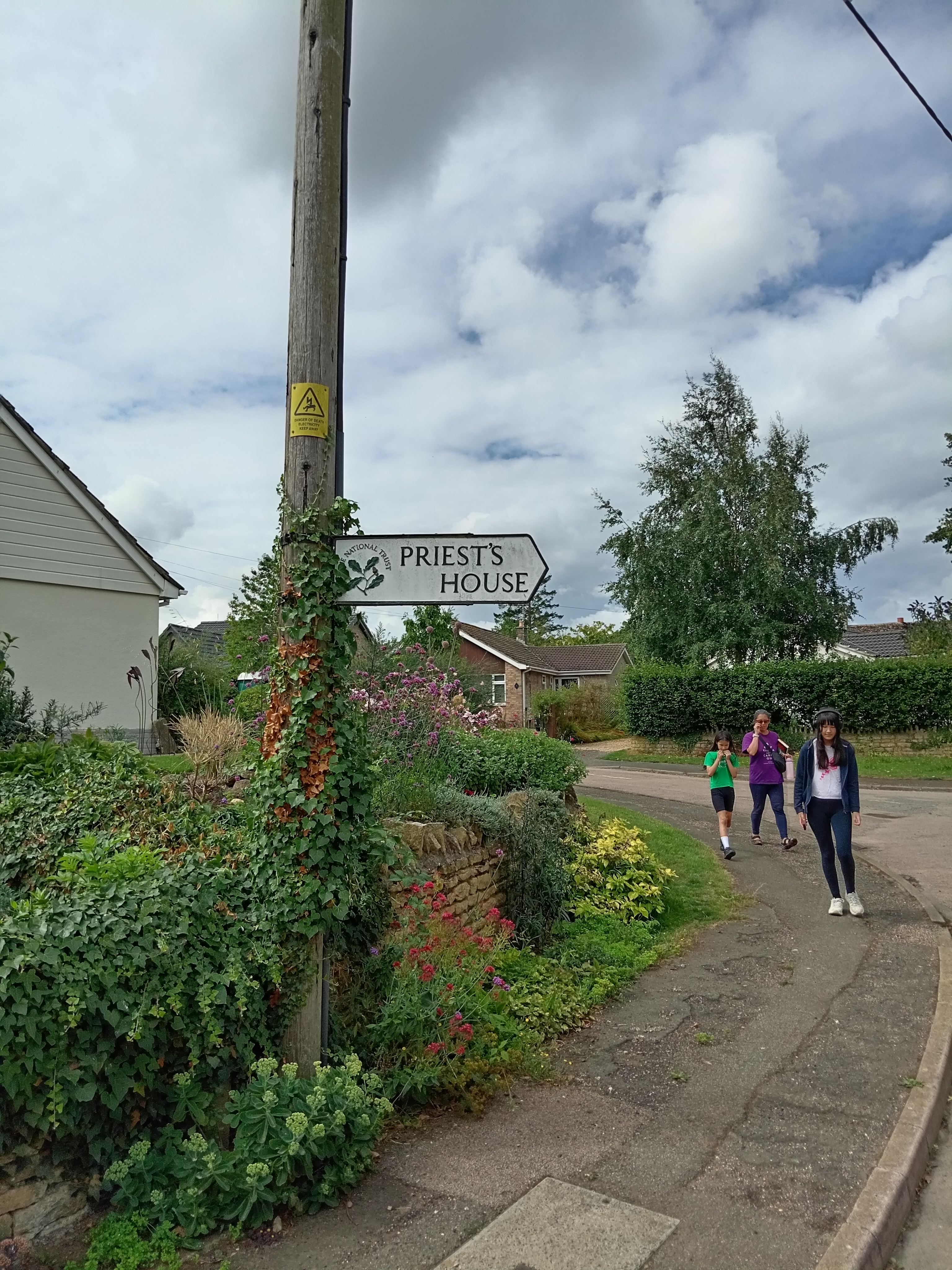
Interestingly, the “Priest House” is administered by the National Trust and is free to enter. The building nestles between ordinary houses in s sleepy village – Easton-on-the-Hill. Local people volunteer to act as “Custodians” (I believe there are four such individuals) living immediately adjacent to the “Priest House”. Although we have visited the general area a number of time – we had never seen this exhibit or been told about it. As we are currently staying in the locale – this place came-up in an internet search about something else. Like many such attractions, even at the height of Summer, there is only ever a trickle of visitors – which is a good thing for all concerned. We were handed the key, instructed to be careful on the old spiralling stone staircase, and turn-off all the lights when we are finished. There is even a toilet on site that is accessed with a key. Everything was perfectly clean, tidy, and in good order. Our two-daughters watched a short video film about the area, its history and industry! The photographs will tell the story of what we saw. A truly magnificent historical site that emerged out of the single most important and Revolutionary event (the “Dissolution of the Monasteries”) that forged modern Britain and the world!


























 SANGHA KOMMUNE (SSR)