Blogger’s Note: Over the years, myself and Gee have used the Victoria Embankment area as a “rest point” during our epic “days-out” – when we investigate the various wonderful places London has to offer. Our children have played around this monument and sat on the grass eating ice cream – whilst me and Gee drink tea and eat cakes purchased from the local cafes. The place is beautiful and full of trees and flowers. Not mention here, is the British Army Monument situated between the York Watergate and the Sir Joseph Bazalgette Monument. This is comprised of a British soldier holding a rifle – whilst sat on the hump of a military camel. The Monument remembers all the British soldiers killed between 1917-1947 fighting the (Jewish) Zionists and and (Arab) Islamicists. The Zionists carried-out many War Crimes and atrocities against the British Army, British civilians, and Arabs who assisted the British government in Palestine. These Crimes Against Humanity carried-on until 1947 (see Frank Carson’s testimony) – when the British government illegally gave half of Palestine to the militarised Zionists. The White, middleclass Jews had lived well i Palestine both before and during WWII – and had not been subject to the Holocaust. The Zionists, being fascist (see the 1975 UN Resolution declaring Zionism a form of Jewish White Supremacy), collaborated with the Nazi regime from 1933 onwards, until it became obvious Hitler had no intention of fulfilling his promises of mass deporting German Jews to Palestine. All this is historical fact – and it is interesting what the British media “omits” as a means to support Israel’s genocide in Palestine! (7.7.2025)
This forgotten gate once opened right onto the Thames – now it’s marooned 150 metres inland
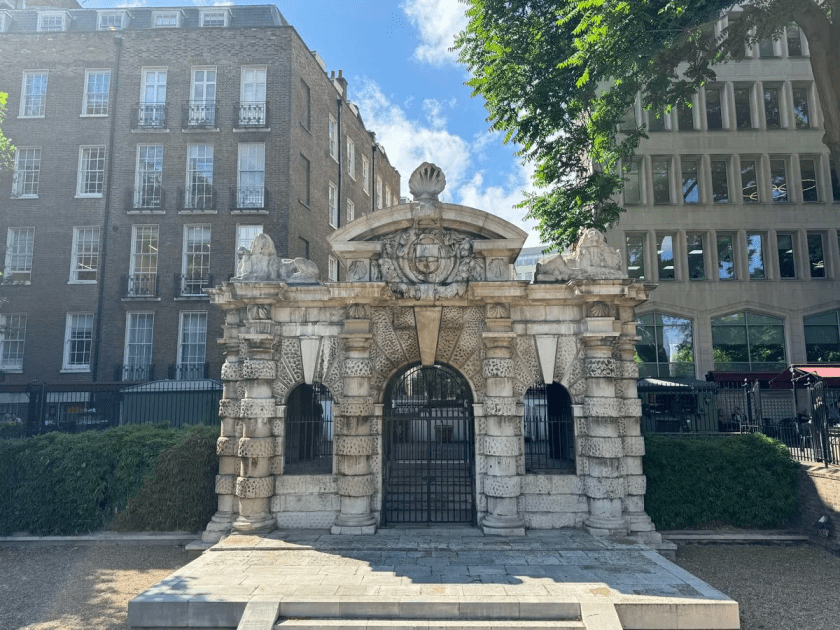
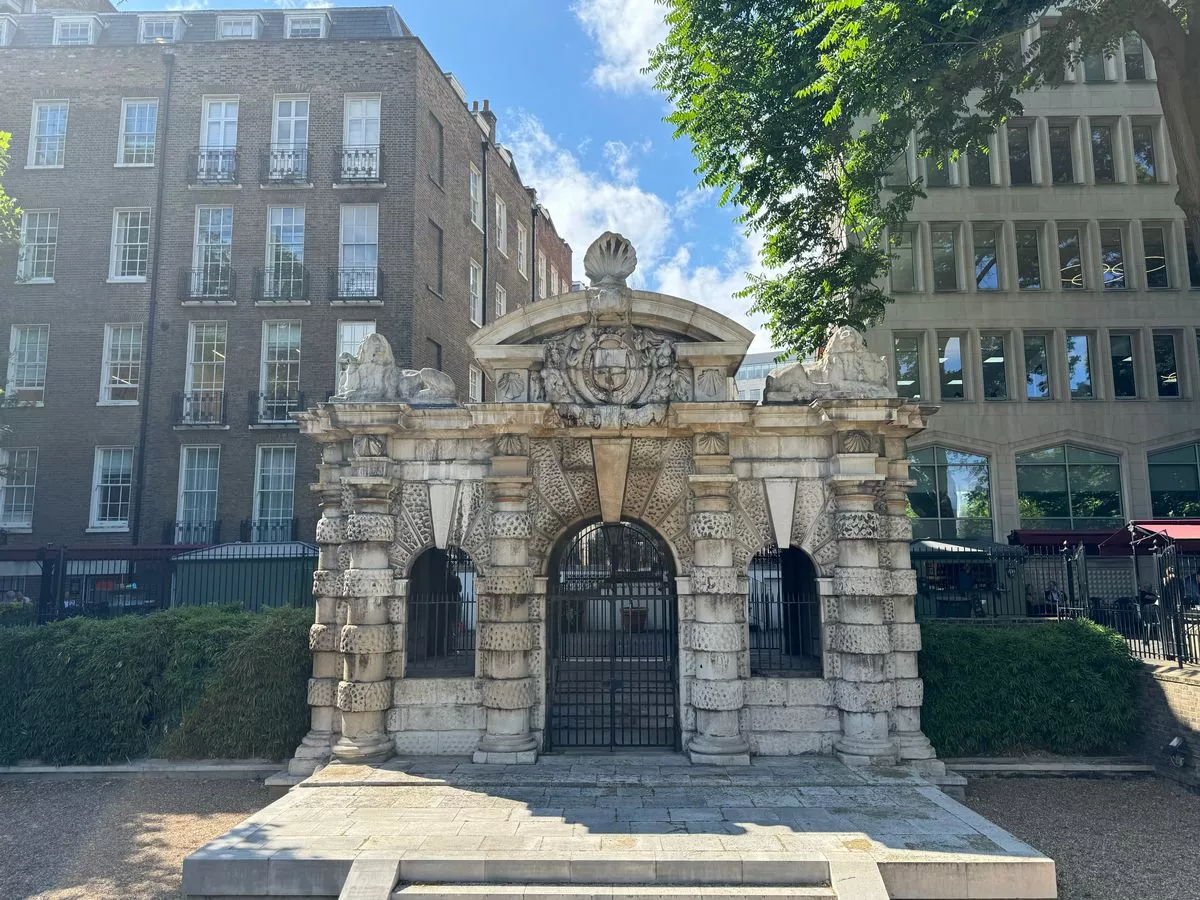
Tucked away in Embankment Gardens, you can find the York Watergate – a lonely stone arch that once stood at the River Thames ’ edge. Today, it sits nearly 150 metres inland, quietly marking where the river used to flow.
The gate was originally the private riverside entrance to York House, a grand 17th-century mansion owned by the Duke of Buckingham. Think of it as a luxurious mooring point at the bottom of the duke’s garden.
York House itself stood on the Strand, which name literally means ‘shore of the river,’ and was considered one of the finest residences in London. At the time, much of the south side of the Strand was lined with palaces boasting direct access to the Thames.
That all changed with the construction of the Thames Embankment between 1864 and 1870, led by visionary engineer Sir Joseph Bazalgette. The massive project reclaimed land from the river and shifted the shoreline dramatically forward.
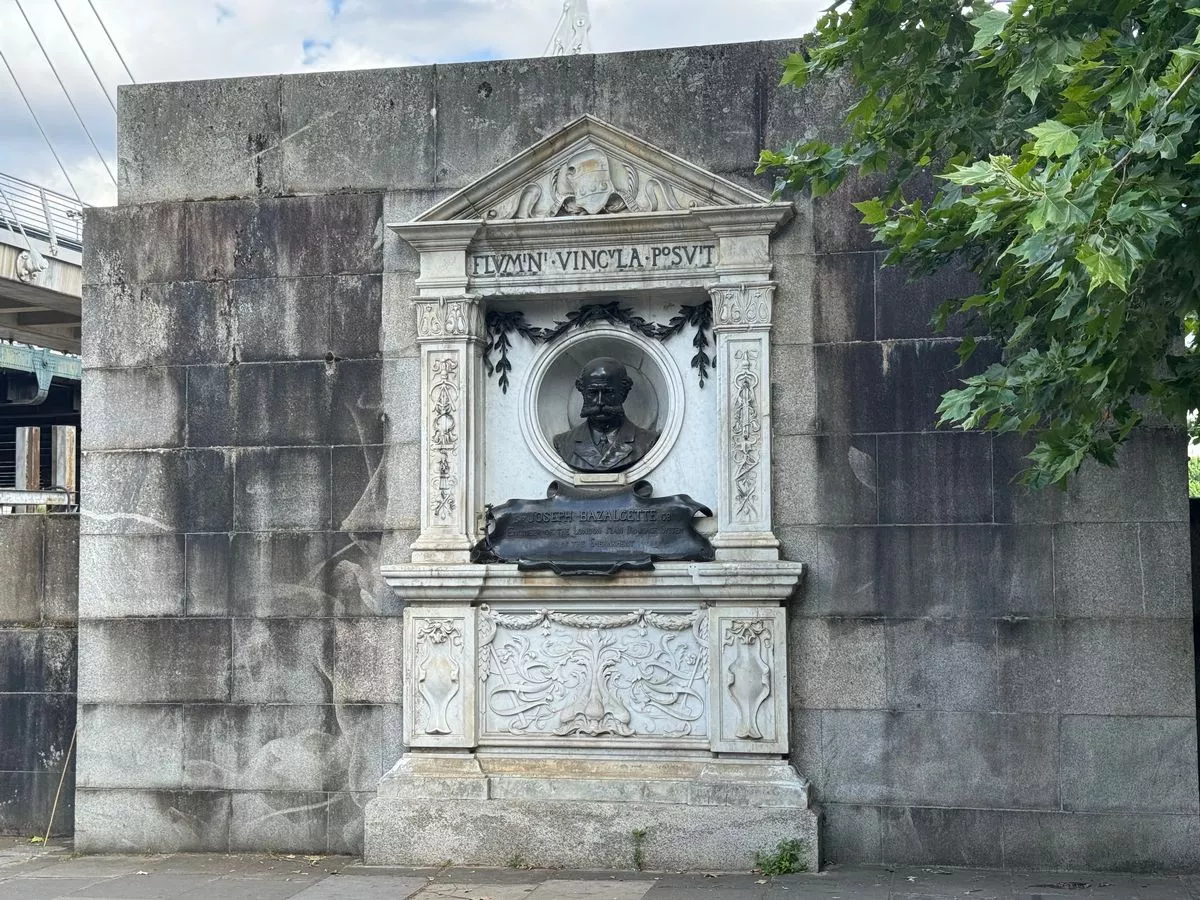
You can find a memorial honouring Sir Joseph Bazalgette just a couple of minutes away from Embankment Gardens, by the Thames. He designed the Victoria, Albert and Chelsea Embankments, reclaiming a strip of land in front of Somerset House and York Watergate.
The Watergate was almost lost during this transformation – plans were even drawn up to move it to nearby Whitehall Gardens. But in the end, it was simply abandoned where it stood, left behind as a relic of a river that had retreated.
Built in 1626 by famed architect Inigo Jones, the gate still bears the Buckingham family crest. It’s one of the few surviving examples of Italianate architecture from the reign of King Charles I, alongside landmarks like Temple Bar and Banqueting House.
Today, the York Watergate is almost 400 years old – older than nearly everything around it. It’s a haunting, beautiful reminder of how much the city – and its river – have changed.

