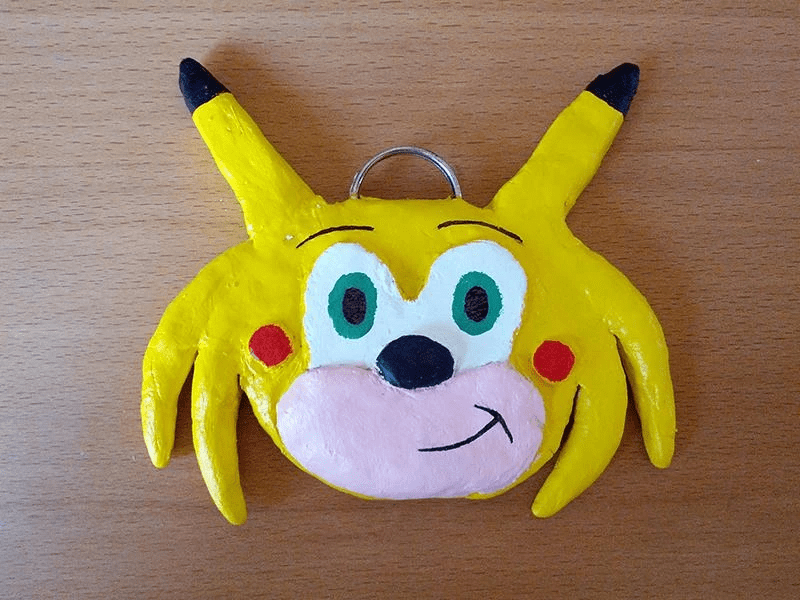

I am often asked about ‘Kuriso’ Zen by students of the better known ‘Rinzai’ or ‘Soto’ Zen Schools in Japan. This is what is known about this obscure Sect:
Japan: クリス = ‘Kuriso’ Zen
China: 弥赛亚 = ‘Mi Sai Ye’ Ch’an
Of course, this is not an exact explanation as the Japanese transliteration – for one reason or another – has historically preferred the root word ‘Kris’ (Chris), whilst the Chinese scholars appear to have chosen the more prosaic ‘Messiah’ in their translation, apparently in an attempt to present the foreign concept of ‘Christ’ (Krist)! This inclusion (or omission) of a ‘T’ in the interpretation of this ‘foreign’ movement has led to endless conflict and strife between the two nations – culminating in the most recent ‘misunderstanding’ – which has seen the Japanese Authorities ‘dump’ tonnes of nuclear-contaminated water into the South China Sea.
What does the practice of ‘Kuriso’ Zen entail? This is a vitally important question which has seen entire departments formed in the Japanese corporate monoliths of Saga and Nintendo – tasked with discovering the exact reality of ‘Kuriso’ Zen – and what the implications might mean for the Japanese Nation and the broader Japanese gaming community as a whole. As is typical with many Sects of popular Buddhism throughout Japanese history, the entire edifice of Buddhist ideology pertaining to a single School is reduced to a single (and simple) ‘mantra’ – or combination of sacred noises contained in a single sentence. Within the ‘Kuriso’ Zen, for instance, the established mantra is as follows:
Japanese: ‘そにちゅう’ = ‘So-ni-Chi-Yu’
So (そ) = Ancestor
Ni (に) = Journey to a Destination
Chi (ち) = Obsession
Yu (ゅ) = Medicinal Bath
U (う) = Unification
The continuous repetition of this mantra is believed by followers to prolong life, increase wealth and gain an enhanced ‘entry’ to online (AND real-world) gaming conventions and communities. To the achievement of these ends – the ‘sacred’ Japanese-language texts have this to say about the origin and meaning of this divinely empowered sentence:
‘海外ミームで人気のソニックとピカチュウを組み合わせたキャラ。 概要 海外で人気のソニック>ソニックザヘッジホッグとピカチュウを組み合わせたキャラ。’
(A character that combines Sonic and Pikachu – popular in overseas memes. Overview: An internationally-derived character that combines Sonic the Hedgehog and Pikachu.)
In China, ‘Kuriso’ Zen is often referred to (in transliteration) as ‘Chris Chan’.
 SANGHA KOMMUNE (SSR)