Enlightenment is not the acceptance of, or practical experience of rebirth. Enlightenment is not the acceptance of, or practical experience of a ‘soul’ theory. In other words, a fully enlightened and rational mind, is a mind ‘emptied’ of all delusion and irrationality.
Tag: theravada

Ven. Walpola Rahula: Study or Practice?
From meditation, wisdom comes, but from wisdom, understanding arises.
Nyanatiloka: Playing with Emptiness
The Venerable Nyanatiloka Maha-Thera (1878-1957) was an eminent German-born Theravada Buddhist monk who entered the Sangha in Sri Lanka, and became renowned for exact and precise scholarly understanding of that school’s complex Dharma teaching. He possessed the ability to a) understand and contextualise often obscure Pali terms and concepts, and b) correctly transliterate and translate those terms into Western languages. His work regarding the Theravada School is reliable and insightful.
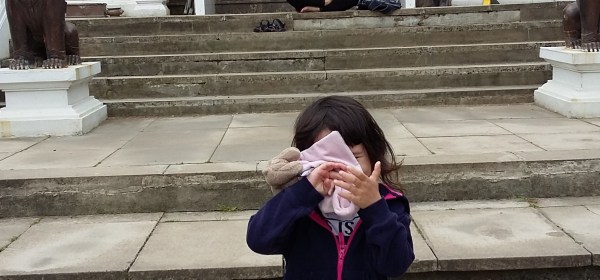
Buddhapadipa Temple – Wimbledon (1.9.2016)
May all beings be happy and free from suffering!
Tiger Temple Solidarity Letter Against Racist Animal Rights (7.6.2016)
Animals Rights has a nasty under-belly of far-right membership.
George Galloway’s Comments on Buddhism
Criticism is an important and central aspect of Buddhism. However, the Buddha taught that such a process should be ‘truthful’ if it is to be effective.

