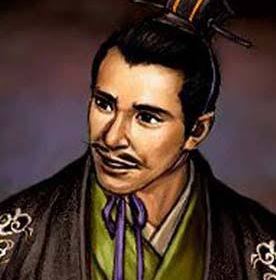
The original Qin [秦] State was a fiefdom of the Zhou Dynasty existing between 897-207 BCE. For much of its history, the Qin (often associated with the Hakka people of China and the “Chin-Chan-Chen” [陳] surname) spent much of its history dealing with the threat of the barbarian tribes existing to the North and West of the Qin State border. The Qin copied Central Chinese culture (and improved it in many and dramatic ways) whilst defeating and assimilating the various non-Chinese ethnic groups – this made the Qin appear tainted to the Central Chinese. Only later, when the Qin State borders were settled to the Northwest did the Qin State turn its attention to the Central Chinese States – which it soon invaded and defeated – thus uniting China for the first time under a single leader. The Qin Empire (which excluded what is today the Fujian area – which consisted then of dangerous malarial swamps and violent indigenous people) lasted from 221-207 BCE and had two Emperors and one final King (the final leader who ruled for just a few months as the Qin Empire contracted and fell apart).