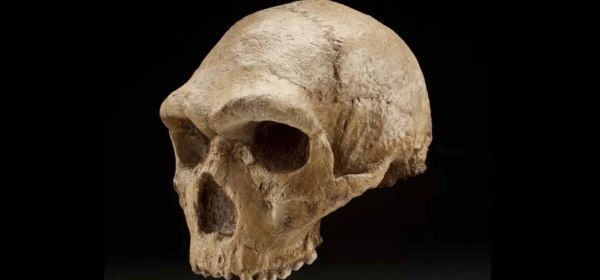
A 286,000-year-old hominin skull found in Petralona Cave in Greece!

Greece: Petralona Cave “Hominin Skull” Dated to 286,000-Years-Old! (31.5.2026)

Other fossil work has pointed in the same direction. In Spain, fossils from Sima de los Huesos have been linked to the Neanderthal evolutionary line, showing that Neanderthal-related groups were already present roughly 400,000 years ago.

That makes Petralona especially interesting. If the skull represents a more primitive population living around the same broad period, then Europe may have held multiple hominin groups at once. That is a very different picture from the old idea of one dominant human form slowly replacing another.

A similar pattern has appeared outside Europe, too. The Broken Hill skull from Zambia, also known as Kabwe, was directly dated to about 299,000 years old, much younger than many researchers once believed. The Natural History Museum said that date added to evidence that several human lineages may have coexisted around that time.
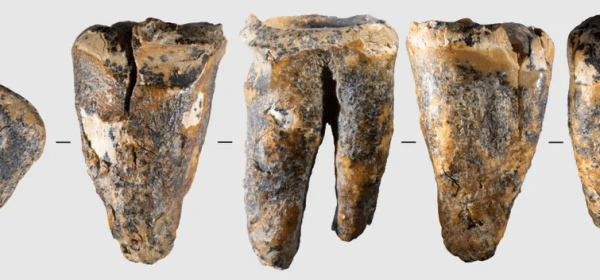
The Neanderthal dentist who worked on the 59,000-year-old molar had some experience treating cavities.

Russia: Neanderthals Practiced Dentistry – Infected Teeth Drilled 59,000 Years Ago! (17.5.2026)

Neanderthals were highly creative and resourceful. Living throughout Europe and Asia between 400,000 and 40,000 years ago, they made art, intentionally started fires, took care of their sick and injured peers, created a sticky, multipurpose resin and extracted high-calorie grease from animal bones, to name just a few accomplishments.

Now, new research suggests they may also have dabbled in dentistry. Scientists have discovered a 59,000-year-old Neanderthal molar that appears to have been deliberately drilled to treat a cavity, they report in a new paper published in the journal PLOS One.

The discovery pushes back the earliest evidence of dental work by roughly 45,000 years and adds to the growing body of research that Neanderthals were intelligent, capable hominins.