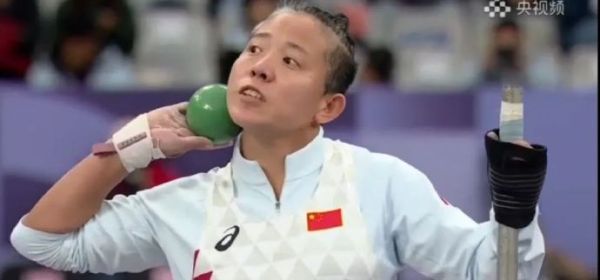
During the preparation period for this Nagoya Asian Para Games, Wu Qing maintained a highly disciplined training state, insisting on intensive specialized training and completing hundreds or even thousands of throwing exercises. The Heilongjiang Disabled Persons’ Federation provided comprehensive support, with a professional coaching and rehabilitation team following up throughout, precisely adjusting technical movements and scientifically regulating her physical condition, laying a solid foundation for her to compete in international competitions.