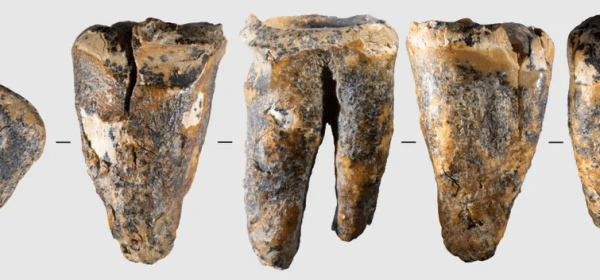
The Neanderthal dentist who worked on the 59,000-year-old molar had some experience treating cavities.

Russia: Neanderthals Practiced Dentistry – Infected Teeth Drilled 59,000 Years Ago! (17.5.2026)

Neanderthals were highly creative and resourceful. Living throughout Europe and Asia between 400,000 and 40,000 years ago, they made art, intentionally started fires, took care of their sick and injured peers, created a sticky, multipurpose resin and extracted high-calorie grease from animal bones, to name just a few accomplishments.

Now, new research suggests they may also have dabbled in dentistry. Scientists have discovered a 59,000-year-old Neanderthal molar that appears to have been deliberately drilled to treat a cavity, they report in a new paper published in the journal PLOS One.

The discovery pushes back the earliest evidence of dental work by roughly 45,000 years and adds to the growing body of research that Neanderthals were intelligent, capable hominins.
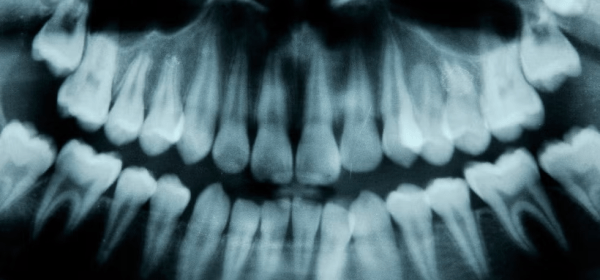
A study out of Japan showed how targeting genes can regrow teeth in animals. Now, the team has turned to a human clinical trial.

Japan: Humans Have a “Latent” Third Set of Teeth – New Medicine May Help Them Grow By 2030! (17.2.2026)

Teeth are a curious evolutionary life-over from when the average life-expectancy of a human-being was around “20-years-old” or perhaps a little older (early humans used to breed in there early teens due to a very narrow fertility window). However, as human intelligence grew, and human labour made life less difficult – the life-expectancy slowly creeped-up – but teeth development appears to have lagged behind. Far behind – in fact. We can live to 80 – but our teeth give-up the ghost at about 20 – or at least they would without modern dentistry and regular cleaning. Remember – you can die from an infected tooth – so look after yourselves!

Working-Class Dental Hygiene: When Cleaning Your Teeth is a Revolutionary Act!

to the third world level it is at today and opened the door to widespread private health cover throughout the area. This left millions of ordinary people without regular dentistry checks and treatments, and reduced what was left of the NHS treatment to an absolute emergency level designed to relieve pain but not treat the sources of that pain (as that would require long-term and regular dentist care).