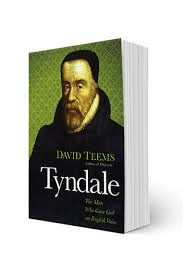
Tyndale: The Man Who Gave God an English Voice

UK: My Review of David Teems’ Tyndale Book! (25.8.2026)

Writers are very good at being both “honest” and “dishonest” in equal measure. No genuine writer will disagree with me – but will instead knowingly puff on their pipe whilst inspecting a duck – or something similar (the mundane is lifted-up by a competent writer). Am I being too harsh on Mr Teems – of course. Yes – I am – and for good class-related reasons. The bourgeois already possess control over the means of production – what more do they want? We are left a) with our “words”, and b) the use of those “words”. My words must penetrate straight through the ideological heart of the matter and I feel that the author’s use of Soviet-era exiles is indicative of his world-view and political bias. And even if it is not – it might as well be.
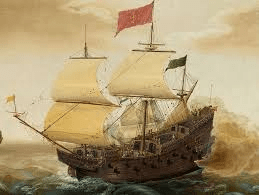
HMS Blessing of Burntisland Sank 1633

UK: King Charles I – 1633 Wreck of Royal Ferry [Blessing of Burntisland] – Located on Sea-Bed! (21.8.2026)

A community heritage group believes it has located the wreck of the Blessing of Burntisland, a timber ferry that sank in Scotland nearly four centuries ago while carrying royal baggage and treasure across the Firth of Forth.

Burntisland Heritage Trust said that underwater surveys, physical exploration and the recovery of timber had identified a possible wreck-site about 1.5km from the Fife town of Burntisland, describing the evidence as “promising”.

The Blessing foundered in unexpectedly rough weather in July 1633, while sailing from Burntisland to Leith during the Stuart King Charles I’s Scottish coronation tour. Only two of the 35 passengers and crew onboard are believed to have survived.

The ferry was reportedly transporting royal possessions valued at about £100,000 at the time, including jewellery, textiles, coins and precious-metal plate.

Inside the Castle!

Torbay: Berry Pomeroy Castle – Tudor Ruins! (2.4.2024)

During the 1500s, Elizabeth I was an absolute monarch (as was her father – King Henry VIII) – who preferred to live in and around the Nonsuch Park area – including Hampton Court Palace (which is no longer used by the royal family). However, there was once a “Nonsuch Palace” which does not exist today. After Elizabeth I died (1603 CE) – many of the castles she frequented were no long favoured by the royal family – leading to these buildings falling into neglect and ruin. This was the case with Nonsuch Palace which was so badly dilapidate that what was left of it had to be demolished in 1683 CE – for safety reasons – with the ruins being recycled into the constructon (or maintenance) of local buildings.