As Ch’an masters have been generally celibate, the idea of successful procreation does not hold for the perpetuation of their respective lineages. In the case of enlightened lay Ch’an masters – even if they have off-spring it is not guaranteed that their children will be enlightened beings.
Category: Hakka Ethnography
The ‘Hak-gar’ or ‘Guest People’ live in South China but follow a Northern Chinese culture.
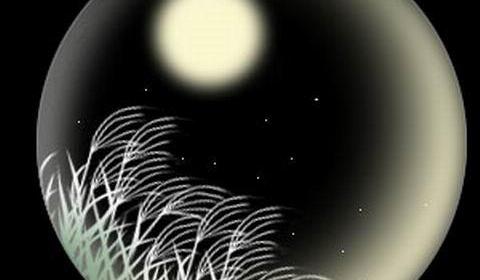
The Meizhou Hakka Customs of Mid-Autumn Festival
Within Hakka areas of China, the celebration of the Mid-Autumn Festival is also known as ‘Eighth Lunar Month’ and ‘Mid-Eighth Lunar Month’ Festival. During the Mid-Autumn Festival, Hakka people not only eat Moon Cakes, but also gather together to share the tradition of watching the Full Moon, and many other unique cultural activities.
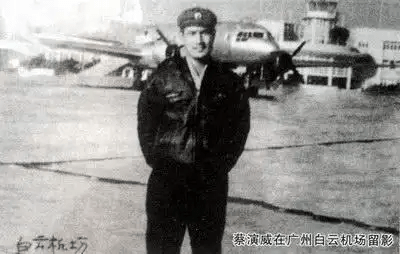
Cai Yan Wei (蔡演威): Mao Zedong’s Hakka Aeroplane Pilot! (20.2.2016)
From 1950-1961, Mr Cai Yan Wei logged 5,500 flying hours, achieving all missions and training many young pilots – including China’s first woman fighter pilot Wang Yun (汪云). In his old age he was very healthy and still enjoyed flying. Eventually he visited the Feng Shun area and paid his respects to his Hakka ancestor’s graves.
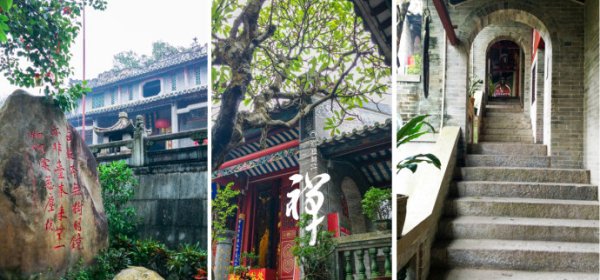
Was the Sixth Patriarch of Ch’an of Hakka Ethnicity?
Hakka religious culture often involves the integration of the practice of Daoism, Confucianism and Buddhism. There is a practical engagement with the outer world, whilst the facilities exist within Hakka spiritual culture that allows for the inner development of the mind.
The View from Inside a Hakka Round House
The Hakka round house is the most well-known example of Hakka architecture and is often considered the first such structure to appear under the divine sky. Its structure has been likened to a mushroom sprouting out of the earth, or a UFO landing from the sky.

23rd World Hakka Associations Literature and Art Celebration
Hakka Associations from around the world gathered in Heyuan City (an area of ancient Hakka population) as a sign of respect and admiration.

