Blogger’s Note: I notice that the Western “Cell” journal features and confirms this remarkable breakthrough – giving the names of the Chinese academic involved (in English translation) – but is very careful to extract the import of this data from the socio-economic system currently operating in China. This is because the bourgeois West interprets “Socialism” as an error and does not recognise that it is the Socialist organisation of Chinese society that has provided the powerful education that led to this progression of human medical knowledge. During the times of the US-induced Cold War – such breakthroughs like this made in the USSR, China, or the Communist Bloc, etc, were definitely not shared with the capitalists due to this fundamental denial of the efficacy of the Socialist System (individual Westerners, however, were permitted and encouraged to travel into the Communist sphere to receive “free” medical treatment and benefit from these advances (as a matter of working-class “Internationalism” and “Solidarity”). As modern China has given-up the idea of spreading Socialism outside its own borders (as such an undertaking often disrupts trade) – China is quite happy to share its Socialist breakthroughs with its non-Socialist protagonists (the US has made it clear time and time again it will not tolerate any form of Socialist regime anywhere on the planet). The West will take this knowledge and sell it to the highest-bidder (excluding the poor masses) – even if China favours this breakthrough being applied freely amongst its own population (although there are more and more articles in China lately talking about the need for US-style “medical insurance” – despite a basic “free” treatment still being available for relatively minor or common ailments). This is very different to the Cuban or DPRK systems of healthcare which still advocate the USSR model of the strict providing of ALL healthcare (regardless of complexity) delivered free at the point of use to every citizen (which removes the healthcare division created by the inability – or ability – to pay). ACW (19.3.2026)
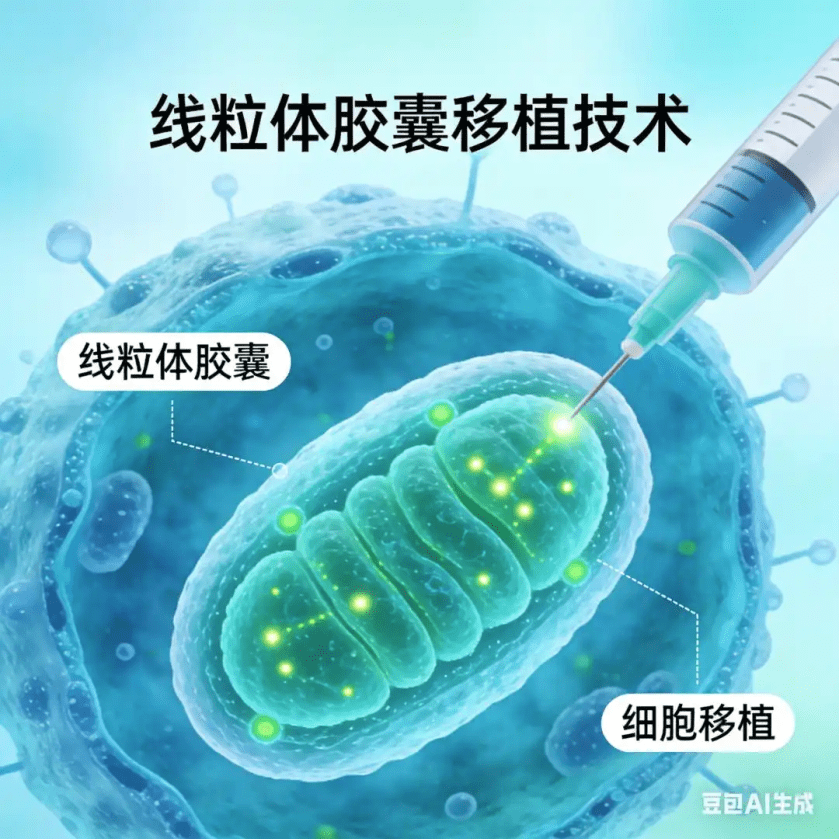
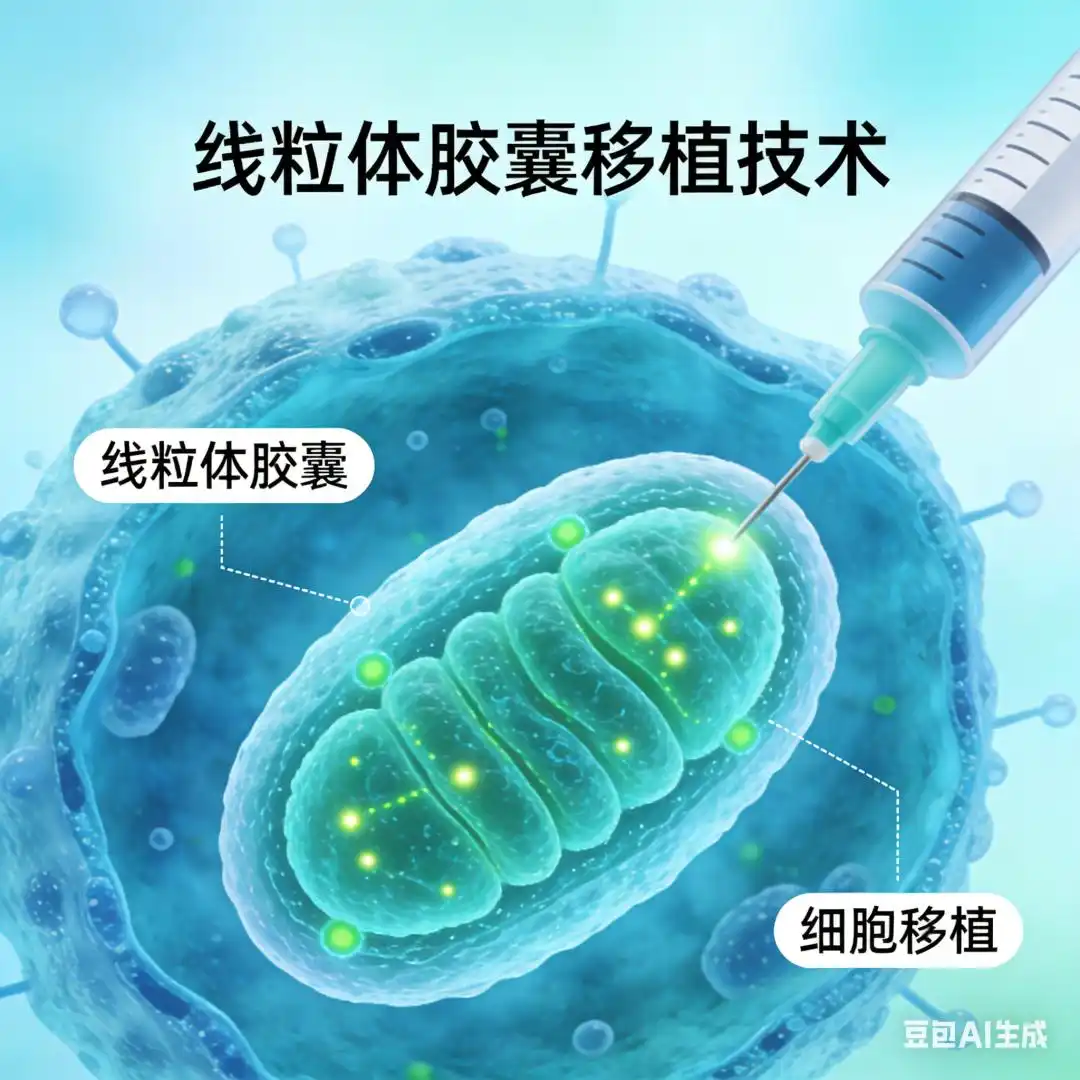
GUANGZHOU, March 19 (Xinhua) — Chinese researchers have recently made a breakthrough by developing a novel and highly efficient mitochondrial capsule transplantation therapy, achieving the safe and efficient transplantation of healthy mitochondria into cells and tissues for the first time. This new therapy can significantly alleviate symptoms of severe diseases such as Parkinson’s disease.
According to the study published on Wednesday in the journal Cell, the therapy proposes a brand-new strategy in the field of regenerative medicine, shedding fresh light on intervention in refractory diseases caused by mitochondrial dysfunction, such as mitochondrial genetic diseases and neuron degenerative disorders.
Mitochondria are organelles that refer to specialized subunits with specific functions in cells. Mitochondria function like power plants in cells, continuously converting nutrients into energy for life activities. They are also the only organelles in human cells that possess their own genome.
Mutations in mitochondrial genes can lead to severe genetic diseases, affecting more than 1 in 5,000 people worldwide. However, doctors have only been able to manage symptoms without fundamentally repairing the malfunctioning mitochondria. Their dysfunction is a significant contributing factor to aging and various neuron degenerative and metabolic diseases, including Parkinson’s disease, Alzheimer’s disease and diabetes.
A research team from the Guangzhou Institutes of Biomedicine and Health under the Chinese Academy of Sciences, Guangzhou Medical University and other institutions, utilized membrane vesicles from red blood cells as “capsules” to encapsulate healthy mitochondria, creating mitochondrial capsules with a diameter of one-thousandth of a millimeter.
The study notes that these capsules not only protect the mitochondria, but also help them pass through a cell’s defense system, successfully enter the cell interior, and fuse with the cell’s own mitochondria to achieve long-term survival.
The study found that the delivery efficiency of naked mitochondria was less than 5 percent, whereas the new therapy demonstrated high delivery efficiency, with roughly 80 percent of target cells successfully accepting the new mitochondria.
More importantly, once these foreign mitochondria enter the cell, they do not exist in isolation. Instead, they actively integrate with the cell’s existing mitochondrial network, continuously functioning in the cell to compensate for metabolic disorders and functional deficiencies.
The research team also conducted tests on cells from patients with various mitochondrial DNA mutations. These cells contained both healthy and malfunctioning mitochondria at the same time. After successful transplantation of healthy mitochondria, the proportion of malfunctioning mitochondria in the cells significantly decreased. The previously malfunctioning cellular energy metabolism was rapidly restored, and genetic defects were compensated.
The study also established multiple disease animal models, including Parkinson’s disease, Leigh syndrome and mitochondrial DNA deletion syndrome.
In the Parkinson’s disease mouse model, after delivering mitochondrial capsules to the affected brain regions, the therapy effectively prevented continuous neuronal death, restored normal mitochondrial function in the brain region, and significantly improved the motor abilities of the model mice, nearly restoring them to normal levels.
In mouse models for mitochondrial genetic diseases, the new therapy significantly extended the lifespan of the diseased mice and rescued multiple organ failures.
According to the study, it may be possible to use healthy organelles, including mitochondria, as a form of medicine, and directly deliver them into patients to repair the functioning of diseased tissues and organs.
 SANGHA KOMMUNE (SSR)