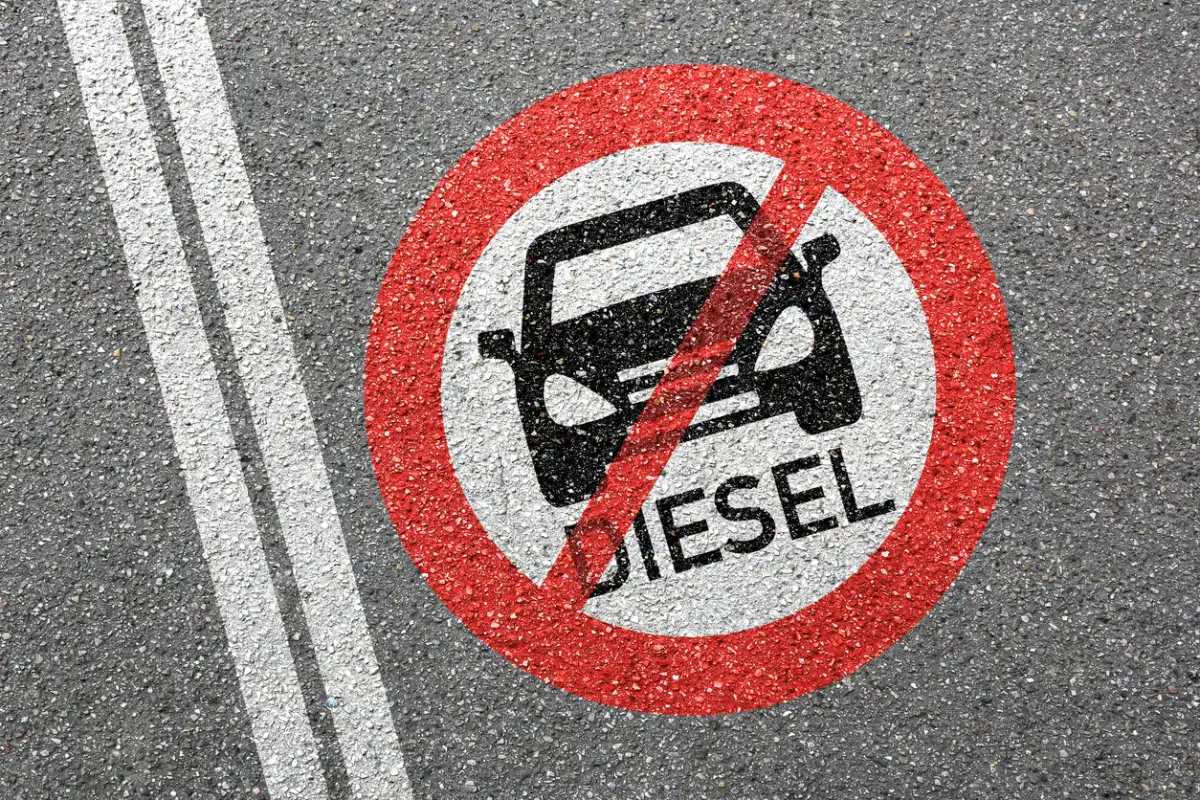
Jersey scraps 2030 petrol and diesel car ban
By Mathilda Bartholomew | February 26, 2026
Jersey has reversed plans to ban imports of used petrol and diesel cars by 2030, citing affordability and supply challenges. Here’s what it means for drivers.
TL;DR: Jersey has scrapped its 2030 plan to ban imports of used petrol and diesel cars after public and economic pushback. The government admitted the policy was too costly and unrealistic for everyday drivers. Limited EV supply and affordability concerns played major roles in the U-turn, with Environment Minister Steve Luce advocating a more “just transition.” Jersey now plans a slower, fairer path toward net zero that keeps car ownership accessible for everyone.
Jersey has officially binned its plan to stop the import of second-hand internal combustion vehicles by 2030. Environment Minister Steve Luce recently confirmed that the government is stepping back from the ledge, a move intended to keep cars affordable for the average person. For many residents, it’s a welcome relief after concerns that the original timeline was simply too aggressive.
Public pushback prompts Jersey’s policy u-turn
The decision comes after the government reviewed more than 200 responses from local businesses and residents, many of whom warned the 2030 cut-off was unrealistic. Minister Luce pointed to a preliminary economic impact assessment as the main reason for the change, acknowledging that public sentiment played a major role.
The cost of going electric
The review revealed a harsh truth: plenty of Islanders simply can’t afford to swap their current vehicles for electric models. For a community where car ownership is vital, affordability quickly became the tipping point that forced the government’s rethink.
A “just transition” for islanders
Luce has been clear about the need for what he calls a “just transition.” Keeping used petrol and diesel cars available ensures that lower-income households aren’t locked out of mobility while the island gradually moves toward cleaner options. For now, there’s no plan to restrict used car registrations, a win for consumer choice.
Limited EV supply creates more hurdles
Even if the economics were right, the logistics aren’t. EV supply to the Channel Islands remains limited, and UK manufacturers aren’t prioritising the region for new shipments. That makes it nearly impossible to enforce a strict ban without leaving dealers and drivers stranded.
Jersey’s more realistic path to net zero
While Jersey once aimed to mirror mainland UK’s petrol and diesel car ban, its government now recognises that the island needs a different route. A balanced approach, one that protects affordability and accessibility, looks set to define Jersey’s journey to net zero.

