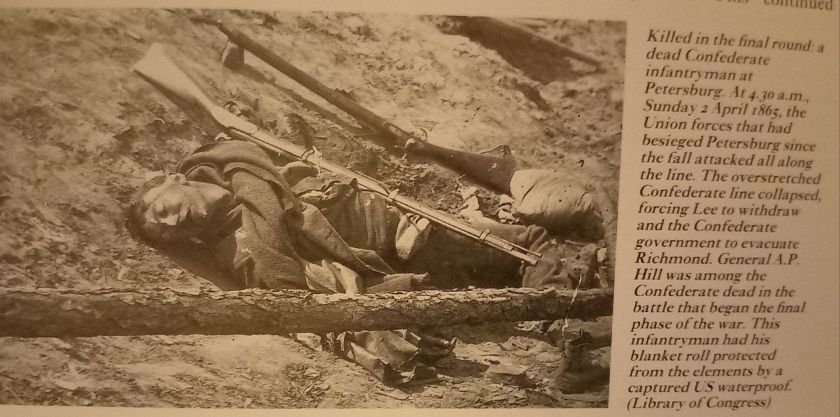
The history and outcome of the American Civil War (1861-1865) has created the dialectical reality we see today in the contemporary US – and the consequences this has had for US citizens and all foreign citizens living in countries outside the US. A recent academic article (published by a US university) states that since 1945, the US military has killed around 30 million people throughout the world in support of its socio-economic policy. Most Americans are shocked by this statistic – as they tend to labour under the misapprehension that the type of highly destructive warfare their government routinely visits upon the populations of the world in their name – somehow causes immense change without killing a single person. Furthermore, as part of its anti-intellectual attitude, the average American believes that their country is the perpetual “victim” of the injustice of every other nation. As the late, great Bill Hicks once commented – it is as if the US is the archetypal school bully – an experience long since outlawed in Europe and the UK, but still considered “character building” in the North American education system.
Black people were freed from the state of institutional slavery and into that of wage slavery – by Lincoln’s policies. White racism (North and South) has subsequently sought to prevent Black people entering the job market on an equal footing – so that the best jobs are de facto preserved only for the White population. Black people are then blamed for the injustices they suffer and the consequences this has had for their longterm mental and physical health. Again, many Americans are unaware that most of the slave-owning estates of the South were in fact owned by rich Northerners (as share-holders) – with the vast majority of the impoverished White population of the South (those who volunteered and were conscripted to fight and die for the Confederacy) never owning a slave. Even more inconvenient is the associated fact that a number of Northern States also owned slaves – but these Union States were declared “exempt” from Lincoln’s Emancipation Proclamation – as he feared such a drastic change in status quo would turn the vote against him.
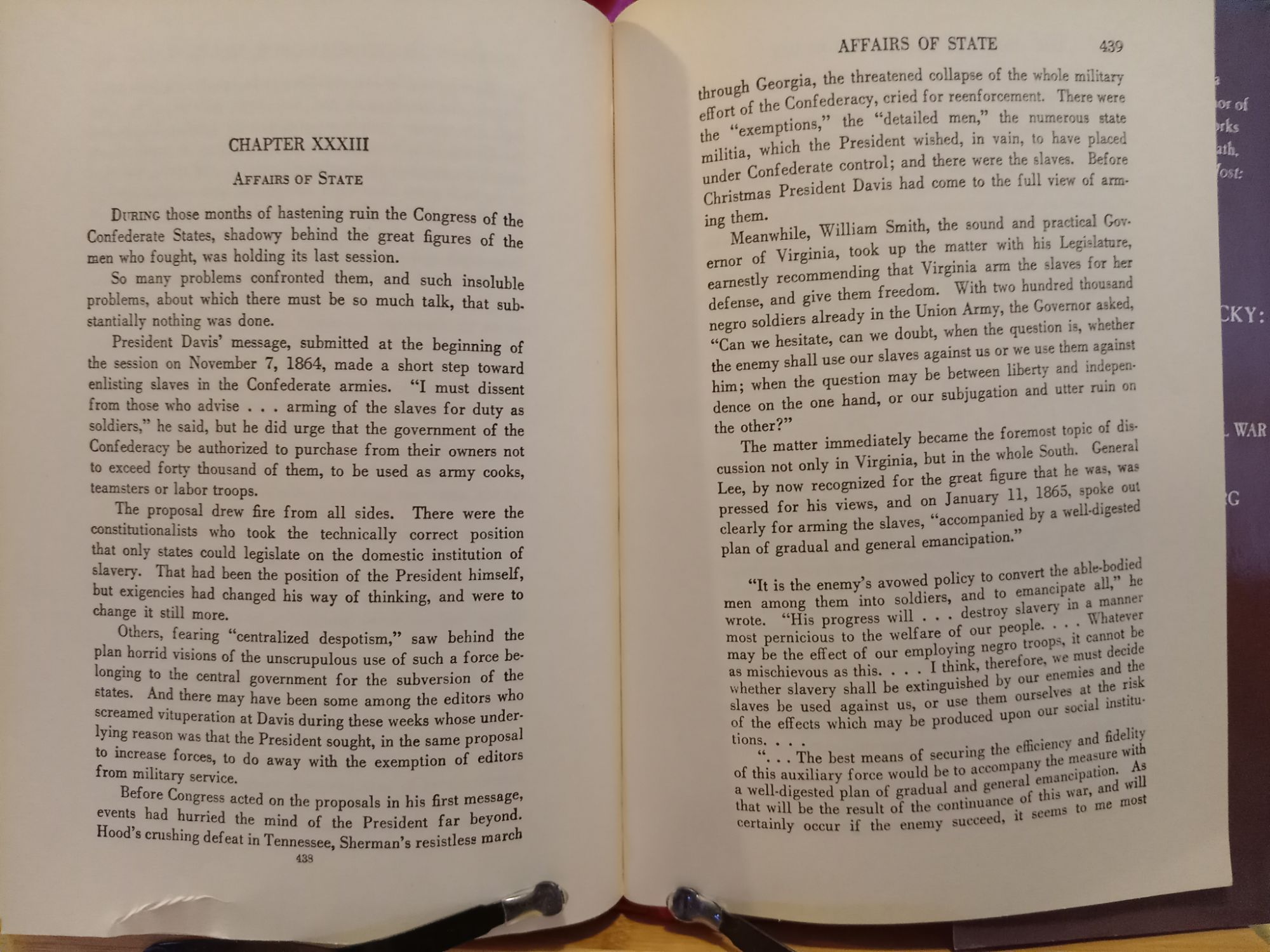
I have written elsewhere that President Jefferson Davis is thought to have married a mixed-race (or Black) wife – and to have sired a mixed-race (or Black) child. Something of an oddity for a man who is often demonised in modern discourse as being the “defender of slavery”. Be that as it may, free Black men did exist in the South – and chose to join the Confederate Army – as free men. As the war wore-on – and the number of the White male population dwindled – it became ever apparent that the only resource the South possessed was its population of Black (male) slaves. General Pat Cleburne (the Irish-British volunteer killed at Franklin during late 1864) had suggested to Davis that the slaves be “freed” and conscripted into the Confederate Army. At the time, the conservative elements of the Confederate Congress refused to consider this idea. Following the Battle of Franklin (30.11.1864) and the huge casualties suffered by the Confederacy – Jefferson Davies decided to exercise his executive power and authorise 40,000 slaves to be co-opted into the Confederate Army to form Labour and Guarding Corps to free-up White soldiers for frontline duty. However, with the Confederate defeat at the Battle of Nashville (16.12.1864) – Davis stated that all slaves should now be freed and recruited into the Confederate Army – BEFORE the Union could get a chance to liberate them – and use these men against the South (an eventuality effectively blocked by the Confederate Congress)!
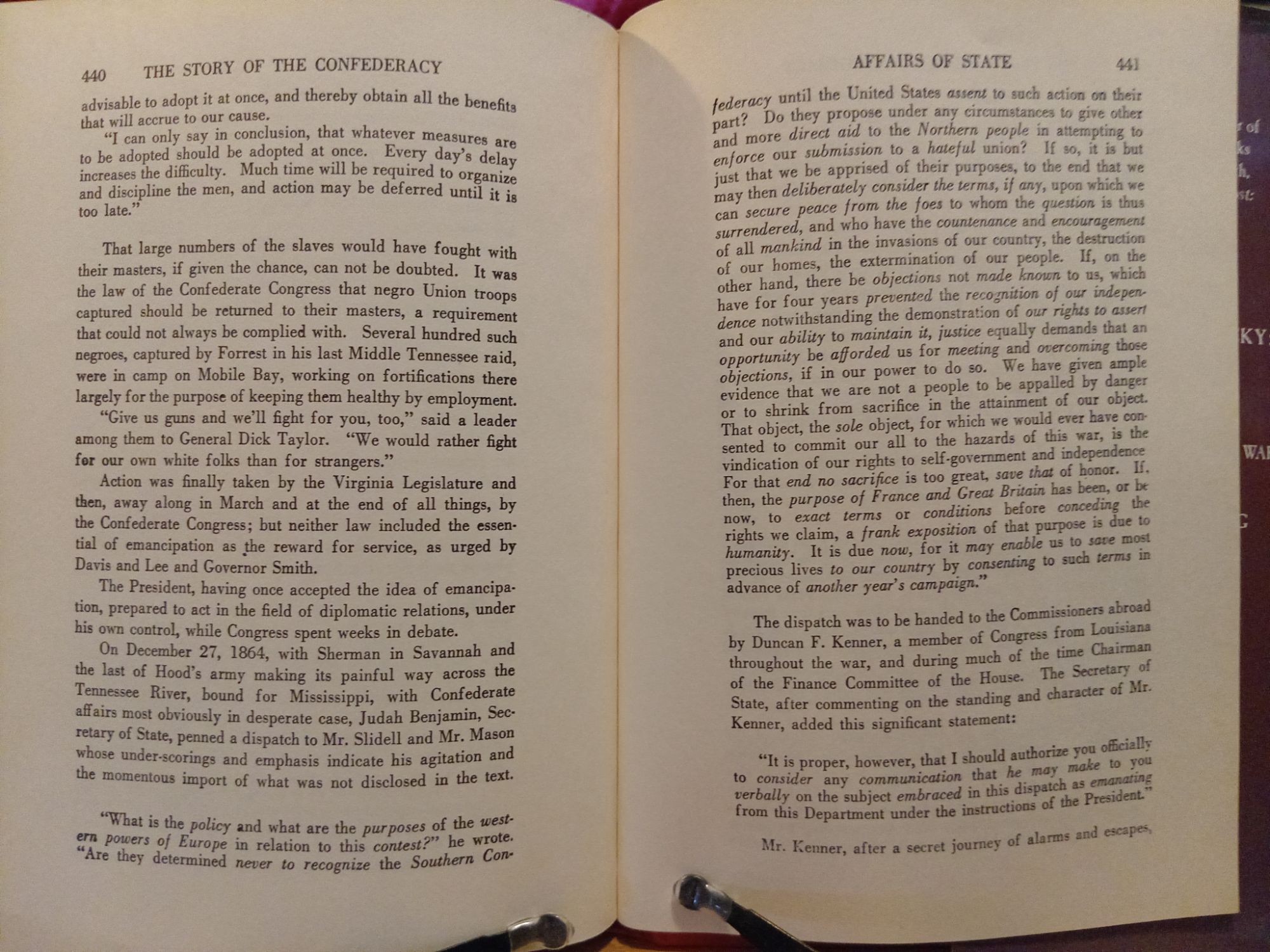
A demonstration of how difficult the reality of the American Civil War actually is, can be gleamed from a fascinating story included in the chapters I am referencing in this article. Around 200 Black slaves were “liberated” by the North as it entered the South. These men were immediately freed, uniformed, armed and fully trained in the art of war. When they went into battle, and as soon as they witnessed the line of grey advancing toward them – these former slaves “surrendered” without a fight – refusing to obey their White Union Officers. Later, when being held as POWs, their chosen leader approached a Confederate Officer and explained their actions. They said that as Southern Black people – they wanted to fight for the “White folks” that they knew and belonged with – and requested to be given grey uniforms and fight for the Confederacy. As this was near the end of the war, and given that the CSA was slowly descending into chaos – their curious request was never processed. This story may be added to those that record how a number of enslaved groupings “refused” to be freed from their owners – and elected to stay with them even after reconstruction. For many Southern slaves – Northern White people were “foreign” to them.
Reference:
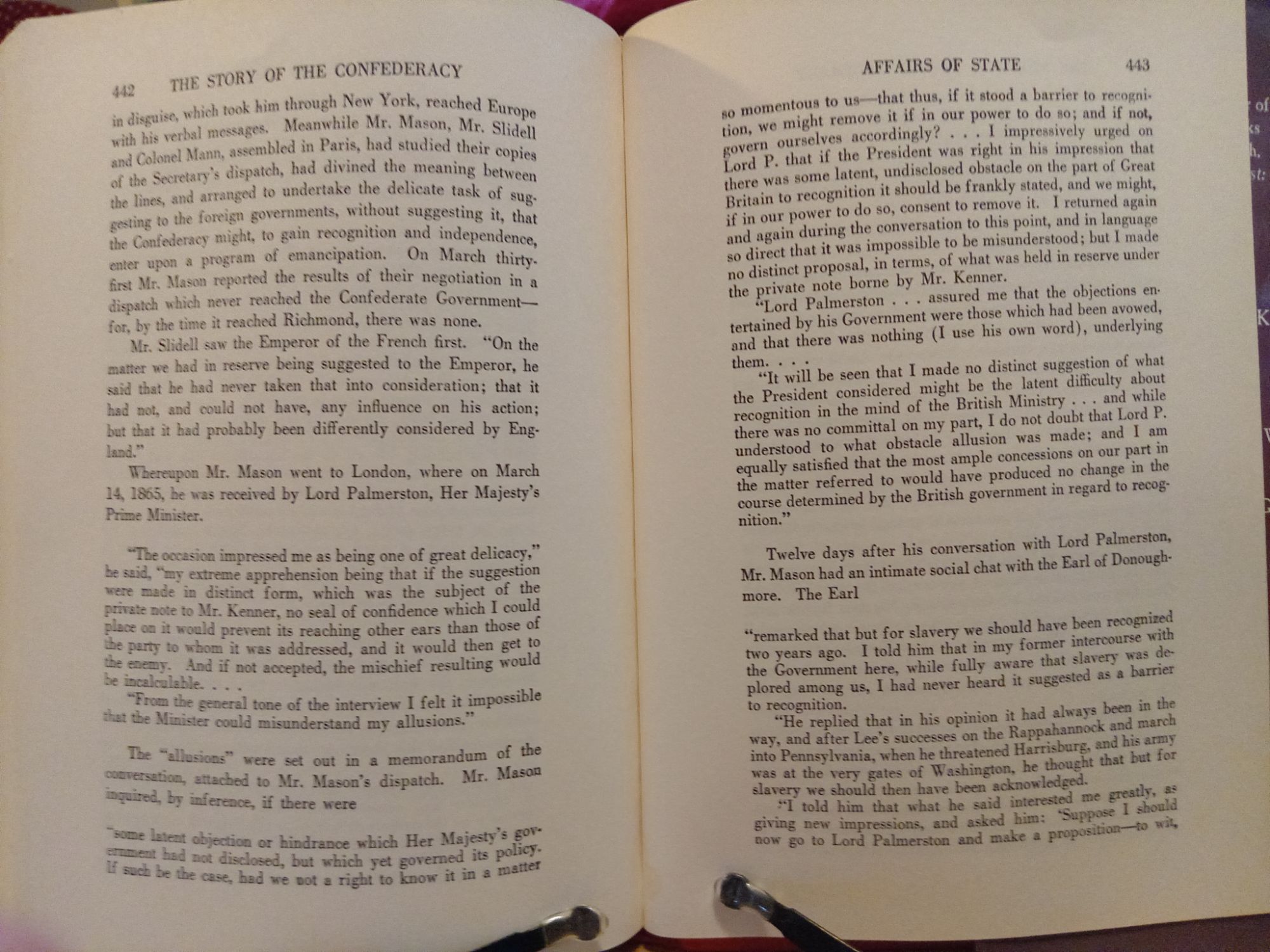
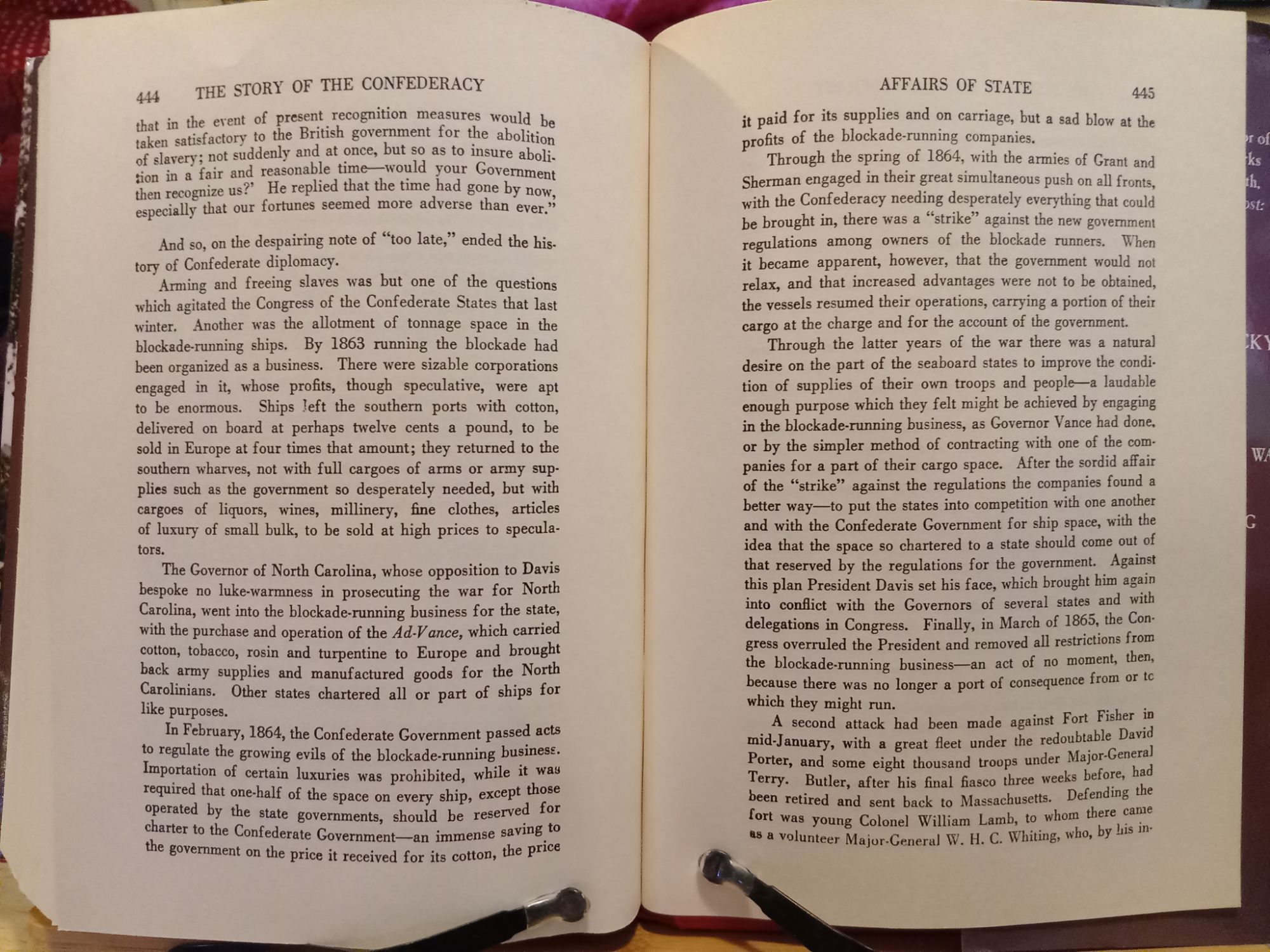
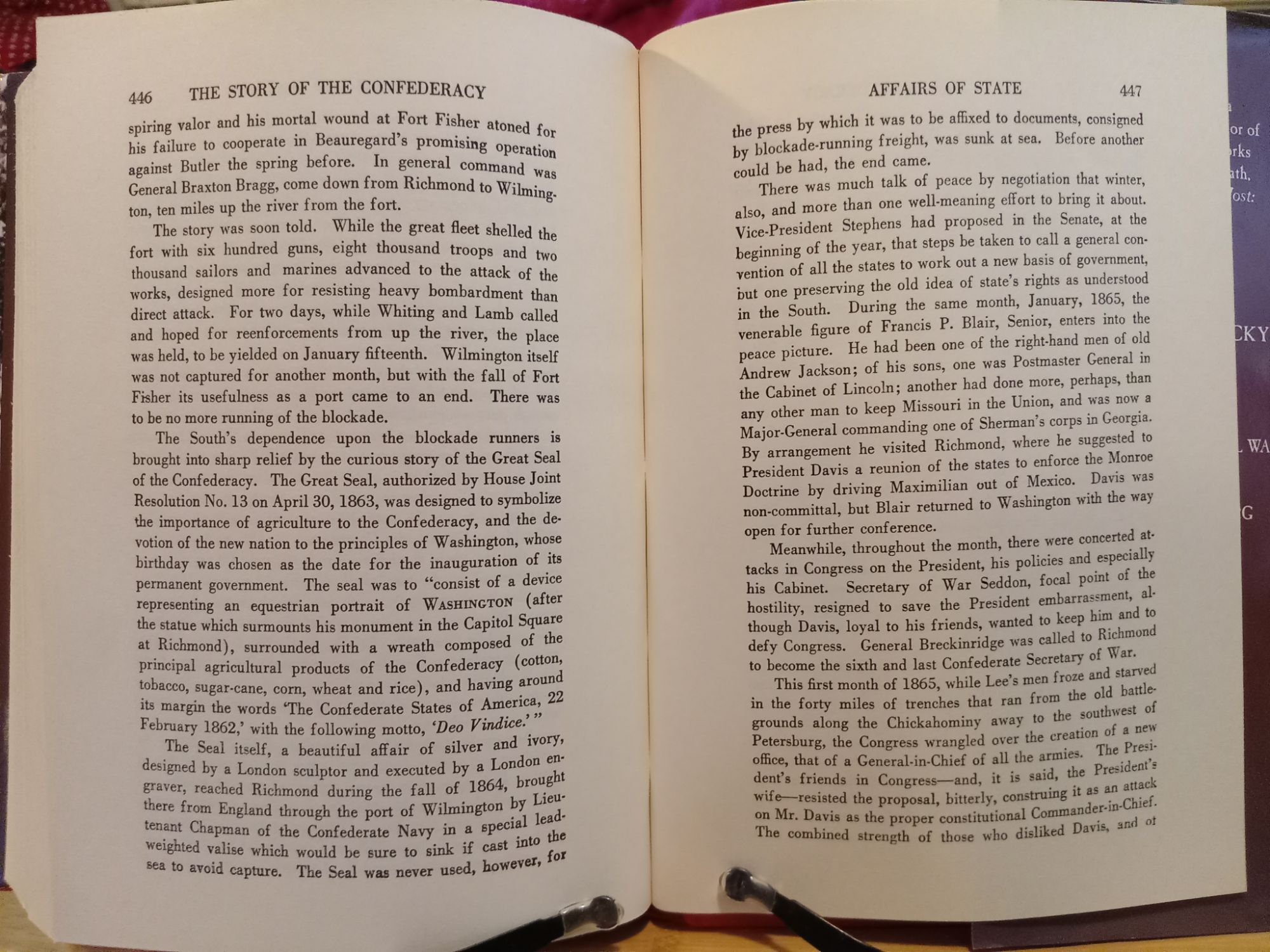
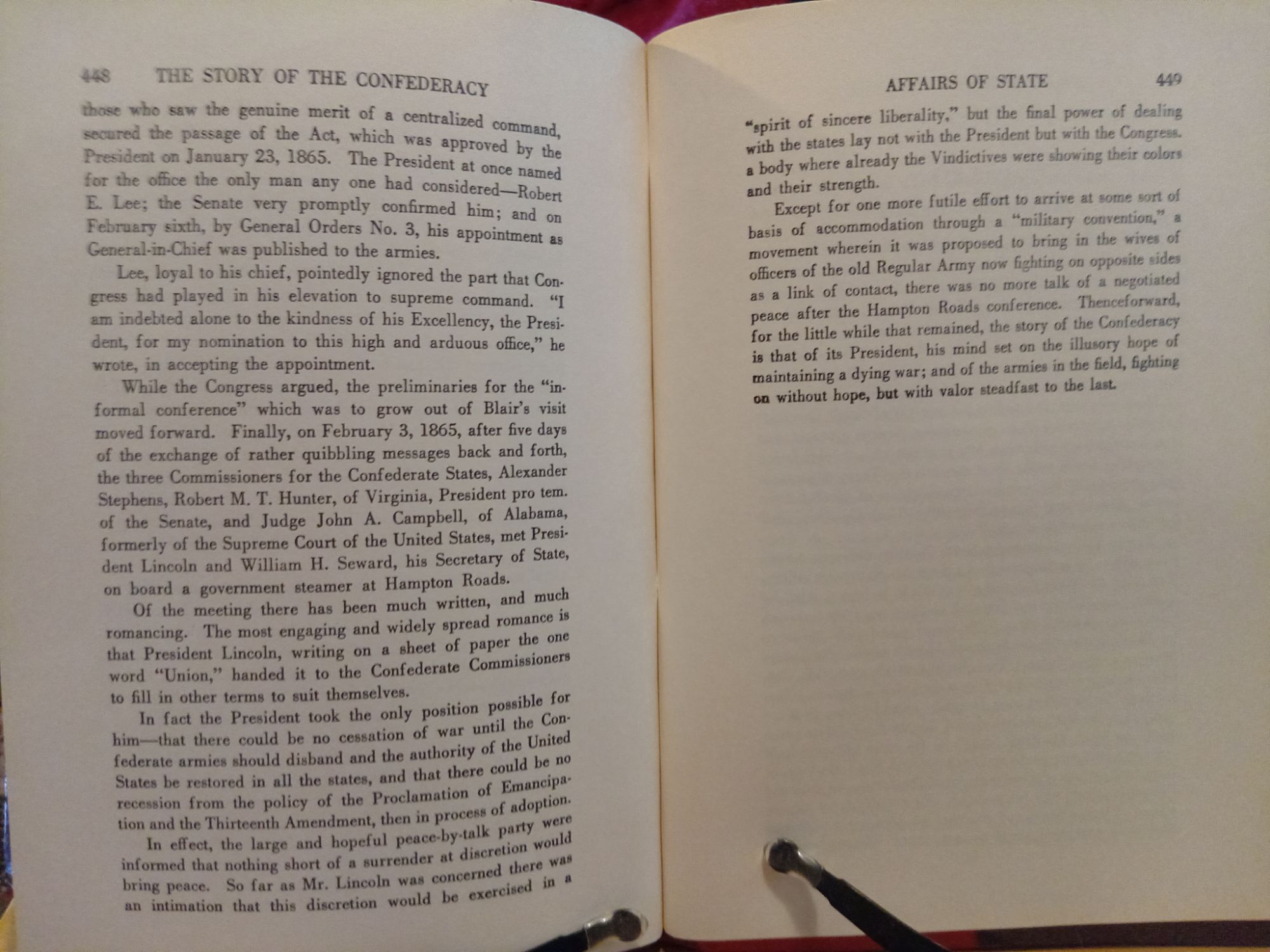
Robert Selph Henry, The Story of the Confederacy, K&K, (1989), Chapter XXXIII – Affairs of State, Pages 438-449
 SANGHA KOMMUNE (SSR)