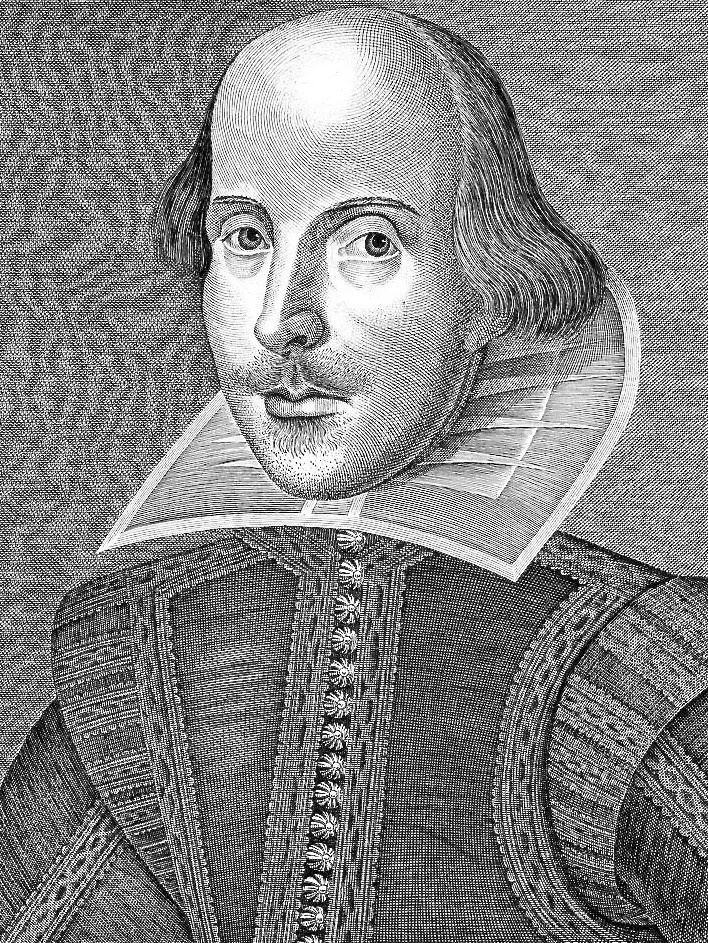
I was brought up to think that all biographical details were known about William Shakespeare – and what was known – was undoubtedly correct and beyond dispute. Only later, through extensive study, did I realise that this position is not true, and in fact ‘nothing is known for sure’ about the life of William Shakespeare. Furthermore, it would not be for about another 30-years after his passing (in 1616 CE) that the English Bourgeisie (peasants as rich merchants) would ascend to political power following the English Civil Wars.
Only then did the newly franchised Bourgeoisie begin to routinely mimic the upper-class they had politically replaced as controllers of the means of production – following the 1649 CE execution of King Charles I – and extensively educate their children in literacy (and all kinds of other academic subjects). After 1649 CE – this type of Bourgeois education slowly began to develop – but certainly did not happen to any great extent prior to this date. In this regard, Shakespeare seems historically out-of-place – like a technologically sophisticated and advanced artefact discovered on the floor of an ancient cave – how did such an object arrive in this position?
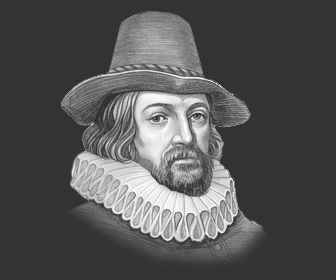
Shakespeare seems to represent an archetypal “rags to riches” story that the post-1649 CE Bourgeoisie tended to revel within (used as a metaphor to justify its siezure of political power from the Aristocracy) as a “totem to capitalism” but which seldom (if ever) occurred prior to that date – and certainly never to the extent as is seen within the work of the great William Shakespeare. Something is afoot for sure – and certainly Mr Mark Twain was on the Scent! How did a Butcher’s Apprentice become an expert in the law – and express this knowledge in a body of written work considered amongst the greatest ever produced within any society? Mark Twain is of the opinion that perhaps Sir Francis Bacon was the true author.
 SANGHA KOMMUNE (SSR)